
 Azzam Bilal Chamdy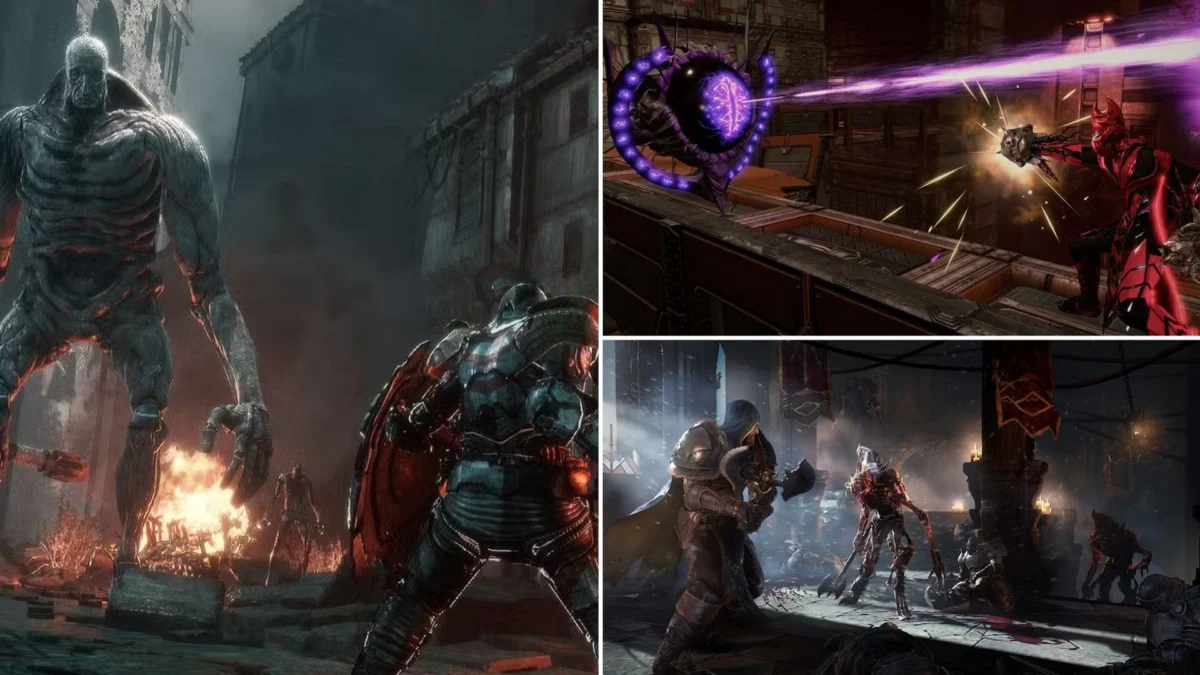
For over a decade, the gaming landscape has been fundamentally altered by the "Soulslike" phenomenon. Since the release of Demon’s Souls and the subsequent meteoric rise of the Dark Souls trilogy, FromSoftware has defined a specific, uncompromising design philosophy. Their games are characterized by environmental storytelling, deliberate combat, punishing yet fair difficulty, and a unique sense of discovery. Naturally, the industry has rushed to fill the void with "Soulslikes"—games that attempt to capture that lightning in a bottle.
However, the path to creating a true successor to the genre is fraught with peril. Many developers focus on the surface-level aesthetics—the stamina bars, the bonfire equivalents, and the boss difficulty—without truly understanding the underlying mechanical synergy that makes the originals so compelling. The result is often a collection of titles that feel derivative, clunky, or simply unpolished. If you are looking for your next challenge, proceed with caution; here are ten Soulslikes that fail to live up to the standard, and why you should consider avoiding them.

The Illusion of Quality: A Critical Look at the Subgenre
The "Lies of P" Paradox
It may seem controversial to include Lies of P on a list of games to "avoid," especially given its critical acclaim. However, the reasoning is pedagogical rather than qualitative. Lies of P is a masterclass in design—arguably the best non-FromSoftware Soulslike ever made.
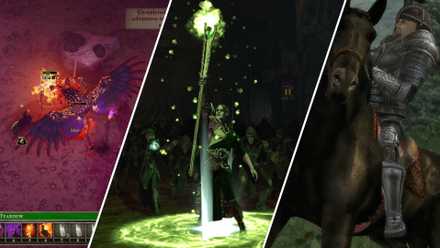
The issue lies in the entry point. Many newcomers to the genre mistakenly start with Lies of P because it is more accessible and polished than the aging Dark Souls titles. By doing so, they miss the historical context of the genre’s evolution. Furthermore, starting with a "perfect" imitation sets an unrealistic expectation. If you play Lies of P first, you will likely spend the rest of your gaming life disappointed by the inherent, charming jank of the original titles that built the foundation of the genre. Enjoy the classics first, then graduate to this masterpiece.
The Problem with "Bleak Faith: Forsaken"
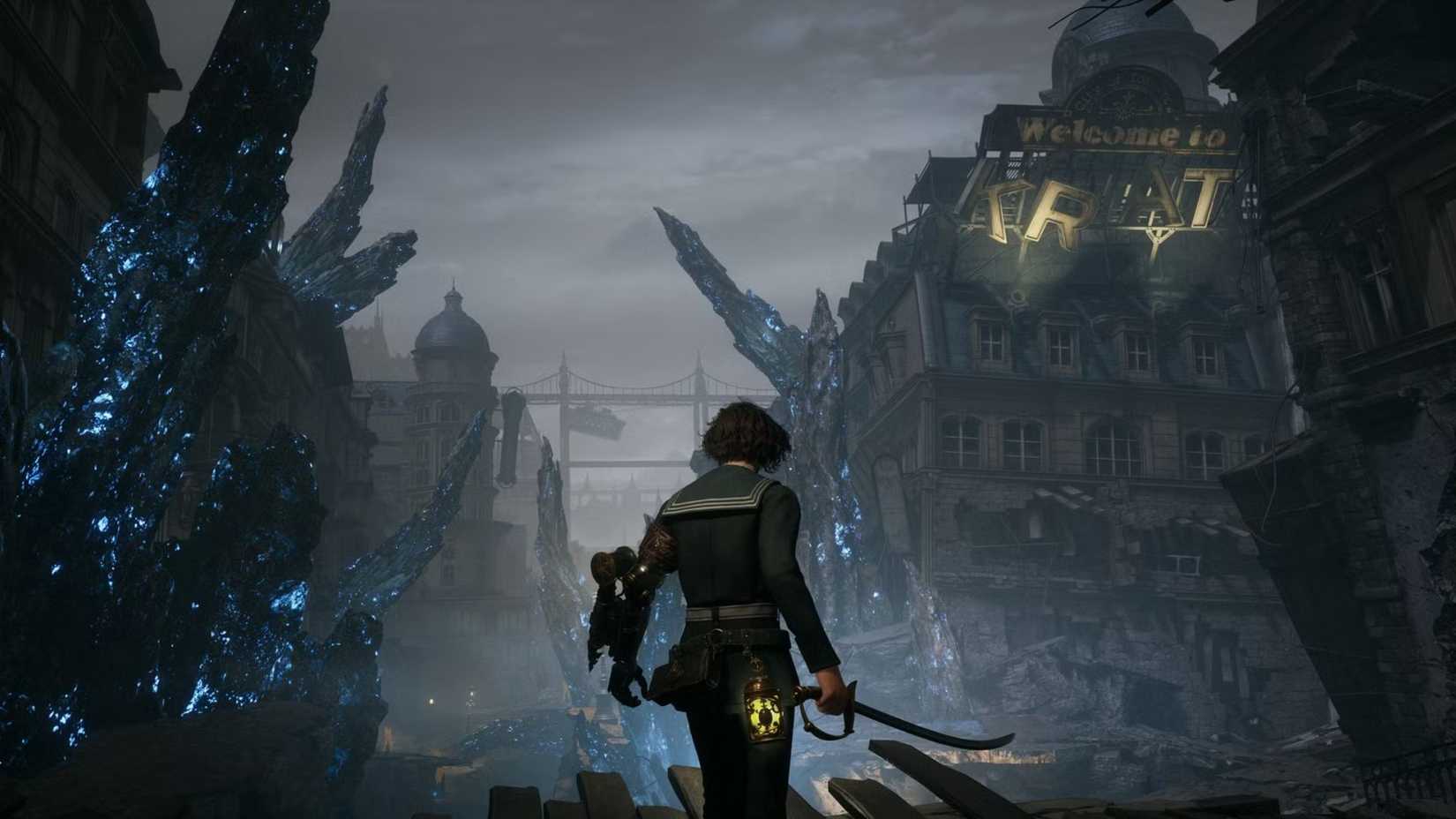
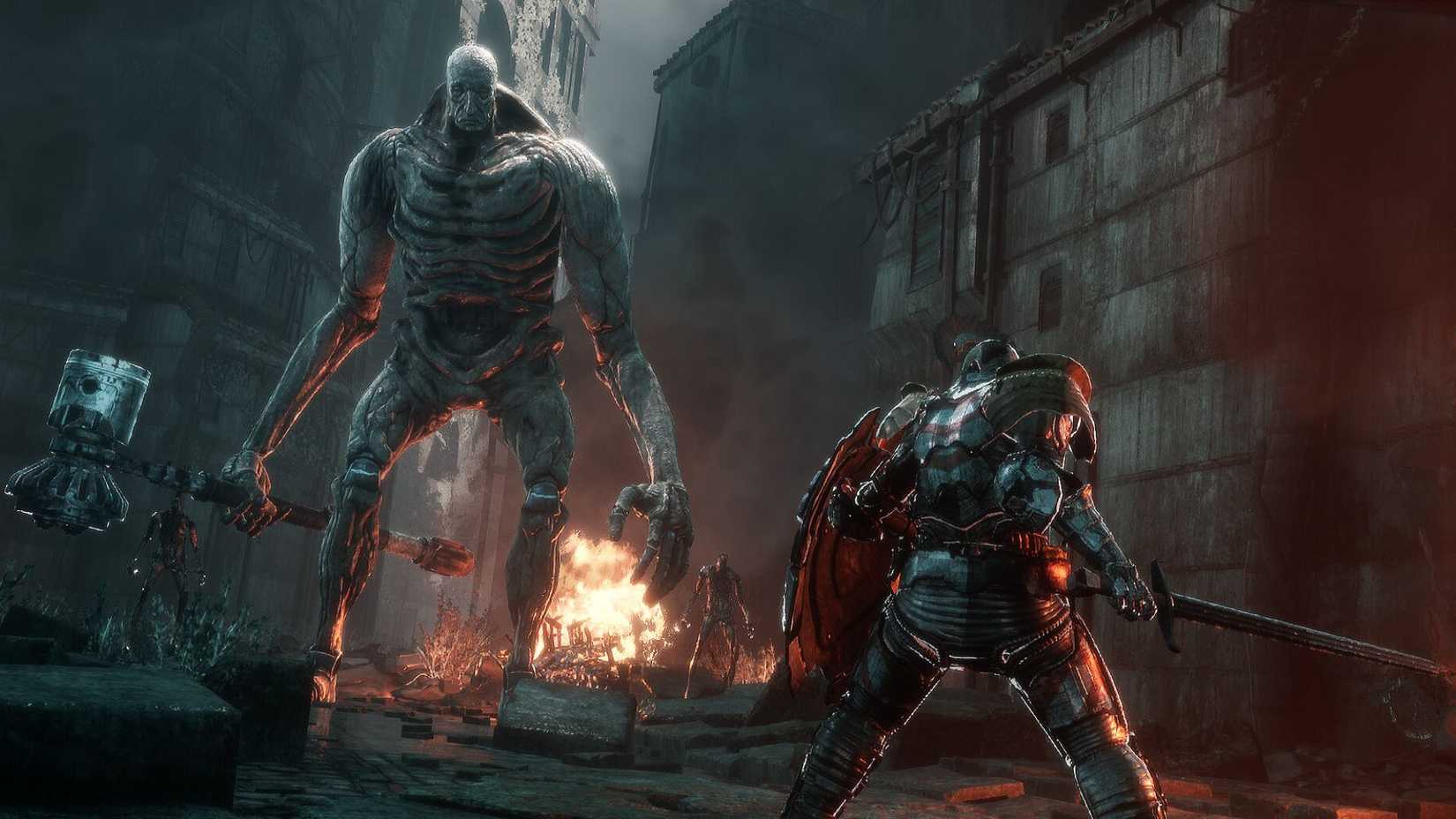
Bleak Faith: Forsaken is a project born of ambition. It offers a massive, atmospheric world and a unique aesthetic that separates it from the medieval tropes of its peers. Yet, underneath that surface, the experience is severely hampered by technical limitations. The game requires a level of patience that borders on masochism. When basic exploration and sword-swinging feel like an ordeal rather than a fluid interaction, the atmosphere loses its weight. It is a title for a very specific, experimental niche, but for the average player seeking a polished RPG, it is best left on the shelf.
Chronology of Failure: Why Older Titles Struggle to Hold Up
The Rapid Obsolescence of "Ashen"
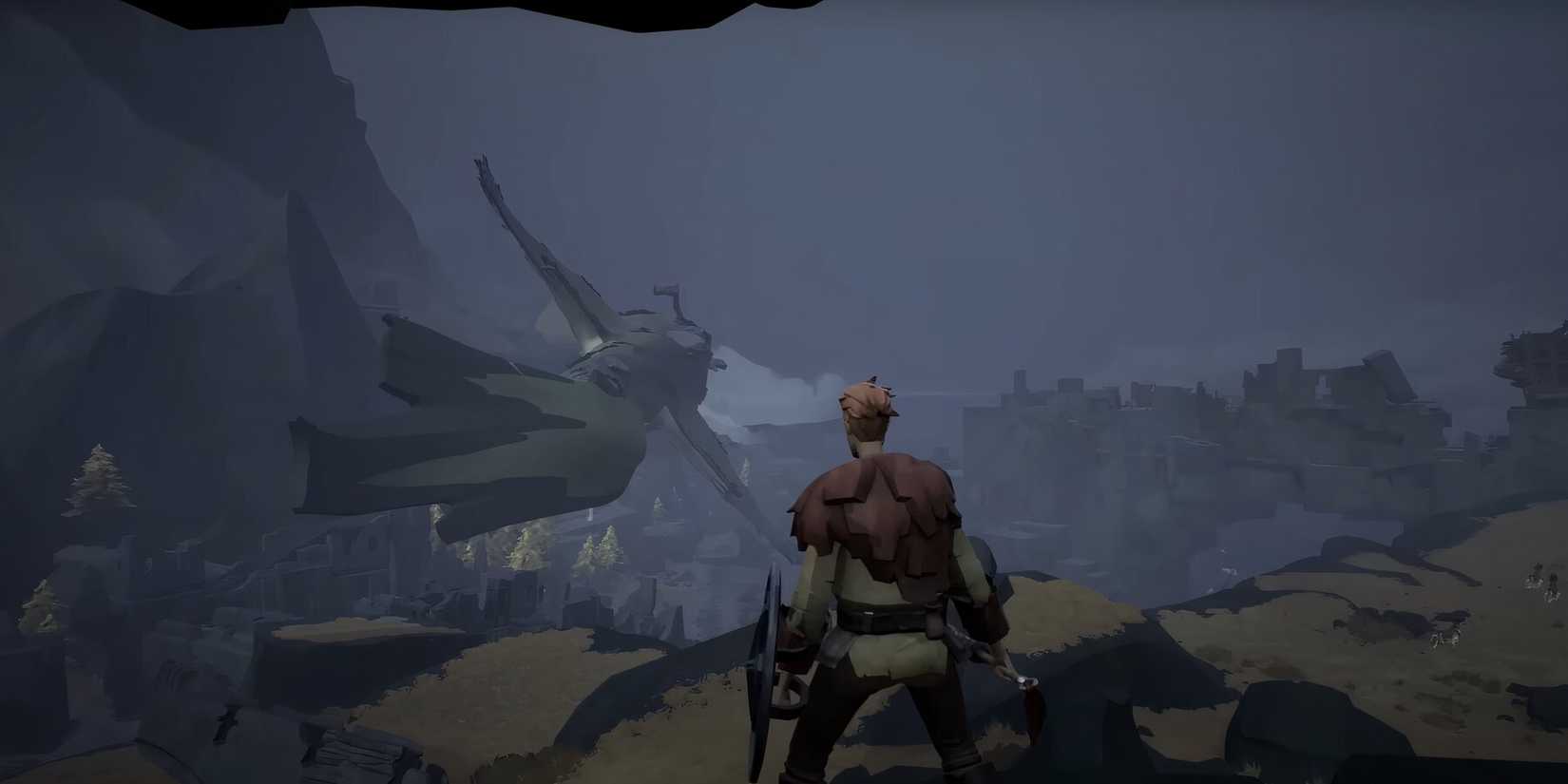
When Ashen was released, it was heralded as a breath of fresh air. Its minimalist, cel-shaded art style and focus on cooperative exploration suggested a new direction for the genre. However, the passage of time has been unkind. As the player base dwindled, the reliance on the cooperative mechanic became a liability. Without a companion, the game’s mechanical shortcomings become glaringly obvious. It is a singular, quiet experience that, in retrospect, receives far less scrutiny than its peers, largely because it lacks the mechanical depth to sustain a solo playthrough.
"Shattered: Tale of the Forgotten King"
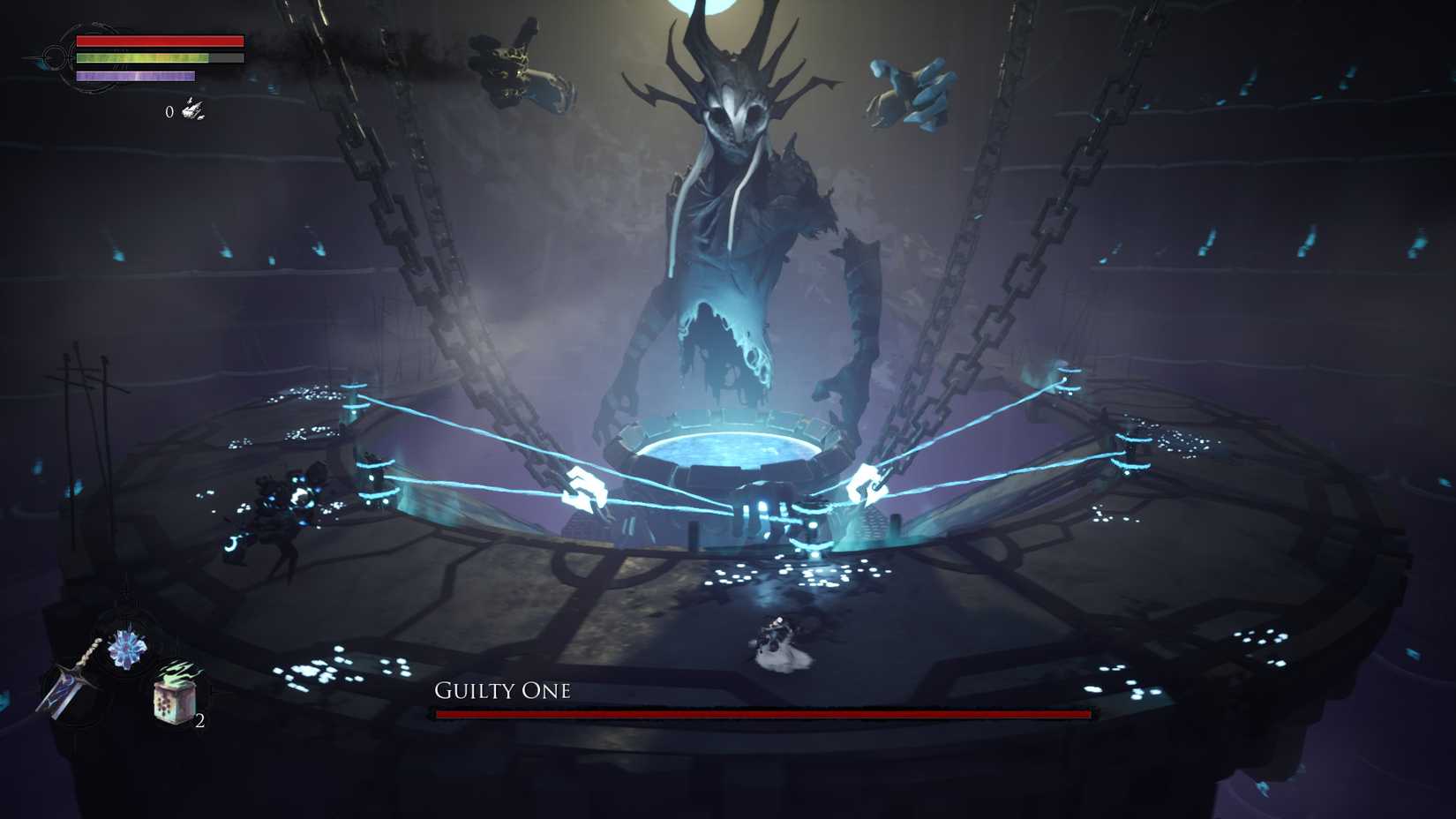
Visuals can be deceptive. Shattered: Tale of the Forgotten King is undeniably beautiful, featuring a distinct, ethereal art style that stands out in a sea of grim-dark textures. But once the visual novelty wears off, the player is left with a repetitive loop of combat encounters that fail to evolve. The game struggles with navigation—a cardinal sin in a genre where environmental design should be the primary guide. Despite leaving Early Access, these fundamental design issues persist, leaving players frustrated rather than engaged.
Supporting Data: When Systems Break Down
"Salt and Sacrifice": A Step Backward
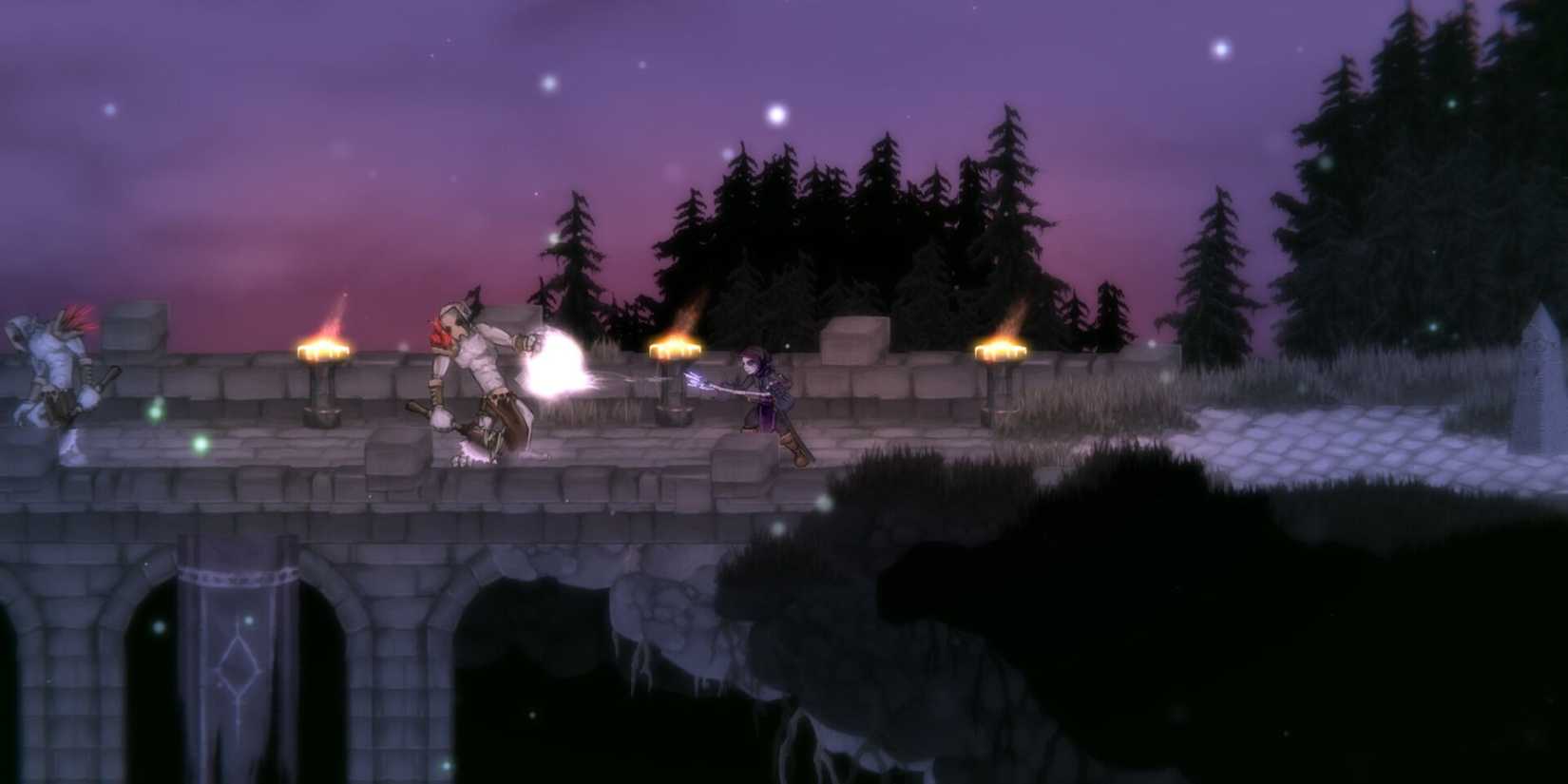
Salt and Sanctuary remains an indie legend—a two-dimensional masterpiece that successfully translated the Souls experience. Its successor, Salt and Sacrifice, unfortunately, lost the plot. By pivoting toward a more grind-heavy, mission-based structure, it sacrificed the organic exploration that made the first game so special. The move from unique, handcrafted boss encounters to repetitive, arena-style skirmishes against the same enemy types highlights a lack of cohesion that renders the experience significantly less satisfying than its predecessor.
"Code Vein" and the Niche Audience
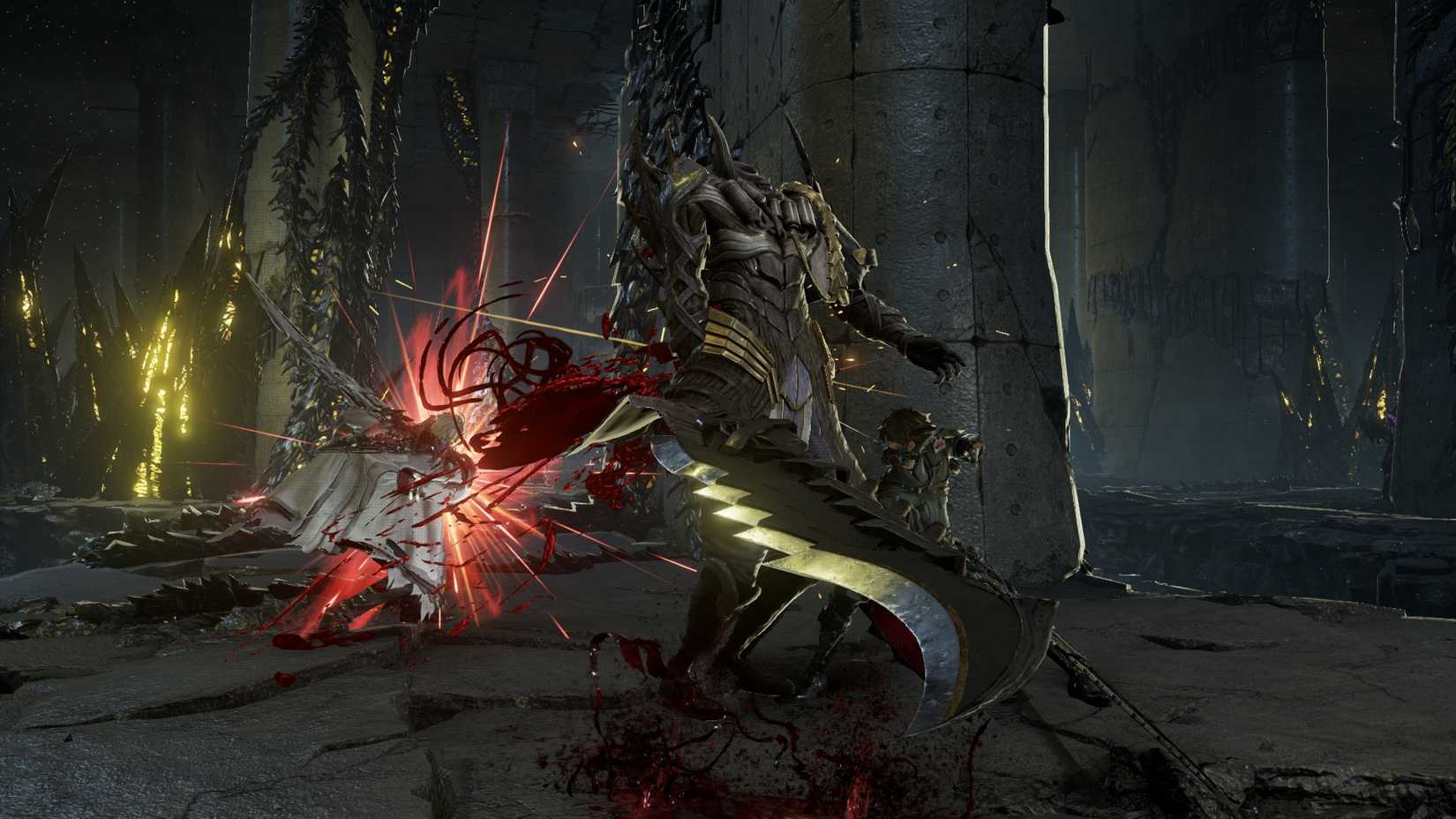
Code Vein is a fascinating case study in tone clashing with mechanics. While it functions as a Soulslike, its aesthetic is pure JRPG melodrama. For fans of anime-inspired storytelling, this might be a plus; for those looking for the grounded, cryptic dread of a traditional Soulslike, it is jarring. Beyond the aesthetic, the game suffers from clunky controls and boss fights that feel more like button-mashing exercises than strategic duels. It is a game for a specific fan base, but it is not a title I would recommend to the general Souls-curious player.
Official Perspectives and The "Clunky" Consensus
The "Hellpoint" and "Dolmen" Experience
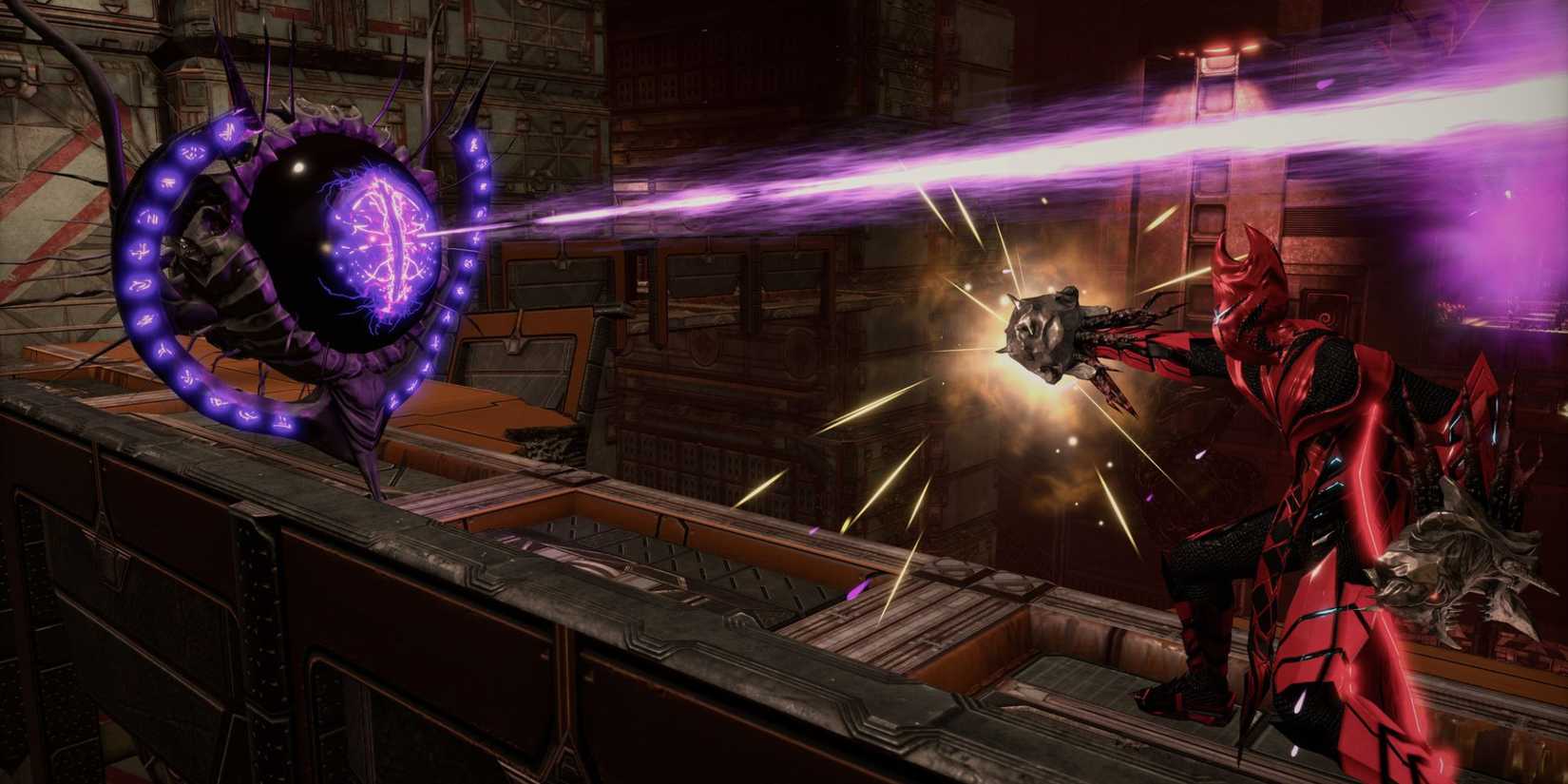
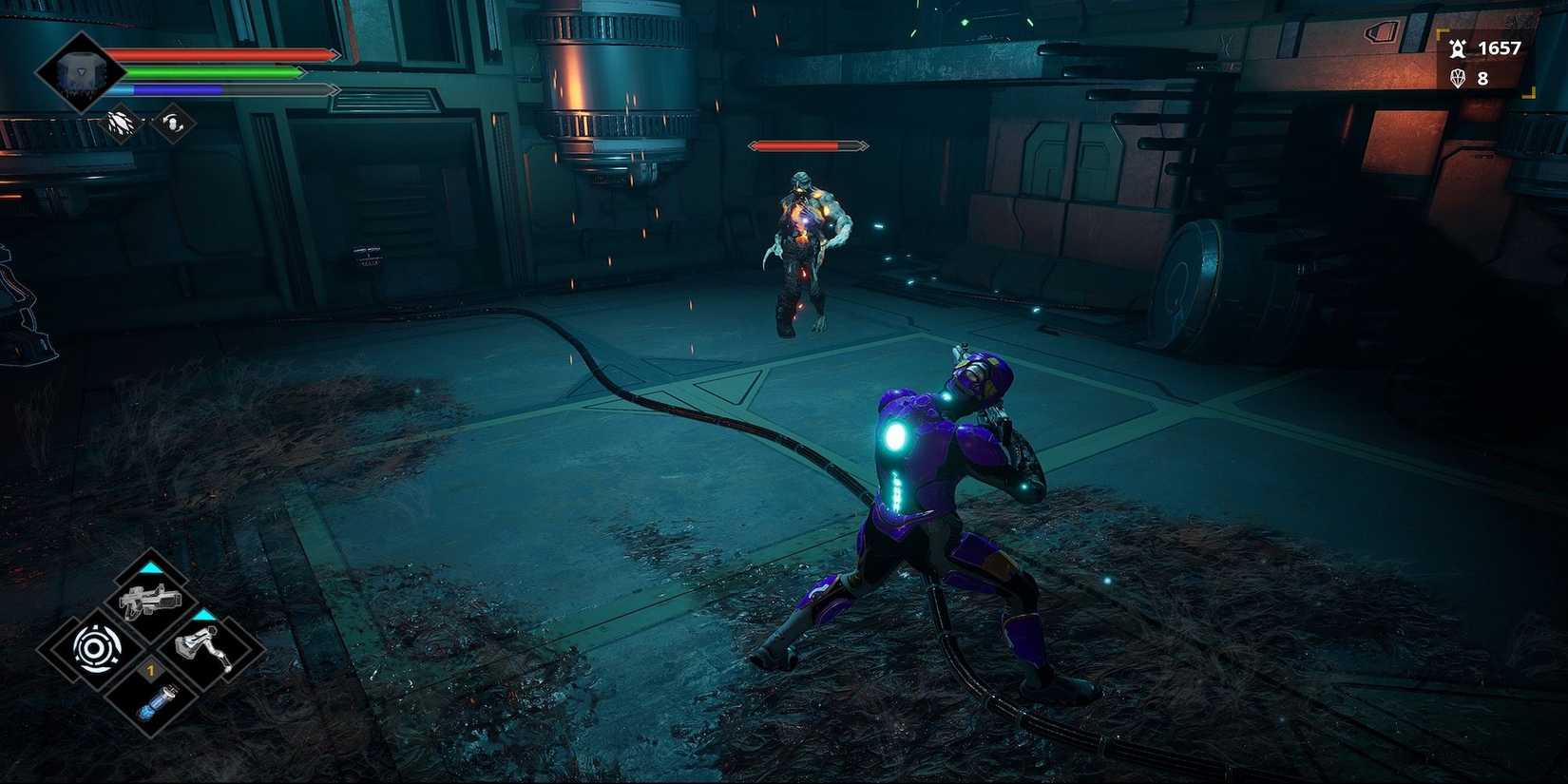
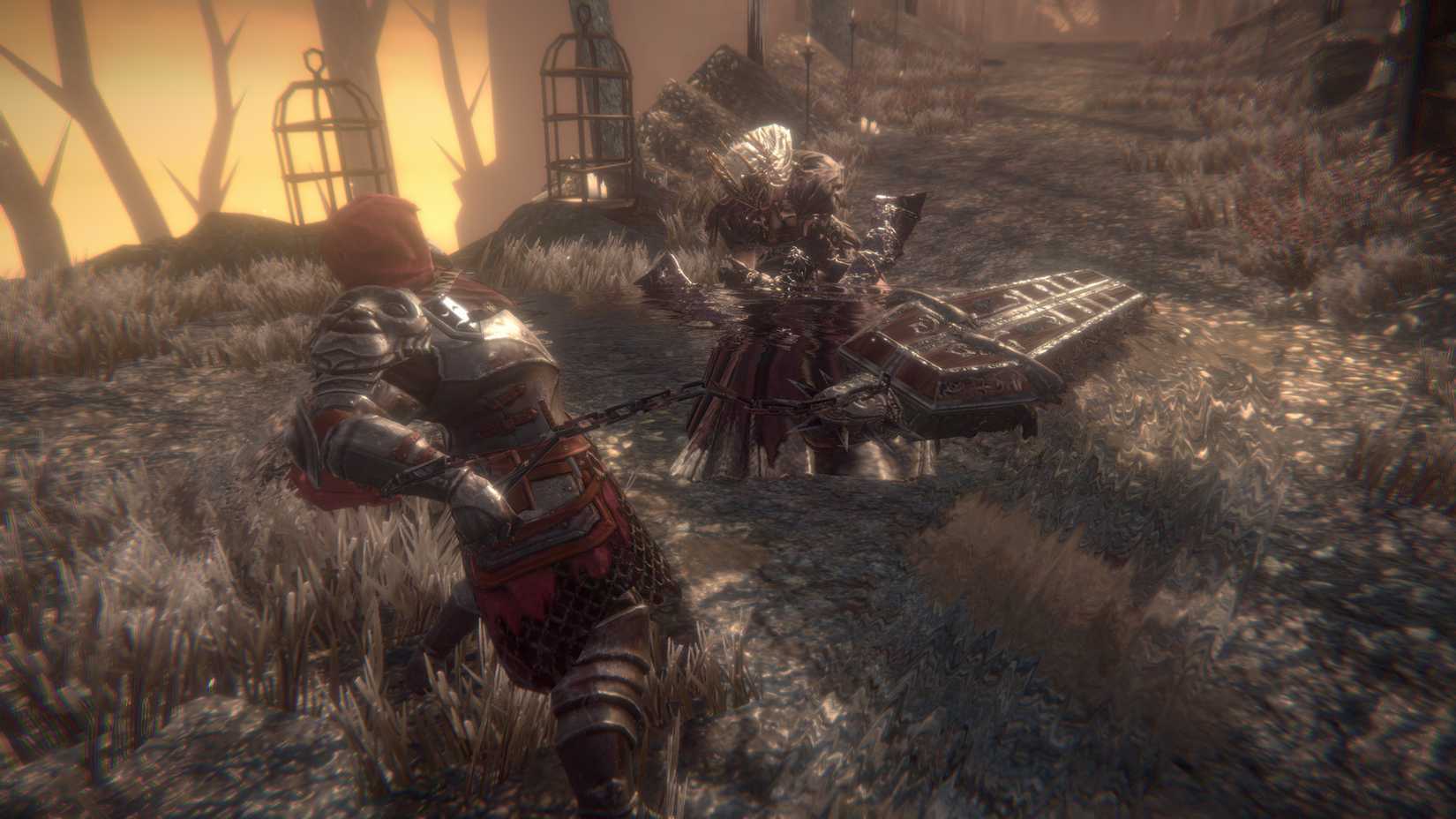
Both Hellpoint and Dolmen fall into the category of "failed tributes." Hellpoint attempted to merge sci-fi exploration with Souls combat but failed to make either half of the equation fun. The movement is sluggish, the platforming is unresponsive, and the game is often cryptic to the point of being anti-player.
Dolmen is perhaps the most egregious offender when it comes to "clunkiness." From inconsistent hitboxes to terrible animations and a disastrous user interface, the game feels like a relic from a bygone era of low-budget development. When a game makes the act of attacking an enemy feel like a fight against the controls rather than the monster, it has failed its primary objective.
"Pascal’s Wager": The Port Disaster
Pascal’s Wager proves that platform matters. As a mobile title, it was an impressive achievement. As a PC port, it is a tragedy. The transition to mouse and keyboard revealed all the seams in its animation and control mapping. Frequent crashes, low-resolution textures, and audio bugs make the PC version of this game a masterclass in how not to port a title. If you must play it, play it on the device it was built for; the PC experience is simply not worth the frustration.
Implications for the Genre’s Future
The Legacy of "Lords of the Fallen" (2014)
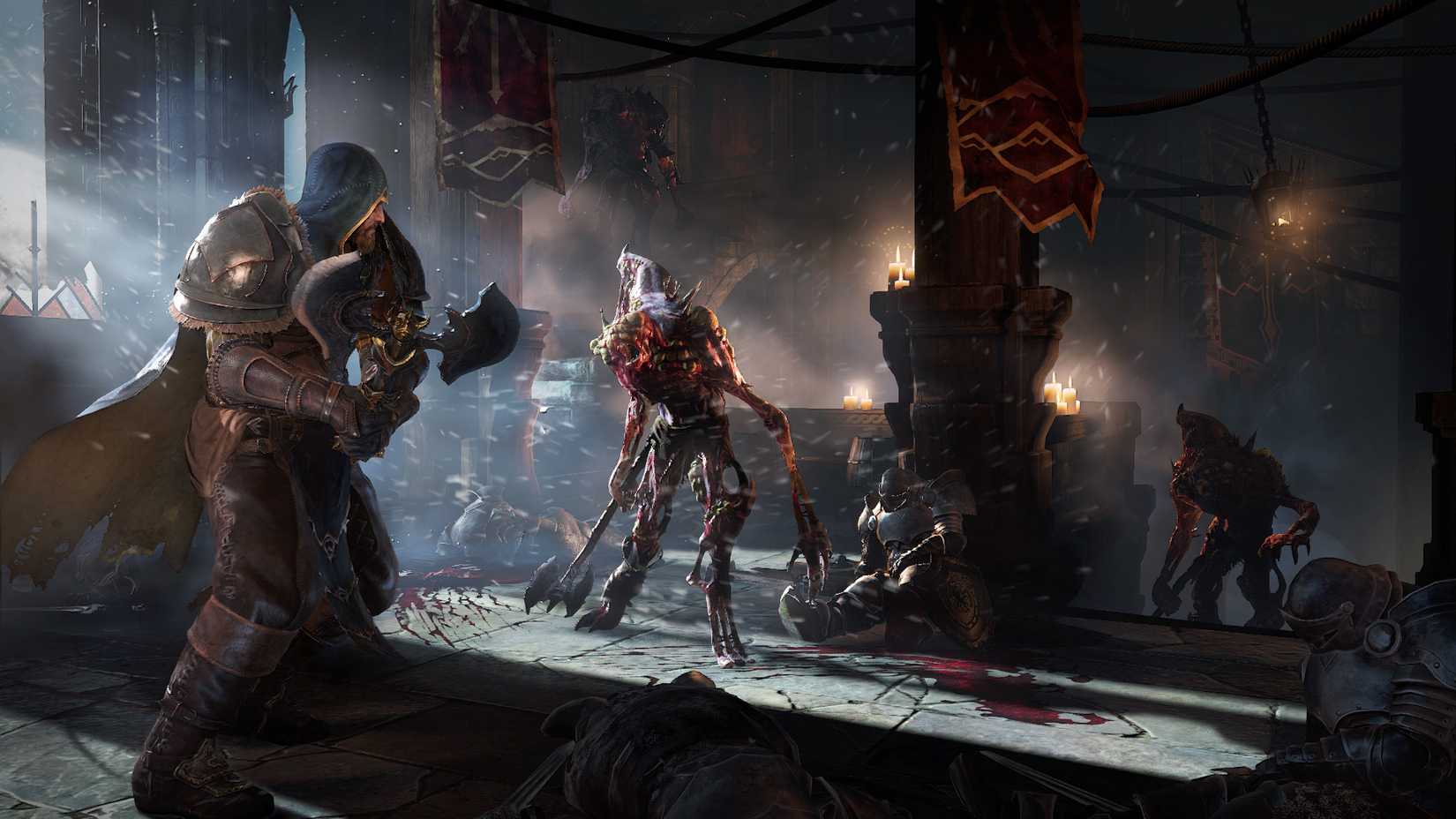
It is impossible to discuss the history of Soulslikes without mentioning the 2014 Lords of the Fallen. It was the first major attempt to replicate the formula, and as such, it serves as a "museum piece." It proved that the market existed, but it also proved how difficult it was to replicate FromSoftware’s secret sauce.
The game is slow, the feedback loop is unrewarding, and it lacks the nuance of its inspirations. However, it deserves a level of historical respect. It was the pioneer that walked so others could stumble. We should acknowledge its place in history, but we should not pretend that it is a "hidden gem." It is a flawed product that serves as a reminder of the monumental gap between the masters and those who merely follow their footsteps.
Conclusion: The Importance of Discernment
The Soulslike genre is now saturated with titles vying for the attention of players who crave the "Souls" experience. But as we have explored, not all games that wear the armor of a Soulslike possess the heart of one. From the technical disasters of Dolmen to the design missteps of Salt and Sacrifice, there are many pitfalls for the unwary player.
Before investing your time and money, it is worth looking past the marketing and the genre labels. True quality in this space comes from tight controls, meaningful level design, and a coherent vision—qualities that many of these titles simply lack. By avoiding the clutter and focusing on the true titans of the genre, you will ensure that your gaming time is spent overcoming challenges that feel rewarding, rather than ones that feel like a chore.


 Suro Senen
 Evan Lee Salim




