Suro Senen
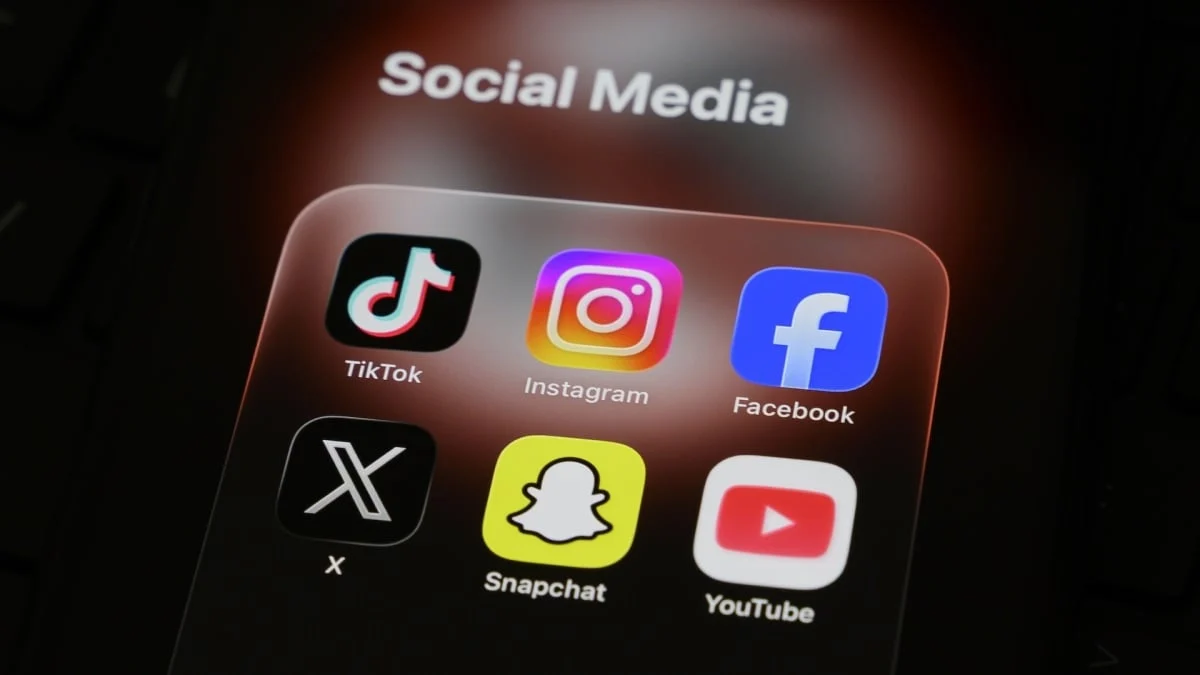
In a pivotal development for the future of digital regulation, Meta has reached a settlement in a high-profile lawsuit brought by a Kentucky school district. The agreement, finalized just weeks before the case was scheduled to proceed to trial in California, marks a significant retreat for the social media giant. This litigation—one of the first to reach the courtroom—alleged that Meta, alongside Snap, YouTube, and TikTok, knowingly designed platforms that contributed to a youth mental health crisis, thereby placing an undue financial and operational burden on public school systems across the United States.
While the terms of the settlement remain confidential, the move signals a calculated strategic pivot by Meta to avoid the discovery process and public scrutiny of a live trial. However, the victory for the Kentucky district is merely a single skirmish in a much larger, nationwide legal war. Meta remains embroiled in more than 1,000 similar lawsuits filed by school districts, municipalities, and state attorneys general, all seeking to hold the company accountable for the systemic impact of its algorithms on the developing adolescent mind.
The Core Allegations: Platform Design vs. Student Well-being
The lawsuit originated from the assertion that the business models of social media titans are fundamentally predicated on "addictive design." Attorneys for the school districts argued that companies like Meta, Snap, and TikTok intentionally engineered their platforms to maximize user engagement—and thus advertising revenue—by employing features like infinite scroll, variable reward schedules, and push notifications.
According to the plaintiffs, these design choices have manifested in a tangible crisis within the classroom. Schools reported a surge in behavioral issues, instances of cyberbullying, sleep deprivation, and severe anxiety, all of which directly inhibited the educational process. The districts argued that they were forced to divert significant resources toward mental health counseling, crisis intervention, and increased security protocols to manage the fallout of social media addiction among their student bodies.
By settling, Meta has managed to keep internal documents out of the public domain that might have shed light on the company’s internal knowledge of these harms. For the plaintiffs, the settlement represents a pragmatic infusion of funds that can be redirected toward the very mental health services the districts claim are currently overwhelmed.
A Chronology of Escalating Litigation
The path to this settlement was paved by years of growing tension between educational institutions and Silicon Valley. The legal timeline reflects a rapid escalation in how society views the responsibility of platform providers:
- 2022–2023: A wave of school districts, starting with high-profile filings in Seattle and Los Angeles, began filing suit against major social media companies. They cited the "public nuisance" doctrine, arguing that these platforms were fundamentally detrimental to the public good.
- Late 2023: The judicial system consolidated hundreds of these cases into a Multidistrict Litigation (MDL) in California, signaling that the court recognized the structural similarities in the claims.
- Early 2024: Mark Zuckerberg and other high-ranking executives faced unprecedented questioning under oath regarding Meta’s safety protocols. These testimonies highlighted the tension between Meta’s goal of "usefulness" and the addictive reality reported by parents and educators.
- Mid-2024: A New Mexico court ordered Meta to pay a $375 million fine following a trial over its child safety practices, serving as a warning shot that juries were becoming increasingly hostile toward Big Tech’s current business models.
- Late 2024: Snap, YouTube, and TikTok reached their own respective settlements in the Kentucky case, isolating Meta and putting immense pressure on the company to follow suit before the trial commenced.
Supporting Data: The Scope of the Crisis
The scale of the litigation is unprecedented in the history of the tech industry. With over 1,200 school districts involved, the legal landscape is vast. The financial implications for Meta are significant, yet the intangible costs to the company’s brand equity may be higher.
Data cited by plaintiffs in various filings point to a direct correlation between the rise of smartphone-based social media usage and a decline in adolescent psychological health. Studies frequently referenced include:
- Usage Rates: Over 90% of teenagers report using social media daily, with a substantial portion describing their usage as "constant."
- Educational Impact: Reports indicate that schools are spending billions collectively to combat the "attention economy," with educators noting a marked decrease in focus and an increase in depression-linked absenteeism.
- Regulatory Scrutiny: The persistence of these lawsuits has emboldened federal lawmakers. Both the House and Senate have held numerous hearings on the "Kids Online Safety Act" (KOSA), fueled by the evidence unearthed during these discovery phases.
Official Responses and Corporate Strategy
The public messaging from both sides of the aisle underscores the intensity of the standoff.
Meta’s Position
A Meta spokesperson stated, "We’ve resolved this case amicably and remain focused on our longstanding work to build protections like Teen Accounts that help teens stay safe online, while giving parents simple controls to support their families."
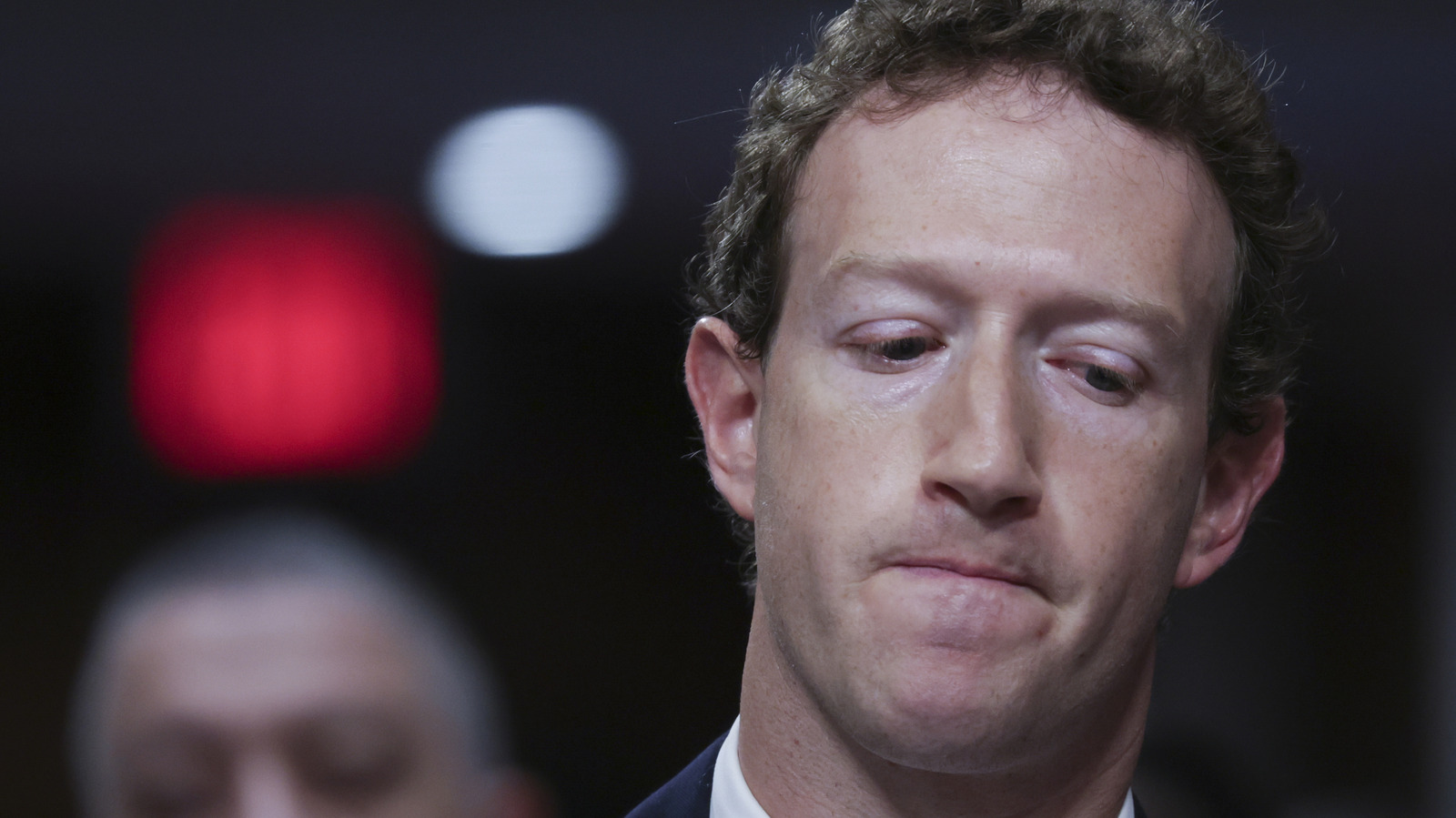
This language is carefully curated to shift the narrative from "corporate negligence" to "proactive safety." Meta’s recent rollout of "Teen Accounts" on Instagram—which default to private settings and limit messaging—is a direct response to the legislative and legal pressure brought by these very lawsuits. By settling, Meta attempts to frame itself as a company that listens to stakeholders rather than one that is forced to change by the courts.
The Plaintiffs’ Perspective
Lawyers representing the Kentucky school district were quick to emphasize that this settlement does not mark the end of their efforts. In a statement, they noted, "Our focus remains on pursuing justice for the remaining 1,200 school districts who have filed cases."
The strategy of the plaintiffs is to use these early settlements to build a war chest and consolidate evidence, creating a "domino effect" that makes it increasingly expensive and difficult for Meta to continue fighting on a case-by-case basis.
Implications: The End of the "Wild West" Era?
The resolution of this case carries profound implications for the tech industry at large.
1. Legal Precedent and the "Public Nuisance" Doctrine
The success of the school districts in forcing settlements validates the "public nuisance" legal theory. If this approach continues to hold up in court, it creates a template for other institutions—such as hospitals and local governments—to sue tech companies for the societal costs of their products.
2. Algorithmic Accountability
The discovery process in these cases has already forced tech companies to reveal details about their recommendation algorithms. Future regulations will likely focus on "algorithmic transparency," where platforms may be legally required to prove that their systems are not designed to exploit the vulnerabilities of younger users.
3. Shift in Corporate Liability
For decades, Section 230 of the Communications Decency Act was viewed as an impenetrable shield for social media companies. However, these lawsuits target the design of the platforms rather than the content posted by users. By sidestepping Section 230, the school districts have found a loophole that could permanently alter the legal landscape of Silicon Valley.
4. The Financial Burden of Litigation
While Meta is a trillion-dollar entity capable of absorbing massive legal fees, the cumulative cost of settling 1,200 cases could reach into the billions. This creates a financial imperative for Meta to shift its business model toward safer, less addictive, or more age-gated experiences—even if those changes potentially lower daily active user (DAU) metrics or total time spent on the app.
Conclusion
The settlement between Meta and the Kentucky school district is a bellwether for the tech industry. It underscores a fundamental shift in the social contract between technology providers and the public. As the legal battles continue across the country, Meta and its peers are finding that the era of unfettered, platform-driven growth is rapidly coming to an end. Whether through court-ordered fines or proactive policy changes, the message from educators, parents, and the legal system is clear: the digital environment in which the next generation is being raised must be fundamentally redesigned to prioritize health over engagement. For now, the legal front remains active, and the 1,200 remaining districts are poised to keep the pressure on until the systemic changes they seek are fully realized.



 Nana Wu