

By Ollie Ring, Senior Editor
Last Updated: May 12, 2026
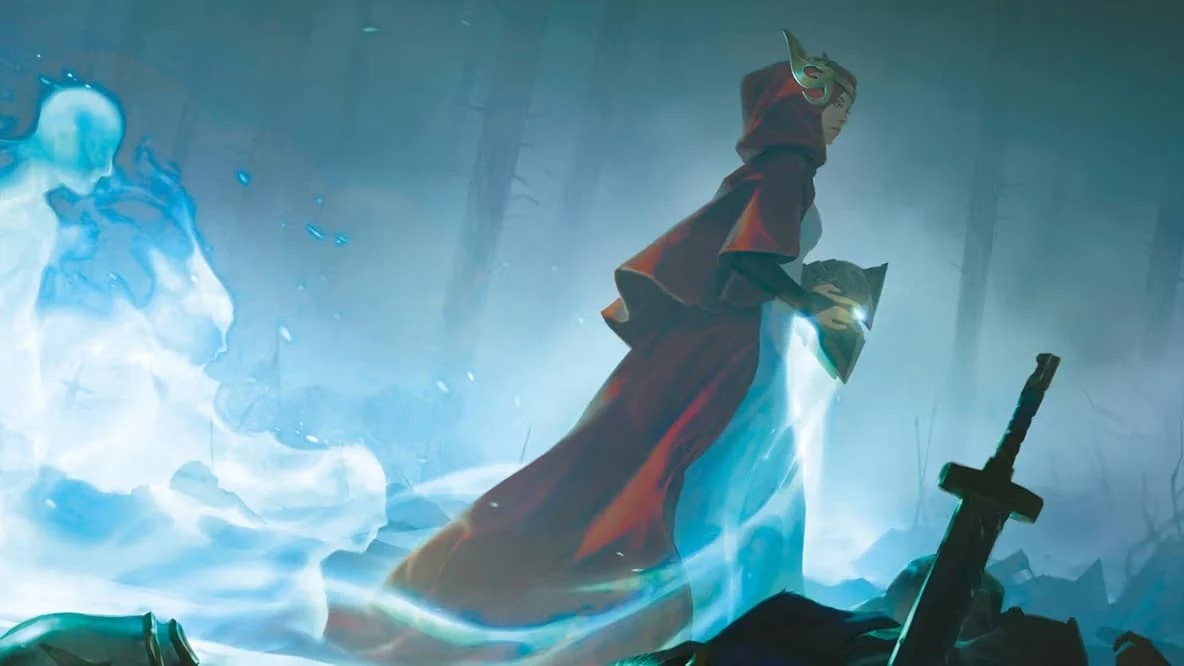
Riot Games has officially announced a series of strategic refinements to the upcoming Riftbound: League of Legends TCG merchandise store drawing. In an effort to address ongoing community concerns regarding product accessibility, fairness, and the pervasive issue of bot-driven scalping, the developer has introduced significant revisions to eligibility criteria and provided long-awaited flexibility for selected participants.
These changes, which arrive just ahead of the second Unleashed merch store event, represent a shift toward a more consumer-friendly model. By narrowing the scope of the "Catch-Up" pool and allowing users to modify their pre-filled shopping carts, Riot is attempting to stabilize a collector’s market that has been under immense supply pressure since the game’s initial release on October 31, 2025.
The Chronology: Key Dates for the May Drawing
For collectors eager to secure product, the timeline for the second Unleashed merch store event is critical. The drawing process is structured to ensure a controlled release, moving away from the chaotic, first-come, first-served models that plagued earlier set launches.
- Registration Opens: Monday, May 18, at 9 AM PT.
- Registration Closes: Wednesday, May 20, at 9 AM PT.
- Selection Emails: Expected to commence on Tuesday, May 26.
- Fulfillment Window: Planned for early to mid-June.
This event features a broad range of products, including Booster Displays from the Origins, Spiritforged, and Unleashed sets, as well as the highly sought-after Proving Grounds Box Sets. Because these items have seen massive demand, Riot has implemented strict security measures, including advanced bot-detection, to ensure that genuine players—not automated scripts—have the best possible chance to purchase their desired goods.
Refining the "Catch-Up" Pool: A More Forgiving Approach
The most substantial change to the current system concerns the "Catch-Up Pool," a specialized allocation mechanism designed to assist players who have consistently missed out on booster display drawings in the past.
A Narrowed Scope for Eligibility
Previously, the criteria for the Catch-Up pool were somewhat blunt, requiring that players had participated in the Spiritforged, Lunar Revel Bundle, and the first Unleashed drawings without securing a single success. This created a "punitive" environment for collectors who may have successfully purchased smaller items—such as individual Champion Decks or specific bundles—but still failed to acquire the core booster displays required for competitive play.
Following extensive community feedback, Riot has opted to refine these requirements. Moving forward, eligibility for the Catch-Up pool will be evaluated solely on entries for Spiritforged and Unleashed Booster Displays.
The practical implication: A player who purchased the Vi Champion Deck or the Lunar Revel Bundle is no longer disqualified from the Catch-Up pool for missing out on a booster box. This change recognizes that collectors who invest in lower-tier items should not be penalized when trying to fill the gaps in their collection regarding higher-value display products.
Enhanced Quality-of-Life: The "Modify-Your-Cart" Feature
Perhaps the most celebrated update in this announcement is the introduction of cart flexibility. Under the previous iteration of the drawing system, players selected for multiple products were forced to purchase the entire contents of their assigned cart. Failure to do so meant forfeiting the purchase entirely, which often left players paying for items they may have already owned or did not desire.
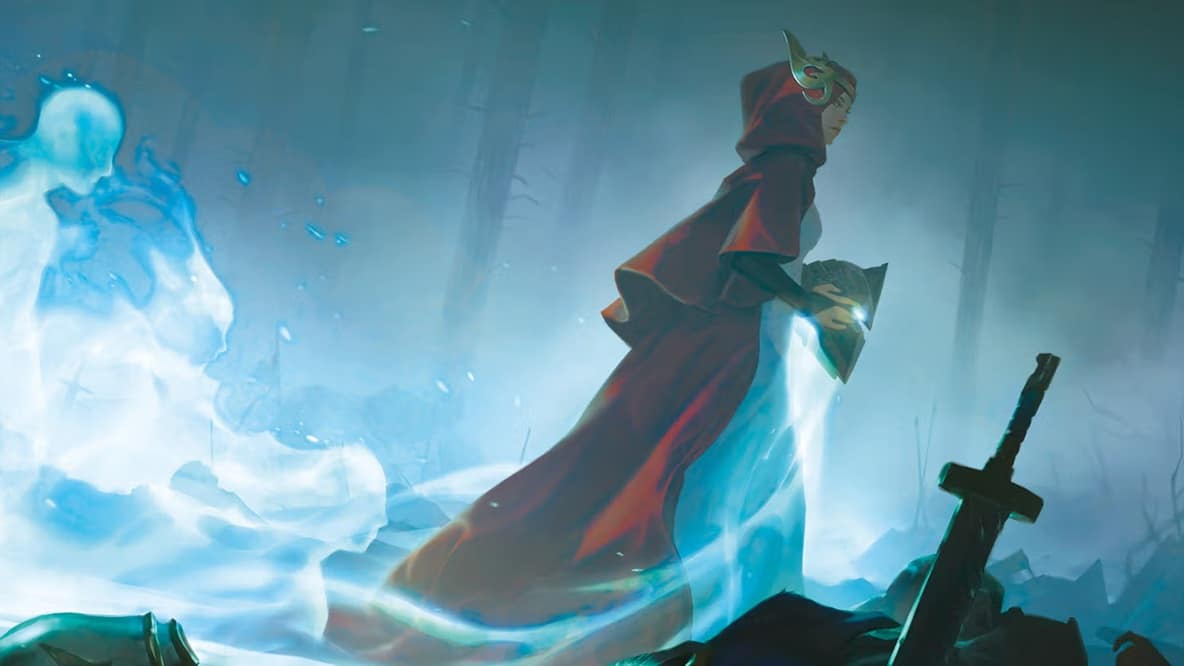
Riot has now pivoted to a more modular approach. If a player is selected for multiple items—for example, a Proving Grounds set and an Unleashed Booster Display—they now have the agency to remove the Proving Grounds set and proceed to checkout with only the items they truly need.
The Caveat of Finality
While this provides much-needed freedom, Riot has issued a stern warning: the removal of an item is final. Once an item is removed from the pre-filled cart, it is instantly released back into the product pool for other participants in the drawing. The company has explicitly stated that Player Support will not be able to restore an item once it has been removed, even if the player changes their mind. This measure is likely in place to prevent database manipulation and ensure that the inventory remains fluid and available to the wider community.
The Strategic Importance of Unleashed
The May drawing occurs at a pivotal moment in the Riftbound lifecycle. The English-language release of Unleashed—the third major expansion for the TCG—officially launched on May 8. With the Summoner Skirmish events scheduled for May 25 and June 22, the need for consistent card access is at an all-time high.
Collectors are particularly focused on Unleashed due to the introduction of the game’s first "Ultimate Rare" card. According to Riot’s official documentation, a special Baron Nashor card is seeded at a rarity of less than 0.1% of packs. This scarcity has naturally driven secondary market prices to extreme heights, making the official merch store drawing the only viable way for most players to acquire product at MSRP.
A Broader Commitment to Supply Chain Health
Riot Games’ move toward a lottery-based system is not just a temporary fix; it is a long-term commitment to stabilizing the Riftbound economy. The company has confirmed that they are actively working to increase the physical supply of early sets.
In April, Riot announced that reprints of Origins and Proving Grounds were moving through the supply chain. Further shipments of Origins boosters are expected to hit the store following the Unleashed launch, with larger inventory batches scheduled for later in May. The company’s stated goal is to continue printing these early sets until supply reaches a "healthier level" where the pressure on the secondary market subsides.
Essential Guidelines for Prospective Entrants
For those planning to participate in the upcoming drawing, adherence to the rules is paramount. Riot’s enforcement of its Terms of Service regarding store activity remains strict.
- One Entry per Riot ID: Participants are allowed exactly one entry per valid Riot ID.
- Account Standing: Participants must have an account in good standing.
- Zero Tolerance for Bots: The use of scripts, bots, or multiple accounts is strictly prohibited. Riot has signaled that new security features are active for this cycle, and offenders face permanent bans from both the game and the merch store.
- The 24-Hour Window: Selection notifications will include a unique, non-transferable link. This link expires 24 hours after the email is sent. If the transaction is not completed within this timeframe, the items are forfeited and potentially offered to other participants.
Implications: The Scalper Dilemma
The ongoing struggle between Riot Games and scalpers serves as a microcosm of the current state of collectible gaming. From Steam Controllers to pop-culture collectibles like Pokémon-themed food items, opportunistic resellers have frequently disrupted the ability of legitimate fans to engage with their hobbies at fair prices.
By implementing a, secure, and increasingly flexible drawing system, Riot is attempting to reclaim the Riftbound experience from those who view cards only as assets for arbitrage. While no system is perfect, the move to a "catch-up" system that doesn’t punish the average collector, combined with the ability to curate one’s own checkout cart, suggests that Riot is listening to the community.
As Riftbound moves toward its one-year anniversary, the success of these measures will be judged not by the volume of cards sold, but by the ability of the average player to walk into a Summoner Skirmish event with a deck they obtained without having to pay a premium to a reseller. The May 18th window serves as the next litmus test for this evolving, and hopefully more accessible, distribution model.











No comments yet. Be the first to join the conversation!