

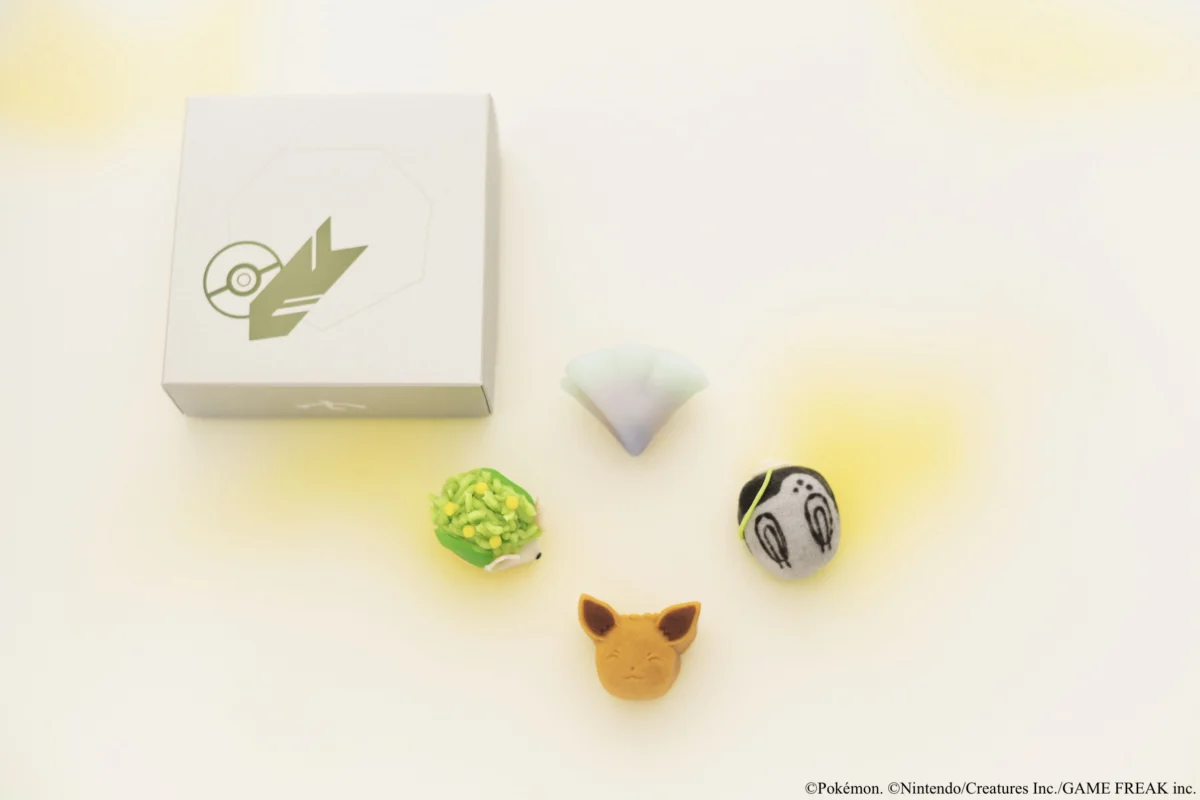
In the heart of Kyoto, where the echoes of history resonate through the wooden machiya houses and the scent of incense drifts from ancient temples, a modern-day cultural collision is taking place. For 161 years, the confectionery house Shichijo Kanshundo has been a sentinel of traditional Japanese sweets, perfecting the art of wagashi for the refined palates of Kyoto’s elite and pilgrims alike. Yet, in a bold move that bridges the gap between centuries-old craftsmanship and global digital phenomena, the shop has unveiled its latest collection: a quartet of Pokémon-themed kyo-gashi that challenges the boundaries of traditional culinary art.
The Convergence of Eras: Tradition Meets Pop Culture
Pokémon, a franchise that has transcended its origins as a Game Boy software title to become a global cultural juggernaut, is no stranger to collaboration. From high-fashion runways in Paris to street-level convenience store promotions in Tokyo, the pocket monsters are ubiquitous. However, the partnership with Shichijo Kanshundo represents a more sophisticated tier of branding.
Unlike mass-produced merchandise, these sweets are jonamagashi—the highest grade of fresh, hand-sculpted wagashi. Historically reserved for the solemnity of the tea ceremony, these delicacies are meant to reflect the fleeting beauty of the changing seasons or the nuanced imagery of classical Japanese poetry. By incorporating the likenesses of Pokémon into this medium, Shichijo Kanshundo is not merely creating a "character treat"; they are elevating the Pokémon aesthetic to the level of fine art.
A Chronology of Collaboration
The journey to this recent expansion began several years ago when Shichijo Kanshundo first experimented with blending pop culture icons into their product line. The reception was overwhelmingly positive, proving that even the most traditional consumers were open to—and enthusiastic about—seeing their cultural heritage interpreted through a contemporary lens.
- Initial Concept Phase: Recognizing the demographic shift in interest toward traditional sweets, the master artisans at Shichijo Kanshundo began prototyping designs that honored the spirit of Pokémon while maintaining the integrity of traditional wagashi techniques.
- The First Wave: The success of the initial limited-edition runs solidified the viability of the project, encouraging the shop to dedicate more resources to the development of complex character molds.
- May 11 Expansion: The latest chapter in this story launched on May 11, introducing two new additions to the collection—Eevee and Poltchageist—joining Shaymin and Oricorio to form a cohesive, four-piece ensemble that explores different textures and preparation methods.
- June 7 Milestone: The shop has designated the seventh of every month as a "special sales event" for these items, turning a simple purchase into a monthly pilgrimage for collectors and food enthusiasts visiting the historic Higashiyama district.
Technical Artistry: Behind the Scenes of the Sweets
To understand the significance of these creations, one must understand the labor involved. These are not merely flavored candies; they are structural feats of food science and artistic intuition.
The Four Pillars of the Collection
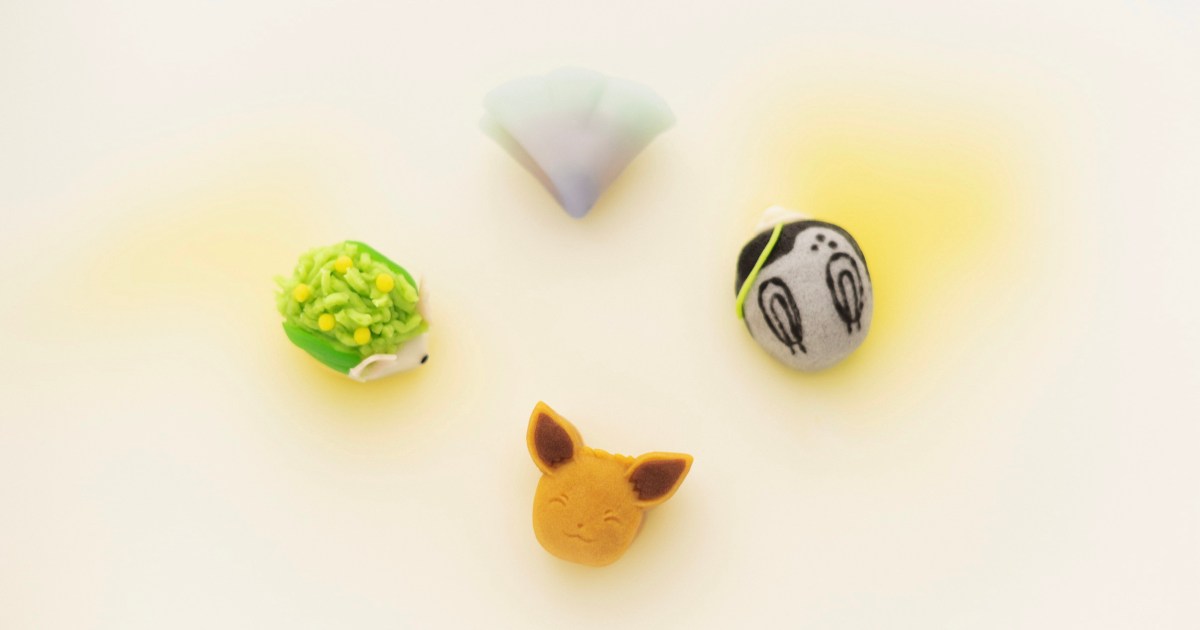
- Eevee (Nerikiri): Perhaps the most iconic addition, the Eevee sweet utilizes nerikiri, a pliable dough composed of white bean paste, starch syrup, and gyuhi (a soft, elastic rice flour). The artisan must sculpt the features by hand, ensuring that the texture remains velvety and smooth—a task requiring years of apprenticeship to master.
- Poltchageist (Joyo Manju): To capture the ethereal nature of this ghost-type Pokémon, the shop utilizes joyo manju. This is a light, airy steamed bun crafted from yam, sugar, and joyo-ko (fine rice flour). The steaming process is precise; even a few seconds of over-steaming could ruin the delicate exterior.
- Shaymin (Kinton): Shaymin is represented as a kinton, a complex style of wagashi where white bean paste is pushed through a sieve to create a "soboro" (crumb-like) texture. These crumbs are then delicately applied to a core of dense bean paste, mimicking the lush, grassy appearance of the Pokémon.
- Oricorio (Uiro): To replicate the vibrant, structured appearance of Oricorio, the artisans use uiro. This is a traditional sweet made by steaming a mixture of rice flour and sugar until it reaches a firm, chewy, and translucent consistency. The result is a treat that offers a distinct textural contrast to the softer nerikiri and manju.
Logistics and Supporting Data
For the consumer, acquiring these items requires a blend of dedication and planning. The cost of the four-piece set is 2,916 yen (approximately US$18). Due to the absence of artificial preservatives—a hallmark of Shichijo Kanshundo’s commitment to quality—the sweets have an extremely limited shelf life, making them an ephemeral experience that must be savored immediately.
The distribution strategy is twofold:
- The In-Store Experience: Available exclusively on the seventh of every month, visitors to the shop near Sanjusangendo Temple can experience the atmosphere of old-world Kyoto while picking up their order.
- The Online Digital Bridge: For those unable to visit the Higashiyama district, the shop offers an online store. These sets are delivered frozen. While this deviates from the "fresh" experience, it allows for a 14-day consumption window, effectively turning the sweets into a long-term indulgence for those who wish to pace themselves.
Official Responses and Cultural Impact
The collaboration has been met with quiet respect from the Japanese confectionery industry. While purists might initially balk at the idea of "gaming" motifs in a tea room, the craftsmanship displayed by Shichijo Kanshundo serves as a defense of the medium. By proving that wagashi can evolve to remain relevant to younger generations, the shop is essentially ensuring the survival of the craft.
"It is about the intersection of memory," says a spokesperson for the project. "When a child who loves Pokémon eats a piece of high-quality wagashi, they are being introduced to the flavor profile of Kyoto history. When an elder sees a Pokémon they recognize from their grandchildren’s toys, the distance between generations narrows."
Implications: The Future of Traditional Artisanship
The success of this collaboration suggests a broader trend in Japanese luxury and craft markets. As traditional industries face the challenges of an aging population and a shrinking domestic market, partnerships with global intellectual properties (IP) like Pokémon offer a lifeline.
However, this is not just about sales; it is about cultural preservation. By embedding Pokémon into the fabric of kyo-gashi, these companies are creating "gateway experiences." A tourist visiting Kyoto for the sake of a "Pokémon sweet" may find themselves wandering into Sanjusangendo, learning about the Edo period, and gaining an appreciation for the meticulous work of the craftsmen.
As we look toward the future, the integration of digital media into traditional physical crafts seems inevitable. Shichijo Kanshundo has demonstrated that there is a path forward for heritage brands—one that does not require abandoning their identity, but rather, one that requires a willingness to invite new stories into their centuries-old workshops.
For the collector, the student of culture, or the casual fan, these sweets represent more than a snack. They are a tangible representation of Japan’s ability to constantly reinvent itself while remaining firmly rooted in the soil of its history. Whether enjoyed at a wooden table in Kyoto or from a frozen delivery at home, each bite offers a unique opportunity to taste the convergence of two distinct, yet equally beloved, worlds.












No comments yet. Be the first to join the conversation!