

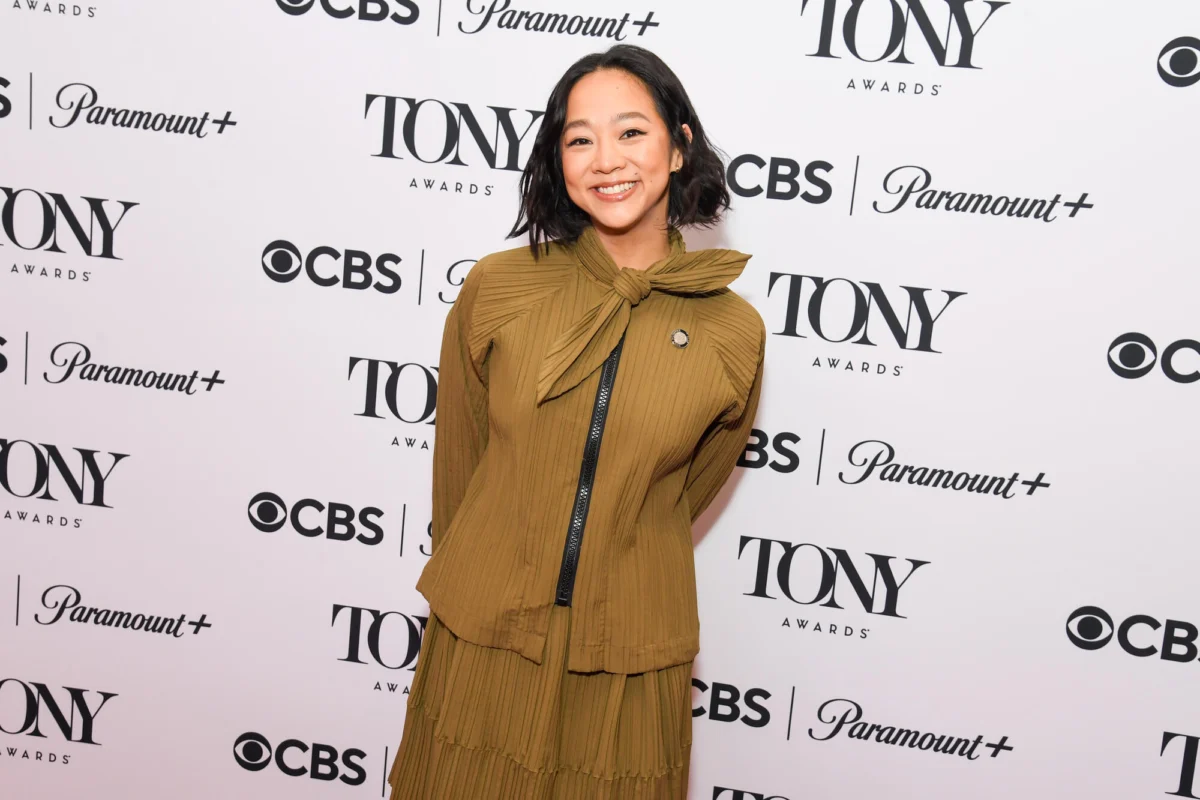
In the high-stakes, high-pressure environment of Broadway’s awards season, there is a singular, fleeting sanctuary. For a few hours on May 14, 2026, the relentless machinery of campaigning, press junkets, and tactical strategizing ground to a halt. At the Sofitel New York, the annual Tony Awards Nominees Luncheon offered the industry’s brightest stars, visionary directors, and unsung craftspeople a rare opportunity to occupy the same space without the looming shadow of an envelope.
There were no winners declared, no acceptance speeches delivered, and no competitive tension. Instead, the room was filled with the sounds of genuine reconnection, candid professional confessions, and the mutual admiration of artists who have spent the last year pushing the boundaries of live performance. As the 79th Tony Awards approach, this gathering served as a poignant reminder that behind the glitz of the telecast lies a tight-knit community bound by the sheer exhaustion and exhilaration of bringing stories to life.
The Promise of a Grand Celebration
As the event kicked off, executive producers Sarah Levine Hall and Jack Sussman set the tone for the upcoming ceremony. They teased a production that seeks to honor the immense breadth of the 2026 Broadway season, promising viewers a telecast that avoids the formulaic in favor of genuine surprise.
With Grammy-winning global superstar Pink confirmed as the host for the 79th Tony Awards, the producers are leaning into a high-energy, contemporary vibe. "We’re putting together a big show that encapsulates everything that has happened on Broadway this year," Sussman remarked. "It is about the pulse of the city and the spirit of the theater."

Levine Hall echoed these sentiments, emphasizing that the ceremony’s primary goal is to ensure the nominees feel truly celebrated. The producers hinted at major appearances from high-profile presenters—names they were careful to keep under wraps—suggesting that the June 7 broadcast will be one of the most star-studded events in recent history. For the theater community, the message was clear: after a season defined by artistic risk-taking, the awards show will be a victory lap.
A Chronology of Camaraderie: From Morning Tears to Afternoon Laughter
The day was marked by a series of emotional beats that reflected the personal stakes of the industry. The morning began with the vulnerable reflections of first-time nominees, many of whom are still reconciling with the rapid shifts in their professional trajectories.
Ben Levi Ross, the breakout star of the Ragtime revival, offered perhaps the most intimate window into the life of a nominee. At 28, having never originated a Broadway role before this season, Ross described the morning of the nominations as a spiritual experience. "I was in my apartment, completely alone, and I decided to light incense and just watch the stream," he recounted. "When I heard my name, my mother was the first to call. We just wept on the phone for ten minutes. It wasn’t about the status; it was about the validation of the work."
By midday, the energy shifted toward collective morale. Christiani Pitts, the star of Two Strangers (Carry a Cake Across New York), emerged as the event’s de facto "cheerleader." Throughout the afternoon, she was seen moving from table to table, not just networking, but genuinely celebrating others. When she spotted Nicholas Christopher, a nominee for Chess, she shouted congratulations across the lobby, rushing over to embrace him. Her presence underscored a theme prevalent throughout the day: that while Broadway is a competitive business, the artists themselves function more like a family.

The "Ragtime" Roast: Sibling Dynamics in the Spotlight
If there was a comedic highlight of the day, it belonged to the cast of Ragtime. The company, which boasts five Tony-nominated performances this year, treated the luncheon like a family reunion, complete with the kind of playful, biting humor that only comes from deep, shared history.
Tony winner Brandon Uranowitz spearheaded a running bit, deadpanning to the press that his co-star, Joshua Henry, "cannot sing" and is "not a nice person." The joke, of course, was rooted in the exact opposite of the truth—the two are known for their mutual, deep-seated respect. Caissie Levy, a performer widely revered as one of the industry’s most gracious figures, jumped in with equal enthusiasm, poking fun at Henry’s "lack of talent."
Henry, ever the professional with a disarming smile, deflected the jabs by constantly pivoting the conversation back to the collective ensemble. The chemistry was palpable, serving as a masterclass in how a production can sustain its momentum long after the lights go down on opening night. It was a refreshing departure from the polished, scripted answers usually found at such events.
Artistic Vision and the Future of the Theater
In a series of informal interviews with Variety, nominees were asked a hypothetical question designed to cut through the noise of commerce: "If money, power, and profitability were completely irrelevant, what would you put on Broadway tomorrow?"

The responses were telling, acting as an unintentional personality test that revealed the values driving these artists. Stephanie Hsu, nominated for The Rocky Horror Show, offered a vision for radical accessibility. "Every public school student in New York City should be able to see a Broadway show," she argued. "If there is an empty seat, a young person should just be there. That should be the baseline."
Brandon Uranowitz, meanwhile, envisioned a structural overhaul. His dream was to develop a new theater district near Lincoln Center, effectively creating a dedicated home for rotating Stephen Sondheim revivals. "I want to see West Side Story in one house and Follies in another, and just keep them running," he said. His answer reflected a desire for institutional permanence and a reverence for the titans of the craft.
The Honest Truth: The Cost of the Spotlight
Not every moment was filled with unadulterated joy. Carrie Coon, nominated for her role in Bug, provided the day’s most grounding and necessary perspective. When asked if she felt she was at a professional "high point," her response was bracingly blunt. "I mostly just feel tired," she admitted.
Coon refused to participate in the typical romanticization of the awards-season whirlwind. She spoke at length about the grueling reality of 18-hour days, the challenge of balancing professional obligations with parenting, and the "invisible labor" that often goes unacknowledged. She made a point to credit her husband, Tracy Letts, for his partnership in managing their home life and highlighted the critical, often-overlooked need for universal childcare in the United States.

"We all need childcare to be able to do the thing we love," she stated. "It’s not just about the art; it’s about the infrastructure that allows us to show up." Her willingness to speak about the political and logistical realities of the industry added a necessary layer of gravity to the event.
Supporting Data and the Human Connection
The event concluded on a note of legacy. In a surprise interaction, Kenan Thompson, the Saturday Night Live veteran, spotted his former teacher, Freddie Hendricks, who is this year’s recipient of the Excellence in Education honor. Thompson’s spontaneous tribute to his mentor served as a reminder that the path to Broadway is long and rarely traveled alone.
The 79th Tony Awards season, as seen through this lens, is not merely a contest of merit. It is a complex ecosystem of teachers, parents, spouses, and peers. The data—the number of nominations, the box office grosses, the critical acclaim—often obscures the human element. The luncheon succeeded in peeling back that layer.
Implications for the Industry
As the industry moves toward the June 7 ceremony, the mood is one of cautious optimism. The 79th Tony Awards represent a pivotal moment for a post-pandemic Broadway that is still finding its equilibrium. The producers’ focus on celebrating the "full season" suggests a shift away from the blockbuster-only mentality of the past.

The conversations had at the Sofitel—about accessibility, the need for sustainable working conditions, and the importance of mentorship—suggest that the next generation of Broadway leadership is interested in more than just profitability. They are interested in equity, longevity, and the preservation of the craft.
The 79th Tony Awards will broadcast live coast-to-coast on June 7, 2026, at 8 p.m. ET on CBS and will stream concurrently on Paramount+. While the golden statues will ultimately go to a select few, the spirit of the day was clear: the Broadway community is as resilient, interconnected, and human as the stories it puts on stage.











No comments yet. Be the first to join the conversation!