

By Grace Schmidt | May 21, 2026
The landscape of modern publishing is undergoing a seismic shift, one driven not by traditional literary agents scouting coffee shops in Manhattan, but by the relentless, creative pulse of the internet’s most devoted subcultures. At the center of this transformation lies All The Young Dudes (ATYD), a 526,969-word behemoth of Harry Potter fanfiction that has transcended its origins on Archive of Our Own (AO3) to become a multi-million-dollar publishing sensation.
Following a high-stakes auction at the 2026 London Book Fair, Penguin Michael Joseph (PMJ) has secured the rights to Wolfboy, a reimagined trilogy by the elusive author known in the digital sphere as MsKingBean89. This acquisition, rumored to be a seven-figure deal, marks a watershed moment in the relationship between intellectual property, fan creativity, and the commercial book market.
The Genesis of a Digital Epic
To understand the gravity of the Wolfboy deal, one must first recognize the sheer scale of the Harry Potter fanfiction ecosystem. With over 600,000 stories hosted on AO3, nearly 200,000 on Wattpad, and a sprawling community under the #HarryPotterFanfic hashtag on TikTok, the Wizarding World has effectively been "crowdsourced" for over two decades.
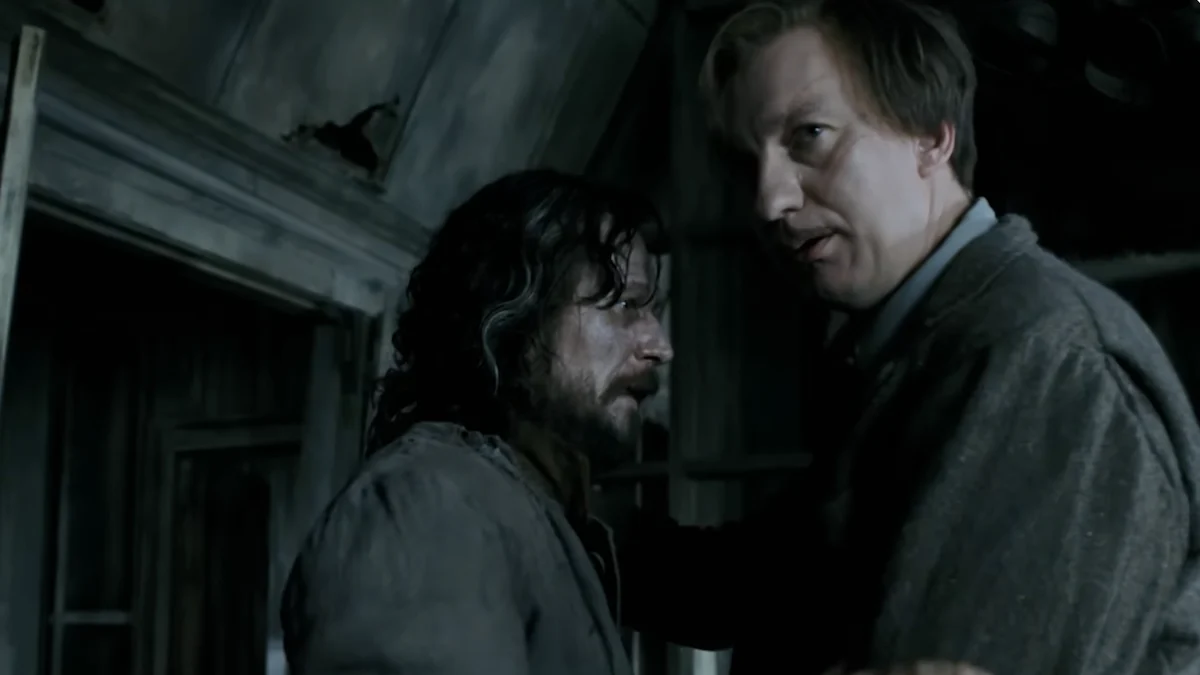
All The Young Dudes was first published to AO3 in March 2017. Over the course of 188 chapters, the story chronicled the lives of "The Marauders"—the legendary Hogwarts friend group consisting of James Potter, Sirius Black, Remus Lupin, and Peter Pettigrew. Unlike the original novels, which focused on the struggle against Lord Voldemort, ATYD served as an intimate, decade-spanning character study. It explored themes of poverty, the stigma of being a werewolf, and the blossoming queer romance between Sirius and Remus.
By the time the final chapter was uploaded in November 2018, the work had garnered over 19 million hits. It was no longer just a "fanfic"; for a new generation of readers, it had become the definitive version of the Marauders’ era—a prequel that many fans argue carries more emotional weight than the official canon.
Chronology: A Decade of Fandom Evolution
- 2017–2018: All The Young Dudes is published serially on AO3, quickly amassing a cult following for its gritty, grounded portrayal of 1970s wizarding life.
- 2020–2021: The rise of #DracoTok on TikTok and the subsequent "shifting" trend introduce millions of Gen Z readers to the Harry Potter universe, many of whom engage with the series exclusively through the lens of fan-curated narratives.
- 2023–2025: A growing rift between portions of the fanbase and original author J.K. Rowling leads to a conscious effort by younger fans to decouple the franchise from its creator. Fanfiction becomes a vehicle for "reclaiming" the Wizarding World.
- March 2026: The London Book Fair becomes the site of a fierce bidding war for Wolfboy, the "filed-off-the-serial-numbers" adaptation of the ATYD story, now set at the fictional Hatherlea Experimental School.
- May 2026: Penguin Michael Joseph announces the acquisition of the trilogy, set to be penned by "BN King," a pseudonym widely believed to be MsKingBean89.
Supporting Data: The Commercial Pivot
The decision by major publishing houses to pivot toward fan-favorite authors is not entirely unprecedented, but the scale of the Wolfboy deal is indicative of a broader trend. Recent titles like Alchemised, Rose in Chains, and The Irresistible Urge to Fall for Your Enemy—all products of the "Hermione Granger and Draco Malfoy" trope-heavy subgenre—have proven that there is a massive, pre-existing audience hungry for these specific character archetypes.
However, the Wolfboy deal represents a departure from simple "rebranding." By creating a trilogy centered on a young werewolf and a telepath-in-training at a specialized school, the author is effectively performing a "copyright purge." This process, popularized by the transformation of Twilight fanfiction into the 50 Shades of Grey franchise, allows the story to exist as a standalone intellectual property. It satisfies the fan desire for a familiar dynamic while circumventing the legal minefield of the Harry Potter trademark.
The Cultural Implications: Who Owns the Story?
The success of All The Young Dudes is inextricably linked to the ideological divide within the Harry Potter fandom. As J.K. Rowling’s public statements regarding the transgender community have drawn condemnation, many fans have sought to "separate the art from the artist." For these readers, ATYD is not just an adaptation; it is a protest.
This has led to a fascinating, albeit contentious, phenomenon: "Canon vs. Fanon." Newer fans often express that their version of the story—one that is more inclusive and less tethered to the original author’s world-building—is their "true" canon. This shift has occasionally frustrated legacy fans who view these interpretations as mere side-stories. Yet, the sheer volume of engagement—evidenced by the fan-led "film casting" movements, where actors like Ben Barnes and Andrew Garfield are routinely "cast" by the internet for hypothetical movie adaptations—suggests that the power dynamics of the franchise have permanently shifted.
Furthermore, the obsession with the author’s identity has reached near-mythic levels. The persistent theory that MsKingBean89 is actually Taylor Swift—based on the "89" in the username and thematic parallels to the song "Cardigan"—highlights the way modern fandoms blend literary analysis with internet sleuthing. Even if the theory is a tongue-in-cheek joke, it speaks to the high level of intellectual labor fans invest in these stories.
Official Responses and Legal Realities
Copyright law remains the final, immovable object in this scenario. The precedent set in 2008, when Rowling successfully sued to prevent the publication of an unauthorized Harry Potter encyclopedia, remains a stark reminder of the limitations of fan-created content. Authors have a legal and moral right to control the commercial exploitation of their creations, and publishers like PMJ are walking a fine line.
The transition to Wolfboy is a strategic maneuver to neutralize these legal risks. By stripping away the names, settings, and specific magical lore of the Wizarding World, the publisher creates a clean slate. While the "soul" of the story remains intact—the bond between the two leads, the specific prose style, and the emotional arcs—the legal shell is entirely new. This is the new blueprint for the industry: identify the viral heart of a fan-favorite story, remove the copyrighted IP, and package it for a mass market that is already primed to buy it.
Conclusion: The Future of Fandom-to-Market
As we look toward the release of the Wolfboy trilogy, the implications for the publishing industry are clear. We are witnessing the maturation of the internet’s "creative commons." The barrier between a fan writing in their bedroom and a professional author securing a seven-figure deal is thinner than ever.
The story of All The Young Dudes is more than just a tale about a werewolf and his best friend; it is the story of how a generation of readers took a global brand, dismantled its pieces, and rebuilt them into something that felt uniquely their own. Whether Wolfboy can capture the same lightning in a bottle once the "Potter" label is removed remains to be seen. But one thing is certain: the fans are no longer just consuming the story—they are the ones writing it.










No comments yet. Be the first to join the conversation!