

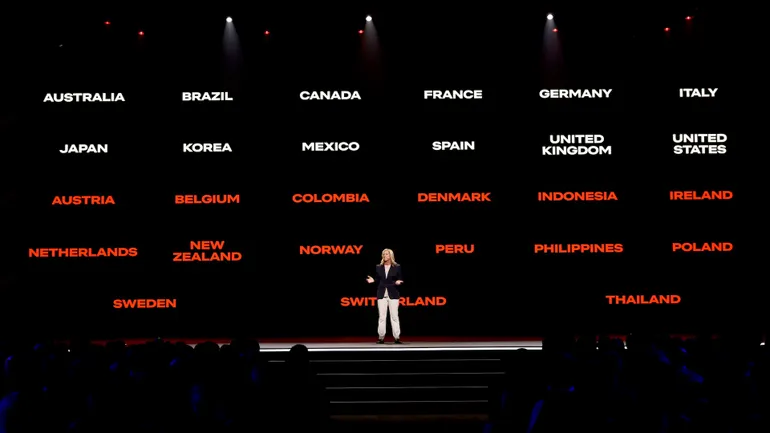
NEW YORK — The landscape of streaming advertising has shifted from a speculative experiment to a core pillar of the media economy, and at its recent upfront presentation in New York, Netflix firmly planted its flag as a formidable, long-term competitor to traditional broadcast television.
Executives took the stage on May 13 to articulate a vision that transcends simple commercial slots. By marrying its massive, engaged global audience with sophisticated artificial intelligence (AI) and programmatic infrastructure, Netflix is positioning itself as a "must-buy" for advertisers seeking both reach and high-impact brand outcomes. As the company transitions from a "durable player" to an "industry leader," the message to the marketing community was clear: Netflix is ready to compete for every dollar in the media budget.
The Strategic Shift: From Challenger to Formidable Force
The narrative at this year’s upfront was defined by a transition in corporate identity. For years, the streaming giant focused on proving the viability of its ad-supported tier. Today, that phase is complete.
"If the last couple of years were about proving we’re a durable player, this year is about establishing ourselves as a more formidable one," said Amy Reinhard, Netflix’s president of advertising. "We’ve proven we’re effective. We’re expanding ads to more places, and we’re ready to compete with anyone."
This ambition is backed by scale. Netflix now boasts 250 million monthly active viewers worldwide. Crucially, the company has observed that over 60% of new sign-ups are opting for the ad-supported tier, suggesting that consumer behavior is increasingly aligning with advertiser needs. Perhaps most enticing for brands is the "unique audience" proposition: 44% of Netflix’s ad-tier members do not consume traditional broadcast television, offering advertisers an entry point to a demographic that has otherwise "cut the cord" and moved beyond the reach of conventional media buying.
Chronology of Expansion: The Path Toward 2027
Netflix’s roadmap for the next three years is aggressive, prioritizing international footprint expansion and the diversification of ad inventory.
- Global Expansion (2027): Netflix plans to take its ad-supported model into 15 new markets, including Austria, Belgium, Colombia, Denmark, Indonesia, Ireland, Netherlands, New Zealand, Norway, Peru, the Philippines, Poland, Sweden, Switzerland, and Thailand. This move signals a push to monetize its global content library in regions where local streaming penetration is skyrocketing.
- Inventory Diversification: By 2027, the company will introduce new ad formats across podcasts and vertical video, providing creators and brands with more ways to integrate into the viewing experience.
- The Westminster Integration: In a display of unconventional marketing, the presentation featured the Westminster Kennel Club. Netflix will broadcast the iconic dog show starting in 2027, signaling a move toward live, tentpole event programming that creates concentrated windows of massive viewership.
- Tudum Partnerships: The company is expanding brand partnerships with Tudum, its official fan site, allowing for deeper engagement opportunities that extend beyond the screen and into the social media and digital editorial space.
The AI Engine: Marrying Art and Science
Netflix is leaning into the machine learning and AI tools it has utilized for years to refine its recommendation algorithms, now applying that same rigor to its advertising ecosystem.
The company is currently rolling out AI-powered creative matching, which helps align brand messaging with the specific context of the content being viewed. Companies like DoorDash, Target, and TurboTax have already tested these tools, with a full rollout across all ad-supported regions expected by the end of 2026.
Agentic AI and Predictive Optimization
The most cutting-edge development is the introduction of "AI agents"—automated systems designed to manage, optimize, and purchase ad inventory. These agents go beyond standard programmatic bidding; they are being designed to:
- Adapt Assets: Automatically reformat creative for different environments, such as vertical video or pause-screen ads.
- Optimize Frequency: Utilize dynamic caps based on individual viewing behavior to prevent ad fatigue while maintaining campaign reach.
- Personalized Ad Loads: Tailor the frequency and timing of breaks to ensure the viewer experience remains seamless, thereby increasing the likelihood of ad retention.
"AI is already making advertising with Netflix easier and more efficient," Reinhard noted. "We’re marrying art and science better than anyone else."
Streamlining the Ecosystem: The Netflix Ads Suite
The introduction of the "Netflix Ads Suite" represents a massive investment in the plumbing of ad-tech. During the presentation, Nicolle Pangis, vice president of advertising, emphasized that the current marketing environment is defined by high pressure on every dollar.
"I know the pressure on every dollar is higher than ever, and I also know that you’re looking for fewer, more strategic partners who provide high-quality environments at the scale you need to streamline your buys and drive better results," Pangis stated.
Data Infrastructure and Programmatic Growth
To support this, Netflix has rolled out several key APIs:
- Audience Insights API: Allows brands to analyze member characteristics and behavioral trends.
- Reach Curve API: Provides predictive modeling for campaign performance before budgets are committed.
- Clean Room Integration: Netflix has deepened its partnerships with Snowflake and Amazon Web Services, with InfoSum joining the roster by the end of this year. These "data clean rooms" allow advertisers to match their first-party data with Netflix’s viewership data without compromising user privacy.
Furthermore, the company is rapidly expanding its programmatic capabilities. By June 1, programmatic audience targeting will be enabled on Amazon DSP, with Yahoo DSP integration following shortly after. This allows marketers to buy Netflix inventory through their preferred demand-side platforms, removing friction and enabling cross-channel consistency.
Implications: Proving Outcomes in a Skeptical Market
The streaming industry is currently locked in a "battle over measurement," as brands grow weary of relying solely on impressions and clicks. Netflix is attempting to shift the conversation toward tangible business outcomes, presenting data that suggests their platform punches well above its weight class.
According to internal benchmarks, Netflix campaigns drive nearly double the industry norm for long-term brand building and perform 23% above benchmarks for purchase intent compared to other streamers.
Case Studies in Success:
- Dove’s "Bridgerton" Campaign: By integrating custom spots and consumer product alignment into the hit series, Dove reached over 1 billion impressions across seven markets, resulting in a 60% surge in new shoppers.
- Airbnb’s "Nobody Wants This" Integration: This partnership focused on the platform’s experiential offerings, resulting in a return on ad spend (ROAS) more than double the industry benchmark, while simultaneously driving a measurable uptick in actual bookings.
Conclusion: The Road Ahead
Netflix is no longer just a content library; it is a full-stack media platform. By combining the prestige of its original programming—evidenced by the appearances of stars like Florence Pugh and Millie Bobby Brown—with a high-tech, AI-driven backend, the company is attempting to redefine what an "upfront" means in the digital age.
The implications for the broader advertising market are significant. As Netflix continues to scale, it will inevitably cannibalize budgets that were once reserved exclusively for linear television. However, by providing the tools for measurement, programmatic agility, and creative optimization, Netflix is also lowering the barrier to entry for brands of all sizes.
For the advertiser, the takeaway is clear: the Netflix ecosystem is evolving from a novelty into a necessity. As the company prepares for its massive 2027 expansion, it is building a system designed to be as indispensable to the marketing department as it is to the entertainment-seeking viewer. Whether this will successfully disrupt the traditional broadcast model remains to be seen, but with the backing of proprietary AI and a global reach of 250 million, Netflix has placed itself in the driver’s seat of the future of television.











No comments yet. Be the first to join the conversation!