Dwi Wanna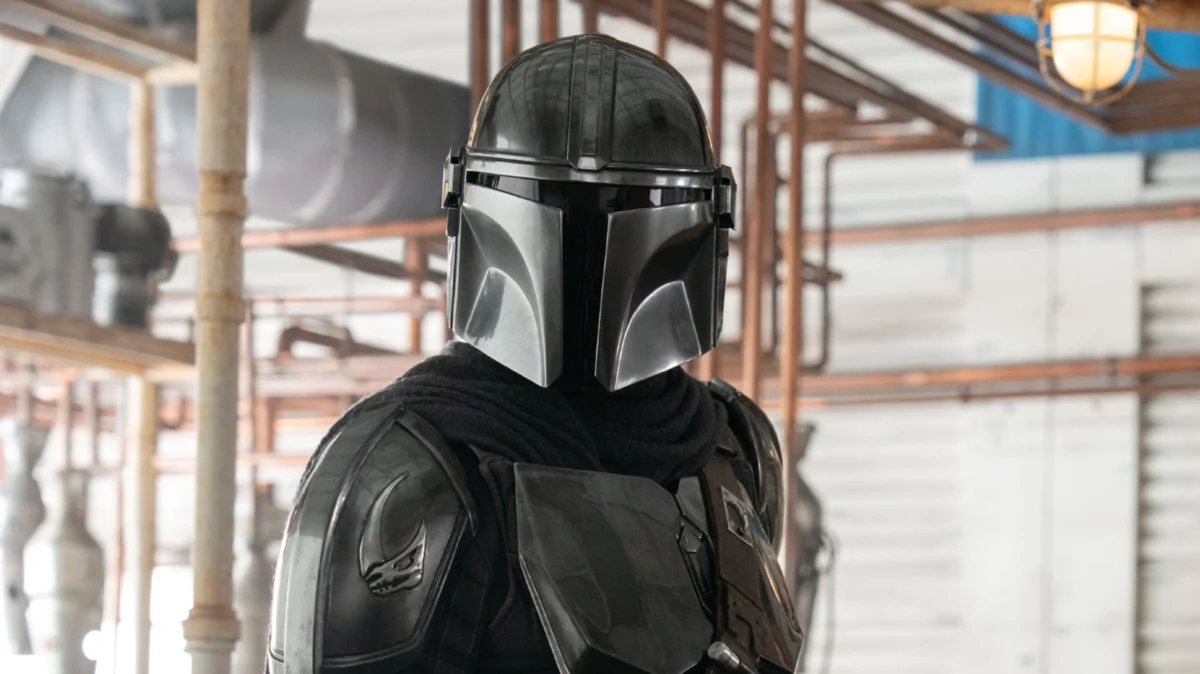
In the hyper-analytical landscape of modern film criticism, the discourse surrounding The Mandalorian and Grogu has been dominated by technical metrics: theatrical value, franchise meta-plotting, and the perceived "necessity" of the spin-off. However, while adults obsess over canon integration and the granular details of cinematic spectacle, a fundamental truth is being overlooked. A recent, deeply personal experience suggests that the true value of The Mandalorian and Grogu lies not in its contribution to a sprawling universe, but in its capacity to function as a bridge for the younger generation to navigate the complexities of life, loss, and morality.
The Core Conflict: A Departure from Franchise Fatigue
For many, the latest Star Wars entry is being weighed against the heavy mantle of the Skywalker Saga or the gritty, political realism of Andor. Critics have questioned whether this specific narrative arc warrants a cinematic release or if it is merely an extension of the streaming series. Yet, to measure this film strictly by its place in the franchise hierarchy is to miss the forest for the trees.
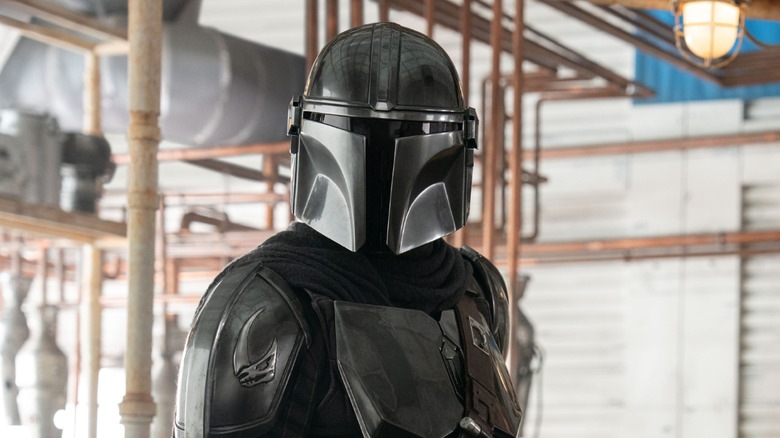
The film’s central narrative—Din Djarin (Pedro Pascal) being abducted, leaving Grogu to navigate a perilous world—serves as the primary catalyst for the emotional journey. While internet forums argue about whether the film’s "fan service" is balanced, the actual theater experience tells a different story. It is a story about the transition from dependency to independence, and the terrifying, beautiful realization that children must one day stand on their own.
Chronology of a Lesson: How the Narrative Unfolds
The film’s structure is deceptively simple, echoing the classic "hero’s journey" tropes that have defined Star Wars since 1977.
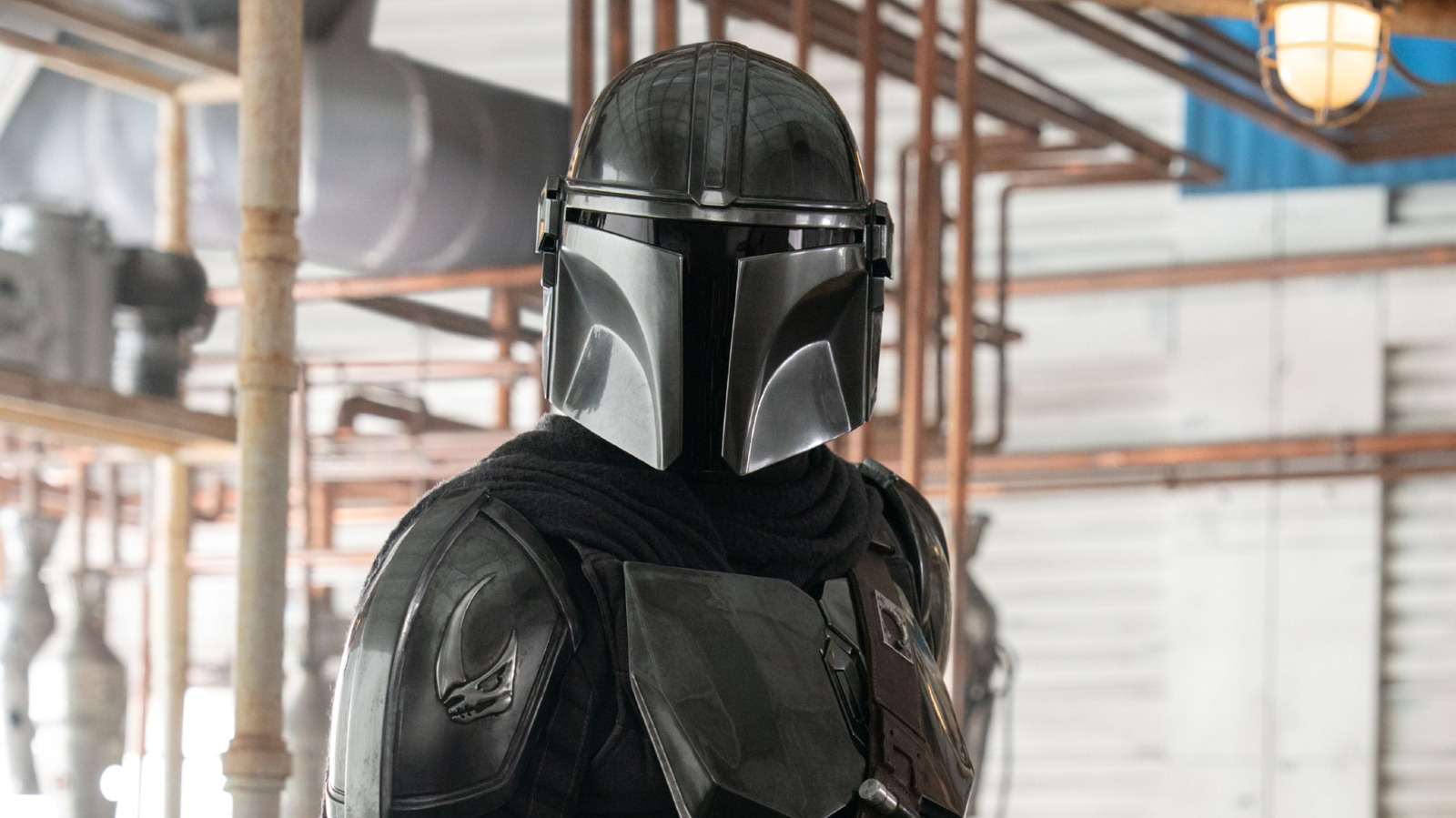
- The Disruption: The abduction of Din Djarin serves as the inciting incident, forcibly separating the mentor from the ward.
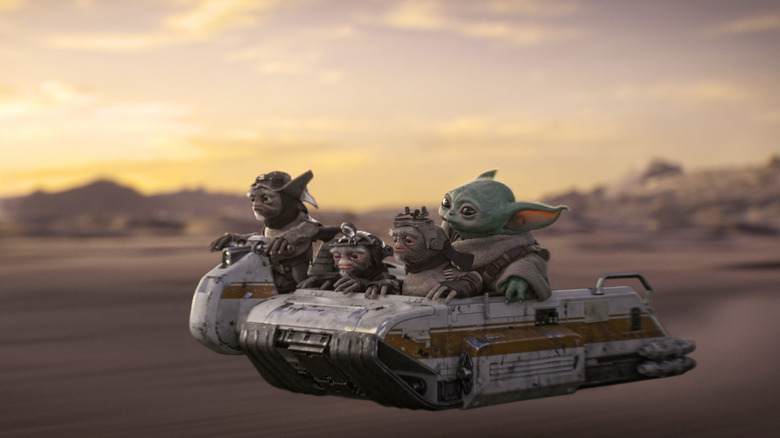
- The Isolation: Grogu is left to fend for himself among the diminutive Anzellans. This act of isolation is not merely a plot device; it is a profound existential shift for the character.
- The Quest for Agency: The journey to rescue Din becomes a mirror for the child viewer. For a young audience, this sequence translates as a high-stakes test of courage and loyalty.
- The Resolution: The eventual reunion, tempered by the knowledge that the cycle of protection—the old guarding the young, and the young eventually guarding the old—must continue, provides the emotional catharsis.
The Lucas Mandate: A Reminder of the Target Audience
To understand why this film matters, one must revisit the words of George Lucas. Speaking at the 2024 Cannes Film Festival, the creator of the franchise offered a poignant reminder: Star Wars was never designed exclusively for the nostalgia-hungry adult.
"They’re for kids who don’t know what they’re doing and are asking all the big questions: What should I be worried about? What’s important in life?" Lucas noted.
By this metric, The Mandalorian and Grogu is a triumph. It addresses the "big questions" with a clarity that resonates with pre-teens. During a post-screening conversation with a ten-year-old viewer, the focus was not on the film’s placement in the timeline, but on the terrifying reality of mortality. The film provided a safe space to discuss the fear of losing a parent and the realization that, eventually, the child becomes the protector. This is the "buried treasure" Lucas spoke of—a morality play hidden beneath the armor and the laser fire.
Supporting Data: The Power of Relatable Archetypes
The film succeeds by utilizing character archetypes that allow children to project their own experiences onto the screen. The friendship between Grogu and Rotta the Hutt serves as a crucial emotional anchor.
By analyzing the lifecycles of their respective species, younger viewers can contextualize these characters as peers. When Rotta struggles with the shadow of his father, the infamous Jabba the Hutt, he becomes a surrogate for any child struggling with external expectations or the weight of a family legacy.
"I’d feel so bad if my dad were as bad as Jabba," the young viewer noted. "I’d just want to be his friend, so he knew he wasn’t alone." This is not the reaction of a cynic looking for plot holes; it is the reaction of an empathetic viewer engaging with a fundamental theme of goodness in the face of inherited darkness.
Official Responses and Industry Context
While Lucasfilm has remained focused on the production of the film, the wider industry reception highlights a growing divide. Many trade publications have focused on box office projections and the integration of the "Mandoverse." However, there is an implicit understanding within the studio that the Star Wars brand functions on two levels: as a blockbuster commodity and as a cultural touchstone for children.
The critical insistence on "advancing the metaplot" ignores the fact that Star Wars has always functioned best as a fable. Whether it is the tragedy of the Jedi Order or the survival of a small, green creature in a vast, uncaring galaxy, these stories are designed to help children process the world. When a film like The Mandalorian and Grogu manages to touch on the cycle of life and the choice to be kind despite one’s lineage, it has fulfilled its primary duty.
The Broader Implications: Why We Must Reframe the Discourse
The tendency to dismiss newer entries for not being "complex" enough is a failure of perspective. If we demand that every Star Wars entry reach the heights of political thriller status, we risk alienating the very audience the franchise was built for.
- Normalization of Emotional Literacy: The film provides a vocabulary for children to discuss death, fear, and independence.
- Moral Development: By presenting characters like Rotta, who choose empathy over their family’s reputation, the film reinforces the idea of individual agency.
- Generational Bonding: As seen in the father-son dynamic at the screening, these films serve as a medium for intergenerational dialogue. They offer a shared language for parents to discuss the "big questions" with their children.
Conclusion: "This Is The Way"
The critical backlash against The Mandalorian and Grogu is, in many ways, a symptom of modern audience entitlement. We have become so focused on how a film fits into our curated expectations of a "cinematic universe" that we have forgotten how to watch a movie through the eyes of a child.
If the goal of Star Wars is to spark the imagination and provide comfort through moral clarity, then The Mandalorian and Grogu is a resounding success. It does not need to redefine the franchise or break new ground in terms of narrative structure. It simply needs to be there, waiting for the next generation to ask the big questions, and offering them, in its own quiet way, an answer.
In a world that often feels chaotic and overwhelming, the simplicity of a story about friendship, loyalty, and the inevitable cycle of growth is not a weakness—it is the point. When we view the film through the lens of those it was truly intended for, it becomes clear: this, indeed, is the way.

 Iffa Jayyana
 Nila Kartika Wati