Suro Senen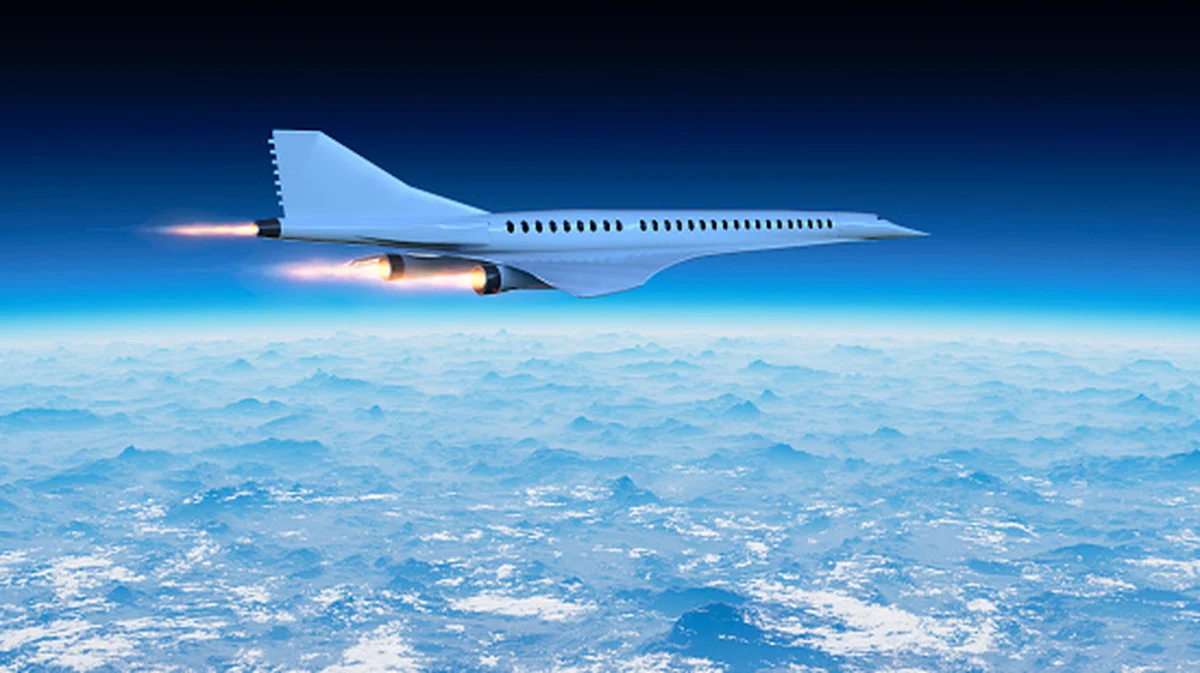
For over two decades, the global aviation industry has existed in a state of relative stasis. Since the retirement of the iconic Concorde in 2003, commercial air travel has prioritized efficiency and passenger capacity over sheer velocity. While subsonic jets have become safer and more fuel-efficient, the dream of ultra-fast travel—crossing oceans in a matter of hours—seemed relegated to the history books. However, a groundbreaking development in Japan is signaling a dramatic shift in how we perceive long-haul transit. A collaborative research team has successfully tested a hypersonic engine, potentially paving the way for commercial flights that could connect Tokyo to the United States in just two hours.
The Core Innovation: Breaking the Mach 5 Barrier
The recent milestone occurred at the Japan Aerospace Exploration Agency (JAXA) testing facility at the Kakuda Space Center. A consortium of experts from JAXA, Waseda University, the University of Tokyo, and Keio University successfully executed a ground-based test of a scramjet engine prototype designed to reach Mach 5—five times the speed of sound, or approximately 3,836 mph.
To understand the magnitude of this feat, one must distinguish between supersonic and hypersonic flight. Supersonic flight, which the Concorde mastered, involves traveling faster than the speed of sound (Mach 1). Hypersonic flight, by definition, begins at Mach 5. At these velocities, the physics of flight changes entirely. Traditional jet engines, which rely on fans to compress incoming air, cannot function when the air is entering the intake at thousands of miles per hour. Instead, these researchers are utilizing scramjet technology, which allows for combustion to take place in a supersonic airflow, essentially turning the speed of the aircraft itself into a tool for compression.
Chronology of Development: From Concept to Combustion
The path to this breakthrough has been long and deliberate. While the recent engine test has captured global headlines, the project is rooted in over a decade of foundational research.
- 2013: Initial conceptual design phases for a Japanese hypersonic aircraft began. Researchers identified the need for a vehicle that could operate in the thin, high-altitude atmosphere (around 80,000 feet) to minimize air resistance.
- 2013–2023: A decade of intensive simulation and materials science research. The focus was on "thermal protection systems"—materials capable of withstanding the extreme friction-induced heat (up to 1,832 degrees Fahrenheit) generated at Mach 5 speeds.
- 2024: Final preparations for the ground-based testing of the propulsion system.
- 2025: Successful execution of the engine test at the Kakuda Space Center, confirming that the combustion cycle could remain stable at hypersonic speeds under simulated flight conditions.
- 2025–2040 (Projected): The transition from ground testing to sub-orbital "sounding rocket" testing, followed by the incremental development of a prototype airframe, with a goal of commercial viability by the mid-2040s.
The Engineering Challenge: Surviving the Heat
The primary hurdle for hypersonic flight is not just speed, but survival. At Mach 5, the air surrounding an aircraft becomes a plasma-like state due to friction, creating heat levels that would melt the aluminum alloys used in standard passenger jets.
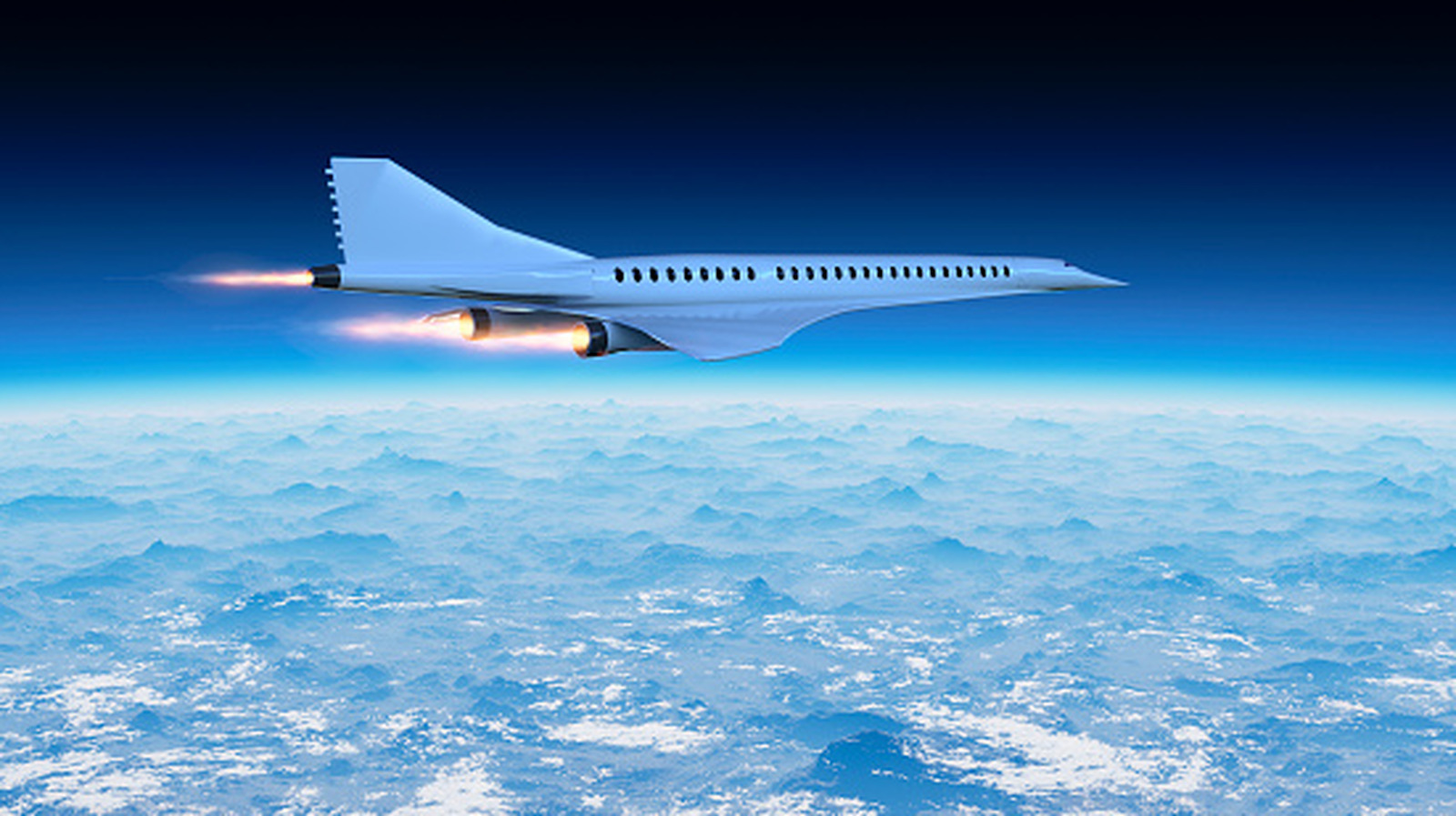
The Japanese team is addressing this through advanced ceramic composites and innovative cooling geometries. Unlike a Boeing 787, which flies at 35,000 to 41,000 feet, these hypersonic vehicles must operate at nearly double that altitude. At 80,000 feet, the air is thin enough to prevent the aircraft from disintegrating under dynamic pressure, but it also necessitates a propulsion system that can "breathe" in such a sparse environment. The successful JAXA test proved that their scramjet could maintain combustion under these exact pressure and thermal constraints, marking a "proof of concept" that many skeptics previously thought decades away.
Global Context: A New Arms Race for the Skies
While Japan is leading the way in academic and agency-led research, they are not alone in the pursuit of high-speed travel. The United States has been aggressive in its own hypersonic initiatives, though much of the domestic focus has been driven by military necessity.
The U.S. Department of Defense is heavily invested in hypersonic glide vehicles and cruise missiles, citing national security as the primary driver. However, the commercial sector is beginning to mirror these developments. In 2025, Stratolaunch achieved a significant milestone by successfully testing its Talon-A2 vehicle, a reusable hypersonic aircraft. While the Talon-A2 is currently an unmanned, experimental platform, it demonstrates that the private sector is capable of achieving the necessary aerodynamics for sustained high-speed flight.
The distinction between the Japanese project and U.S. initiatives lies in the "commercial-first" mindset. Whereas American hypersonic research is currently dominated by defense contractors and military applications, the JAXA-led consortium is explicitly designing its architecture for civilian, long-haul passenger transport.
Implications for the Future of Globalization
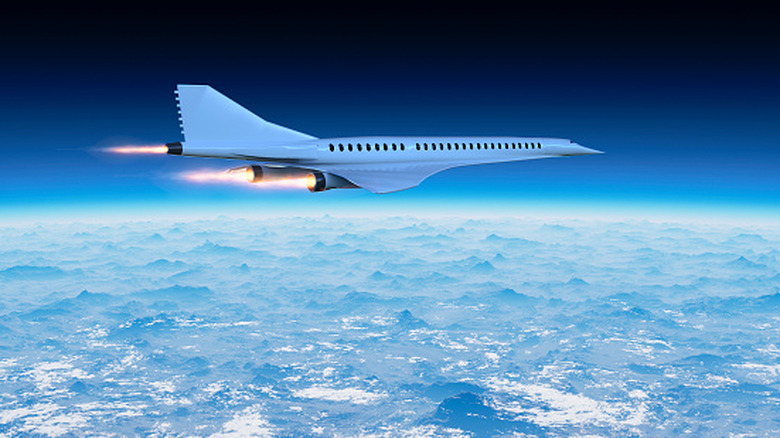
If this technology successfully transitions from the lab to the tarmac, the implications for the global economy and human connectivity would be seismic. A two-hour flight from Tokyo to New York would effectively render current "long-haul" flight times obsolete.
Economic Shifts
Business travel would be fundamentally transformed. A executive could theoretically leave Tokyo in the morning, conduct a full day of meetings in New York, and return home in time for dinner, all without the exhaustion associated with a 14-hour trans-Pacific flight. This could revitalize the "global city" concept, allowing for a level of physical integration between distant markets that was previously only possible via digital communication.
Environmental Considerations
Critics are quick to point out the environmental cost. Hypersonic travel requires massive amounts of energy. The carbon footprint of a scramjet-powered flight would likely dwarf that of a standard subsonic jet. For this technology to be viable by 2040, the industry must pair hypersonic propulsion with synthetic or hydrogen-based carbon-neutral fuels. Without a massive leap in sustainable energy, the "two-hour commute" may be limited by environmental regulations and high ticket costs, keeping it as a niche service for the ultra-wealthy rather than a mass-market evolution.
The Road Ahead: Why We Must Wait
Despite the success at the Kakuda Space Center, the researchers are the first to urge caution. We are at least 20 years away from a passenger-carrying, hypersonic commercial jet. The transition from a test engine in a facility to a certified, safe, and reliable aircraft is fraught with "unknown unknowns."
Regulatory frameworks for hypersonic travel do not yet exist. How do you certify an aircraft that flies in the upper reaches of the atmosphere? How do you manage the sonic boom, which, at hypersonic speeds, is significantly more intense than the booms created by the Concorde? These are not just engineering questions; they are legal and societal hurdles that must be navigated.
Conclusion
Japan’s recent hypersonic engine test is more than just a scientific achievement; it is a glimpse into a potential future where the vastness of the Earth is significantly reduced. While we remain firmly in the era of the subsonic jet, the work being done at JAXA and by global partners suggests that the next generation of aviation is already being forged in high-pressure testing chambers. Whether this technology will truly redefine human travel or remain an experimental curiosity will depend on the next two decades of iterative testing, public policy, and the relentless pursuit of speed in a world that never stops moving. For now, the dream of having breakfast in Tokyo and lunch in New York remains on the horizon—but for the first time in a long time, that horizon is finally within our reach.


 Asep Darmawan
 Pevita Pearce