

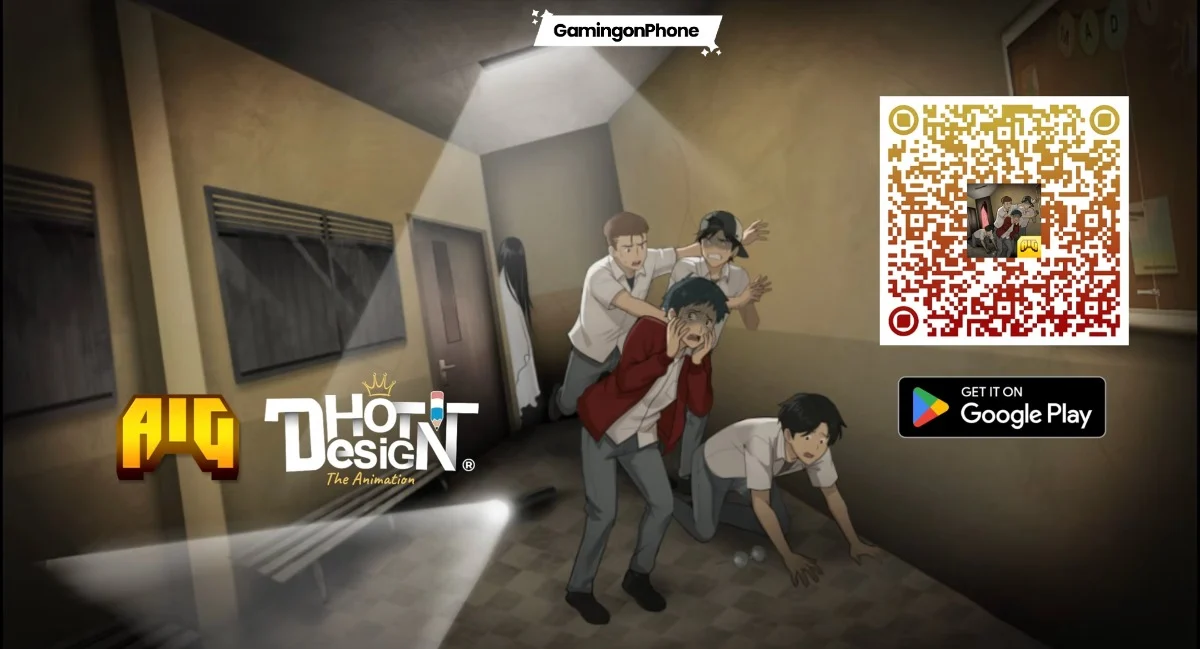
JAKARTA, Indonesia – May 14, 2024 – Arcadesindo Games, an emerging player in the mobile gaming landscape, has officially launched its highly anticipated survival comedy-horror title, "Dhot Design: The Night Shift," for Android devices. This innovative mobile game marks a significant milestone, being an official action game derived from the beloved animated universe of Dhot Design, a cultural phenomenon in Indonesia renowned for its distinctive characters and humorous narratives. Players are now invited to navigate a hilariously terrifying school, haunted by iconic Indonesian urban legends, all while attempting to survive the night and clear their protagonist’s mounting debts.
The release of "Dhot Design: The Night Shift" promises a unique blend of heart-pounding survival mechanics, genuinely unsettling horror elements, and the signature comedic stylings that have endeared Dhot Design to millions. Set against the backdrop of a perpetually dim and eerie school, the game thrusts players into the shoes of an unfortunate student forced into a nocturnal janitorial and security role, a desperate measure to settle financial obligations. This compelling premise, coupled with the authentic integration of Indonesian folklore, positions the game as a standout title in the competitive mobile gaming market.
Main Facts: A New Chapter in Mobile Comedy-Horror
"Dhot Design: The Night Shift" is a mobile game developed by Arcadesindo Games, now accessible globally on the Google Play Store for Android users. Categorized as a survival comedy-horror action game, it leverages the established brand recognition and creative style of the popular Indonesian animation studio, Dhot Design. The game distinguishes itself by featuring a cast of "local Indonesian ghosts," drawing directly from the rich tapestry of the nation’s supernatural lore.
At its core, the game presents a challenging survival experience where players must endure consecutive night shifts within a haunted school. The narrative premise is both relatable and darkly humorous: a student burdened by debt takes on the unenviable task of night watchman, only to discover the school’s true residents are not the faculty or other students, but a myriad of spectral entities. These entities, notably including the infamous Pocong and Kuntilanak, are presented with a comedic twist that undercuts, yet never fully diminishes, their inherent creepiness.
Gameplay mechanics are designed to be engaging and multifaceted. Players are tasked with exploring the labyrinthine hallways of the school, undertaking various janitorial duties, and rectifying "strange anomalies" that hint at the paranormal activity unfolding. Survival hinges on resourcefulness; ordinary items found within the school environment can be ingeniously repurposed as defensive tools against the spectral adversaries. This inventive approach to combat, combined with strategic movement and the identification of safe zones, forms the bedrock of the player’s nightly ordeal. The game also incorporates a progression system, allowing players to unlock cosmetic items such as exclusive bags and over 100 distinct Dhot skins, adding a layer of personalization and replayability.
The overall atmosphere of "Dhot Design: The Night Shift" is a carefully calibrated balance of fright and amusement. Dimly lit visuals, punctuated by sudden jumpscares, are seamlessly integrated with comedic elements and the authentic voice work of the Dhot Geng 4G, ensuring that players are kept on edge while also being entertained by the game’s lighter moments. Currently, the game is exclusive to Android, with no official word on a potential iOS release, keeping a segment of the mobile gaming audience eagerly awaiting further announcements.
The Genesis of "Dhot Design: The Night Shift": A Chronological Journey
The development and release of "Dhot Design: The Night Shift" represent a fascinating convergence of popular animation and interactive entertainment. Understanding its journey requires delving into the origins of its intellectual property and the vision of its creators.
The Dhot Design Phenomenon
Before "Dhot Design: The Night Shift" took shape as a game, the Dhot Design animation studio had already carved out a significant niche in the Indonesian digital media landscape. Known for its distinctive art style, often featuring exaggerated characters and slapstick humor, Dhot Design’s animated shorts and series resonated deeply with a diverse audience, particularly younger demographics. Their content frequently touches upon everyday Indonesian life, cultural quirks, and relatable scenarios, all filtered through a lens of lighthearted comedy. The studio’s ability to create memorable characters and engaging narratives, often distributed through platforms like YouTube, fostered a loyal fanbase across the archipelago. This pre-existing popularity provided a fertile ground for a potential game adaptation, guaranteeing an immediate, engaged audience familiar with the brand’s unique humor and aesthetic.
Arcadesindo Games’ Vision and Collaboration
Arcadesindo Games, as the developer, recognized the immense potential in translating Dhot Design’s animated world into an interactive experience. While specific details about Arcadesindo’s prior projects are not extensively publicized, their decision to partner with Dhot Design speaks volumes about their strategic approach to game development: leveraging popular local IP to create culturally resonant games. The vision was likely to craft a mobile game that not only honored the spirit of the original animation but also introduced a fresh, engaging gameplay loop that could stand on its own merits.
The collaboration process between an animation studio and a game developer is inherently complex. It involves translating 2D character designs and narrative beats into a 3D interactive environment, ensuring that the essence of the IP is preserved while adapting it for a new medium. For "Dhot Design: The Night Shift," this would have meant meticulously recreating character models, animating their movements in a game engine, and ensuring the comedic timing and voice acting from the Dhot Geng 4G were faithfully integrated into the gameplay experience.
Development Timeline and Milestones
While an exact development timeline for "Dhot Design: The Night Shift" remains undisclosed, a project of this scope, combining original IP with survival horror and comedic elements, typically involves several key phases:
- Concept and Pre-Production: This initial phase would have involved extensive discussions between Arcadesindo Games and Dhot Design to define the game’s core concept, genre, art style, and narrative. Given the animation’s popularity, the decision to set it in a haunted school with Indonesian ghosts was a natural fit, merging the familiar with the frightful.
- Prototyping and Core Loop Development: Developers would have created early prototypes to test core mechanics, such as movement, interaction with items, ghost AI, and the balance between horror and comedy. This stage is crucial for validating the game’s fun factor and technical feasibility.
- Asset Creation: This is often the most resource-intensive phase, involving the creation of all 3D models for characters, environments, props, and UI elements. The Dhot Design team would likely have provided extensive reference material and guidance to ensure authenticity.
- Implementation and Integration: All assets, code, and systems are brought together. This includes level design, scripting events, integrating sound effects and music, and incorporating the original voice acting of the Dhot Geng 4G. Balancing jumpscares with comedic payoffs would have required careful calibration.
- Testing and Quality Assurance: Extensive internal and external testing would have been conducted to identify bugs, refine gameplay balance, and gather player feedback. This iterative process is vital for polishing the game before release.
- Marketing and Launch Preparation: Leading up to the launch, Arcadesindo Games would have initiated marketing campaigns, including the release of trailers (such as the one shared), social media engagement, and possibly pre-registration campaigns on the Google Play Store to build anticipation.
Challenges during this process would have likely included maintaining the delicate balance between genuine horror and lighthearted comedy, optimizing performance for a wide range of Android devices, and ensuring that the cultural nuances of Indonesian folklore were respectfully and entertainingly portrayed.
Pre-Launch Buzz and Marketing
The YouTube trailer for "Dhot Design: The Night Shift" served as a primary tool for generating pre-launch excitement. Trailers are crucial in mobile gaming for conveying gameplay, atmosphere, and unique selling points quickly. The trailer likely showcased snippets of the haunted school environment, glimpses of the quirky ghost encounters, and the unique item-based combat system, all underscored by the distinctive Dhot Design humor and voice acting. Social media channels and gaming news outlets, particularly those focusing on the Indonesian market, would have amplified these marketing efforts, building a community of players eager to experience this unique local take on the survival horror genre.
Unpacking the Gameplay Experience: Supporting Data and Mechanics
"Dhot Design: The Night Shift" is more than just a simple point-and-click horror game; it’s a meticulously crafted experience that blends exploration, resource management, and strategic survival within a culturally rich setting.
Setting the Scene: A Haunted Indonesian School
The choice of a school as the primary setting is both ingenious and effective. Schools, often seen as places of learning and safety during the day, transform into eerie, desolate spaces at night. This inherent dichotomy amplifies the sense of vulnerability and dread. For "Dhot Design: The Night Shift," the school environment likely features classic horror tropes: flickering lights, echoing hallways, deserted classrooms, and a principal’s office that might hold more than just disciplinary records. The architectural and environmental details would be subtly infused with Indonesian characteristics, from specific classroom layouts to the types of posters on the walls, further grounding the game in its local context. This familiar yet unsettling backdrop provides an ideal playground for the comedic and horrifying encounters that await the player.
The Protagonist’s Plight: Debts and Night Shifts
The player character’s motivation—clearing debts by working night shifts—adds a layer of relatable desperation to the horror. Unlike heroes who actively seek out paranormal encounters, this protagonist is an unwilling participant, driven by economic necessity. This premise immediately creates empathy and heightens the stakes. Every creak, every shadow, every encounter with a ghost isn’t just a scare; it’s a threat to the character’s ability to earn their much-needed money and escape their financial predicament. This narrative hook ensures that players are invested not just in survival, but in the protagonist’s ultimate goal.
Encountering Indonesian Folklore: The Specters of the School
The game’s most compelling feature is its incorporation of iconic Indonesian urban legends. By featuring ghosts like Pocong and Kuntilanak, "Dhot Design: The Night Shift" taps into a collective cultural consciousness, offering a unique flavor of horror distinct from Western or East Asian counterparts.

- Pocong: This ghost is traditionally depicted as the soul of a dead person trapped in their shroud (kain kafan), typically tied at the head, neck, and feet. Indonesian folklore dictates that the ties must be untied within 40 days of death, or the soul will become a pocong. They are often shown hopping or rolling due to their bound feet. In "Dhot Design: The Night Shift," the Pocong’s appearance is likely designed to be both recognizable and comically exaggerated, perhaps with a mischievous grin or an unexpected movement that elicits both a jump and a laugh.
- Kuntilanak: A female vampiric ghost, often associated with women who died during childbirth or while pregnant. She is typically portrayed with long black hair, a white dress, and a terrifying, often blood-curdling, laugh. Kuntilanak are known for their ability to shapeshift and lure victims. The game could feature her with her signature unsettling laugh, perhaps appearing suddenly in reflective surfaces or at the end of long hallways, her horror softened by a Dhot Design comedic interpretation, such as an overly dramatic gesture or a silly sound effect.
Beyond these two, the mention of "local Indonesian ghosts" implies the potential for other familiar spirits to make an appearance, enriching the cultural tapestry of the game. These could include:
- Tuyul: A small, child-like spirit often employed by individuals seeking wealth, known for stealing money.
- Genderuwo: A large, ape-like creature with red eyes and a hairy body, known for its intimidating presence and occasional pranks.
- Sundel Bolong: Another female ghost, similar to Kuntilanak, but distinguished by a large hole in her back, usually covered by her long hair.
The game’s success in blending these traditional figures with a comedic sensibility is central to its appeal, transforming potential terror into a unique form of "hilarious ghost encounters."
Mechanics of Survival: More Than Just Hiding
Survival in "Dhot Design: The Night Shift" is an active, engaging process.
- Exploration and Objectives: Players are not merely aimlessly wandering. The task of "fixing strange anomalies" suggests mini-games or environmental puzzles that require interaction with the school’s infrastructure. These could range from restoring power to securing broken doors, each completed objective potentially granting "coins." Coins likely serve as the in-game currency, used for unlocking skins, bags, or perhaps temporary power-ups.
- Safe Zones: The concept of "Safe Zones" introduces a strategic element. These areas, possibly classrooms, offices, or utility closets, offer temporary respite from the ghosts. Players must learn the layout of the school, identify these safe havens, and time their dashes to them effectively. This adds tension and planning to the gameplay loop.
- Ingenious Improvised Weaponry: This is where the "comedy" truly shines in the horror. The idea of using mundane items against powerful spirits is inherently absurd and entertaining.
- Throwing sand to blind ghosts: In some Indonesian folklore, certain spirits are vulnerable to common elements like rice grains or sand, which are believed to confuse or deter them. The game capitalizes on this cultural belief, turning it into a tangible, if temporary, combat mechanic.
- Stun them with salt and onions: Both salt and onions have superstitious associations as protective agents against evil spirits in various cultures. In the game, these become throwable items that momentarily incapacitate ghosts, allowing the player to escape or reposition.
- Blast them away with an LPG gas cylinder: This is the ultimate comedic weapon, a far cry from traditional exorcism tools. The image of a student detonating a gas cylinder to ward off a ghost is pure slapstick, highlighting the game’s commitment to its comedy-horror genre. The use of such items requires resource management; players will need to decide when and how to deploy these limited tools for maximum effect.
Progression and Personalization: Beyond Survival
Beyond the core survival loop, "Dhot Design: The Night Shift" offers robust customization options. Unlocking "exclusive bags" and collecting "100+ funny Dhot skins" provides strong incentives for continued play. These skins likely feature the protagonist dressed in various humorous outfits, referencing other Dhot Design animations or Indonesian pop culture. This personalization enhances player engagement, allows for self-expression, and contributes to the game’s replayability. On mobile platforms, such cosmetic items often form part of a free-to-play monetization strategy, where players can earn them through gameplay or purchase them via in-app transactions, ensuring a steady revenue stream for the developer while rewarding dedicated players.
Audio-Visual Design: Crafting the Atmosphere
The game’s atmosphere is a critical component of its success.
- Dim Visuals: The use of dim lighting is a classic horror trope, creating shadows that play tricks on the eyes and heightening the sense of unease. It forces players to rely on ambient sounds and subtle visual cues, making every encounter more impactful.
- Jumpscares: These are carefully deployed to provide sudden frights, but within the context of comedy-horror, they are often immediately followed or accompanied by a humorous element, preventing the experience from becoming overly terrifying.
- Original Voice of Dhot Geng 4G: The authentic voice acting from the Dhot Design animation team is crucial for maintaining brand consistency and injecting the game with the IP’s signature humor. The familiar voices can deliver comedic lines, character reactions, and ghost sounds that resonate with fans, making the experience feel truly authentic to the Dhot Design universe.
- Sound Design: Beyond voice acting, the game would heavily rely on ambient sound design—creaking doors, distant whispers, the rustling of unseen entities, and sudden, sharp noises—to build tension and signify the presence of ghosts, contributing significantly to both the horror and comedic elements.
Developer’s Perspective and Community Reception: Official Responses and Engagement
While no direct quotes from Arcadesindo Games or Dhot Design are provided in the original announcement, we can infer their strategic objectives and anticipated community interactions.
Arcadesindo Games’ Statement (Inferred)
Arcadesindo Games likely aims to carve out a niche in the mobile gaming market by creating high-quality, culturally relevant experiences. The launch of "Dhot Design: The Night Shift" is a testament to their commitment to innovation, blending popular local IP with a globally appealing genre. Their goal would be to deliver an entertaining and memorable game that not only attracts existing Dhot Design fans but also introduces new players to the charm and humor of Indonesian folklore. The choice of Android for the initial launch reflects a pragmatic approach, targeting the platform with the largest user base in Indonesia and many other developing markets.
Dhot Design’s Involvement (Inferred)
For Dhot Design, this game represents a successful expansion of their intellectual property into a new interactive medium. Their involvement would have been critical in ensuring the authenticity of the characters, the comedic tone, and the overall spirit of their animation. The "original voice of Dhot Geng 4G" is a direct indicator of their deep engagement, providing a consistent brand experience for their fans. Such collaborations are vital for IP holders to diversify their revenue streams and reach new audiences.
Initial Player Feedback and Community Engagement
As "Dhot Design: The Night Shift" is "now live," initial player feedback will be crucial. Early reviews on the Google Play Store, discussions on social media platforms, and engagement within gaming forums will provide valuable insights into the game’s reception. Players are likely to praise the unique blend of comedy and horror, the cultural references, and the engaging gameplay mechanics. Arcadesindo Games will undoubtedly monitor these channels closely, using player feedback to inform future updates, bug fixes, and potentially new content additions. This iterative development model, driven by community input, is standard practice in mobile gaming and vital for long-term success. The shared YouTube trailer also serves as a critical point of interaction, allowing the community to react and generate buzz even before playing the game.
Broader Implications and Future Outlook: The Road Ahead
The launch of "Dhot Design: The Night Shift" carries significant implications, both for the Indonesian mobile gaming sector and for the game’s potential future trajectory.
Impact on the Indonesian Mobile Gaming Landscape
The release of "Dhot Design: The Night Shift" is a noteworthy event for the Indonesian mobile gaming industry. It showcases the growing sophistication of local developers like Arcadesindo Games and the increasing willingness to invest in and adapt popular homegrown intellectual properties. By successfully merging a beloved animation brand with a compelling game genre, it sets a precedent for other local studios to explore similar collaborations. This trend could lead to a proliferation of games that celebrate Indonesian culture, folklore, and humor, distinguishing the local market from the often-homogenized global mobile game offerings. Such games foster national pride and provide unique entertainment experiences that resonate deeply with local players.
Global Appeal and Cultural Export
While rooted in Indonesian culture, "Dhot Design: The Night Shift" possesses characteristics that could allow it to transcend geographical boundaries. Comedy-horror is a universally appealing genre, and the novelty of encountering Indonesian ghosts like Pocong and Kuntilanak could pique the curiosity of international players. Mobile gaming platforms serve as powerful conduits for cultural exchange, allowing unique narratives and folklore to reach a global audience. The game could introduce players worldwide to aspects of Indonesian supernatural beliefs in an accessible and entertaining format, contributing to a broader appreciation of diverse cultural storytelling. Its humor, while perhaps having some local nuances, is likely to have universal elements of slapstick and absurdity that translate well.
The Future of "Dhot Design: The Night Shift"
The immediate future of "Dhot Design: The Night Shift" hinges on its initial success on Android. Positive player engagement and strong download numbers will likely pave the way for a robust content roadmap. This could include:
- New Ghosts and Lore: Expanding the roster of Indonesian spirits, introducing new challenges and unique encounter mechanics.
- Additional School Areas: Unlocking new wings, floors, or even entirely new haunted locations to explore.
- Seasonal Events and Themed Content: Special in-game events tied to Indonesian holidays or global celebrations, offering limited-time skins, items, or game modes.
- Further Customization: More Dhot skins, bags, and perhaps even character accessories to deepen personalization.
The absence of an iOS release at launch is a common strategic decision for mobile developers, particularly those targeting markets where Android dominates. It allows developers to focus resources on optimizing for a single platform, gather critical feedback, and establish a player base before committing to a second platform. Should the Android version prove successful, an iOS release would be a logical next step, significantly expanding the game’s reach and potential revenue. Developers would then be able to leverage the established success and refined gameplay from the Android launch to ensure a smooth and high-quality experience for iOS users.
The Evolving Comedy-Horror Genre
"Dhot Design: The Night Shift" contributes to the ongoing evolution of the comedy-horror genre, particularly on mobile. It demonstrates that horror doesn’t always have to be solely terrifying; it can be effectively blended with humor to create a more nuanced and widely appealing experience. This game, with its distinct cultural flavor and innovative gameplay mechanics (like using everyday objects as weapons), could inspire other developers to explore similar genre fusions, pushing the boundaries of what is possible within mobile gaming and offering players fresh, unexpected experiences.
In conclusion, "Dhot Design: The Night Shift" represents a vibrant and promising addition to the mobile gaming landscape. By expertly weaving together survival mechanics, comedic elements, and the rich tapestry of Indonesian folklore, Arcadesindo Games has delivered a game that is both culturally significant and genuinely entertaining. Its success on Android will undoubtedly shape its future, potentially leading to broader platform availability, expanded content, and a lasting impact on how local IPs are transformed into global interactive experiences.









No comments yet. Be the first to join the conversation!