

By Editorial Staff | August 29, 2025
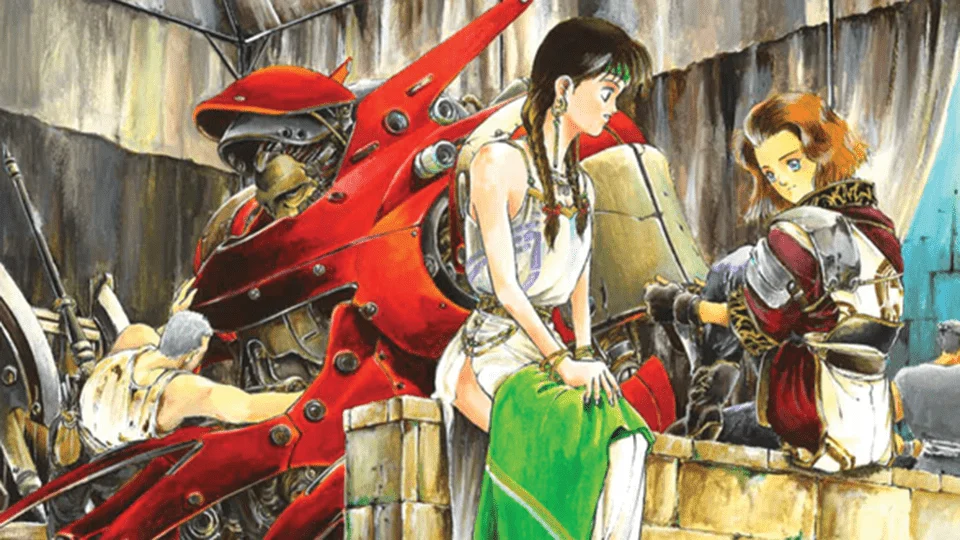
For decades, the Japanese Tabletop Role-Playing Game (TRPG) scene has been a treasure trove of innovative mechanics, genre-bending narratives, and artistic flair. Yet, a significant portion of this history has remained inaccessible to Western audiences due to linguistic and cultural barriers. That is changing rapidly, thanks to the dedicated efforts of LionWing Publishing. Their latest venture, the localization and crowdfunding of the seminal 1989 mecha masterpiece Wares Blade, is not just a translation project; it is an act of historical preservation for the global gaming community.
The Main Event: Wares Blade Hits Kickstarter
The crowdfunding campaign for Wares Blade has officially launched, inviting tabletop enthusiasts to experience the roots of the Japanese mecha RPG genre. With the campaign already shattering its initial funding goals—surpassing the original target by more than seven times in its first hours—it is clear that the demand for high-quality, authentic Japanese gaming experiences is at an all-time high.
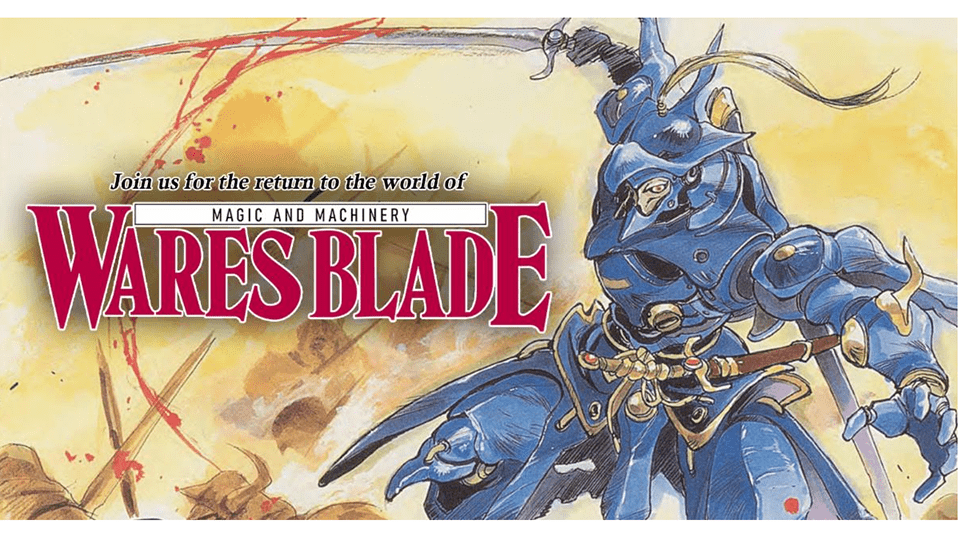
LionWing, a publisher that has carved out a niche as the premier conduit for Japanese TRPGs, is handling the production. The campaign, which runs until September 18, 2025, promises a faithful, playable, and physically stunning localization of a game that has defined the "magic-meets-mecha" subgenre for over thirty-five years.
Chronology: From 1989 to the Global Stage
To understand the significance of Wares Blade, one must look back at the late 1980s. The Japanese TRPG market was in its nascent, experimental phase. When Wares Blade debuted in 1989, it offered something entirely different from the traditional dungeon-crawling experiences prevalent in Western gaming at the time.
- 1989: Wares Blade is first published in Japan, introducing players to the concept of "Ryude"—living, magical mecha that serve as the focal point of the game’s combat and narrative.
- 1990s–2010s: The system undergoes numerous iterations, expansions, and cross-media tie-ins. It cements itself as a cult classic, celebrated for its unique balance between high-fantasy tropes and high-octane mecha action.
- 2024: LionWing Publishing identifies Wares Blade as a prime candidate for international distribution, citing its historical importance and the enduring appeal of the mecha genre.
- August 2025: The official Kickstarter campaign goes live, introducing Western players to the legacy of the Ryude.
This timeline reflects the maturation of the TRPG industry, where classic titles are no longer discarded for newer, flashier systems, but are instead revisited for their foundational design philosophies.
The Mechanics of Magic and Metal
What makes Wares Blade stand out in a saturated market of mecha games? The secret lies in its marriage of disparate genres. While many mecha games focus on military realism or hard sci-fi, Wares Blade leans into the mystical.
The Ryude System
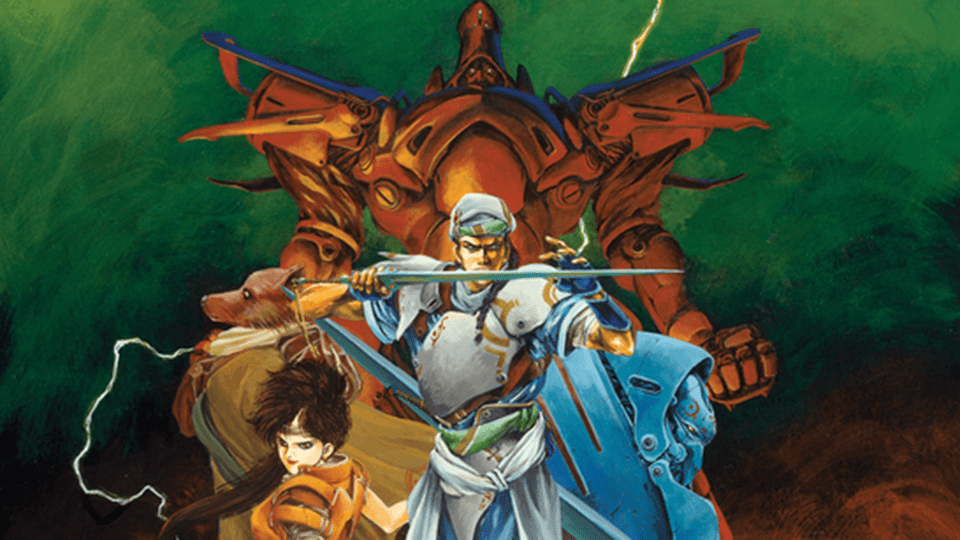
The heart of the game is the selection of one of 40 distinct Ryude. These aren’t just vehicles; they are sentient, magical entities. Character creation involves a deep dive into the bond between the pilot and their Ryude, creating a narrative hook that drives the gameplay.

The D10 Combat Engine
The system utilizes a d10-based resolution mechanic. Combat is designed to be fast-paced, occurring in intense two-second rounds. This brevity mirrors the frantic, high-stakes nature of anime mecha battles, where a single decision can mean the difference between victory and total destruction.
The Risk-Reward Dynamic
For those familiar with systems like Warhammer Fantasy, the magic system in Wares Blade will feel refreshingly perilous. Using magic carries the risk of backlash, ensuring that power always comes at a cost. Furthermore, the inclusion of a "Luck" dice pool adds a layer of tactical gambling. Players can boost their odds of success, but doing so often draws unwanted attention, making the pilot a bigger target on the battlefield. It is a system that rewards calculated aggression over blind luck.
Supporting Data: Why LionWing is the Industry Gold Standard
LionWing Publishing has become synonymous with quality localization. Their track record is not merely built on bringing games over; it is built on the "collector’s experience."
Their previous successes provide a roadmap for the Wares Blade campaign:
- Kedamono Opera: A dark, fairy-tale-themed RPG that recently saw a successful crowdfunding run, currently in the production phase for its backers.
- Convictor Drive: A high-octane title that captured the Kamen Rider aesthetic, demonstrating LionWing’s ability to adapt specific cultural genres for Western audiences.
- Eldritch Escape: Tokyo: A specialized two-player experience that proved LionWing’s commitment to niche, high-concept gaming.
- Shin Megami Tensei III: Nocturne TRPG: Perhaps their most ambitious project, this official tie-in brought one of the world’s most beloved JRPG franchises to the tabletop, complete with professional-grade art and supplementary scenarios.
These projects consistently feature bonus art, custom-themed dice, and high-quality physical components. The data from their previous campaigns shows that their audience isn’t just buying a PDF; they are buying an artifact. The high funding levels for Wares Blade are a direct result of the trust built through these previous endeavors.
Official Responses and Publisher Vision
In recent communications, LionWing emphasized that Wares Blade was chosen because it represents the "missing link" in Western access to Japanese gaming history. "We wanted to ensure that the spirit of the 1989 original remained intact while providing the quality of life updates expected by modern gamers," a company representative noted.
The publisher’s philosophy is clear: localization is an act of respect. By keeping the art style consistent with the era and providing comprehensive, accessible rulebooks, they are ensuring that the game isn’t just a museum piece, but a living, breathing part of modern gaming tables.
Implications: The Future of Cross-Cultural Gaming
The success of the Wares Blade Kickstarter has significant implications for the future of the TRPG industry.
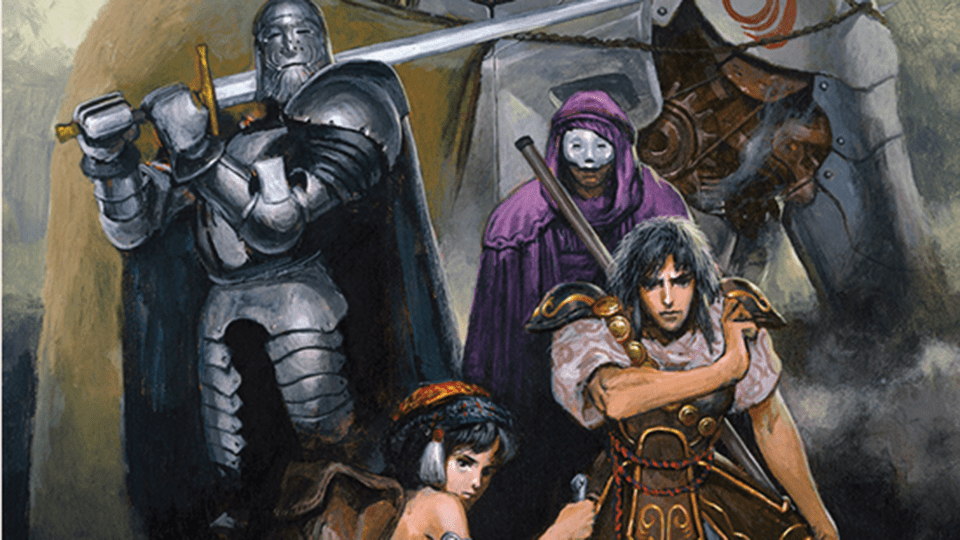
- Genre Diversification: As Western gamers become more exposed to the specific rhythms of Japanese game design, we are likely to see a shift in home-brew content and independent game design that incorporates more anime-inspired, high-fantasy-mecha hybrid mechanics.
- Increased Archival Projects: With Wares Blade proving that "vintage" Japanese titles are commercially viable, we can expect other publishers to dig deeper into the archives of the 80s and 90s to bring more localized classics to the West.
- The "Collector’s Economy": The success of high-tier rewards (such as the $150 tier for Wares Blade, which includes comprehensive physical accessories like GM screens and acrylic standees) confirms that there is a robust market for premium, tactile gaming experiences in an increasingly digital world.
How to Get Involved
For those looking to participate, the campaign offers a tiered reward structure:
- Entry Level: Digital access for those looking to jump right into the game.
- Mid-Tier: Physical copies, custom dice, and specialized trays.
- Collector’s Tier: The full suite, including pre-made character sheets, scenarios, and the aforementioned GM screen and acrylic stands.
By backing the project, you are not just securing a game; you are supporting the continued bridge-building between Japanese and Western tabletop communities. As the campaign races toward its conclusion on September 18, the message from the community is clear: the age of the Ryude has arrived, and the West is ready to pilot.
For more information on the Wares Blade campaign, or to view the full list of backer rewards, visit the official Kickstarter page.












No comments yet. Be the first to join the conversation!