

For many gamers, the "Soulslike" label acts as both a badge of honor and a barbed-wire fence. Titles like Elden Ring, Bloodborne, and Dark Souls have redefined modern gaming, offering unparalleled world-building and cryptic, haunting storytelling. Yet, for a significant portion of the gaming population—those of us who are impatient, easily frustrated, or simply lack the masochistic drive required to endure hundred-death boss runs—these masterpieces remain locked behind a wall of punishing difficulty.
I am one of those players. I am professionally recognized as a "Soulslike hater," a label born not from a dislike of the genre’s aesthetics, but from a fundamental clash between my temperament and the genre’s design philosophy. I am anxious, fidgety, and deeply impatient. I want to live in the rich, dark fantasy worlds FromSoftware creates, but I inevitably fall off these titles because the high-risk, time-intensive combat demands a level of calm and persistence I simply do not possess.
Enter Phantom Blade Zero. Having spent extensive time with a hands-on preview at Gamescom LATAM 2026, I walked away with a realization: this might be the first "Soulslike-adjacent" game that successfully bridges the gap between atmospheric, high-stakes exploration and player-friendly accessibility.
Defining the "Kungfupunk" Identity
S-Game, the developer behind Phantom Blade Zero, has been vocal about a specific marketing point: Phantom Blade Zero is not a Soulslike. In an industry where comparisons to Dark Souls are often used as shorthand for quality, this disclaimer is bold. It suggests that S-Game is intentionally carving out a new identity.
However, it is easy to see why the confusion exists. From a visual and mechanical perspective, Phantom Blade Zero checks many of the boxes that define the genre. Players traverse sprawling, oppressive dark fantasy environments. They fend off telegraphed foes while exploring, eventually stumbling into isolated arenas occupied by massive, lumbering bosses. If you were to walk past a screen playing the game without context, you would be forgiven for assuming it was another entry in the genre that demands pixel-perfect precision and infinite patience.
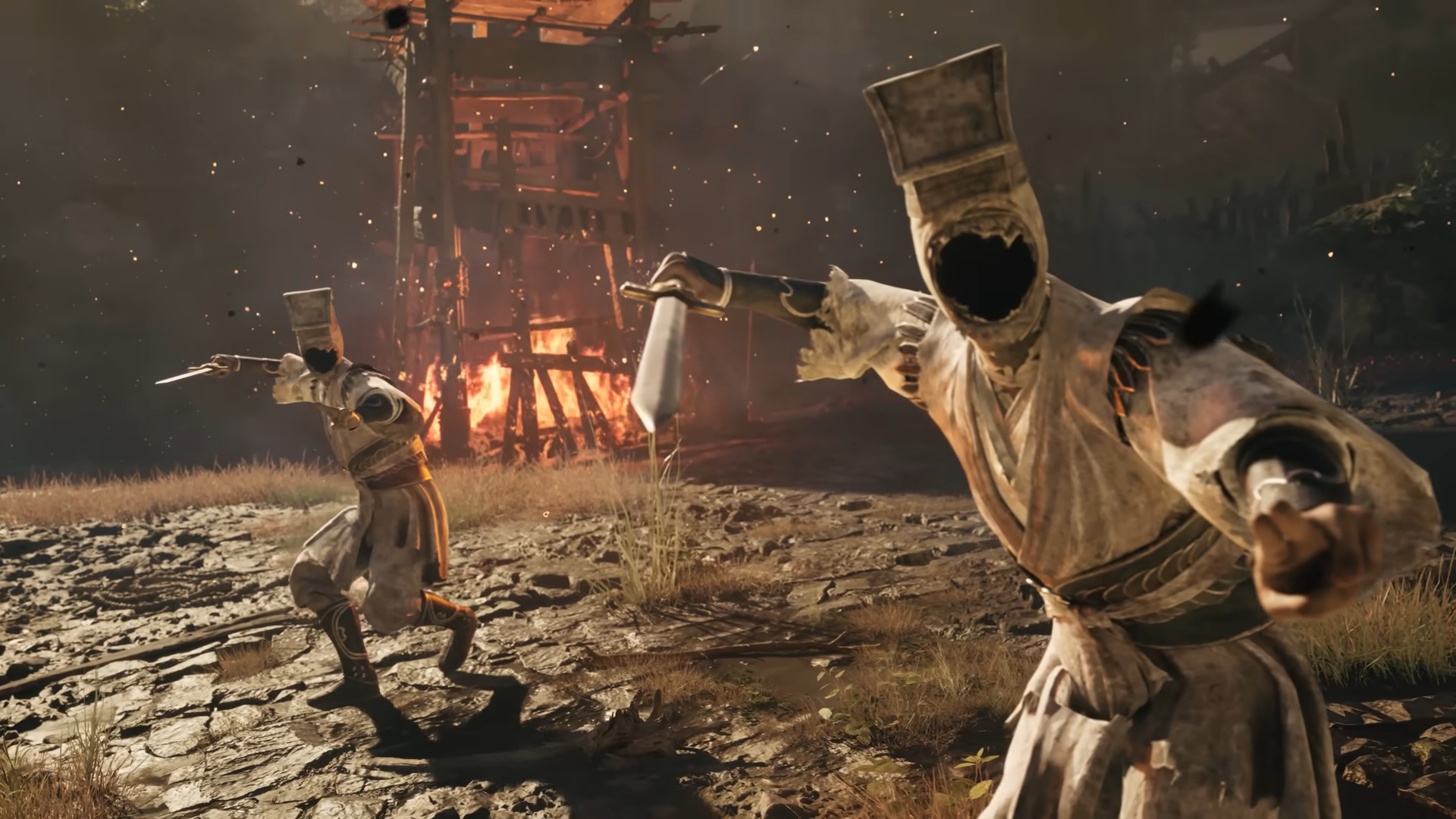
The secret, however, lies in the "kungfupunk" combat. While the game features the classic dodge-and-parry rhythm, it emphasizes speed, flow, and cinematic flair. Where Dark Souls feels like a slow, deliberate chess match, Phantom Blade Zero feels like a high-budget, 1990s Hong Kong action flick. It is kinetic, fluid, and, most importantly, forgiving.
Chronology of the Experience: From Anxiety to Flow
During my 90-minute session at Gamescom, I entered with a distinct sense of trepidation. My experience with past Soulslikes has taught me to fear the "checkpoint" loop. I expected to spend my entire demo stuck on the first major encounter, battling the same enemy until my allotted time ran out.
The reality was vastly different.
- Initial Contact: I began the demo by feeling out the controls. The movement was crisp, and the swordplay felt more akin to Devil May Cry or Ninja Gaiden than the heavy, stamina-gated combat of Elden Ring.
- The Combat Loop: Instead of waiting for a single opening to land one desperate hit, I found myself encouraged to chain combos and utilize cinematic finishers. The game actively rewards aggression. By leaning into the "kungfupunk" style, I was able to bounce between enemies, absorbing attacks through parries and responding with lightning-fast counters.
- The Boss Encounter: My ultimate test came in the form of "Coppermaul," a towering, bulbous antagonist wielding an orb-tipped warhammer. In a traditional Soulslike, a boss of this size would be a "tank" encounter—a test of endurance. I died a few times, certainly, but each death felt like a lesson rather than a punishment. I wasn’t banging my head against a wall; I was refining my rhythm.
- The Victory: When Coppermaul finally fell, the sense of accomplishment was palpable, but it wasn’t accompanied by the usual feeling of exhaustion. I felt energized. I had learned the dance, not just memorized a pattern.
Supporting Data: Why "Forgiving" Doesn’t Mean "Easy"
It is crucial to note that Phantom Blade Zero is not a walk in the park. It does not hand the player victory on a silver platter. The game still demands focus, persistence, and a grasp of its core mechanics. However, it removes the "punishment" aspect that often alienates casual players.
The primary difference is in the game’s "flow state." In Elden Ring, the game often forces you to slow down to a crawl to avoid being one-shotted. In Phantom Blade Zero, the game moves at the speed of the protagonist, Soul. The developers have designed the combat to be intuitive enough that a player can "brute force" through the early stages with intuition alone, while still offering a high skill ceiling for those who want to master the combo system.
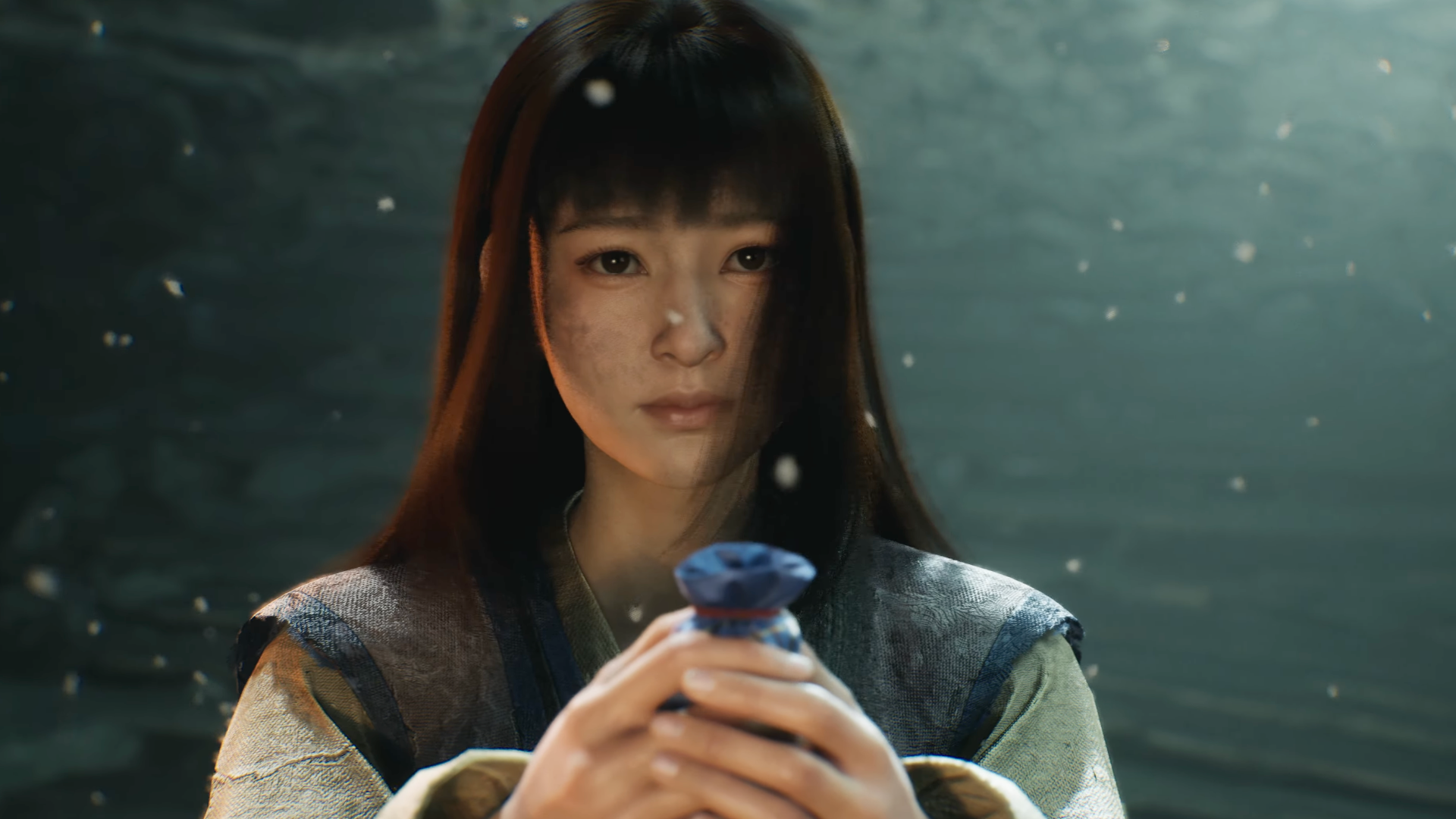
This accessibility allows the player to focus on the world-building—the "Phantom World"—which draws heavy inspiration from the Ming dynasty. By removing the fear of losing hours of progress due to one mistake, the game allows players to actually enjoy the atmosphere. You are no longer just fighting for your life; you are exploring a meticulously crafted, wuxia-inspired universe.
Official Responses and Developer Philosophy
S-Game’s decision to distance themselves from the "Soulslike" tag is a calculated move to manage player expectations. In various interviews, the team has highlighted that their goal was to create a game that feels like a "kung-fu movie in interactive form."
The industry discourse surrounding "what makes a Soulslike" is often described as a "poisonous swamp." By rejecting the label, S-Game isn’t just trying to avoid comparison; they are trying to redefine what an action RPG can be. They recognize that the modern audience is diverse; there are those who want the brutal, unforgiving grind of FromSoftware titles, and there are those who want the vibe of those games without the crushing barrier to entry.
By creating a system that prioritizes fluid, rhythmic combat over stamina-management, S-Game is positioning Phantom Blade Zero to be a gateway title. It respects the player’s time while still demanding their attention.
Implications for the Future of Action RPGs
The success of Phantom Blade Zero could signal a shift in the action RPG landscape. We are currently seeing a trend of high-fidelity, lore-heavy games—Lies of P and Black Myth: Wukong being prime examples—that all lean heavily into the Soulslike formula. While these games are critically acclaimed, they remain inaccessible to the segment of the player base that simply wants a cinematic, challenging, but ultimately fair experience.
If Phantom Blade Zero succeeds, it proves that you can have:
- Minimalist Storytelling: Allowing the world to speak for itself without needing to read item descriptions for lore.
- High-Stakes Set Pieces: Dramatic boss fights that feel cinematic rather than tedious.
- Accessibility: A design philosophy that rewards mastery without punishing incompetence.
For players like me—those who admire the fatal beauty of Elden Ring but lack the tenacity to see it through—this is a massive development. It suggests a future where we don’t have to choose between a compelling, dark fantasy world and our own sanity.
Conclusion
As I left the Phantom Blade Zero demo station, I felt a sense of relief. I had acquired a new weapon, tested it against common enemies, and explored a slice of a world that felt both ancient and fresh. I didn’t feel the need to walk away and take a break to calm my nerves.
I’m not saying I will never return to Elden Ring or Bloodborne. I respect what they are, and I respect the people who have the fortitude to master them. But I am no longer interested in forcing myself into a mold that doesn’t fit. Phantom Blade Zero offers me the best of both worlds: the atmosphere and mystery of a dark, wuxia-infused fantasy, paired with combat that makes me feel like a hero rather than a victim.
If the final release can maintain the pace and the balance I experienced at Gamescom, Phantom Blade Zero won’t just be another action game. It will be a standard-bearer for a new, more inclusive way to experience the high-octane thrill of the action RPG. For those of us who have spent years feeling like we "just aren’t good enough" to play the best games in the industry, this is a very welcome change of pace.











No comments yet. Be the first to join the conversation!