

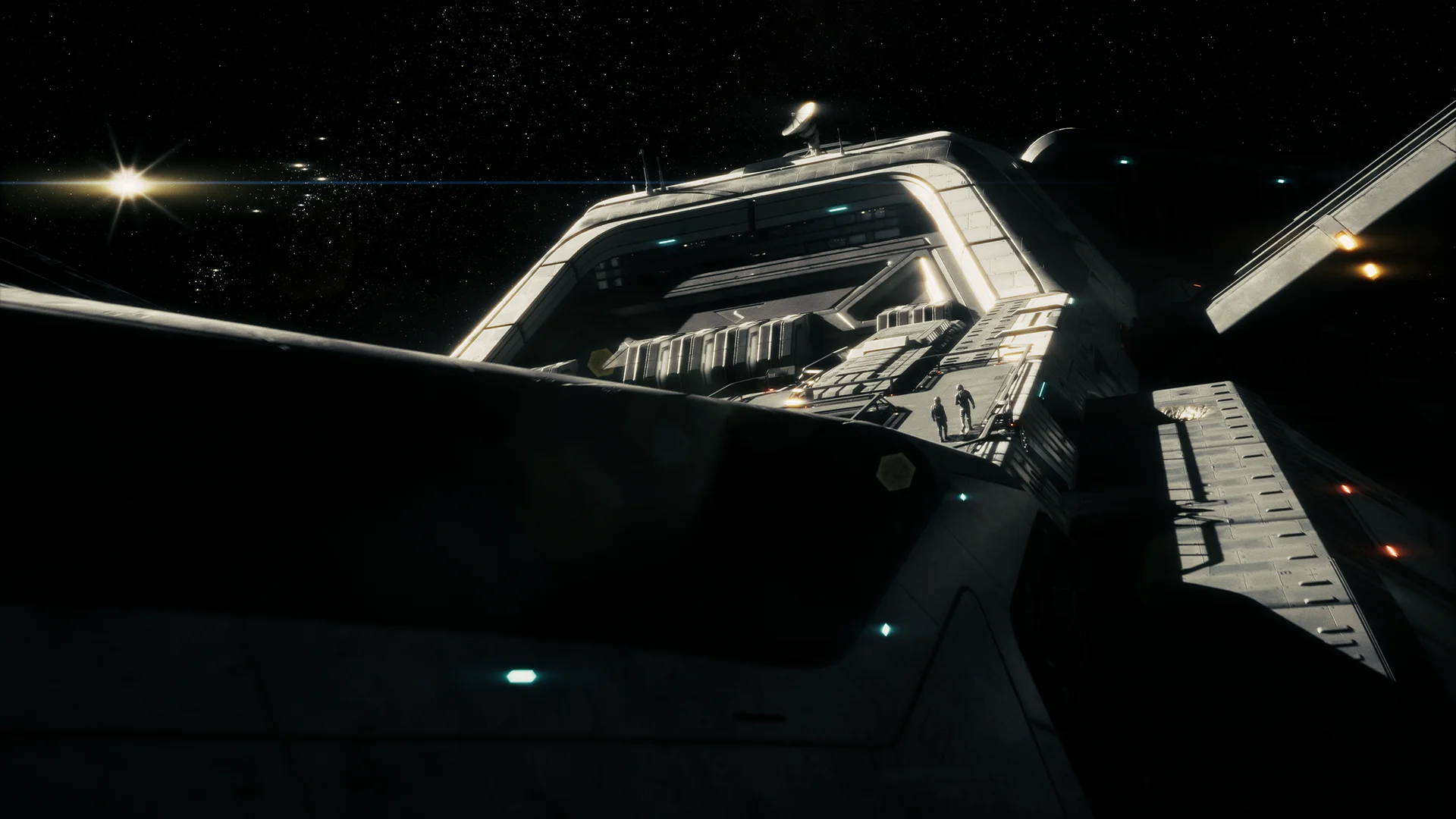
The evolution of interactive storytelling has reached a poignant milestone. For those of us whose gaming genesis began with the stark, utilitarian text of early-era adventures, the current state of narrative-driven horror feels nothing short of alchemy. Directive 8020, the fifth mainline entry in Supermassive Games’ The Dark Pictures Anthology, represents the pinnacle of this trajectory—a digital campfire tale that manages to be both a scientific marvel and a masterclass in psychological suspense. By marrying the developer’s cinematic expertise with the claustrophobic dread of deep-space science fiction, Directive 8020 succeeds in dragging players from the gravity well of passive observation into a vacuum of active, agonizing choice.
The Premise: A Voyage into the Abyss
Directive 8020 functions as a standalone experience within the wider Dark Pictures universe, serving as a spiritual successor to the studio’s breakout hit, Until Dawn. While the anthology shares a thematic lineage, this entry pivots sharply into the realm of sci-fi horror.
The narrative centers on the Cassiopeia, a vessel nearing the conclusion of a grueling four-year voyage to the exoplanet Tau Ceti f. The mission is critical: the crew is tasked with preparing the planet for the arrival of the Andromeda, a second ship carrying the remnants of a humanity reeling from a catastrophic, yet initially obscured, global event. As the game opens, the majority of the crew remains in cryo-sleep, leaving only two pioneers—Simms and Carter—to maintain the ship’s vital functions.
However, the routine of deep-space maintenance is shattered when an unidentified object collides with the Cassiopeia. This kinetic impact serves as the catalyst for the nightmare, forcing the crew to awaken into a hostile environment where the ship itself has become a trap. What follows is not merely a survival story, but a complex web of moral dilemmas where the stakes are nothing less than the survival of the human species.
Chronology of Terror: The Mechanics of Choice
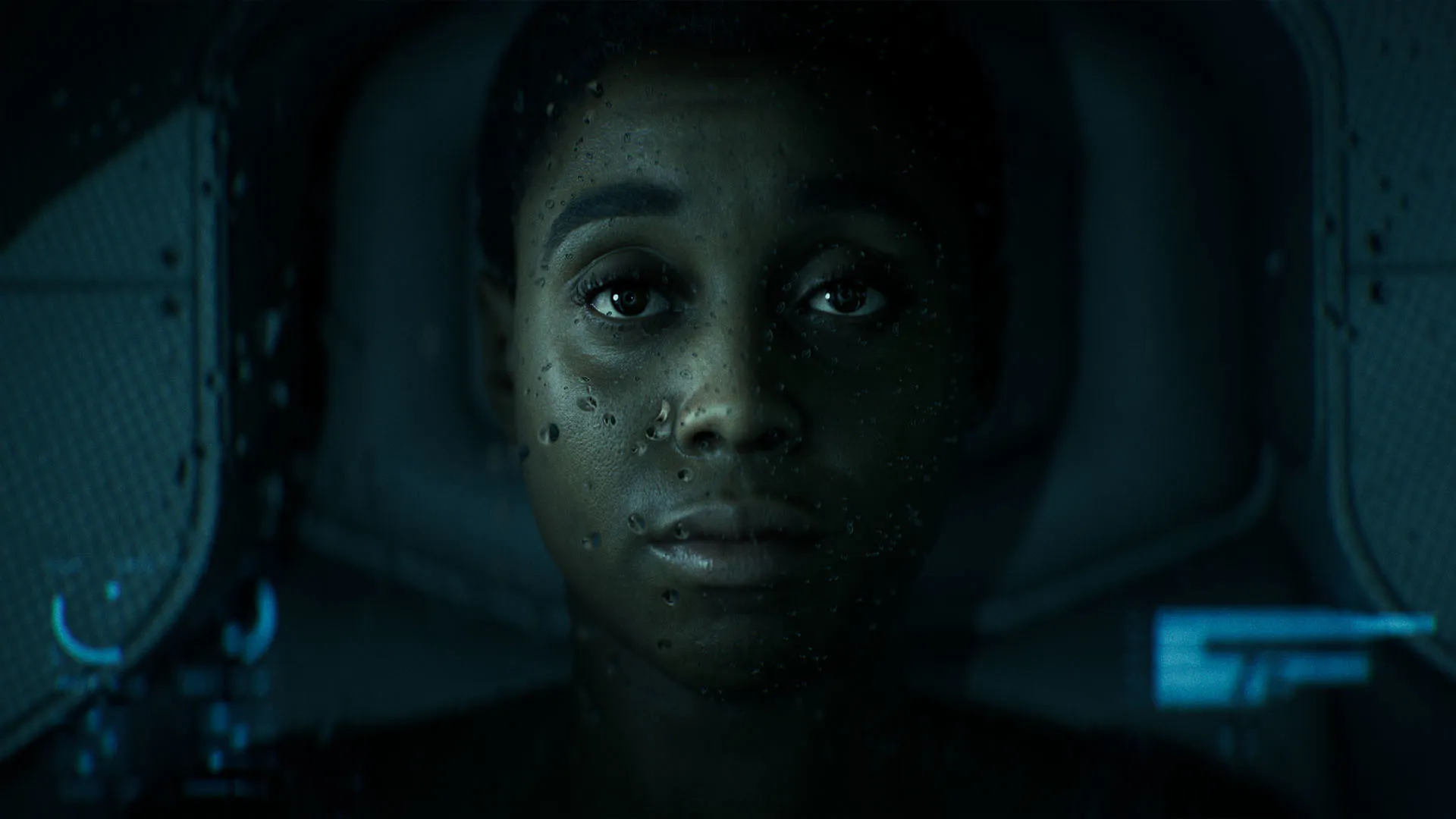
Supermassive Games has long been a proponent of the "cinematic game" format, but Directive 8020 introduces a significant structural evolution. While the game features a star-studded cast—most notably Lashana Lynch, who delivers a bravura performance as co-pilot Brianna Young—the player is not tethered to a single perspective. Instead, the narrative shifts between the various crew members, forcing the player to inhabit disparate roles and shoulder the consequences of their unique psychological profiles.
The Turning Points System
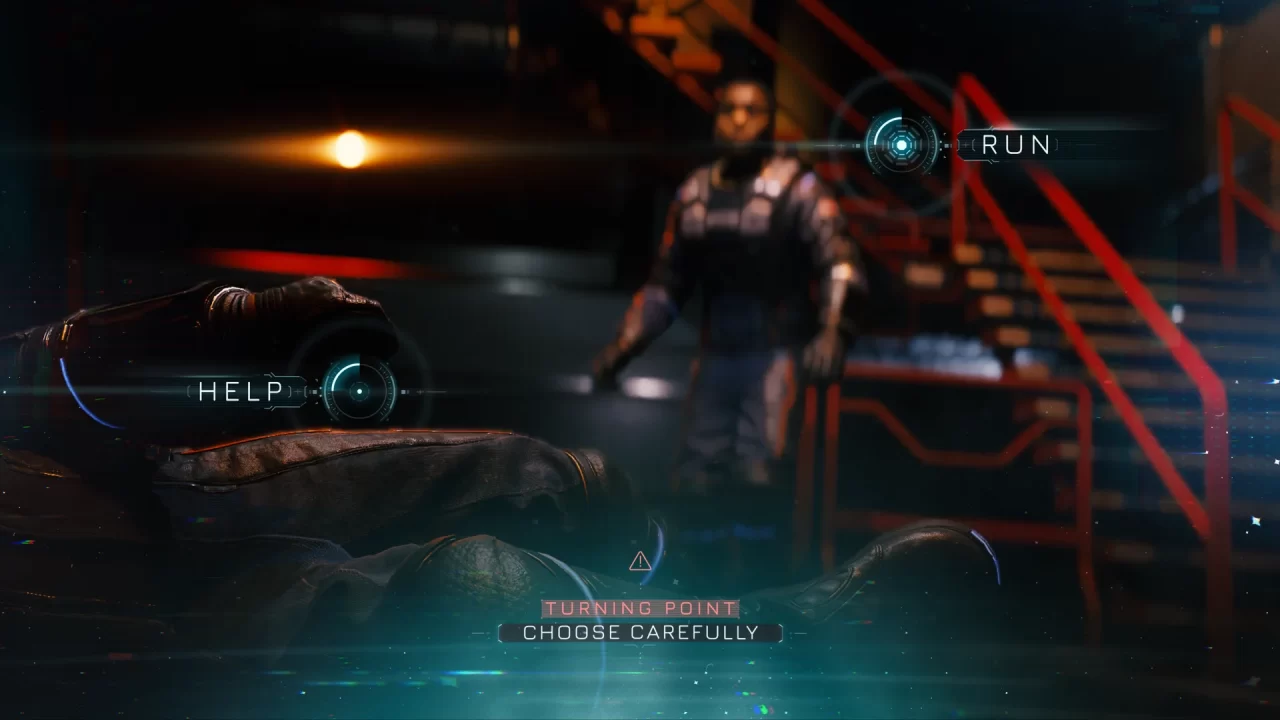
One of the most notable innovations in Directive 8020 is the "Turning Points" system. In previous titles, players often felt the sting of "blind" choices—decisions that resulted in character death or catastrophic narrative shifts without warning. The Turning Points system provides a visual, branching roadmap of major narrative decisions.
Players can access a menu that illustrates their current path and displays pivotal moments, allowing for a degree of "rewind" functionality that was previously absent from the genre. This empowers the player to tailor their experience, removing the frustration of system-induced punishment. However, for those who crave the original, unadulterated tension, the game offers a "Survivor Mode." In this mode, the Turning Points system remains locked until the game is completed, forcing players to live with every split-second, potentially lethal decision.
Character Traits and Personalities
The choice-based gameplay extends beyond the macro-level narrative and into the granular, interpersonal relationships of the crew. Each character possesses three core personality traits that can be molded through dialogue. Decisions are not merely about survival; they are about character definition. Will a crew member be defined by their logic or their kindness? Their wit or their resolve?
These traits are not universal across the cast, which helps avoid the pitfall of cookie-cutter archetypes. Instead, the game emphasizes that every individual on the Cassiopeia is a complex human being, and the player’s choices merely highlight specific facets of their personality. The use of portable communication devices to facilitate private conversations between characters serves as a brilliant juxtaposition: these tools bring the characters closer together while simultaneously emphasizing the crushing, absolute isolation of the ship’s vast, metallic corridors.
Supporting Data: Influences and Technical Execution
The artistic direction of Directive 8020 makes no effort to conceal its cinematic DNA. The game is a love letter to the golden age of sci-fi horror, borrowing heavily from the visual language of Ridley Scott’s Alien and the paranoid, physiological dread of John Carpenter’s The Thing.
The Aesthetic of Isolation
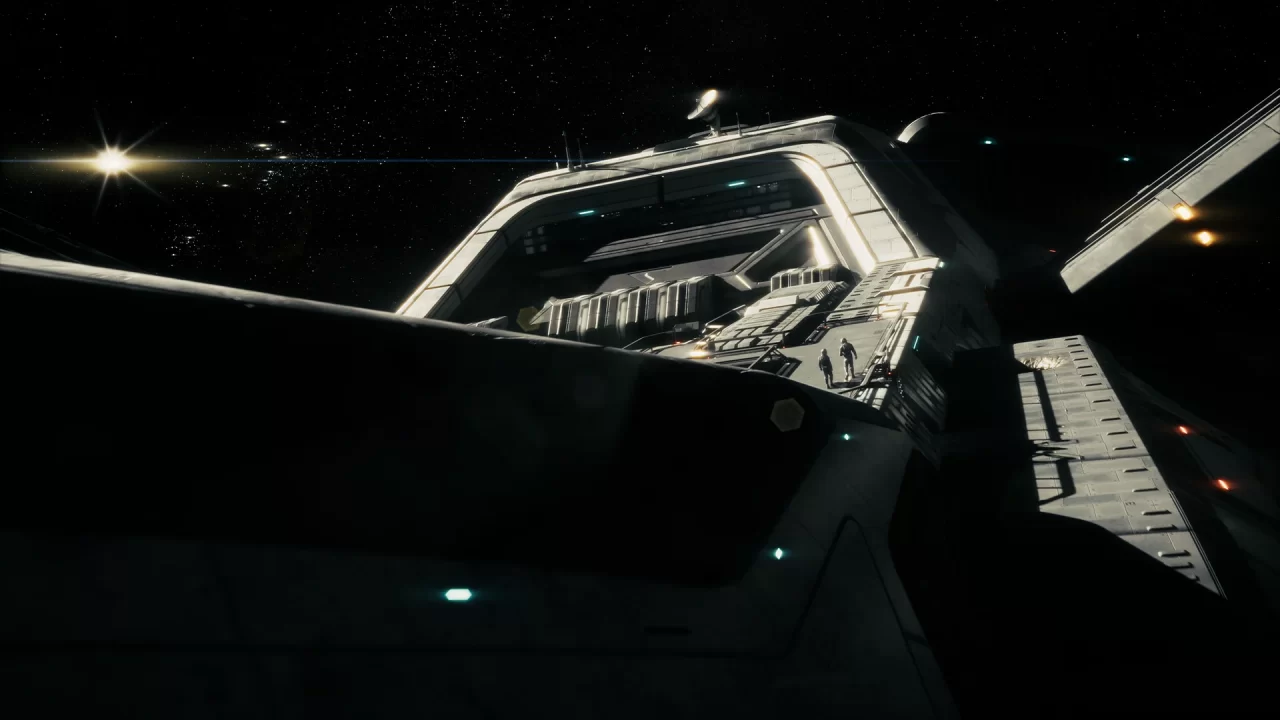
The environmental design of the Cassiopeia is a character in itself. The interior spaces are dark, industrial, and haunted by the corporate bureaucracy that commissioned the mission. When players find themselves crawling through debris or navigating cramped ventilation shafts, the sense of scale—the vastness of the ship contrasted with the fragility of the human inhabitants—is palpable.
Audio as a Psychological Weapon
The soundscape, composed by series regular Jason Graves, is a triumph of restraint. Rather than leaning on jump-scare stings, Graves creates a persistent, unsettling hum that defines the ship’s environment. This is bolstered by a curated selection of licensed music. While most tracks hit the mark, the inclusion of Portishead’s "Roads" adds an ethereal, haunting quality to the later narrative beats. Furthermore, the inclusion of Blood Red Shoes—specifically the track "Murder Me"—provides a jarring, high-energy punctuation that perfectly complements the game’s most intense sequences.
Performance and Pacing
The casting of Lashana Lynch is central to the game’s emotional core, but the supporting performances are equally vital. Lotte Verbeek’s portrayal of the cold, hyper-logical Senior Mission Officer Laura Eisele provides the perfect foil to the more empathetic characters, while Anna Leong Brophy’s background in comedy provides a much-needed, yet tragic, levity to the role of Medical Specialist Samantha Cooper.
The pacing is managed through a blend of traditional dialogue-heavy scenes and intense, adrenaline-spiking Quick Time Events (QTEs). These QTEs are implemented with surgical precision; they are challenging enough to demand focus without feeling like an arbitrary intrusion on the narrative.
Implications: The Evolution of Interactive Narrative
Directive 8020 is not a game that requires hundreds of hours of investment. Spread across eight episodes, each clocking in at one to two hours, it is a focused, high-intensity experience. Its structure serves as a perfect antidote to the sprawling, sometimes bloated, open-world titles that currently dominate the market.
Multiplayer and Community
The inclusion of both couch co-op and online multiplayer options is a testament to the game’s design philosophy. While single-player is an immersive, personal experience, the "Movie Night" mode—where friends can control different characters—is clearly where the game finds its most potent expression. The social tension of arguing over a decision that might kill your friend’s character adds a layer of engagement that solo play cannot replicate.
Replayability and the "Quantum Wrench"
The game’s narrative features late-stage twists that fundamentally alter the player’s understanding of the conflict. This "quantum wrench" in the plot acts as a compelling hook for multiple playthroughs. Unlike many games where replayability feels like a chore, Directive 8020 makes the desire to revisit pivotal scenes feel like a natural extension of the player’s curiosity.
Final Thoughts
Supermassive Games has effectively bridged the gap between passive film and interactive play. By providing the tools for player agency—through the Turning Points system and deep personality management—while maintaining the high production values and tight scripting of a major motion picture, the studio has created a benchmark for the genre.
Directive 8020 is an intense, harrowing, and deeply rewarding experience. It serves as a reminder that the most effective horror is often found in the choices we make when we think no one is watching, and in the spaces between the stars where the only thing you can trust is your own survival instinct. Whether you are a veteran of the Dark Pictures series or a newcomer seeking a high-stakes narrative adventure, the Cassiopeia is waiting. Just be warned: once you board, there is no guarantee you will ever leave.












No comments yet. Be the first to join the conversation!