

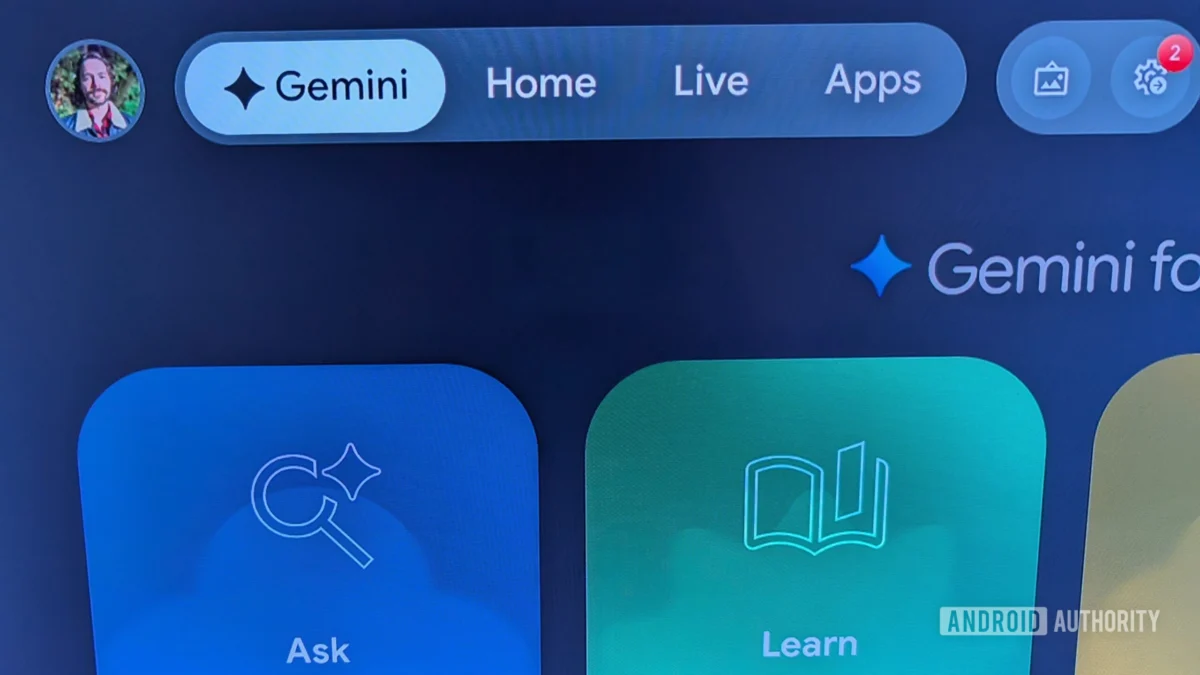
The landscape of home entertainment is shifting beneath our feet, moving away from simple passive consumption toward a more conversational, AI-driven experience. For months, Google has been aggressively integrating its generative AI model, Gemini, into its ecosystem—from smartphones and productivity suites to specialized hardware like the Google TV Streamer. However, a significant segment of the company’s user base had been left waiting: those using the original Chromecast with Google TV (CCwGTV).
Recent reports, corroborated by user observations and technical checks, confirm that Google has begun rolling out Gemini integration to the 4K edition of the original Chromecast with Google TV. This rollout signals a broader effort by Google to unify its AI offerings across all form factors, effectively turning older living room hardware into more intelligent hubs.
Main Facts: What Has Changed?
The integration of Gemini into the Chromecast with Google TV (4K) marks a pivot from traditional, keyword-based search queries to a more contextual, natural-language interaction model. Users who have received the latest firmware update are reporting a shift in how they discover and navigate content.
Instead of relying on the standard Google Assistant interface, which often struggles with complex, multi-layered queries, the new Gemini integration offers a more nuanced understanding of user intent. Whether you are looking for "movies about space travel that aren’t too depressing" or trying to summarize a specific genre, the AI acts as a sophisticated content curator rather than a simple database lookup tool.
As of the current rollout, this feature is primarily appearing on the 4K version of the CCwGTV. Devices running firmware revision UTTC.250917.004, accompanied by the October 2025 security patch, appear to be the primary recipients of this update. While Google has not issued a formal press release detailing the exact release schedule, the silent deployment suggests a phased, server-side rollout intended to minimize system instability across the aging hardware.
A Chronology of Integration
The journey to bring Gemini to the television screen has been long and, at times, erratic. The history of Google’s AI deployment in the living room can be categorized into four distinct phases:
1. The "Streamer" Launch (The Baseline)
When Google launched the Google TV Streamer to replace the Chromecast line, there was a palpable expectation that AI would be the centerpiece. However, the launch was surprisingly muted regarding Gemini, leading many to speculate that the hardware or the software environment wasn’t quite ready for the processing demands of generative AI.
2. The Initial Frustration
For several months, the "Gemini-on-TV" dream felt like a missed opportunity. Users watched as phones and tablets received feature-rich updates, while the living room remained stuck in the legacy Google Assistant era. The disparity between the "smart" experience on a Pixel phone and the "static" experience on a TV created a disconnect in the Google ecosystem.
3. The Turning Point (Late 2025)
The breakthrough occurred in late 2025. Reports began surfacing on social media platforms like X (formerly Twitter), where users—such as @joelenington—shared screenshots of the new interface. These reports were not isolated; they signaled that the backend switches had been flipped. By mid-October 2025, it became clear that the rollout was moving beyond internal testing and into the general public domain.
4. The Current State
We are currently in the midst of a staggered global rollout. While the 4K model has begun receiving the update, the HD version of the Chromecast with Google TV remains largely unchanged. This discrepancy has sparked debates regarding the hardware limitations of the HD model, specifically its RAM and processor overhead, which may struggle to handle the latency-sensitive nature of generative AI queries.
Supporting Data and Technical Context
To understand why this rollout is significant, one must look at the technical requirements of running a generative AI model on a television dongle. Unlike cloud-based processing, which handles heavy lifting, the interface layer requires a responsive UI that can handle the "thinking" time of the AI without crashing the streaming app.
Hardware Comparison
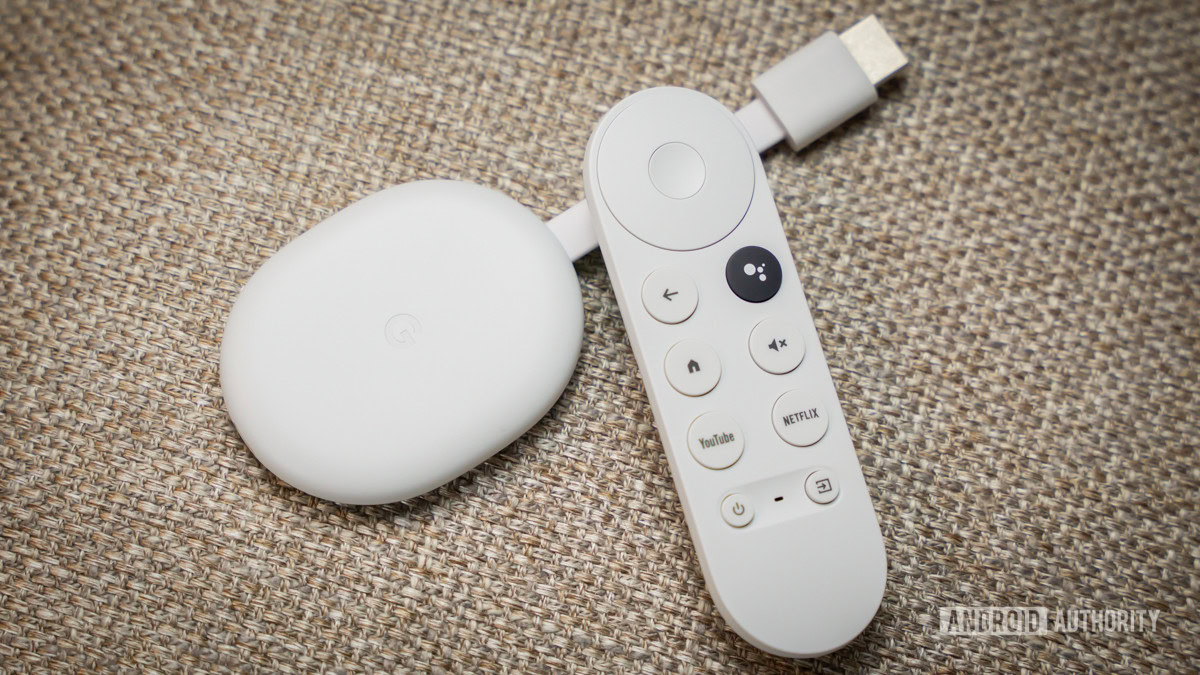
- Chromecast with Google TV (4K): Features more robust RAM and a more powerful chipset, allowing for smoother handling of the Gemini UI overlays.
- Chromecast with Google TV (HD): Uses a more restricted hardware profile. While it shares the same OS architecture, the memory overhead required for Gemini might necessitate a stripped-down version or a longer optimization period.
Firmware and Security
The correlation between the October 2025 security patch and the appearance of Gemini is not coincidental. Google often bundles "feature drops" with security patches to ensure that the underlying kernel and API hooks are secure enough to handle the permissions required for AI processing. Users checking for the update should verify they are on version UTTC.250917.004 or newer. If you are not seeing the update, it is recommended to navigate to Settings > System > About > System Update to force a manual check.
Official Responses and Corporate Strategy
Google’s communication regarding this update has been notably understated. In line with their "silent rollout" strategy, the company has not provided a comprehensive list of supported regions or a roadmap for the HD model.
Industry analysts suggest this is a deliberate move to avoid the backlash associated with "feature abandonment." By rolling out to the 4K model first, Google can monitor system logs for crashes and latency issues. If the integration proves stable, a broader update for the HD model and other third-party Android TV devices will likely follow in early 2026.
Google’s broader strategy is clear: they view the television as the next primary interface for AI. By moving Gemini to the CCwGTV, they are effectively turning the device into an ambient computing node. The goal is to move beyond "search" and into "recommendation." Instead of telling you what is on Netflix, Gemini aims to tell you why you should watch it, effectively becoming a personalized critic embedded within your remote control.
Implications: What Does This Mean for the Future?
The arrival of Gemini on the Chromecast is not just a software update; it is a fundamental shift in how we interact with our media.
1. The Death of the Traditional Search Bar
For years, the search experience on streaming devices has been mediocre, often failing to parse even simple titles correctly. Gemini introduces semantic understanding. If a user asks, "Find me a movie that has a twist ending and features a heist," Gemini can parse that request against metadata that standard search algorithms would ignore. This reduces the friction between "wanting to watch something" and "actually watching it."
2. Privacy Concerns in the Living Room
With an AI model constantly listening for queries to process, questions regarding privacy remain at the forefront. Google has historically kept TV data distinct from search data, but the integration of Gemini raises questions about cross-platform data usage. How much of your TV watching habits will now inform your general Gemini profile? Users should expect more granular privacy controls to be introduced in subsequent updates.
3. Hardware Longevity
This update is a major win for the "right to repair" and longevity movements. By bringing modern AI features to a device released several years ago, Google is extending the usable life of the hardware. Rather than forcing users to purchase a new Google TV Streamer, Google is showing that the software ecosystem can keep older hardware relevant in the AI era.
4. The Competition
Competitors like Apple (with tvOS) and Amazon (with Fire TV) are also racing to integrate their respective AI models. Google’s head start with Gemini, which is arguably more advanced in conversational contexts than Siri or Alexa, gives them a significant market advantage. However, if the user experience on the CCwGTV is marred by lag or poor integration, this advantage could quickly evaporate.
Conclusion: The Path Ahead
As we look toward the remainder of the year, the focus will undoubtedly shift toward optimization. The early adopters on the 4K Chromecast are essentially the beta testers for a much wider deployment.
For now, if you are a 4K Chromecast user, check your firmware. You may find that your remote control has become a much more powerful tool than it was just a few weeks ago. For those with the HD version, patience is the current order of the day. As Google continues to refine its AI infrastructure, the goal of a fully integrated, AI-powered living room is closer than it has ever been.
The transition from a passive screen to an active, intelligent partner is a complex undertaking, but one that Google seems determined to complete. Whether this leads to a more seamless experience or simply adds another layer of complexity to our evening viewing remains to be seen. What is certain, however, is that the era of the "dumb" streaming stick is officially coming to a close.












No comments yet. Be the first to join the conversation!