

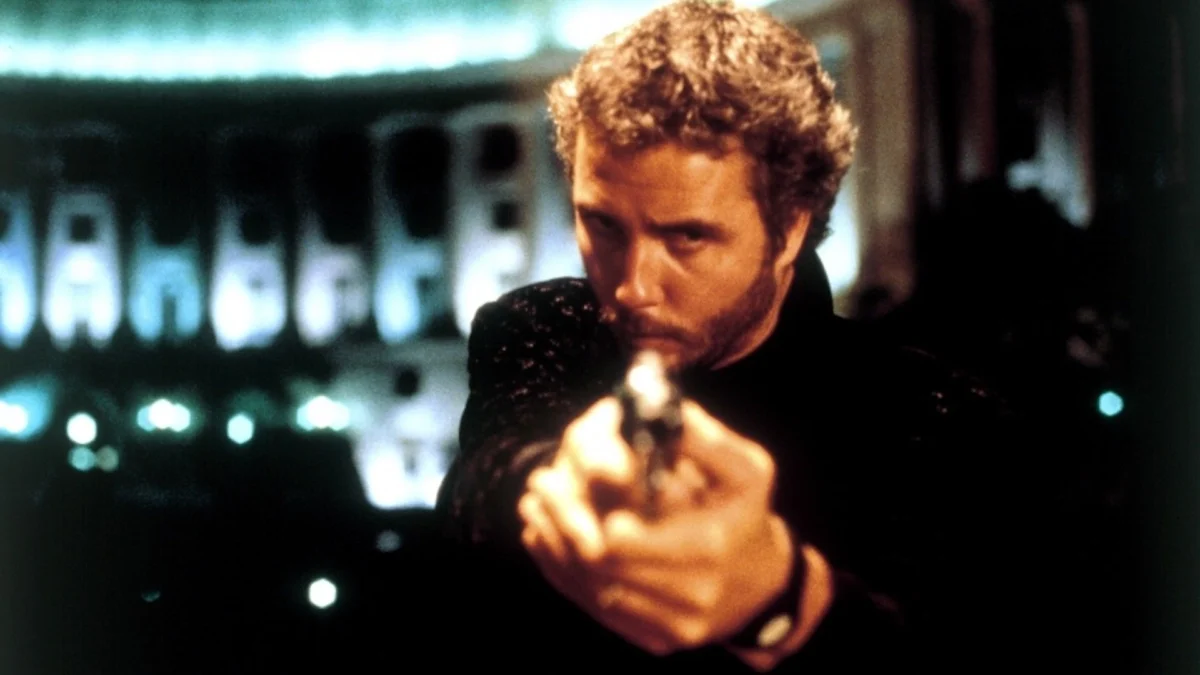
The 1980s represent a watershed moment for the thriller genre. As the industry moved away from the lingering idealism of the 1970s, cinema began to embrace a sharper, more cynical, and visually arresting aesthetic. This was a decade where the thriller splintered into a kaleidoscope of subgenres—erotic thrillers, psychological puzzles, and tech-noir nightmares—all unified by the decade’s obsession with neon, shadow, and the encroaching dread of the modern world.
While blockbusters like Die Hard or Fatal Attraction dominate the cultural conversation, the sheer volume of output in the ’80s meant that many masterful, tension-filled films were relegated to the bargain bin of history. For the discerning cinephile, these overlooked gems offer more than just nostalgia; they provide a blueprint for how to build atmosphere, tension, and narrative payoff.
The Evolution of the 1980s Thriller
The thriller is a unique beast, living at the volatile intersection of action, horror, and character-driven drama. By 1980, filmmakers were experimenting with the "neo-noir" style—taking the tropes of 1940s detective fiction and injecting them with contemporary anxieties. Whether it was the fear of the shifting economic landscape or the existential dread of the Cold War, ’80s thrillers were a mirror to the societal pulse.
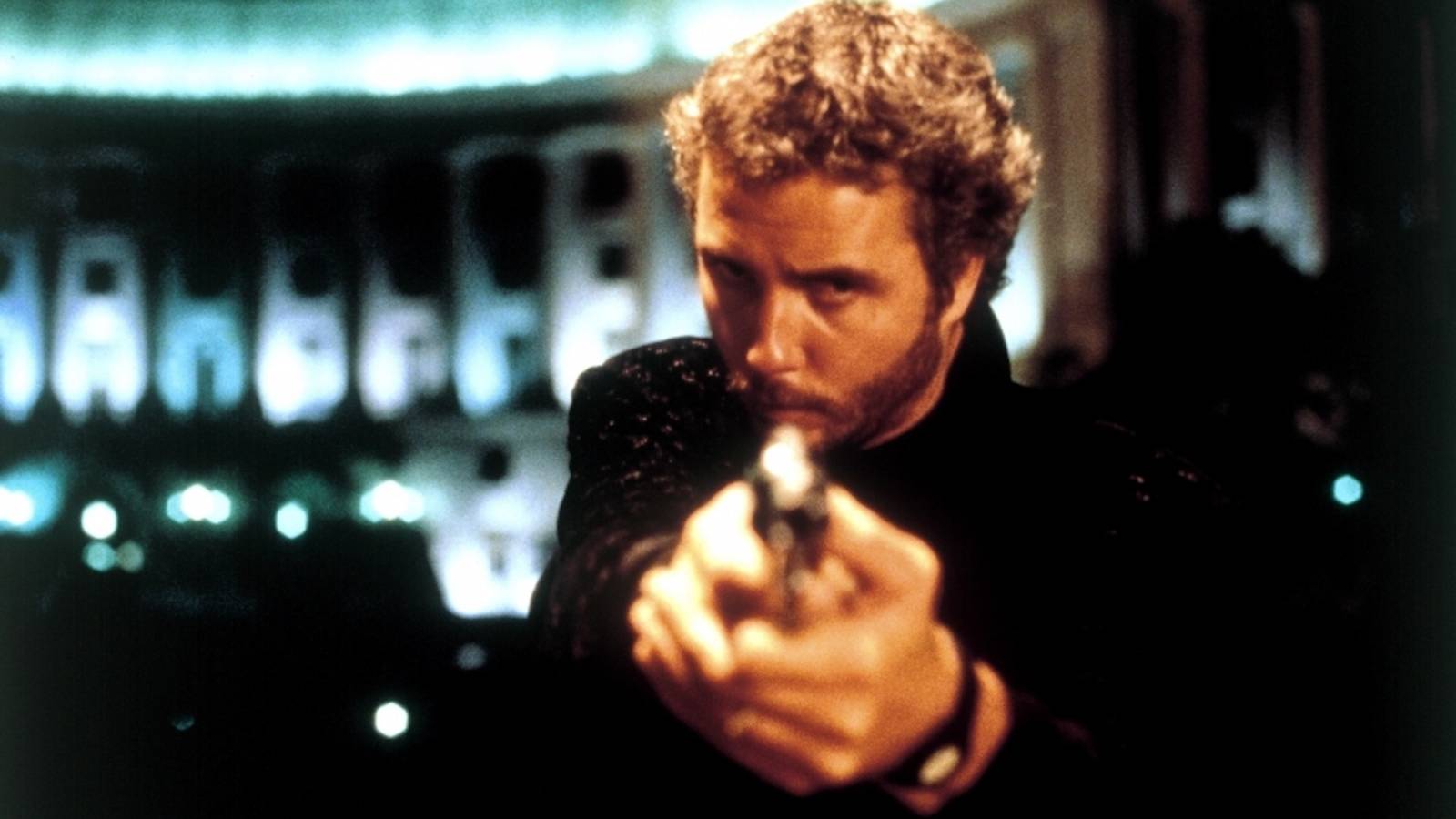
The following list identifies ten films that were either overshadowed by their contemporaries or unfairly maligned upon release. Each serves as a testament to the creativity of the era.
10. Jack’s Back (1988)
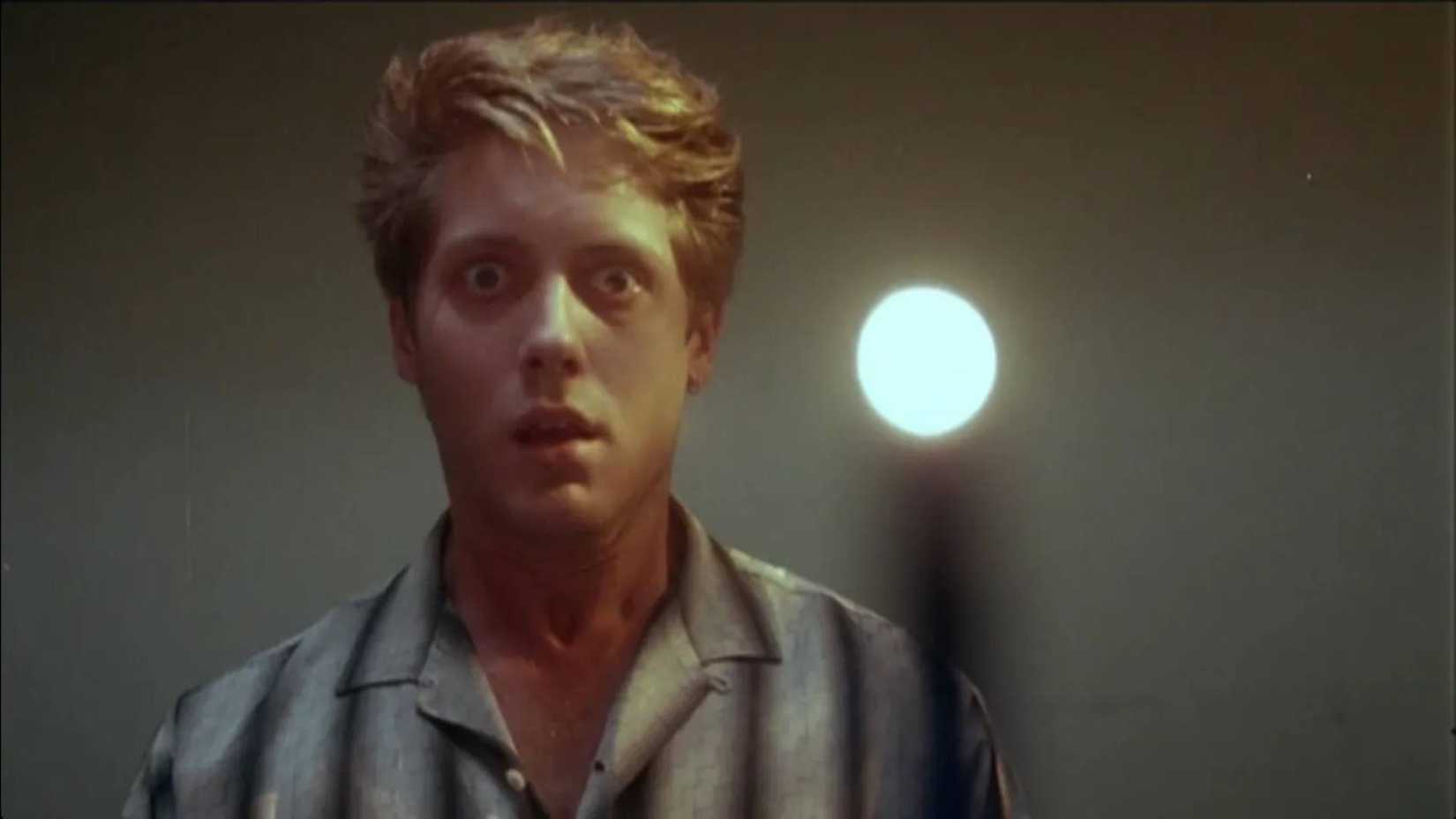
Jack’s Back serves as a bridge between the classic slasher and the high-concept psychological thriller. Set against the backdrop of a modern Los Angeles, the film follows a copycat killer who begins meticulously recreating the infamous Jack the Ripper murders.
The Hook: James Spader delivers a tour-de-force performance, playing twin brothers—one a victim, one a crusader. It is a dual role that requires significant range, and Spader manages to imbue the film with a sense of genuine dread. While it leans into the "schlock" aesthetic of late-80s horror, the film’s sincerity and its surprisingly tight script elevate it above its peers, making it a must-watch for those who enjoy a "whodunit" with a dark, gritty edge.

9. Tightrope (1984)
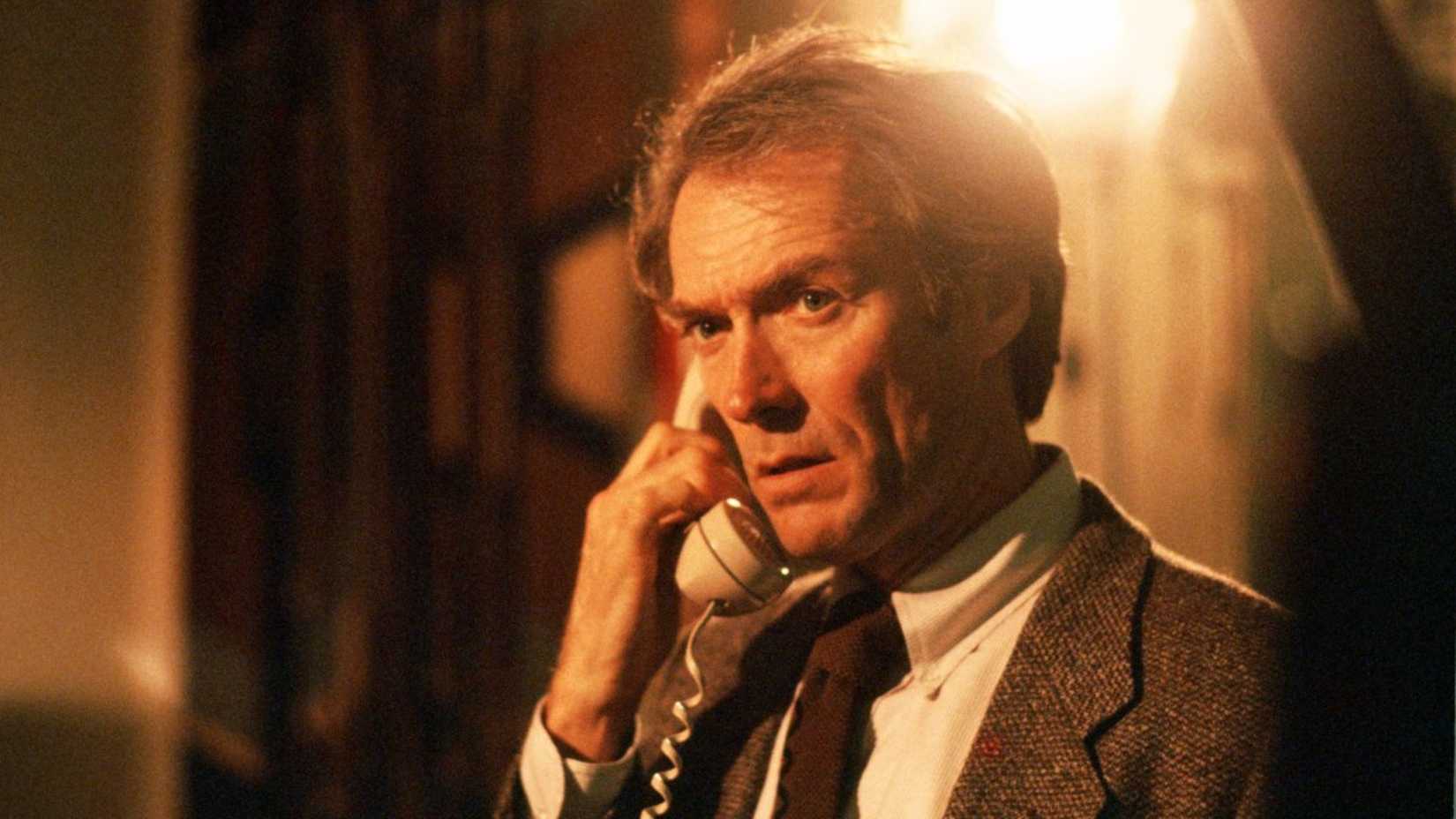
Clint Eastwood’s filmography is a sprawling map of the American psyche, and Tightrope remains one of his most misunderstood entries. Eastwood stars as Wes Block, a New Orleans detective hunting a serial killer. The twist? Block is forced to confront his own dark urges, which mirror those of the predator he is chasing.
The Implications: Tightrope explores the blurred lines between law enforcement and the criminal element. It is a bleak, moody piece of neo-noir that eschews the "action hero" tropes typically associated with Eastwood. Despite a slow middle act, the film’s commitment to exploring the seedier side of the human condition makes it a compelling, albeit uncomfortable, watch.
8. Roadgames (1981)
Australian cinema in the early ’80s was a hotbed for unique genre storytelling, and Roadgames is arguably the crown jewel of the Outback-thriller subgenre. A long-haul trucker, played with paranoid intensity by Stacy Keach, becomes convinced he is being stalked by a killer on the lonely Australian highways.
The Atmosphere: By utilizing the vast, empty landscapes of Australia, the film creates a sense of profound isolation. It functions like a dream, where logic is bent to the will of the protagonist’s growing hysteria. The finale, which remains one of the most masterfully edited sequences of the decade, proves that sometimes, less is more.
7. Dead Calm (1989)
Before Nicole Kidman became a global superstar, she starred in Dead Calm, a claustrophobic masterclass in tension. The plot is simple: a grieving couple on a sailing trip encounter a stranded stranger, only to realize he is a violent psychopath.
Supporting Data: By limiting the setting to a single boat in the middle of the ocean, director Phillip Noyce forces the audience into a state of hyper-vigilance. The performances from Kidman, Sam Neill, and a terrifying Billy Zane create a triangle of power that shifts with every scene. It is a lean, mean, and perfectly paced thriller that feels as dangerous today as it did in 1989.
6. The Stunt Man (1980)
The Stunt Man is a rare breed—a meta-commentary on the film industry disguised as an action-thriller. Peter O’Toole plays a manipulative, larger-than-life director who forces a criminal on the run to perform increasingly dangerous stunts.
Official Perspective: The film serves as a harsh satire of the dangerous working conditions in Hollywood during the early 80s. While its comedic elements might be lost on modern viewers expecting a straightforward thriller, the suspense generated by the film’s chaotic production—where the lines between reality and movie magic dissolve—is genuinely riveting.
5. Talk Radio (1988)
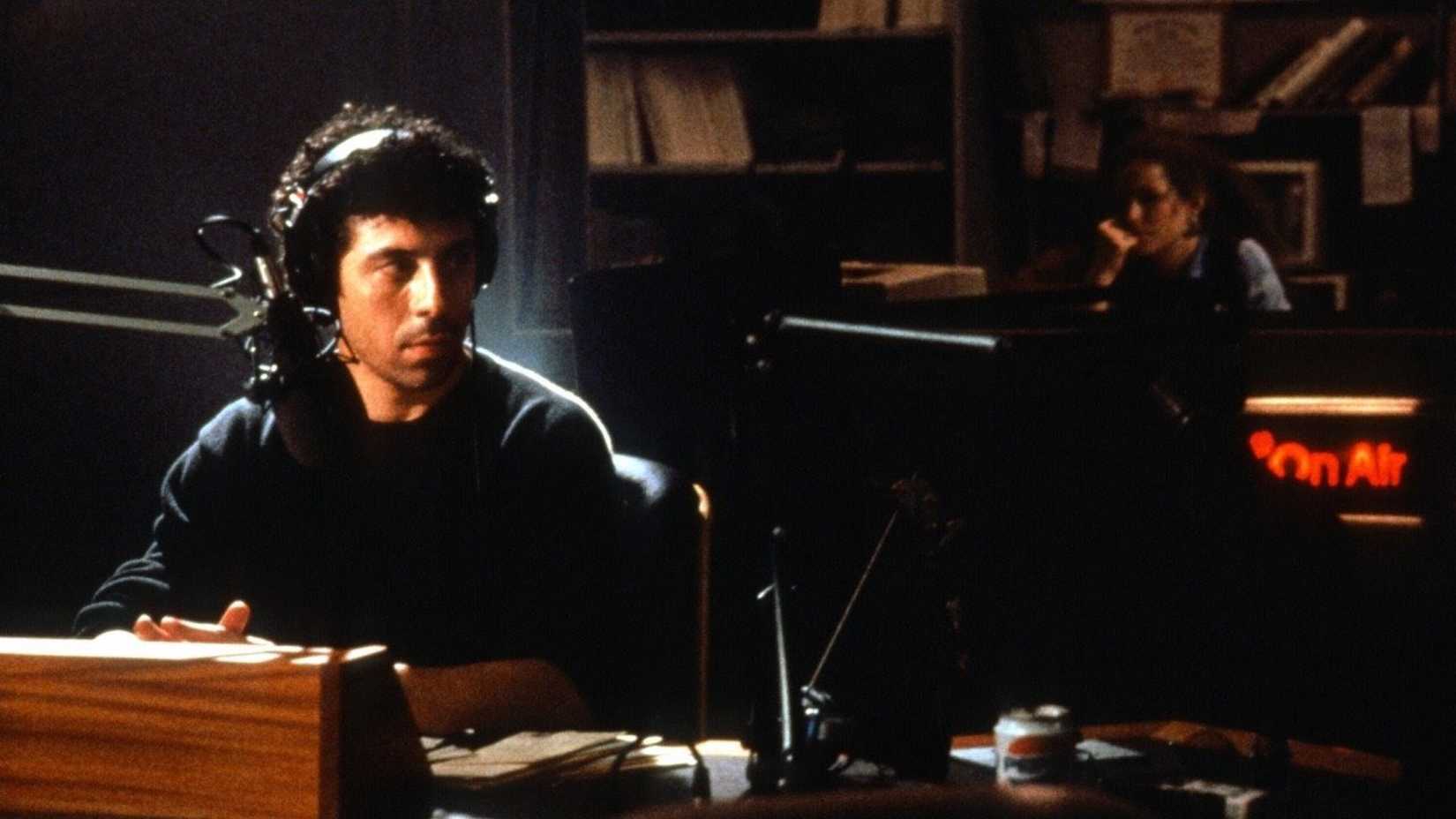
Directed by Oliver Stone, Talk Radio captures the toxic, high-energy environment of late-night talk radio. Eric Bogosian gives a career-defining performance as a shock-jock whose confrontational style draws the ire of a dangerous listener.
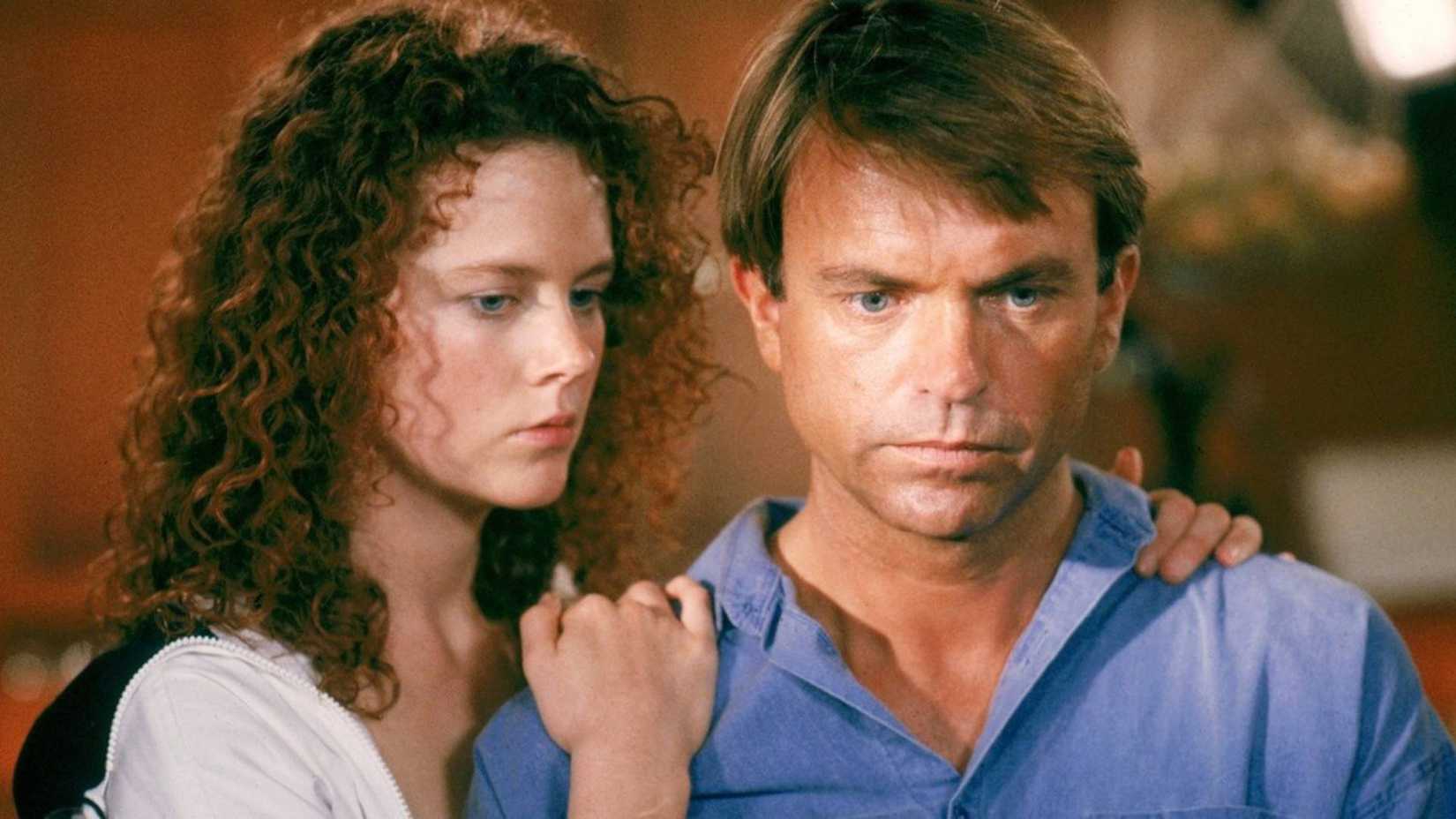
Chronology: As the night progresses, the film unfolds in real-time, building toward an inevitable and chilling conclusion. It is a small-scale, intense drama that feels more like a stage play than a film. It stands out in Stone’s filmography for its contained, claustrophobic focus, highlighting the dangers of unchecked media influence—a theme that feels eerily prescient today.
4. House of Games (1987)
David Mamet is a master of dialogue, and House of Games is his most intricate puzzle. When a psychiatrist (Lindsay Crouse) attempts to help a patient, she finds herself drawn into the world of a high-stakes con man (Joe Mantegna).
Narrative Complexity: This is not a film about car chases or shootouts; it is a film about the mechanics of deception. The script is a clockwork device of twists and turns that forces the viewer to constantly re-evaluate who they trust. It is a intellectual thriller that rewards attentive viewers with a deep dive into the psychology of the "long con."
3. Mona Lisa (1986)
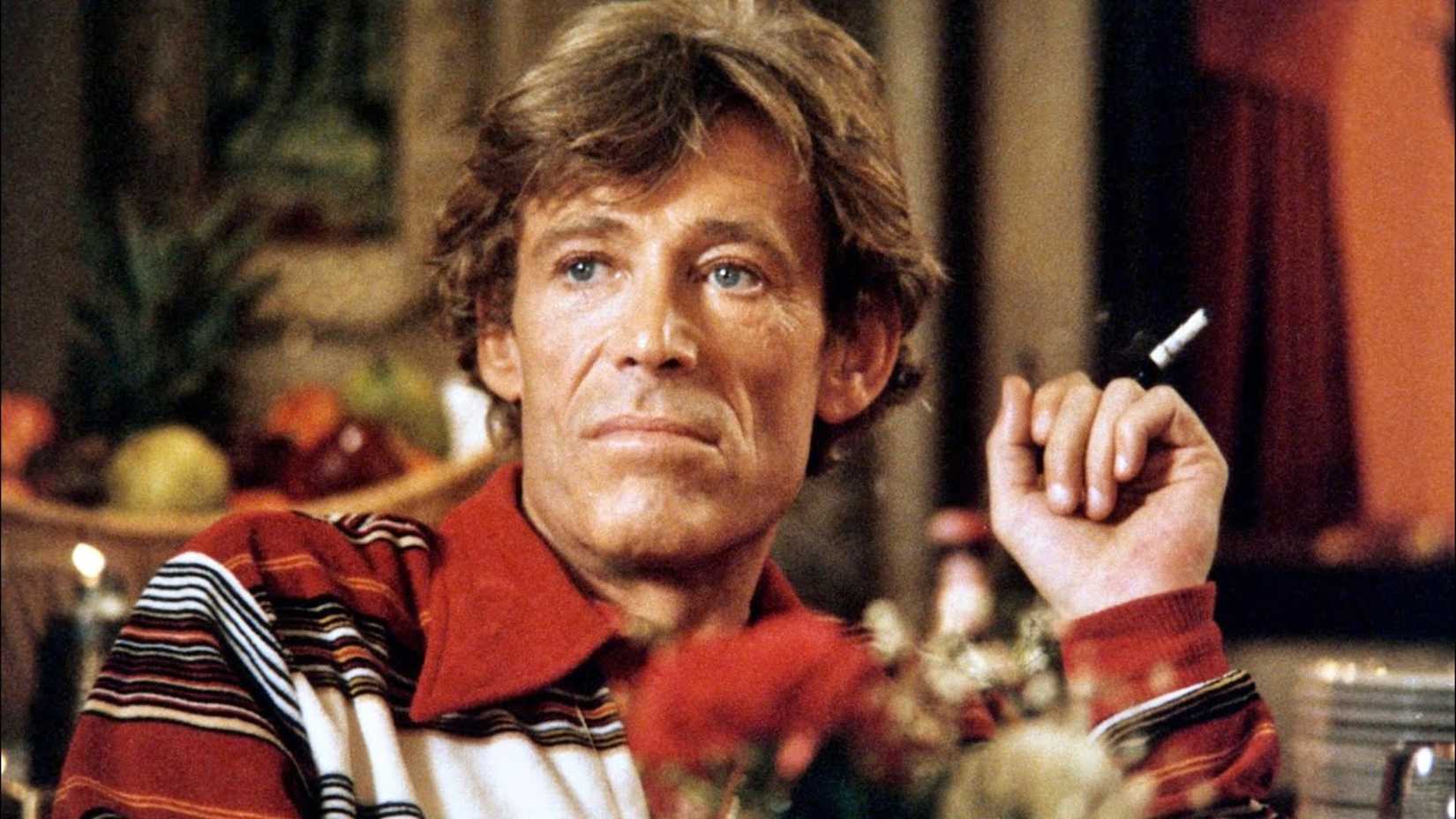
British cinema often carries a grit that American films lack, and Mona Lisa is the epitome of that style. Bob Hoskins plays an ex-con who finds himself falling for a high-end call girl while working as her driver.
Implications: The film is an exploration of obsession, class, and the criminal underworld of London. It doesn’t rely on flashy editing; instead, it uses slow-burn pacing to ratchet up the tension. When the inevitable explosion of violence occurs, it feels earned, tragic, and profoundly impactful. It is a somber look at the cost of love in a world devoid of mercy.
2. Manhunter (1986)
Often overshadowed by the cultural juggernaut that was The Silence of the Lambs, Michael Mann’s Manhunter is the superior visual experience. It was the first film to introduce the world to Hannibal Lecter, but it treats the character as a side-piece to the chilling hunt for the "Tooth Fairy" killer.
Visual Aesthetic: Drenched in neon blues and cold, sterile whites, Manhunter is perhaps the most "80s" film on this list. The soundtrack, the synth-heavy score, and the precise, clinical direction make it a sensory experience. Tom Noonan’s portrayal of the killer is hauntingly human, providing a grounded terror that remains unmatched in the genre.
1. The Long Good Friday (1980)
Topping our list is The Long Good Friday, a masterpiece of crime and suspense. Bob Hoskins delivers a career-best performance as a London mobster trying to go legitimate, only to have his empire dismantled by a mysterious enemy.
The Final Verdict: The film works as both a gritty gangster drama and a high-stakes thriller. The tension is relentless, as the audience watches a powerful man lose everything in the span of a weekend. It is a film that refuses to offer easy answers or likable protagonists, choosing instead to focus on the cold, hard reality of power. For any student of the thriller genre, The Long Good Friday is essential viewing—a perfectly crafted, anxiety-inducing descent into chaos that still stands as one of the finest films of the decade.










No comments yet. Be the first to join the conversation!