

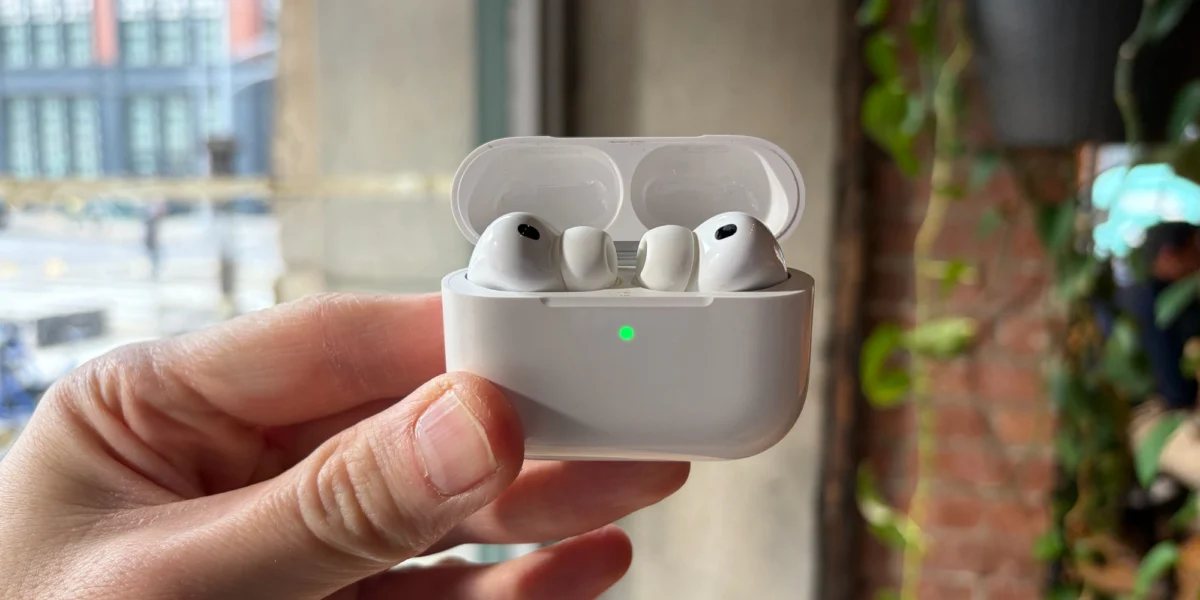
The landscape of personal technology is on the precipice of a significant paradigm shift. For years, the AirPods lineup has evolved from simple wireless earbuds into a sophisticated suite of audio hardware. Now, whispers from the supply chain and industry insiders suggest that Apple is preparing its most ambitious iteration yet: AirPods equipped with integrated infrared (IR) cameras. While initial speculation centered on novelty or basic AI integration, a clearer picture is emerging. These devices, potentially branded as "AirPods Ultra," are poised to bridge the gap between simple audio output and a comprehensive, AI-driven visual assistant—with a profound focus on health and accessibility.
Main Facts: The Hardware Evolution
The core of the current speculation lies in the integration of lightweight, low-power infrared cameras into the housing of upcoming AirPods. Unlike a traditional smartphone camera, these sensors are designed to facilitate "visual intelligence"—a process where the hardware captures environmental data and feeds it into the Apple Intelligence ecosystem to provide real-time, context-aware information.
Industry analysts expect these devices to launch later this year, likely positioned as a high-end, premium tier. The branding "AirPods Ultra" aligns with Apple’s recent efforts to segment its product lines across iPhone, MacBook, and now audio equipment. While the entry-level AirPods 4 provide a standard user experience, the "Ultra" designation suggests a device that serves as a wearable companion to the user, acting as an extension of the iPhone’s processing power and sensory input.

Chronology: A Trajectory Toward Integration
To understand why Apple would place cameras in a pair of earbuds, one must look at the historical trajectory of the AirPods line:
- The Foundation (2016–2020): The initial focus was purely on seamless connectivity and high-fidelity audio. The introduction of the H1 chip solidified the AirPods’ role as a core component of the Apple ecosystem.
- The Health Pivot (2022–2024): With the AirPods Pro 2, Apple pivoted toward health, introducing features like Hearing Aid, Hearing Health, and Hearing Protection. These updates transformed the earbuds from "listening devices" into "medical-grade audio tools."
- Biometric Integration (2025): The introduction of heart rate sensors in the AirPods Pro 3 marked a significant step in physiological monitoring.
- The Visual Horizon (2026): Current reports, including consistent leaks from Bloomberg’s Mark Gurman, confirm that R&D teams have hit major milestones in miniaturizing IR sensors for ear-worn devices. The move from simple audio to visual data processing is the next logical step in this evolutionary timeline.
Supporting Data: The Case for Visual Intelligence
The utility of these cameras is rooted in the broader "Apple Intelligence" initiative. According to recent reports, the cameras will enable a hands-free, heads-up experience. If a user is looking at an object—be it a menu, a list of ingredients, or a landmark—they can simply pose a question to Siri.
The mechanism is straightforward: The IR camera captures the visual field, the device transmits this data to the iPhone for processing, and the AI provides an immediate audio response. This is not merely about taking pictures; it is about "contextual awareness." By using IR cameras, Apple can maintain a smaller, more power-efficient profile compared to traditional CMOS sensors, while still gathering enough data for object recognition and spatial mapping.

Furthermore, recent updates to Apple’s accessibility suite provide the strongest proof of intent. The new "Image Explorer" and "Live Recognition" features announced for iOS 27 show that Apple is aggressively pursuing AI-powered descriptive technology. In the current implementation, a user must physically point their iPhone at an object to receive a description. Integrating this capability into AirPods effectively "untethers" the user, allowing them to interact with their environment without needing to hold a device in their hand.
Official Responses and Strategic Shifts
While Apple maintains its policy of not commenting on unreleased products, the company’s recent public announcements serve as a de facto roadmap. During the unveiling of the iOS 27 accessibility suite, Apple showcased video demonstrations of VoiceOver users interacting with their environment.
The description provided by Apple at the time is telling: "Users can press the Action button on iPhone to quickly ask a question about what’s in the camera viewfinder… Users can also ask follow-up questions in their own words to get more visual information."
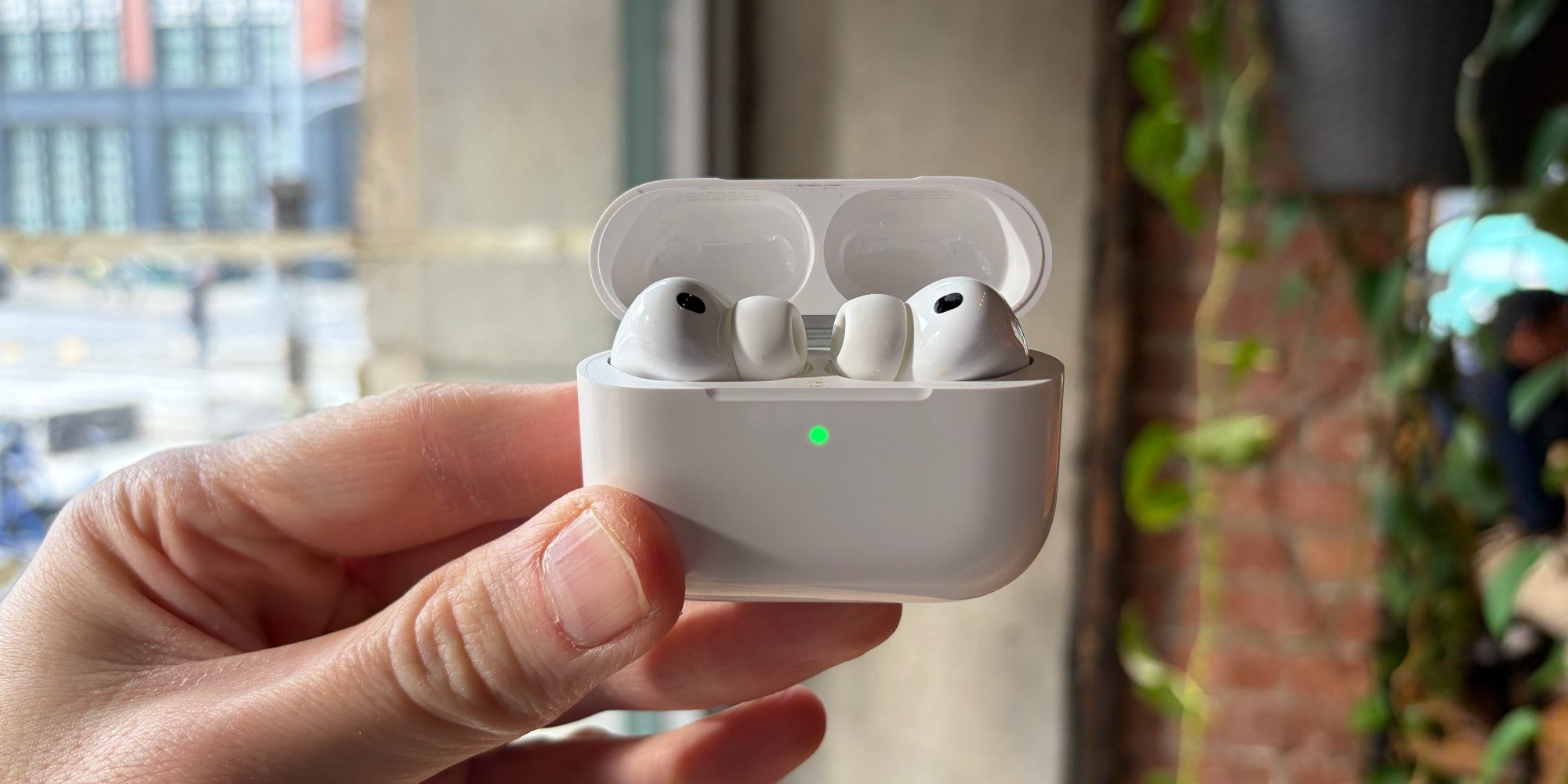
This language creates a direct path to the rumored AirPods. If the software is already built to handle descriptive, conversational visual AI, the next logical step is moving the hardware from the pocket to the ear. By delegating the "viewfinder" function to an ear-worn camera, Apple solves the primary friction point of its current accessibility tools: the need for the user to aim their phone accurately.
Implications: The Accessibility Revolution
The implications for users with visual impairments are nothing short of transformative. For the visually impaired, the world is often a collection of disparate data points. A pair of AirPods with an integrated camera could offer:
- Navigational Autonomy: Instead of just hearing "turn left," a user could be told, "Turn left at the red brick building with the blue door," providing a much richer, more natural spatial context.
- Environmental Independence: A user could enter a new environment and ask, "What is on the table in front of me?" and receive a detailed description of the objects, their positions, and even the text written on them.
- Real-time Assistance: In the workplace or at home, these devices could act as a permanent, non-intrusive assistant, identifying medications, reading labels, or helping to navigate complex digital-physical hybrid interfaces.
For the general public, the "Ultra" branding suggests that while accessibility is the primary driver, the features will likely expand to include "smart" tourism, retail assistance, and advanced fitness tracking. Imagine a scenario where a cyclist asks, "Is that trail ahead steep?" or a shopper asks, "Which of these ingredients is gluten-free?" The technology turns the environment into an interactive, searchable database.

Ethical Considerations and Privacy
With the inclusion of a camera in a personal wearable, Apple will inevitably face scrutiny regarding privacy. Historically, Apple has navigated these waters by keeping processing local (on-device) and ensuring that the camera is used for transient data collection rather than persistent recording.
It is highly probable that the "AirPods Ultra" will incorporate physical privacy indicators—perhaps a small LED or a clear haptic feedback signal—to notify bystanders when the camera is active. Furthermore, because the cameras are likely IR-based, they are inherently less capable of capturing high-resolution "voyeuristic" imagery, which may help mitigate public privacy concerns while still providing the necessary data for AI object recognition.
Conclusion: A New Era for Wearables
The transition to camera-equipped AirPods represents a fundamental change in the relationship between humans and their digital assistants. We are moving away from an era of "looking down" at our phones to an era of "looking out" through our devices.

If the rumors hold true, the AirPods Ultra will not just be the best sounding earbuds on the market; they will be the most helpful. By leaning into health and accessibility, Apple is once again proving that its most successful products are those that solve real-world human challenges. As we look toward the fall launch, the question is no longer "Why would Apple put a camera in AirPods?" but rather, "How did we ever manage without one?"
The integration of visual intelligence into the ear is a bold move. It signals a future where technology is invisible, ambient, and profoundly attentive. Whether you are a power user seeking the latest in wearable AI or someone who relies on assistive technology to navigate the world, the upcoming AirPods Ultra represent a significant leap forward in the capability of the human-device interface.












No comments yet. Be the first to join the conversation!