
 Asep Darmawan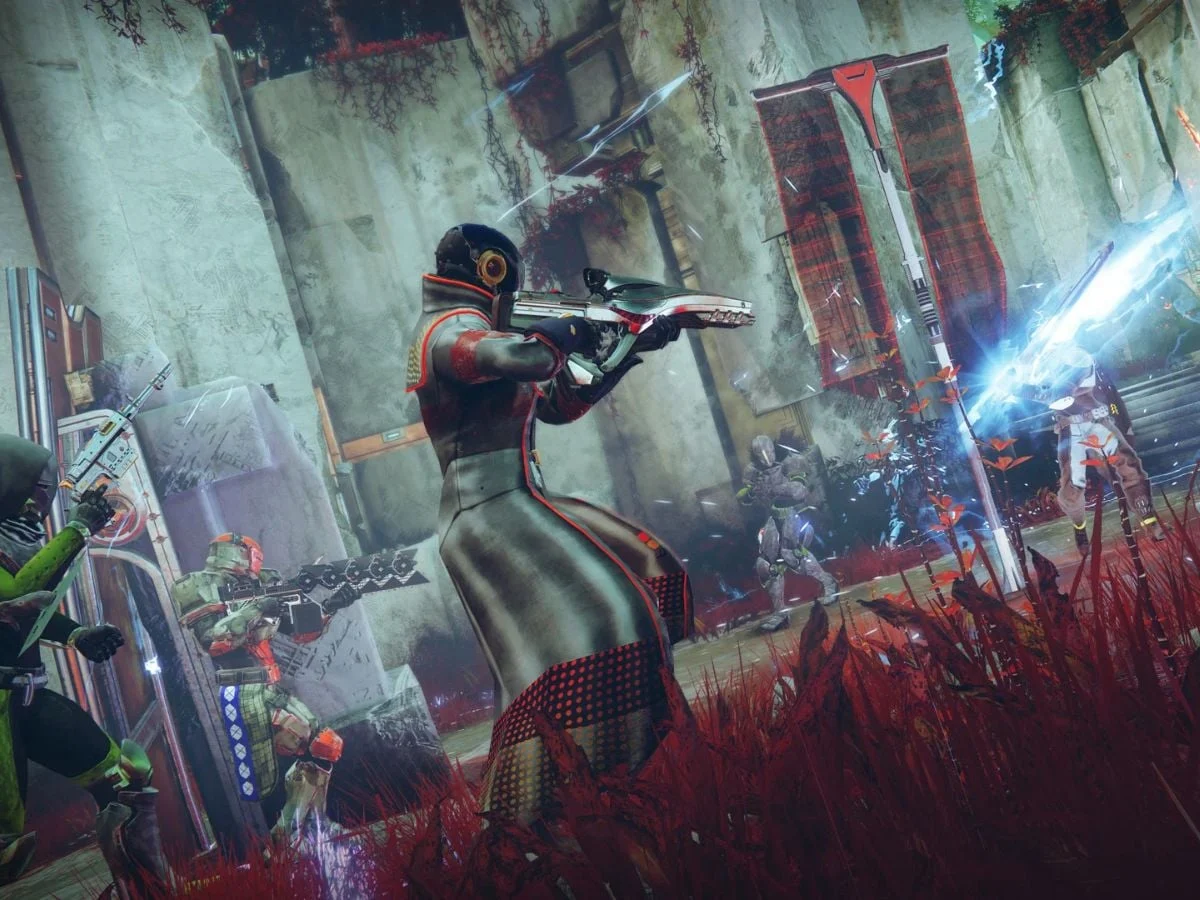
The gaming industry is currently grappling with a period of unprecedented volatility, characterized by sweeping restructurings and a recalibration of live-service ambitions. At the epicenter of this latest upheaval is Bungie, the storied studio behind the Halo and Destiny franchises. Recent reports indicate that the developer—now a subsidiary of Sony Interactive Entertainment—has no plans for a Destiny 3, signaling a definitive end to the current iteration of the studio’s flagship franchise and precipitating a wave of anticipated layoffs.
As Bungie prepares to sunset its long-running online shooter, Destiny 2, the community and industry analysts alike are left to contemplate the human and creative costs of this strategic pivot.
The Core Reality: No Destiny 3 and Workforce Reductions
The primary catalyst for this shift is the confirmation, corroborated by reports from Bloomberg, that Bungie has abandoned any internal efforts to develop a third entry in the Destiny saga. For nearly a decade, Destiny 2 has served as a cornerstone of the live-service model, evolving from a standard console shooter into a massive, persistent, and ever-changing digital universe.
However, the decision to halt development on the franchise is not merely a creative pivot; it is an economic one. According to individuals familiar with the studio’s internal operations, the conclusion of the Destiny 2 development roadmap has left a massive portion of the studio’s staff without a designated project. Because there is no Destiny 3 to transition into, Bungie is facing a significant workforce reduction. While the exact number of affected employees has yet to be finalized or disclosed, the sentiment within the studio is described as one of uncertainty and concern.
A Chronology of a Declining Destiny
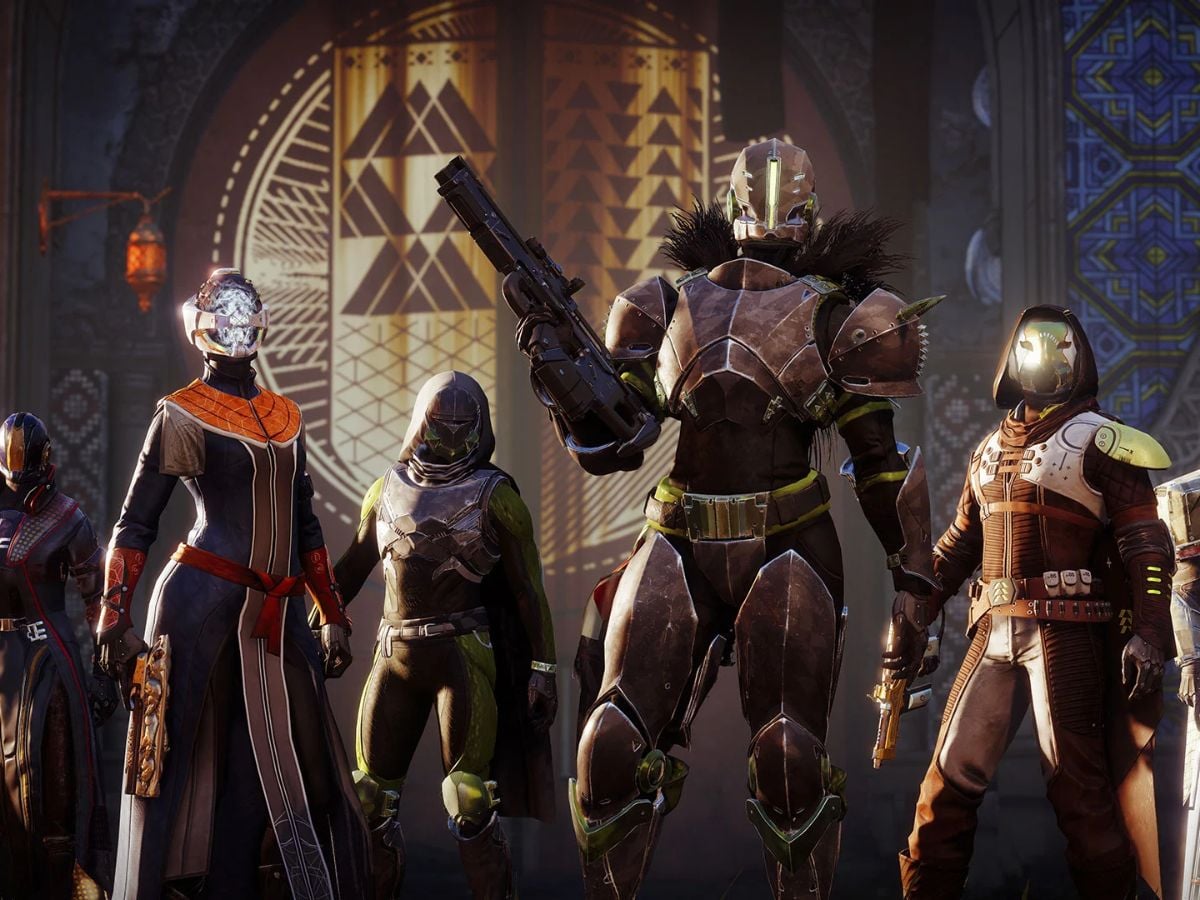
To understand the weight of this announcement, one must look at the timeline of the Destiny franchise, which has defined the last twelve years of Bungie’s corporate identity.
- 2014: The Birth of a Universe: Bungie launched the original Destiny, promising a decade-long journey that would redefine the first-person shooter genre through MMO-lite mechanics and social spaces.
- 2017: The Refinement of Destiny 2: The sequel arrived with a more polished narrative and refined gameplay loops, solidifying the game’s place as a dominant live-service platform.
- 2022: The Sony Acquisition: In a move that sent shockwaves through the industry, Sony Interactive Entertainment acquired Bungie for $3.6 billion. The acquisition was framed as a way for PlayStation to gain expertise in live-service development.
- 2024: The Final Shape: The release of the Final Shape expansion marked the conclusion of the "Light and Darkness Saga," a narrative arc that had been the heartbeat of the game since its inception.
- 2025/2026: The Sunset: With the final scheduled updates concluding on June 9, the game enters a maintenance-only phase. Bungie has officially stated that while the game will remain playable, it will no longer receive the content drops that defined its previous existence.
Supporting Data: The Live-Service Paradox
The situation at Bungie reflects a broader "live-service fatigue" currently affecting the entire gaming sector. For years, major publishers pushed for "forever games" that would generate recurring revenue for a decade or more. However, the market has become saturated.
According to recent industry analysis, player retention for live-service titles has become increasingly difficult. Maintaining the high-fidelity content cadence required to keep players engaged in Destiny 2 is an incredibly resource-intensive process. When player engagement metrics plateau or decline, the cost of development begins to outweigh the revenue generated by microtransactions and seasonal passes.
Furthermore, Bungie’s struggle is compounded by the "studio silo" effect. Many developers were hired specifically for their expertise in the Destiny engine and its unique mechanics. When the project lifecycle ends, those specialized skills do not always translate immediately to other projects like Marathon, leaving the studio with a "talent mismatch" that often leads to staff redundancy.
Official Responses and Corporate Messaging
Bungie has been careful to frame this transition as a evolution rather than an abandonment. In a recent communication regarding the future of the franchise, the studio noted:
"For almost twelve years, we have had the joy and honor to explore the Destiny universe with you all. Through all the ups and downs, surprises and triumphs, building Destiny alongside our players has been a monumental privilege. While our love for Destiny 2 has not changed, it has become clear that after The Final Shape, we have reached the time for our shared worlds, and Destiny, to live beyond Destiny 2."
The studio has emphasized that the game remains a core pillar of their identity, even if it is no longer the engine of their growth. They have publicly committed to keeping the servers active, ensuring that players who have invested thousands of hours—and dollars—into the game do not see their progress disappear. However, the absence of new content effectively means the game is entering a "legacy" status.
The Pivot to Marathon
In the wake of Destiny, all eyes are on Marathon, Bungie’s upcoming extraction shooter. The game is being positioned as the future of the studio. However, the reception to Marathon has been mixed, with some fans of the Destiny formula expressing skepticism about the shift toward a hardcore extraction-based gameplay loop.
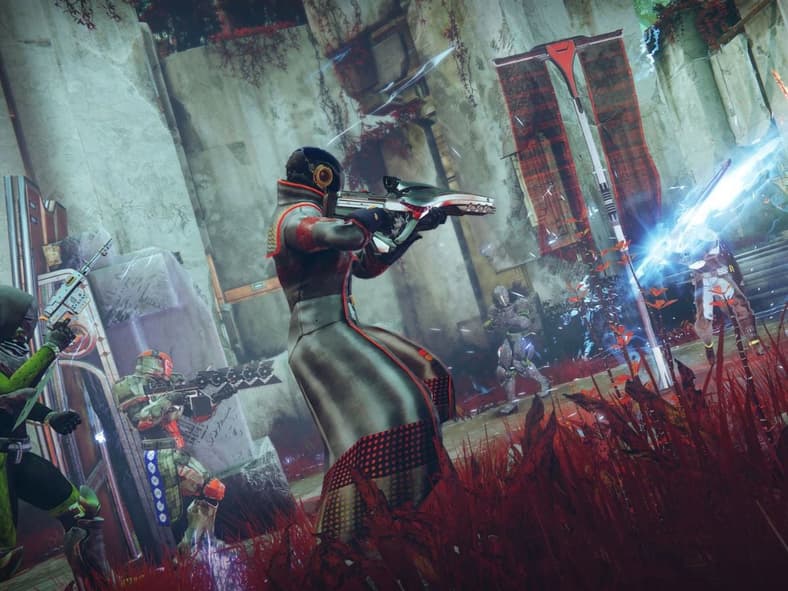
In an effort to mitigate this, reports suggest Bungie is actively diversifying the gameplay within Marathon. Recent updates indicate that the developers are integrating PvE (Player vs. Environment) content to broaden the game’s appeal. This move is a direct response to the massive, diverse player base of Destiny 2, many of whom prioritize story-driven, cooperative play over the high-stakes, player-vs-player competition found in traditional extraction shooters.
Broader Implications for the Gaming Industry
The situation at Bungie is a bellwether for the "Big Budget" gaming industry. Several key implications emerge from this development:
- The End of the "Forever Game" Myth: The industry is learning that there is a limit to how long a single title can sustain a studio. The maintenance costs of massive, live-service games are unsustainable in a market where players have limited time and attention.
- The Human Cost of Restructuring: The inevitable layoffs serve as a stark reminder of the instability inherent in the modern AAA game development model. When a studio hinges its entire fiscal year on the success of one or two titles, the end of a project cycle creates a "boom and bust" cycle for employees.
- The Shift in Sony’s Strategy: As the parent company, Sony’s role in this transition is being scrutinized. The acquisition of Bungie was intended to help PlayStation launch its own suite of live-service titles. If Bungie is struggling to keep Destiny afloat, it raises questions about the viability of Sony’s overall strategy for the medium.
- Consolidation Risks: The reliance on a single, massive franchise is proving to be a dangerous corporate strategy. As studios look for the next "hit," the focus is shifting away from iteration toward high-risk, high-reward new intellectual properties.
Conclusion
The decision to forgo Destiny 3 marks the end of an era. For the developers who spent years crafting the lore, the raids, and the combat systems of the Destiny universe, this is a moment of profound transition. For the players, it is the closing of a chapter that has been a significant part of their social lives for over a decade.
As Bungie navigates these choppy waters, the industry will be watching closely. Whether the studio can successfully transition its talent to Marathon or other future projects remains to be seen. What is clear, however, is that the era of the "endless" live-service game is undergoing a painful, necessary, and inevitable transformation. The gaming landscape is changing, and Bungie—a studio that once set the standard for what a shooter could be—is now forced to change with it, or risk fading into the history of the very medium it helped define.


 Sagoh
Sagoh
 Ammar Sabilarrohman





