Muslim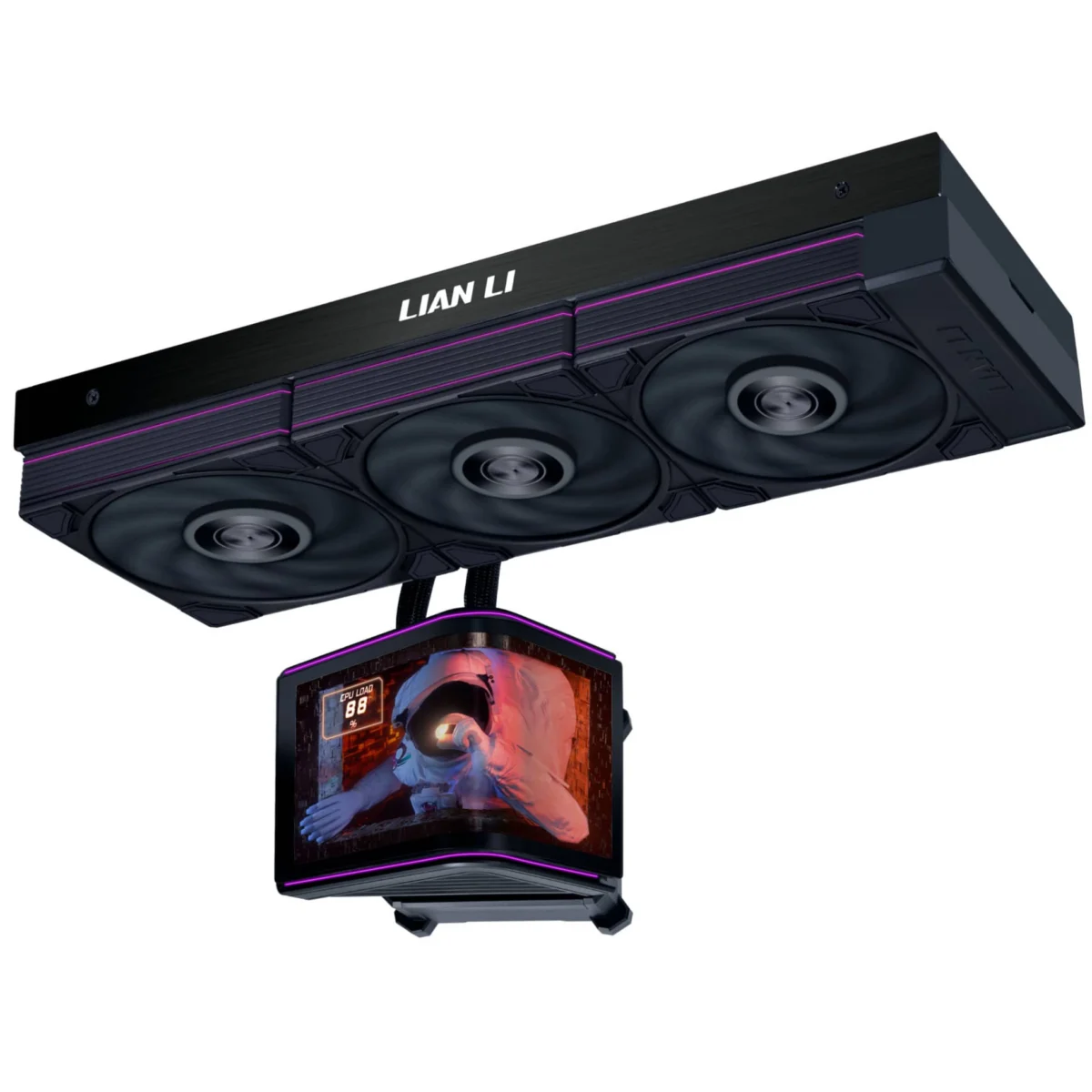
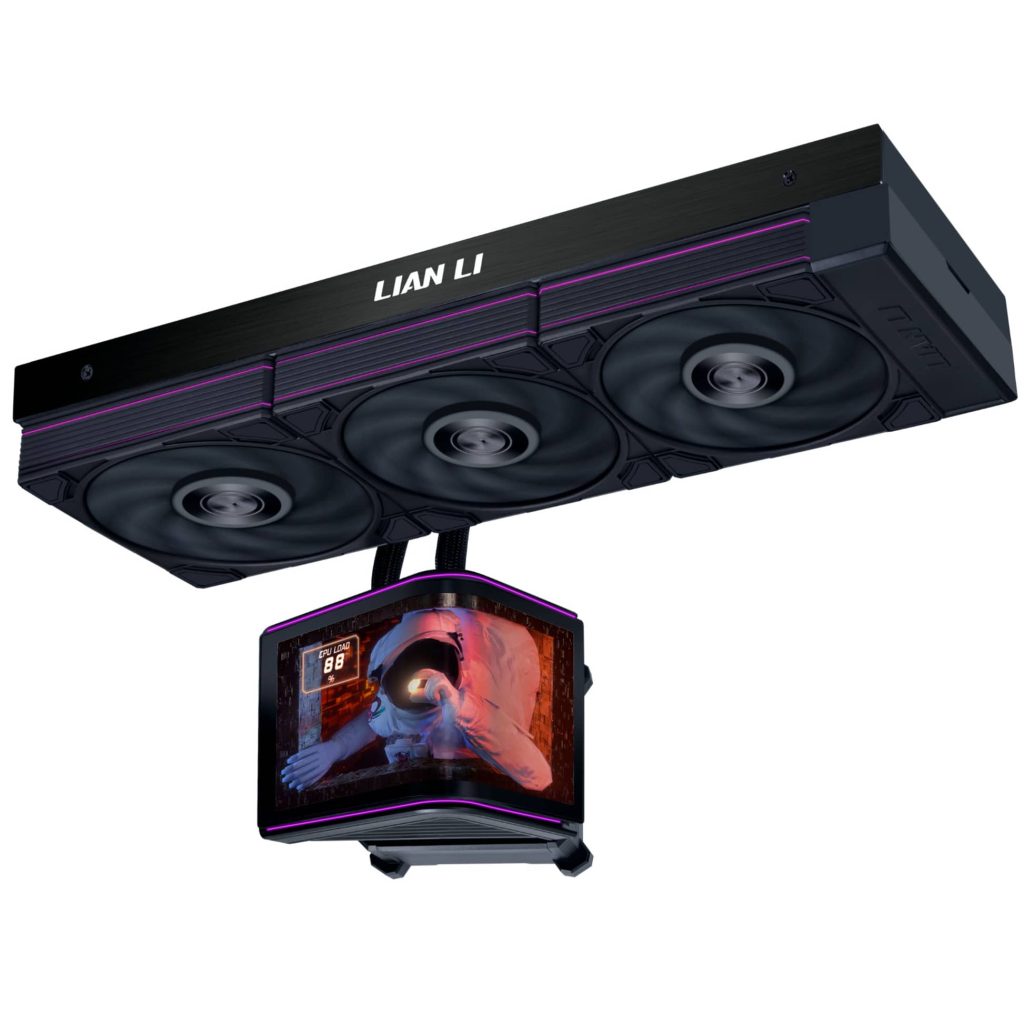
In the competitive landscape of high-end PC components, Lian Li has consistently maintained its reputation for innovation and premium build quality. Today, the company pushes the boundaries of desktop customization even further with the global launch of the HydroShift II OLED Curved 360. Moving beyond the standard digital displays seen on competitors’ AIOs, Lian Li has integrated a motorized, 6.67-inch curved 2K OLED panel, transforming the humble CPU cooler into a versatile secondary monitor and a centerpiece for enthusiast builds.
Main Facts: The Evolution of the AIO
The HydroShift II represents a significant departure from conventional AIO design. At its core, the system features a 360mm radiator paired with an innovative, motorized display module.
Key Specifications:
- Display: 6.67-inch curved 2K OLED (2288 x 1048 resolution), up to 500 nits brightness.
- Mechanism: Dual-axis motorized lift and tilt (up to 45 degrees), controlled via L-Connect 3 software.
- Connectivity: Magnetic pogo-pin attachment for tool-less removal and hot-swapping.
- Cooling Performance: 24mm-thick 360mm radiator with a 2800 RPM "Turbo Mode" pump.
- Aesthetic Integration: Side-mounted tubing and hidden cable routing for a clean, minimalist look.
Lian Li has introduced three distinct tiers for the HydroShift II to cater to different user needs:
- 360TL ($339.99 / €339.99): Bundled with UNI FAN TL FLEX fans, featuring LCP (Liquid Crystal Polymer) blades for high-static pressure and performance up to 2600 RPM.
- 360P28 ($299.99 / €299.99): Equipped with high-performance UNI FAN P28 V2 fans capable of reaching 3000 RPM, including a dedicated speed controller with five ranges.
- Fanless Edition ($279.99 / €279.99): Designed for enthusiasts who wish to use their own specialized high-airflow fans.
Chronology of Development: From Concept to Launch
The journey to the HydroShift II began with Lian Li’s desire to solve the "static display" problem. While many AIOs feature small, circular LCDs, they often lack the screen real estate to provide meaningful information without looking cluttered.
- Early 2024: Internal design documents shifted from static mounting to motorized mechanisms to address airflow interference and viewing angles.
- Q2 2024: Integration of the 6.67-inch curved panel was finalized, testing the limits of the L-Connect 3 software ecosystem to handle real-time data monitoring alongside media playback.
- May 2026 (Launch Month): Lian Li finalized the manufacturing of the magnetic pogo-pin connector, allowing users to move or swap the screen without interrupting the coolant flow or power-cycling the PC.
- Present Day: The product has entered the distribution phase, with pre-orders live at major retailers like OCUK.
Supporting Data: Why the Curved Display Matters
The integration of a 2K resolution OLED panel is not merely for aesthetics. Lian Li’s research into user behavior suggested that many enthusiasts are already using secondary small-form-factor (SFF) screens inside their cases to monitor system telemetry. By building the screen into the AIO, Lian Li is effectively eliminating the need for complex internal wiring and additional USB header usage.
The Software Advantage (L-Connect 3)
The utility of the screen is entirely dependent on the software, and L-Connect 3 has been updated specifically for this unit. Users can toggle between:
- Full-Screen Mode: Displaying high-fidelity wallpapers or custom media.
- Split-View/Triple-Split: Dedicated zones for CPU/GPU temperatures, clock speeds, and fan RPMs.
- Secondary Screen Mode: Because the display is detected by the OS as a secondary monitor, users can drag Windows application windows onto the cooler, effectively turning the center of the CPU block into a functional interface for Discord, Spotify, or OBS Studio control panels.
Thermal Efficiency
Despite the high-tech display, the cooling loop remains a top priority. The 24mm-thick radiator is optimized for balanced thermal dissipation, ensuring that the 2800 RPM pump can handle modern high-TDP processors from Intel and AMD without excessive noise. The side-mounted tubing is a deliberate choice to prevent the "kinked" look common in top-mounted AIO installations, further emphasizing the clean-build aesthetic that Lian Li is famous for.
Official Responses and Industry Context
Industry analysts have noted that this release marks a shift in how AIO manufacturers view the "premium" segment. Lian Li’s decision to include a fanless option at a lower price point acknowledges the growing "Do It Yourself" (DIY) culture where users prefer to source their own performance fans—often from manufacturers like Noctua or Phanteks.
"We wanted to give the user complete control," said a spokesperson for the development team. "Whether you want the integrated look of our UNI FANs or a custom aesthetic, the HydroShift II is designed to be the foundation of your build, not just a component within it."
Market feedback has been largely positive regarding the pogo-pin magnetic mount. By allowing the screen to be removed without breaking the liquid loop, Lian Li has solved the maintenance anxiety often associated with complex water-cooling setups.
Implications: The Future of Internal PC Aesthetics
The launch of the HydroShift II signals a broader trend in the PC component industry: the "Screen-ification" of the internal chassis.
Implications for PC Builders:
- Increased Complexity vs. Convenience: While the display adds significant value, it requires a robust understanding of internal USB header management. Lian Li’s hub-based system will be critical for those looking to manage the power for the motor, the data for the display, and the PWM signals for the fans.
- The End of the Static Case: With a screen that tilts up to 45 degrees, the viewing angle of the CPU cooler is no longer fixed. This allows users with different case layouts (e.g., inverted layouts or vertical GPU mounts) to adjust the display to face them directly, maximizing the aesthetic impact regardless of case orientation.
- Future-Proofing: By treating the screen as a modular, magnetic component, Lian Li has opened the door for future accessories. One could speculate on future iterations that might feature different display sizes, touch-sensitive modules, or even physical toggle switches instead of screens.
Conclusion
The Lian Li HydroShift II OLED Curved 360 is more than a cooling solution; it is a statement piece. By marrying high-end thermal performance with a versatile, high-resolution display, Lian Li has solidified its position at the vanguard of PC hardware design. As the industry moves toward more personalized, data-rich builds, the HydroShift II sets a high bar for what enthusiasts should expect from a premium AIO liquid cooler.
For those looking to bridge the gap between pure performance and desktop showmanship, this cooler represents the current pinnacle of the market. Whether it is worth the $339.99 entry price will ultimately depend on how much value a builder places on the intersection of cooling and digital customization. However, for the modern enthusiast, the HydroShift II is a glimpse into the future of the custom PC.

 Rifan Muazin
 Lina Irawan