

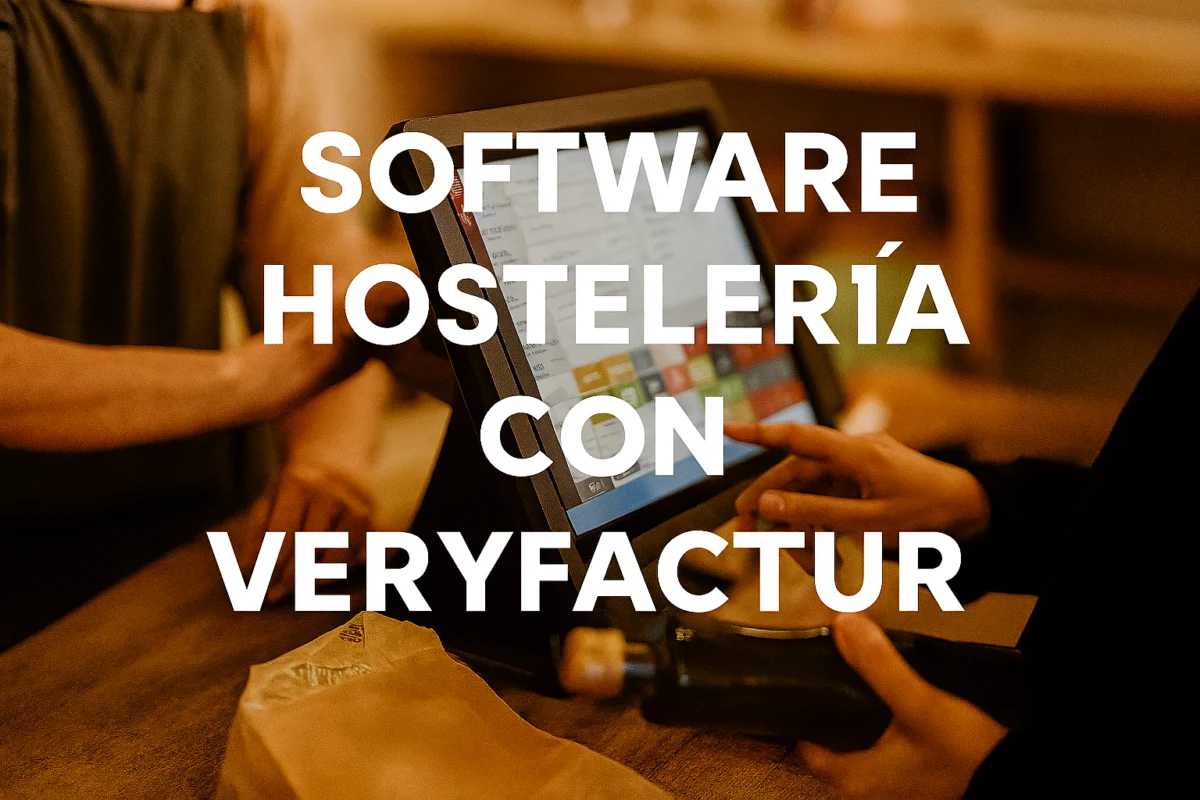
In the modern hospitality landscape, digitalization has evolved from a competitive advantage into an absolute prerequisite for survival. The era of manual bookkeeping, scribbled guest checks, and fragmented operational systems is rapidly coming to a close. For restaurants, cafes, and bars, the shift toward integrated software solutions—such as robust POS systems, digital ordering platforms, and automated accounting tools like Veryfactur—is not merely a trend; it is a fundamental transformation of the business model.
By automating repetitive, labor-intensive tasks, hospitality businesses can liberate their most valuable assets—their staff—allowing chefs, servers, and managers to refocus on the core of the industry: the culinary experience and guest hospitality.
The Paradigm Shift: From Paper to Pixels
Historically, the engine of a restaurant relied on the "analogue" trio: handwritten notes, spreadsheet calculations, and the fallible memory of the staff. This approach was inherently prone to human error, slow to scale, and lacked the transparency required for modern financial management.
Today, the operational paradigm has shifted toward centralized control. By adopting an integrated Point of Sale (POS) system, restaurants create a digital spine for their business. A modern POS does more than process payments; it acts as a central nervous system, synchronizing inventory with real-time sales, tracking labor hours, and generating hourly performance data. This transition reduces operational friction, allowing businesses to pivot instantly during unexpected spikes in demand.
Key Operational Improvements:
- Precision in Sales: Every transaction is logged, reducing discrepancies between cash and digital income.
- Inventory Synchronization: Automated deduction of ingredients as dishes are sold.
- Data-Driven Scheduling: Utilizing historical sales data to determine staffing levels, preventing both under-staffing and labor wastage.
Chronology of Digital Integration
The journey toward a fully digital restaurant typically follows a logical progression of maturity. Understanding this roadmap is essential for owners looking to upgrade their infrastructure without overwhelming their team.
- Phase One: The Digital Foundation (POS Implementation). The first step is replacing the legacy cash register with a cloud-based POS system. This provides the first layer of reliable data, establishing a record of every transaction and item sold.
- Phase Two: Streamlining the Front-of-House (Digital Comanderos). Once the POS is stable, the next step is the introduction of mobile ordering devices. This ensures that the order flows from the table directly to the kitchen display system (KDS), removing the "middleman" of paper slips.
- Phase Three: Automated Compliance (Fiscal Integration). Once operational data is digital, the final step is linking these sales to automated invoicing and tax compliance software like Veryfactur. This closes the loop between the guest’s bill and the company’s tax filings.
Reducing Human Error and Improving Communication
The "silent killer" of restaurant margins is often the communication gap between the dining room and the kitchen. Common issues—such as illegible handwriting, missed dietary requirements (allergens), and uncoordinated dish delivery—directly impact customer satisfaction and food waste.
By adopting a digital ordering ecosystem, the order becomes a data packet rather than a physical paper slip. This ensures that:
- Accuracy is Guaranteed: The kitchen receives exactly what the server entered, including modifications or special requests.
- Traceability is Maintained: Every dish is linked to a specific table and server, allowing management to track the lifecycle of a meal from order to delivery.
- Tempo Optimization: Managers can monitor "time-to-table" metrics, allowing for the balancing of kitchen load during peak hours to ensure service quality remains consistent.
Supporting Data: The Cost of Inefficiency
The financial implications of manual systems are stark. Industry benchmarks suggest that restaurants operating with fully integrated, automated inventory and POS systems see a reduction in food waste by 15-20% within the first year. Furthermore, labor costs—often the highest overhead in hospitality—can be optimized by 10% through data-driven scheduling.
When inventory is managed manually, "shrinkage" (unaccounted for loss) is often ignored. With automated systems that link sales directly to ingredient consumption, owners can identify exactly where margins are eroding. If the system reports a specific dish is underperforming in terms of profitability despite high sales volume, the owner has the data to adjust the recipe or the pricing strategy immediately.
Veryfactur: The Fiscal Edge
One of the most significant burdens for independent restaurateurs is the intersection of sales and tax compliance. Regulations are tightening globally, and manual bookkeeping is no longer a sustainable way to handle VAT, digital invoicing, and accounting records.
Official Benefits of Fiscal Automation:
- Real-time Compliance: Systems like Veryfactur automate the generation of compliant invoices, ensuring that the business adheres to local tax laws without manual intervention.
- Audit Readiness: By keeping a clean, digital, and immutable trail of all financial transactions, the stress of tax audits is significantly diminished.
- Seamless Integration: When the POS and accounting software talk to each other, the accountant receives clean, reconciled data, reducing billable hours and professional fees.
Strategic Implications: Data as a Decision-Making Tool
The most profound shift brought by digitalization is the transition from "gut feeling" management to "data-driven" strategy. When a manager can look at a dashboard and identify the top five most profitable dishes, the slowest hours of the week, and the average spend per head by server, the business is no longer guessing—it is executing.
Tactical Decisions Enabled by Analytics:
- Dynamic Menu Engineering: Identifying which items have the highest profit margins versus those that have the highest popularity.
- Predictive Staffing: Using historical data to predict surges, ensuring that payroll is never wasted on quiet shifts.
- Customer Loyalty Programs: Using purchasing data to offer personalized discounts or rewards, increasing the Lifetime Value (LTV) of the customer.
Addressing the Barriers to Digitalization
Resistance to change is common in the hospitality industry. Staff members may fear technology will complicate their work, and owners may fear the initial investment. However, these barriers are often psychological rather than practical.
Overcoming Resistance:
- Training: Investing in intuitive software that requires minimal training reduces the learning curve for staff.
- Phased Implementation: Start with the POS, then add the kitchen display, and finally the accounting automation. Avoid trying to change everything at once.
- Demonstrating Value: Show the staff how the technology makes their job easier—for example, explaining that mobile ordering means fewer trips to the POS terminal and fewer mistakes to apologize for.
The Future: An Integrated Ecosystem
The pinnacle of operational success is the "integrated ecosystem." In this environment, the front-of-house, kitchen, back-office, and accounting departments are connected via a unified API.
When a customer pays a bill, that action:
- Reduces inventory levels for the ingredients used.
- Records the revenue in the accounting system.
- Updates the tax obligation for the current period.
- Provides feedback on the server’s sales performance.
This level of connectivity eliminates duplicate entries, which are the primary source of manual errors. It frees up managers to spend their time on the floor, engaging with guests and ensuring that the service quality matches the digital efficiency of the back-end systems.
Conclusion: Investing in Resilience
Digitalization in the hospitality sector is not about replacing the human touch; it is about providing the tools that allow the human touch to shine. A restaurant that spends hours on manual reconciliation is a restaurant that is not focused on the guest.
By implementing an integrated stack—comprising a reliable POS, a responsive ordering system, and a robust fiscal solution like Veryfactur—restaurateurs are building a business that is not only more profitable but also more resilient. In a sector defined by thin margins and intense competition, technology provides the clarity needed to navigate change and the speed required to seize opportunities. The investment in these systems is, ultimately, an investment in the longevity and reputation of the brand itself.









No comments yet. Be the first to join the conversation!