

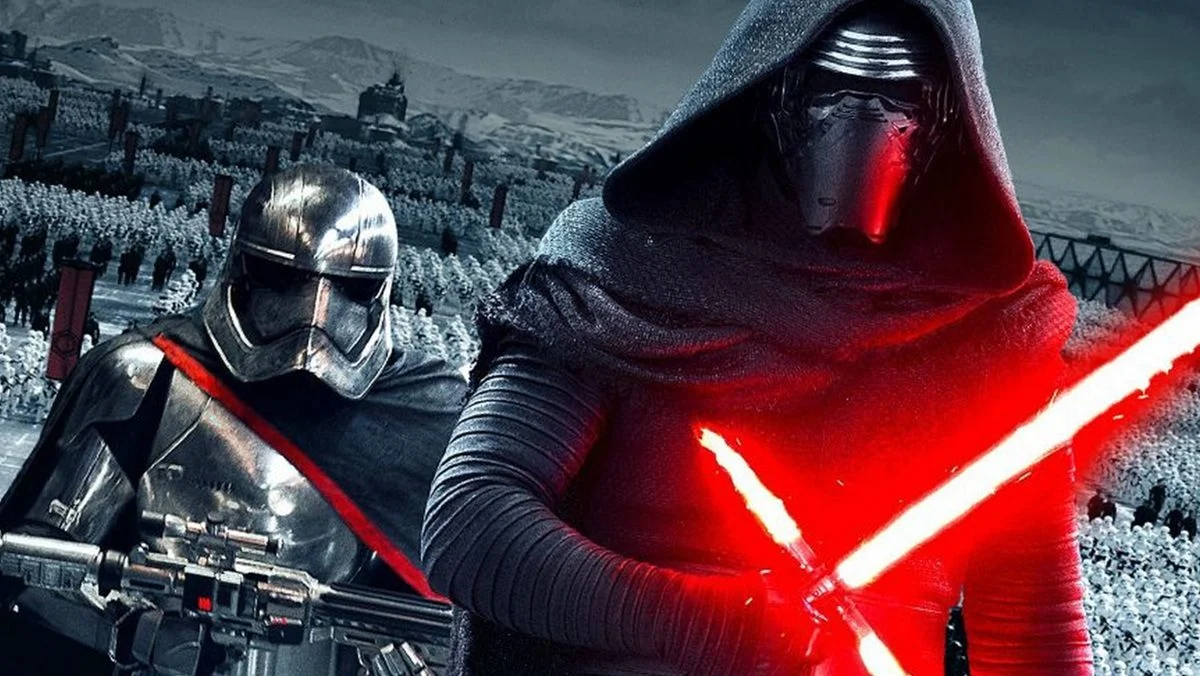
When Star Wars: The Force Awakens premiered in 2015, it arrived as a cinematic enigma. The project was so aggressively shielded by secrecy that audiences were deprived of even the most basic context: the names of key characters were withheld until the debut of the first teaser, and the geopolitical status of the galaxy following the fall of the Galactic Empire remained a complete mystery.
More than a decade later, we are finally beginning to piece together the narrative mosaic that connects the jubilation of Return of the Jedi to the grim reality of the First Order’s rise. With the recent theatrical release of The Mandalorian and Grogu, the Star Wars franchise is doubling down on its effort to explain how a hard-won peace devolved into the desperate struggle depicted in the sequel trilogy.
The State of the Galaxy: A Fragile Peace
At the dawn of the sequel era, the galaxy is fundamentally broken. The Empire, while technically defeated, has been replaced by the First Order—a militarized, fringe organization led by the enigmatic Supreme Leader Snoke. We see a New Republic that exists largely on the periphery, seemingly powerless, while Leia Organa finds herself leading a "Resistance" rather than commanding a galactic fleet.

For years, fans questioned how the heroes of the Rebellion allowed the galaxy to slip back into authoritarianism. The Mandalorian provided the first substantive look at the post-Imperial landscape. Rather than a clean transition into democracy, the show painted a picture of a galaxy exhausted by decades of total war, riddled with Imperial warlords, and suffering from a systemic inability to police its own borders.
Chronology of a Collapse: From Endor to Starkiller
The timeline between the destruction of the second Death Star and the rise of the First Order is becoming the most critical narrative space in the Star Wars canon.
- The Immediate Aftermath (0–5 ABY): The Empire fractures into disparate warlord-led sectors. The Battle of Jakku marks the final formal engagement, but it is not the end of the Imperial threat.
- The New Republic Era (5–25 ABY): The Republic attempts to demilitarize, focusing on civil reconstruction. This period is marked by a dangerous overconfidence in peace.
- The Shadow Growth (25–30 ABY): Imperial remnants, operating under "Project Necromancer" and other contingency plans, begin to consolidate power in the Unknown Regions.
- The Escalation (30–34 ABY): The First Order emerges as a tangible threat. Leia Organa attempts to raise the alarm, only to be sidelined by bureaucratic infighting and political scandal.
- The Collapse (34 ABY): The First Order reveals Starkiller Base, effectively decapitating the New Republic in a single strike.
The Ineffectiveness of the New Republic
Perhaps the most persistent question regarding the sequels is: How did the New Republic fall so easily?

In The Mandalorian, we witness the "Adelphi Rangers" and other localized forces struggling to maintain order. The New Republic’s central government, headquartered on the rotating capital of Hosnian Prime, seems largely disconnected from the lawlessness of the Outer Rim. The decision to demilitarize—intended as a move to prevent another totalitarian regime—ironically left the galaxy defenseless.
This policy of "peace at any cost" was not merely a tactical error; it was a psychological one. The galaxy had lived under the boot of the Empire for twenty years; the desire to disarm was a natural response to that trauma. However, this pacifism blinded the leadership to the reality that the Empire had not vanished—it had merely retreated to reorganize.
The Shadow of Project Necromancer
The connective tissue between The Mandalorian and the sequels lies in the dark science of cloning. Dr. Pershing’s research, revealed in early seasons of the show, was not an isolated incident. It was part of "Project Necromancer," a long-term initiative to restore Emperor Palpatine to power.

The presence of Force-sensitive clones in tanks—a direct visual echo of the Snoke vats seen in The Rise of Skywalker—confirms that the Empire’s goal was never just to regain territory; it was to preserve the Sith legacy. This reveals that the First Order was not a new movement born of organic political change, but a carefully engineered vessel for the return of the Emperor. The fact that the New Republic failed to identify or prioritize these clandestine scientific projects suggests a failure of intelligence on a galactic scale.
The Political Isolation of Leia Organa
The tragedy of General Leia Organa is that she was the only leader who truly understood the threat. The novel Bloodline by Claudia Gray provides the necessary context: Leia’s political career was effectively destroyed when her biological connection to Darth Vader was exposed to the public.
This revelation was weaponized by her political rivals to paint her as an extremist, an "alarmist" who couldn’t let go of the past. Her inability to rally the Republic to the danger of the First Order was not due to a lack of evidence, but a lack of political capital. The galaxy’s refusal to listen to its greatest hero is a commentary on how quickly societies can turn their backs on the difficult truths of the past.

The Persistence of Imperial Loyalism
Why does the Empire survive in the hearts of so many citizens long after its government has fallen? The answer lies in the concept of "stability."
In the Outer Rim, the Empire provided order, however brutal. When the Republic failed to provide infrastructure, security, or resources to these remote worlds, the vacuum was filled by lingering Imperial remnants. Characters like Elia Kane represent a terrifying truth: the Empire never truly left the bureaucracy. It merely went into hiding, waiting for a generation that had forgotten the cost of tyranny to grow up and take the wheel.
Implications for Future Star Wars Projects
The theatrical release of The Mandalorian and Grogu confirms that Disney intends to continue using this "missing years" period to flesh out the foundations of the sequel trilogy. While the film offers few "easy answers," it reinforces a somber reality: the heroes of the Rebellion won a war, but they lost the peace.

For fans, this era is no longer just a gap between movies; it is a complex, cautionary tale about the fragility of democracy and the ease with which authoritarianism can re-emerge when a society becomes complacent. The cycle of the Star Wars galaxy is one of constant renewal and decay. By exploring the mundane, day-to-day survival of the characters living through this transition, the franchise is offering a more grounded, albeit darker, view of the universe than the grand, mythological struggles of the Jedi and Sith.
Ultimately, the lesson remains clear: the shadow of the Empire was never a literal darkness that could be chased away with a lightsaber. It was a political, social, and ideological rot that required constant vigilance—a vigilance that, as we now know, the galaxy was tragically unable to maintain. Whether future installments will show us the exact moment of no return remains to be seen, but the narrative map is finally being filled in, one Imperial remnant at a time.











No comments yet. Be the first to join the conversation!