

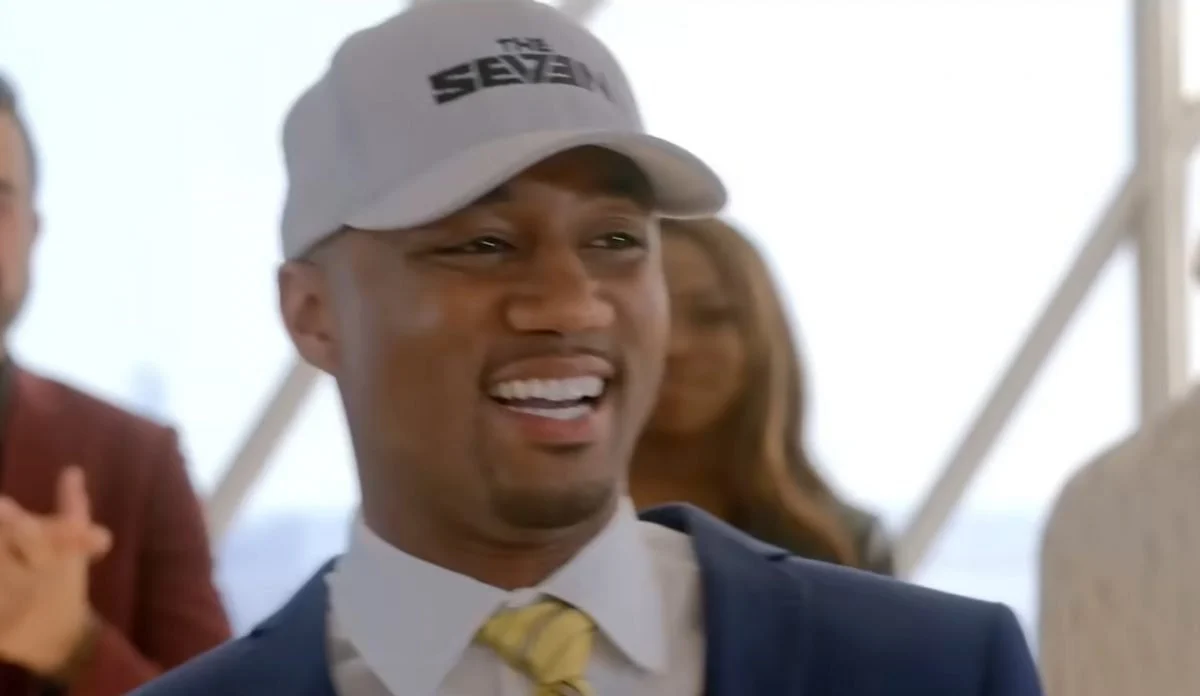
The fifth and final season of Amazon Prime Video’s The Boys has arrived with the subtlety of a runaway freight train. As Eric Kripke’s adaptation of the Garth Ennis and Darick Robertson comic series reaches its explosive conclusion, the stakes have shifted from satirical corporate critique to a visceral, high-stakes war for the survival of humanity.
The narrative momentum in these final chapters has been relentless, mirroring the frantic pace of the show’s most iconic speedster. However, this season has proven that in the world of Vought and the resistance, redemption is often fleeting, and mortality is the only certainty. The casualty list for season five is not merely a tally of names; it represents the systematic dismantling of the status quo that has defined the series since its 2019 inception.

A Legacy of Blood: The Context of the Final Conflict
To understand the weight of the recent deaths, one must look at the trajectory of the series. The Boys began as a dark comedy about the corruption of power, but it has evolved into a bleak examination of authoritarianism. As Homelander continues his unchecked descent into madness, the lines between hero and villain have blurred, leading to an environment where even the most resilient characters are no longer safe.
The current season’s narrative arc revolves around the "freedom camps," the collapse of the political establishment, and the desperate, dwindling resources of the Boys. The following analysis breaks down the major casualties that have redefined the landscape of the show.

Chronology of the Fallen: A Detailed Breakdown
Love Sausage: The End of an Absurd Era
The demise of the supe known as "Love Sausage" serves as a poignant reminder of the show’s penchant for the grotesque. MM (Mother’s Milk), long haunted by the physical and psychological scars inflicted by this particular supe, finally secured a victory. During the opening episodes, Love Sausage was seen utilizing his unique, appendage-based powers to brutalize detainees within a freedom camp. The ensuing confrontation between MM and Love Sausage was not just a fight; it was a catharsis. In a move that subverted typical genre tropes, MM ended the threat by strangling the supe with his own anatomy—a grim, poetic justice for the character’s long-standing trauma.
A-Train: The Redemption Arc’s Final Stop
Perhaps the most devastating loss of the season is A-Train. Having evolved from the show’s inaugural antagonist—the man whose recklessness destroyed Hughie’s life—into a genuine hero and informant for the resistance, his arc was one of the series’ strongest.

His journey, which saw him navigating the dangers of Gen V and ultimately aligning with Starlight, culminated in a final, sacrificial act. When confronted by Homelander, A-Train opted to prioritize the safety of others over his own survival. By refusing to plow through an innocent bystander, he allowed himself to be caught. In his final moments, A-Train did not cower; he delivered a scathing, truth-filled monologue that visibly shook Homelander, proving that the speedster had finally outrun his past. His death and subsequent funeral—an event marked by Homelander’s unsettling, performative remorse—serve as a turning point for the resistance, signaling that the time for running is over.
Firecracker: The Price of Devotion
Firecracker, the media mouthpiece of Homelander’s cult of personality, suffered a fate common to those who get too close to a predator. Her arc this season focused on her growing paranoia and her desperate attempts to remain in Homelander’s inner circle. When Soldier Boy planted seeds of doubt regarding her loyalty, Homelander’s latent instability took hold. Her execution—brutal and swift, involving an eagle statue—serves as a cautionary tale for those who think their service to a tyrant grants them immunity.

Adam Bourke and Black Noir II (Justin): A Collision of Egos
The deaths of Adam Bourke and the second iteration of Black Noir highlight the absurdity of Vought’s corporate culture. Bourke, a recurring director, met his end at the hands of The Deep—a petty act of vengeance for creative differences years prior. Shortly after, The Deep murdered the second Black Noir (Justin) following a confrontation regarding the sabotage of an oil pipeline. These deaths underscore the chaos within the Seven; with Homelander’s leadership fracturing, the members of his inner circle are turning on each other, driven by insecurity and idiocy rather than strategy.
President Steven Calhoun: The Fall of the Figurehead
The death of President Steven Calhoun marks the final collapse of the American democratic facade. A holdover from the show’s early days, Calhoun was a puppet manipulated by Vought’s interests. As Homelander consolidated power following his V-One injection, he deemed the president redundant. By appointing Ashley as the new POTUS, Homelander transitioned from merely controlling the government to replacing it entirely with his own sycophants.

The Ultimate Sacrifice: The Loss of Frenchie
The most profound impact on the series’ emotional core is the death of Frenchie. As the group’s resident chemist, strategist, and moral compass, his presence kept the team grounded. His decision to sacrifice himself to protect Kimiko and Sage from Homelander was the ultimate demonstration of his character growth. Frenchie’s death is not just a plot point; it is a signal to the audience that the "plot armor" protecting the core team has been stripped away. In the final season, the stakes are absolute, and the cost of rebellion is everything.
Supporting Data and Narrative Implications
The rising death toll in season five serves several critical narrative purposes:

- Escalation of Stakes: By removing long-standing characters, the show ensures that no one is safe, keeping the audience in a state of high tension.
- Deconstruction of Vought: The deaths of characters like Calhoun and the internal strife between The Deep and Black Noir II demonstrate the total collapse of the corporate structure that once held the supes together.
- The Moral Vacuum: As the resistance loses its members, the remaining characters—Hughie, Starlight, and Kimiko—are forced into increasingly extreme positions, challenging their own moral integrity in the face of absolute evil.
Official Responses and Behind-the-Scenes Perspectives
While the production team remains tight-lipped regarding the specific endgame for surviving characters, showrunner Eric Kripke has frequently noted that this final season was designed to be "unforgiving." In interviews regarding the direction of season five, the creative team emphasized that the goal was to provide a definitive, if tragic, conclusion. The inclusion of characters like A-Train and Frenchie in the list of casualties is intentional, designed to force the remaining characters into a corner where they must either triumph or perish.
The Implications for the Series Finale
As we look toward the final episodes, the implications of these deaths are clear: the power dynamic has shifted entirely in favor of Homelander, yet his isolation is greater than ever. The death of the "true believers" and the government figures who supported him leaves Homelander as a king of ashes.

The resistance, despite their heavy losses, now possesses a clarity that only comes from total sacrifice. With Frenchie gone and A-Train martyred, the remaining members of the team are no longer fighting for a better world; they are fighting to ensure that Homelander’s reign does not survive the season.
The death toll, while staggering, is the necessary fuel for the final confrontation. Whether this ends in a total victory for humanity or a pyrrhic ending that leaves nothing behind, the final season of The Boys will be remembered as a masterclass in raising the stakes to an unsustainable, yet compelling, level. As we move forward, the question is no longer who will survive, but what will be left of them when the dust finally settles.

The final season of The Boys continues to stream on Prime Video, with new episodes releasing weekly.










No comments yet. Be the first to join the conversation!