


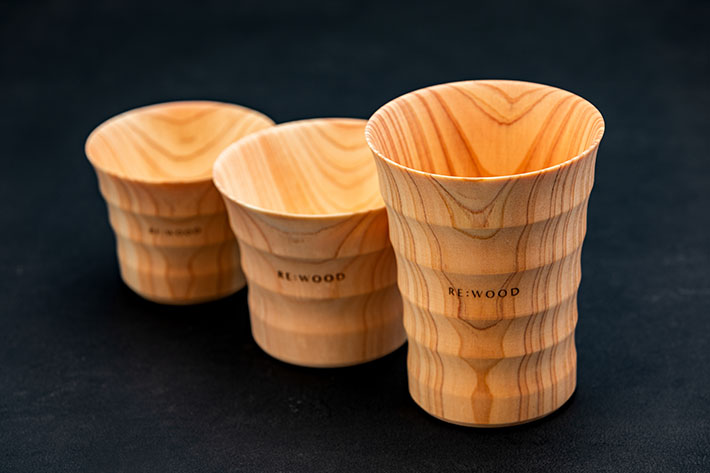
For centuries, Japan has maintained a profound, symbiotic relationship with wood. It is not merely a construction material; it is the physical manifestation of Japanese aesthetics, spirituality, and environmental wisdom. From the delicate curvature of a magewappa lunchbox to the soaring, earthquake-resistant pagodas of ancient Kyoto, wood defines the Japanese landscape. Even as the global construction industry pivots toward synthetic composites and steel, Japan’s deep-rooted commitment to timber persists, driven by a blend of ancestral expertise and cutting-edge technological innovation.
The Foundation of Tradition: Wood in Daily Life and Architecture
In Japan, wood is ubiquitous. Its presence is felt in the intimate scale of a wooden soup bowl, where the material’s thermal insulation keeps broth warm while remaining comfortable to the touch, and in the grand scale of national infrastructure. The cultural significance of wood is perhaps most visible in Japan’s architectural history.

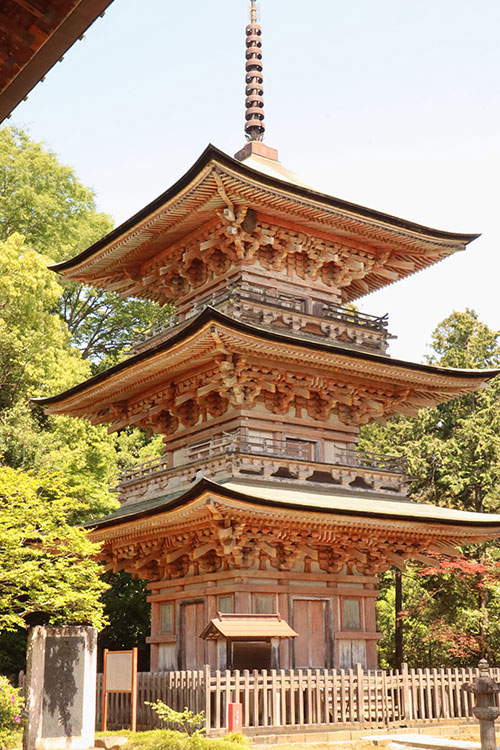
The Hōryū-ji Temple in Nara Prefecture serves as the ultimate testament to this legacy. Widely regarded as the oldest wooden structure in the world, this architectural marvel has stood for over 1,000 years. Its longevity is not a coincidence but a direct result of the meticulous selection of Hinoki (Japanese cypress). This timber, prized for its natural oils and resistance to rot and insect infestation, has allowed the temple to weather the passage of a millennium with its structural integrity largely intact.
This reverence for wood extends to the modern era. The main pavilion of Expo 2025 in Osaka stands as a contemporary statement of this tradition, utilizing massive amounts of local timber to create one of the world’s largest wooden structures. It serves as a bridge between the historical craftsmanship of the past and the sustainable engineering of the future.
Chronology: A Legacy of Timber Stewardship
- 7th Century (Asuka Period): Construction of Hōryū-ji begins. The use of Hinoki establishes the gold standard for Japanese temple architecture, emphasizing durability and resistance to Japan’s humid climate.
- 17th–19th Century (Edo Period): Woodworking flourishes among the merchant and samurai classes. Magewappa (bentwood) techniques become refined, showcasing the versatility of Sugi (Japanese cedar) for household storage.
- 20th Century: The adoption of North American "two-by-four" framing techniques influences Japanese residential construction, leading to a hybrid model that blends Western efficiency with traditional Japanese material quality.
- 2024: The American Lumber Standards Committee officially certifies Japanese Hinoki for use in two-by-four construction, marking a historic milestone for the international adoption of Japanese timber.
- 2025: The Osaka Expo highlights massive-scale wooden architecture, signaling a global shift toward wood as a primary material for large-scale, sustainable public infrastructure.
Supporting Data: The Biological and Environmental Edge
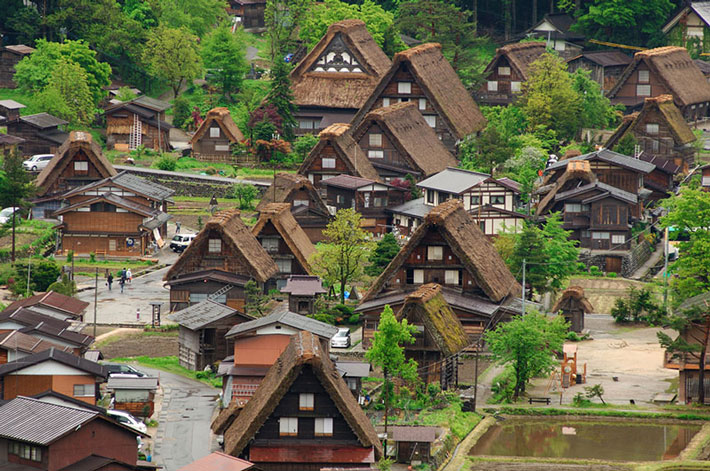
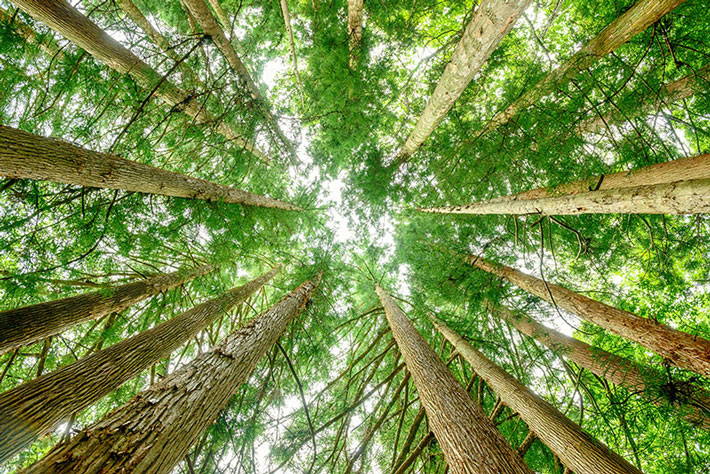
Japan’s forests cover approximately two-thirds of the nation’s land area, providing a diverse palette of materials. The primary species—Sugi, Hinoki, Karamatsu (Japanese larch), and Todomatsu (fir)—are more than just commodities; they are functional, high-performance materials.
The Properties of Key Species
- Hinoki (Japanese Cypress): Celebrated for its distinct, refreshing fragrance and exceptional density. Its natural resin content provides a built-in defense mechanism against moisture and termites, making it the premier choice for long-term structural integrity.
- Sugi (Japanese Cedar): Highly valued for its workability and softness. Beyond its use in furniture, Sugi is a natural regulator. It possesses the ability to absorb moisture from the air when humidity is high and release it when dry, effectively functioning as a "breathing" building material.
These characteristics make wood an ideal choice for the Japanese climate, which is characterized by distinct seasons and significant humidity. Unlike steel, which requires heavy energy input to refine and risks oxidation, wood provides a carbon-sequestering, naturally insulating solution that improves the quality of indoor living environments.
Innovations in Processing: The Science of Longevity
While traditional techniques provided the foundation, modern technology is expanding the potential of Japanese timber. The industry is currently undergoing a revolution in durability, moving beyond natural resistance to engineered resilience.
S-Tech: Nitrogen Heat Treatment
One of the most significant breakthroughs is the S-Tech treatment. By subjecting wood to high-temperature nitrogen processing (exceeding 200°C), manufacturers can decompose the hemicellulose components that typically attract rot and insects. This process, which requires no harmful chemicals, transforms local timber into an ultra-durable material. Boardwalks and outdoor structures treated with S-Tech have demonstrated stability for over two decades, proving that sustainability and high performance are not mutually exclusive.
Advanced Structural Plywood
In the realm of residential construction, the development of preservative-infused plywood for structural use is a game-changer. By forcing preservatives deep into the layered fibers of the wood, manufacturers have created a material that is significantly more resistant to environmental degradation. This is particularly vital for the "hidden" elements of a home—subflooring, exterior walls, and joints—where maintenance is difficult and failure can lead to systemic structural issues.
Official Responses and Strategic Implications
The push to elevate Japanese timber to the global stage is supported by industry leaders and government initiatives. The Japan Wood Products Export Association (JWPEA) is at the forefront of this movement, providing the necessary infrastructure and data to help businesses navigate international markets.
"The goal is not merely to export a raw material," says a spokesperson for the industry, "but to share a philosophy of living." By standardizing Japanese Hinoki for international two-by-four construction, Japan is offering a high-performance alternative to traditional global timber supplies. This shift has profound implications for the global construction industry:
- Sustainability (SDGs): As the world chases Sustainable Development Goals, the use of responsibly harvested, high-durability wood reduces reliance on high-carbon materials like concrete and steel.
- Economic Viability: For Japan, increasing the export of timber revitalizes domestic forestry, supporting rural economies and ensuring that forest management remains a viable, attractive profession for the next generation.
- Global Standardization: The recognition of Hinoki in the U.S. market acts as a "seal of approval," likely triggering further demand in Europe and Southeast Asia, where wooden construction is seeing a resurgence.
The Future of the Forest
As Japan moves further into the 21st century, the narrative surrounding wood is shifting from one of "preservation of the past" to "innovation for the future." The integration of traditional, high-quality timber species with modern, chemical-free processing technologies places Japan in a unique position to lead the global timber market.
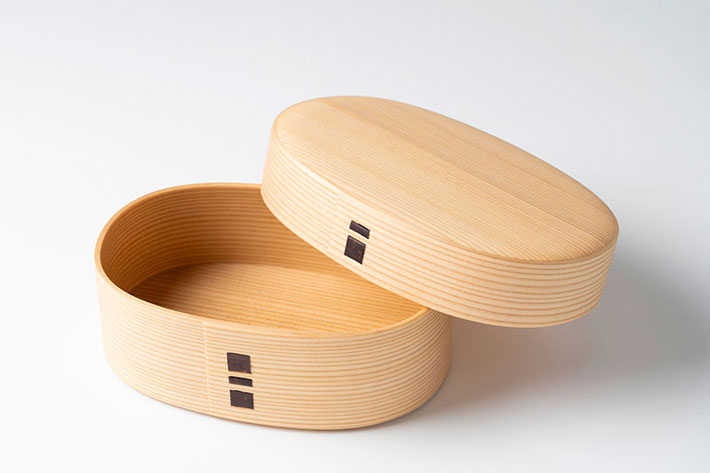
Whether through the intricate, moisture-regulating bentwood of a magewappa lunchbox or the structural strength of a Hinoki-framed skyscraper, wood continues to be the heartbeat of Japanese craftsmanship. It is a material that has survived for millennia, and with current innovations, it is poised to sustain the built environment for millennia to come. For the rest of the world, Japan’s experience offers a valuable lesson: true progress does not always mean moving away from nature, but rather finding more sophisticated ways to work in harmony with it.












No comments yet. Be the first to join the conversation!