

By Joe George | May 18, 2026
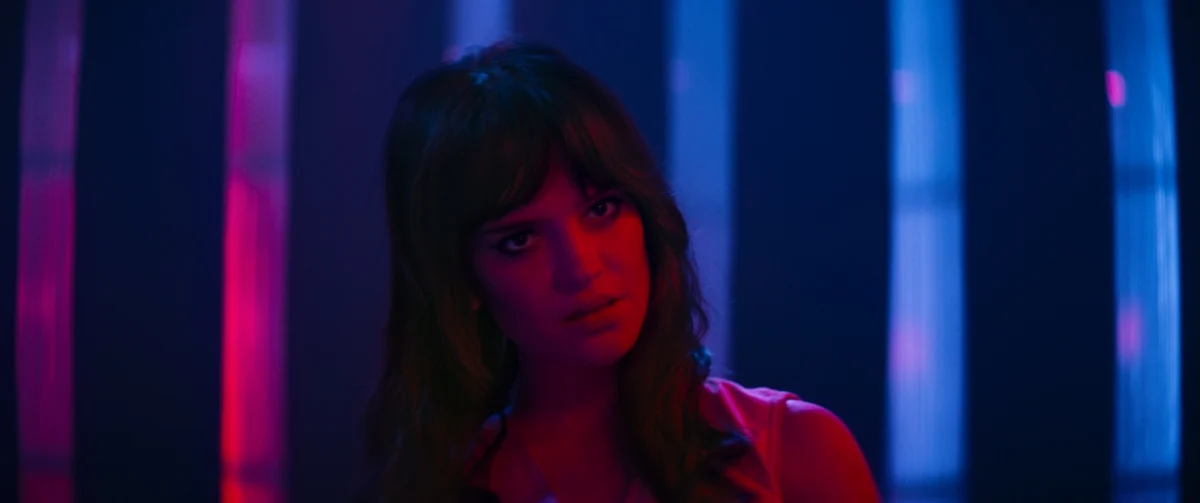
The cinematic landscape of 2026 is bracing for a jolt of uncompromising, neon-drenched surrealism. Nicolas Winding Refn, the Danish auteur who redefined the crime-noir genre with the kinetic energy of Drive, is officially ending his decade-long hiatus from feature filmmaking. His new project, Her Private Hell, arrives in theaters on July 24, promising an audacious, genre-bending reinterpretation of one of Western civilization’s most enduring tragedies: the myth of Orpheus and Eurydice.
While the film industry has seen a recent glut of mythological adaptations, Refn’s approach is characteristically subversive. There are no marble pillars, no toga-clad deities, and no classical pastoral landscapes. Instead, Her Private Hell presents a futuristic urban decay, pulsating with the director’s signature aesthetic of high-contrast lighting, synthesized soundscapes, and an atmosphere of brooding, hypnotic tension.
The Mythological Blueprint: Orpheus in the Neon City
At the core of Her Private Hell lies the bones of the Orpheus and Eurydice myth. In the classical tradition, Orpheus—a musician of peerless skill—descends into the underworld to retrieve his beloved Eurydice after her sudden death. Hades, moved by Orpheus’s music, grants him a reprieve, provided that Orpheus walks out of the underworld without once looking back at her. In a moment of devastating human doubt, Orpheus turns to check on her, and she is pulled back into the shadows for eternity.
Refn, working alongside co-writer Esti Giordani, has stripped this narrative of its ancient trappings. The film follows Elle (Sophie Thatcher), a woman searching for her missing father amidst a sprawling, futuristic metropolis shrouded in a strange, impenetrable mist. Her journey intersects with Private K (Charles Melton), a military figure whose own daughter has been claimed by a mysterious, subterranean reality.
The trailer, which dropped this week, confirms that while the film pays homage to the source material, it operates within a dream-logic framework. The "underworld" here is not necessarily a classical Hades, but rather a metaphorical or literal space of lost souls, defined by the sleek, menacing visual language that has become Refn’s calling card.
A Career Defined by Stylistic Evolution
To understand the weight of Her Private Hell, one must examine the trajectory of a filmmaker who has consistently refused to cater to mainstream sensibilities.
The Early Years: The Pusher Trilogy and Bronson
Refn emerged from the gritty streets of Copenhagen with the Pusher trilogy (1996–2005). These films were visceral, handheld, and unapologetically raw, establishing him as a master of crime cinema. His transition to English-language filmmaking with Bronson (2008) showcased his ability to transform real-life figures—in this case, the infamous British prisoner Charles Bronson—into theatrical, larger-than-life icons.
The Hollywood "Drive" Phenomenon
In 2011, Drive brought Refn into the global spotlight. With Ryan Gosling as the stoic, nameless protagonist, the film was a stylistic synthesis of 1980s synth-pop aesthetic and brutal, sudden violence. It was a massive critical and commercial success, turning Refn into a household name among cinephiles.
The Experimental Pivot
Following Drive, Refn arguably turned away from conventional Hollywood storytelling. Only God Forgives (2013) was a polarizing, slow-burning meditation on vengeance that alienated some fans but solidified his status as an auteur who prioritizes atmosphere over narrative clarity. The Neon Demon (2016) pushed this further, plunging into the cutthroat, predatory world of Los Angeles fashion.
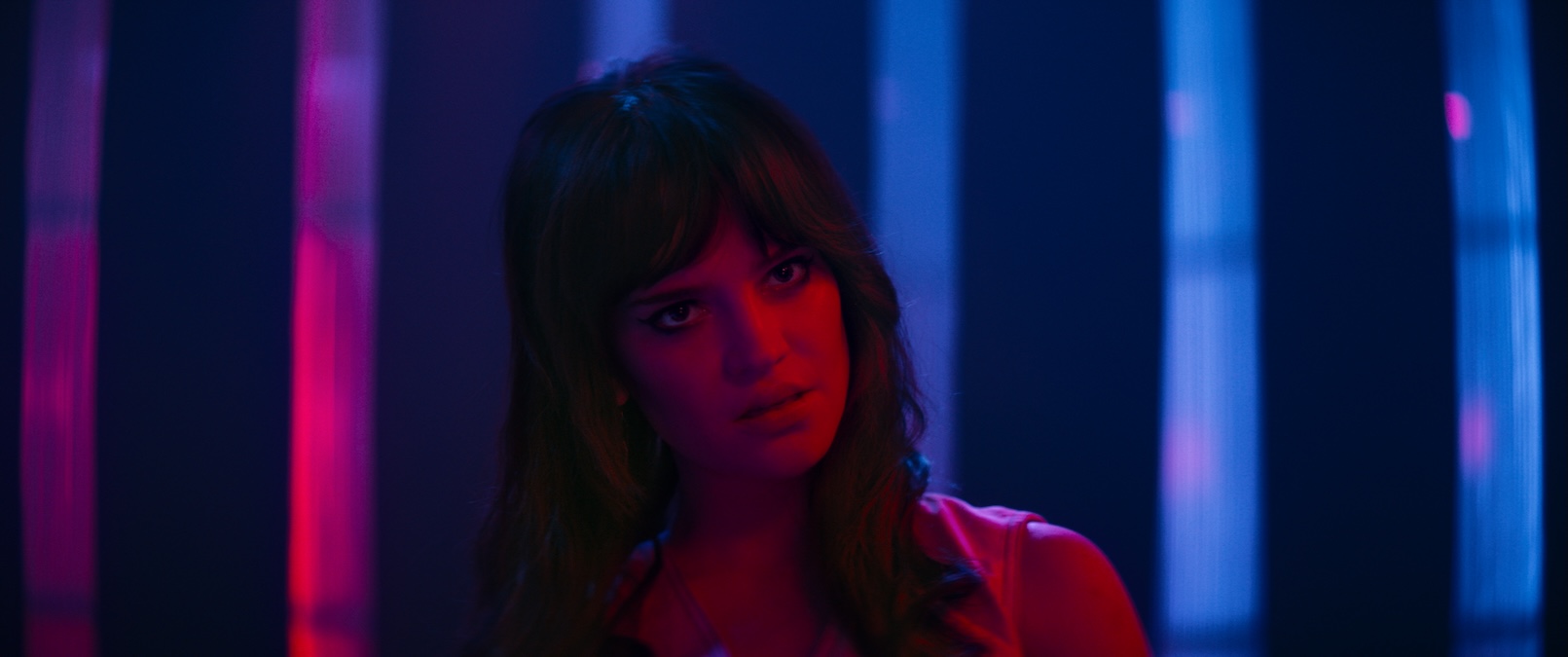
Since 2016, Refn has largely operated in the "Golden Age of Television," utilizing the episodic format to stretch his visual storytelling. His collaborations with Ed Brubaker on Too Old to Die Young (2019) and his experimental Danish series Copenhagen Cowboy (2023) demonstrated a filmmaker refining his command of color, silence, and hypnotic pacing. Her Private Hell serves as the culmination of these experiments, marking a triumphant return to the theatrical experience.
Supporting Data: The Talent Behind the Lens
The ensemble cast assembled for Her Private Hell suggests that despite his avant-garde tendencies, Refn continues to attract top-tier talent who are eager to embrace his specific vision:
- Sophie Thatcher (Elle): Known for her breakout work in Yellowjackets, Thatcher provides the emotional anchor for the film’s surreal descent.
- Charles Melton (Private K): Coming off critical acclaim for his performance in May December, Melton’s casting as a military figure suggests a character with hidden depths and internal conflict.
- Supporting Players: The inclusion of Havana Rose Liu and Diego Calva underscores the film’s focus on striking, modern aesthetics. Perhaps most intriguingly, Dougray Scott is credited as "Johnny Thunders." Whether this is a direct reference to the legendary New York Dolls guitarist or a narrative cipher remains to be seen, but it adds a layer of rock-and-roll mystique to the project.
Implications for Modern Auteur Cinema
The release of Her Private Hell arrives at a pivotal moment in film history. With major studios increasingly relying on established intellectual property (IP) and franchise formulas, Refn represents a rare breed of director who treats existing mythology as a sandbox for personal expression rather than a checklist of fan expectations.
Challenging the "Mythic" Genre
The "Mythic" genre has often suffered from a lack of visual imagination, frequently relying on CGI-heavy battles and generic "ancient" architecture. By transposing the Orpheus myth into a high-tech, high-tension noir, Refn challenges audiences to engage with themes of grief, memory, and the "gaze" (the act of looking back) in a contemporary context.
The Shift to "Dream-Logic" Narratives
Industry analysts suggest that Her Private Hell may set a new trend for mid-budget "prestige" films. By opting for a sensory-heavy approach rather than an exposition-heavy one, Refn is banking on the audience’s willingness to surrender to a mood. If the film succeeds, it could pave the way for more experimental directors to secure theatrical distribution for projects that prioritize stylistic rigor over traditional three-act structures.
The "Refn Aesthetic" as a Commercial Brand
Despite the director’s penchant for the strange, the "Refn Aesthetic"—characterized by saturated magenta and cyan lighting, long, lingering takes, and aggressive sound design—has become a recognized commercial brand. Distributors are no longer just selling a movie; they are selling a sensory experience. The buzz surrounding the July 24 release indicates that this "brand" is more potent than ever.
A Summer of Mythic Uncertainty
As we approach the release date, the primary question remains: will Her Private Hell be a coherent, narrative-driven experience, or will it lean fully into the abstract? Given Refn’s history, it will likely be both. The trailer’s brief glimpses of misty cityscapes and frantic, silent-film-esque facial expressions suggest a movie that exists in the liminal space between reality and the afterlife.
In a summer crowded with sequels, prequels, and standard-issue blockbusters, Nicolas Winding Refn’s latest outing feels like a necessary anomaly. Whether the film succeeds as a critique of modern longing or merely as a masterclass in visual composition, it is undeniably one of the most anticipated events of the year.
The myth of Orpheus ends in tragedy because of a single glance. If the audience’s reaction to the trailer is any indication, the world is more than ready to turn its gaze toward whatever hell Refn has prepared for us.
Her Private Hell arrives in theaters globally on July 24, 2026.











No comments yet. Be the first to join the conversation!