Lina Hope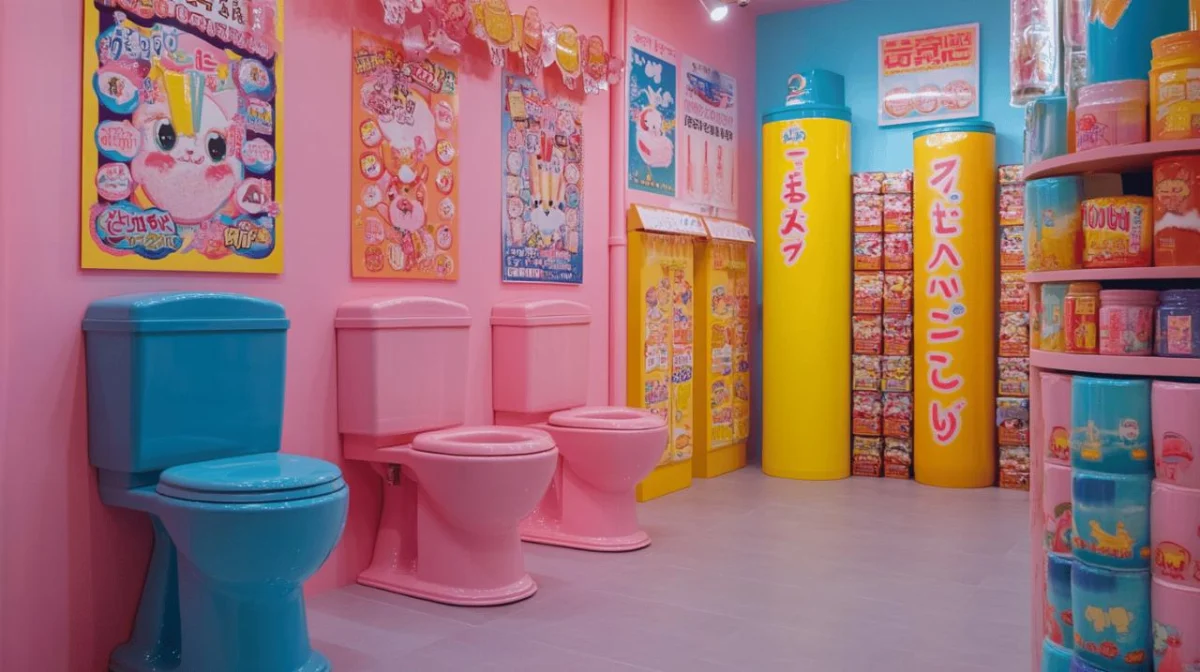
The world of confectionery is typically defined by predictable flavors, nostalgic branding, and conventional packaging. However, Japan has long been the outlier in this global industry, consistently pushing the boundaries of what a "snack" can be. Among the most bizarre, successful, and enduring examples of this creative defiance is the Moko Moko Mokoletto—a candy kit that requires the consumer to assemble a miniature plastic toilet before "brewing" a fizzy, foam-based beverage within it.
What began as a niche novelty in 2013 has since blossomed into a global viral sensation, challenging Western notions of culinary presentation while cementing itself as a quintessential piece of "Cool Japan" export culture.
The Core Concept: Engineering Playful Confectionery
At its heart, the Moko Moko Mokoletto is a DIY (Do-It-Yourself) kit. Unlike a traditional chocolate bar or a bag of gummies, the product demands active participation. Each kit contains various plastic components that snap together to form a scale-model toilet—complete with a lid, a seat, and a flushing tank.
Once the structure is complete, the user adds water and a proprietary sachet of acidulated powder to the tank. Upon mixing, a chemical reaction occurs, creating a thick, bubbling, edible foam that rises within the bowl. The consumer then drinks this foam through a straw. While the experience is undoubtedly "WTF" (the acronym often used by early Western adopters to describe the product), the underlying design is a masterclass in interactive marketing. It transforms a simple sugar rush into a performative, multi-sensory event.
Chronology of a Viral Success
The 2013 Genesis
The Moko Moko Mokoletto was launched in Japan in 2013 by the confectionery company Heart. It arrived during a period when Japanese "Kozure" (child-focused) snacks were evolving to become more complex, shifting from simple food items to "edible toys" or puchitto activities.
The Digital Explosion (2013–2014)
By late 2013, the product crossed the digital ocean. As social media platforms like YouTube and early blogging collectives began to gain traction, the "toilet candy" became a staple of "Japanese snack challenge" videos.
For the Western audience, the shock value was the primary driver of engagement. Blogs such as La Banane qui Parle and Un Loulou et une Poupette became early ambassadors for the product, documenting the assembly process with a mixture of amusement and bewilderment. These early adopters were critical; they provided the "proof of concept" that the product was not just a gag gift, but a genuinely entertaining, albeit eccentric, experience.
Mainstream Integration
By 2015, the product was no longer a fringe curiosity. It began appearing in specialty import shops in the United States, Europe, and Canada. Its success in these markets proved that the "Kawaii" (cute) and "Kimo-Kawaii" (creepy-cute) aesthetics of Japan had a genuine, untapped market outside of Asia.
Supporting Data and Market Reach
The longevity of the Moko Moko Mokoletto is reflected in its digital footprint. Data from early blogging networks tracking the trend indicated that the "toilet candy" was one of the most searched-for items within the "Fantaisyland" category of Japanese exports.
- Engagement Metrics: Individual articles documenting the product, such as the retrospective on La Banane qui Parle, reached over 6,500 dedicated readers—a significant number for a niche culinary blog.
- Viral Velocity: The product’s success is measured not just in units sold, but in "user-generated content." Every video uploaded to YouTube or TikTok showing a creator assembling the kit acts as a free, authentic advertisement, creating a cycle of curiosity that continues to attract new demographics more than a decade after its release.
- Collection Economy: Heart, the manufacturer, capitalized on the product’s success by releasing various iterations, including different colors, limited-edition designs, and flavor variations. This effectively turned a one-time gimmick into a collectible line, encouraging repeat purchases from enthusiasts.
Official Perspectives: The Psychology of the "Yuck-Factor"
While parents and critics initially questioned the hygienic implications and the "gross-out" nature of eating from a toilet-shaped vessel, psychologists and marketing experts have pointed to the inherent humor as a vital component of its success.
Industry analysts suggest that the Moko Moko Mokoletto succeeds because it subverts the "taboo" of the bathroom. By placing a sugary, harmless, and amusing substance in a container associated with waste, the product forces the brain to reconcile two opposing concepts: the disgusting and the delicious. This cognitive dissonance is, in fact, the product’s greatest asset.
Japanese consumer culture has long embraced the idea that "fun" is an essential ingredient in food. Manufacturers argue that the toilet design is not meant to be offensive, but rather to be so absurdly hyperbolic that it transcends the mundane, turning a household object into a canvas for creative play.
Cultural Implications and Global Influence
The "Edible Toy" Market
The Moko Moko Mokoletto effectively pioneered a segment of the market now known as "educational candy kits." These products teach children (and adults) the basics of chemistry—acid-base reactions—in a way that feels like magic. This pedagogical angle has allowed the product to maintain a foothold in stores that might otherwise reject it based on its appearance alone.
The Power of Social Sharing
The rise of this candy is inseparable from the rise of the "influencer economy." The product is inherently "Instagrammable." It is visual, it is bizarre, and it creates a clear narrative arc: the anticipation of assembly, the reaction to the foam, and the final taste test. This structure is perfectly optimized for the short-form video formats that define modern social media.
Cross-Cultural Export
The success of these candies highlights a shift in global consumer tastes. Twenty years ago, such a product might have been dismissed as too "weird" for Western palates. Today, thanks to the globalization of anime, J-pop, and Japanese internet culture, Western consumers are more receptive to—and indeed, actively seeking—the "weird and wonderful" aspects of Japanese life. The Moko Moko Mokoletto serves as a gateway for consumers to explore broader categories of Japanese confectionery, leading them to discover other innovative, if less controversial, products.
Conclusion: The Future of Novelty Confectionery
The Moko Moko Mokoletto remains a potent symbol of Japan’s creative economy. It is a product that defies traditional logic, ignores conventional marketing playbooks, and succeeds precisely because it is so difficult to categorize.
As the industry moves forward, the "toilet candy" continues to serve as a case study for brands everywhere: if you can create a product that is interactive, visually striking, and fundamentally entertaining, you can turn even the most unlikely concepts into a global phenomenon. Whether it is a stroke of pure genius or the ultimate marketing troll, the Moko Moko Mokoletto has earned its place in the history of candy, reminding us all that sometimes, the best way to stand out in a crowded market is to simply flush the rulebook away.


 Siti Muinah
 Azzam Bilal Chamdy