

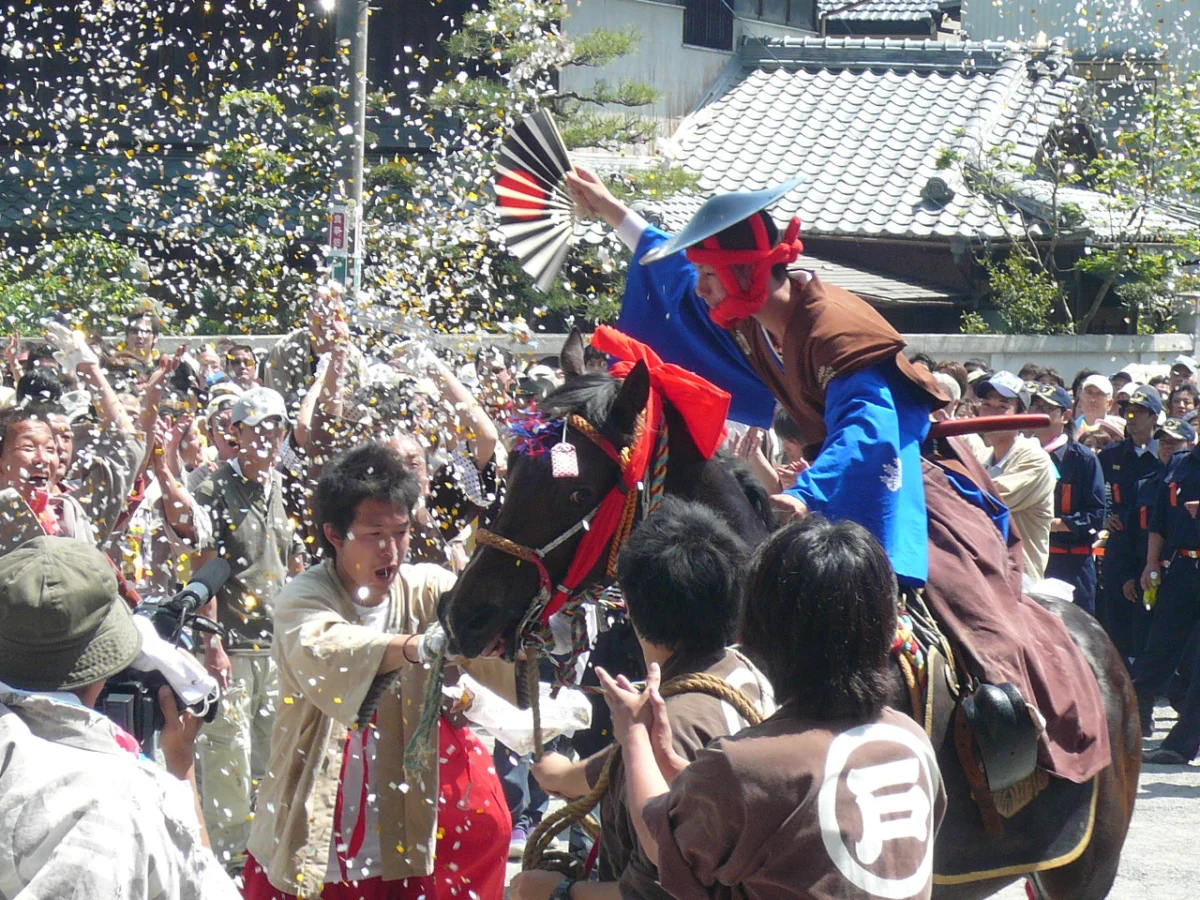
Deep within the lush, forested foothills of northern Mie Prefecture, Japan, lies Tado Taisha—a Shinto Grand Shrine that serves as the stage for one of the country’s most visceral and enduring displays of folk religion. Every year, on May 4th and 5th, the tranquil grounds of this ancient sanctuary are transformed by the Tado Matsuri, a festival headlined by the Ageuma Shinji, or "Rising Horse Rite." It is an event that bridges the gap between 6th-century spiritual roots and 21st-century ethical debates, standing as a testament to the complex, often friction-filled evolution of cultural heritage in modern Japan.
The Core Ritual: Ageuma Shinji
The Ageuma Shinji is not a passive spectacle. It is a high-stakes, physically demanding event that has been performed with varying degrees of consistency since the Kamakura period (1185–1333), though local traditions trace its origins back to the 6th century.
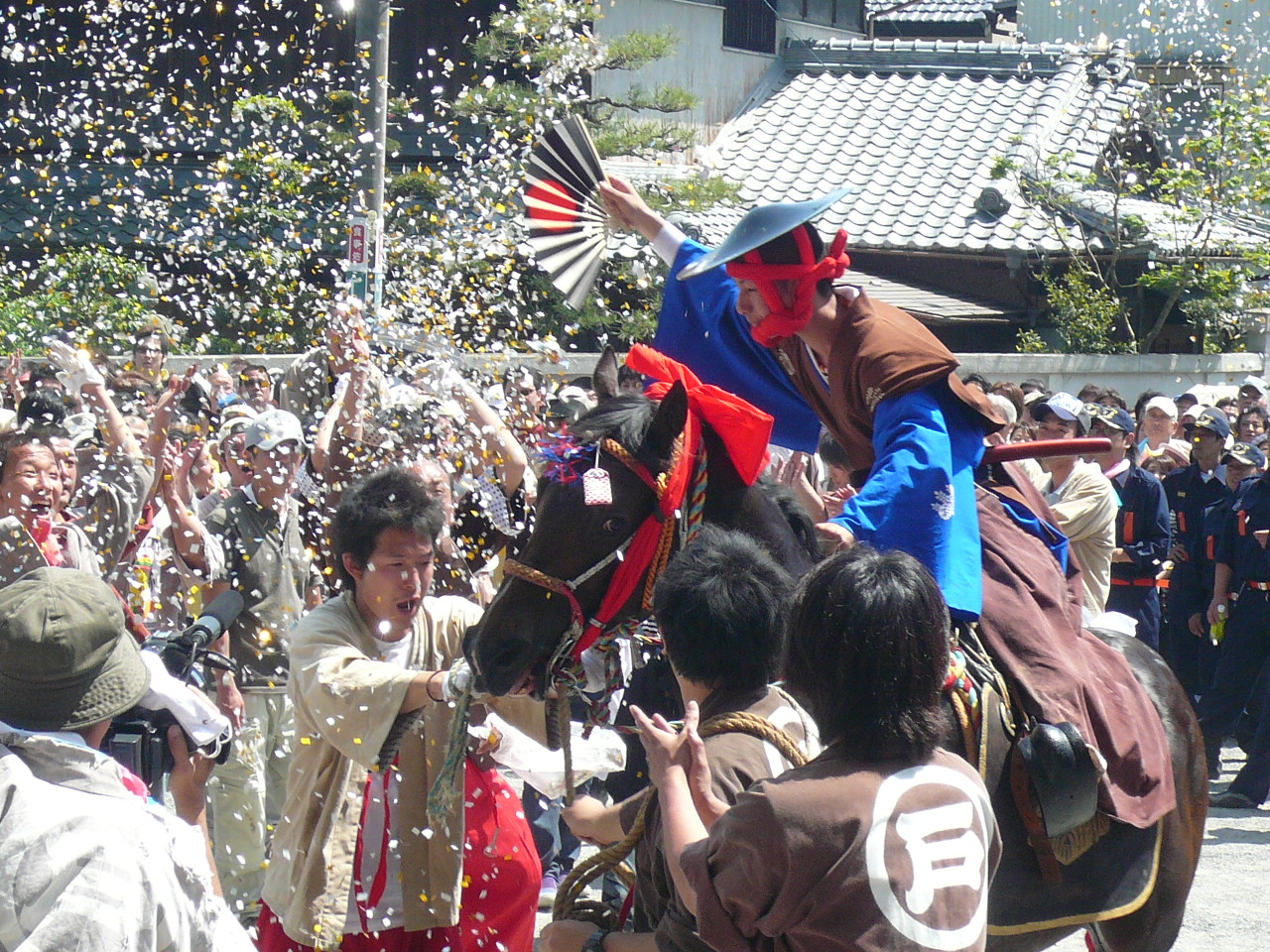
During the rite, young men clad in traditional samurai armor ride horses toward a steep, 100-metre packed-earth slope. The culmination of the sprint is a daunting two-metre vertical wall at the summit. The success of the jump—whether the horse and rider clear the obstacle—is treated by the local community as a divine prophecy. A successful leap is interpreted as an omen of a bountiful rice harvest for the coming year, while a refusal or failure is seen as a warning of potential drought or hardship.
The atmosphere during the festival is electric. The air is thick with the scent of pine and horse sweat, and the roar of a crowd that has occupied its vantage points since dawn creates a sensory experience that feels detached from the modern world. For the local neighborhoods, this is not merely a show; it is a sacred duty, a tangible connection to their ancestors and the agricultural cycles that have sustained them for over a millennium.
A History Rooted in the Divine
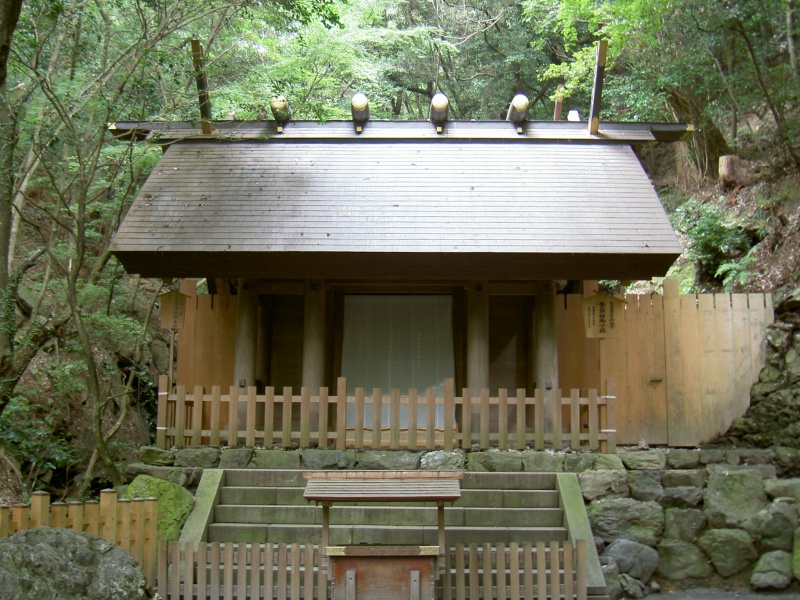
Tado Taisha itself is a site of profound historical weight, ranking just below the prestigious Ise Grand Shrine in the regional religious hierarchy. Nestled at the base of the 403-metre Mt. Tado, the shrine is dedicated to Amatsuhikone-no-mikoto, a deity in the Shinto pantheon revered specifically as the "protector of horses."
According to historical records, the shrine’s founding dates back to 459 CE, during the reign of Emperor Yuryaku. This timeline, if accurate, places Tado among the oldest surviving Shinto shrines in the Japanese archipelago, predating even the foundational structures of the Ise complex. By the 9th century, the shrine was already a fixture of national religious life, receiving official recognition in the Engishiki (a 927 CE legislative register of shrines).
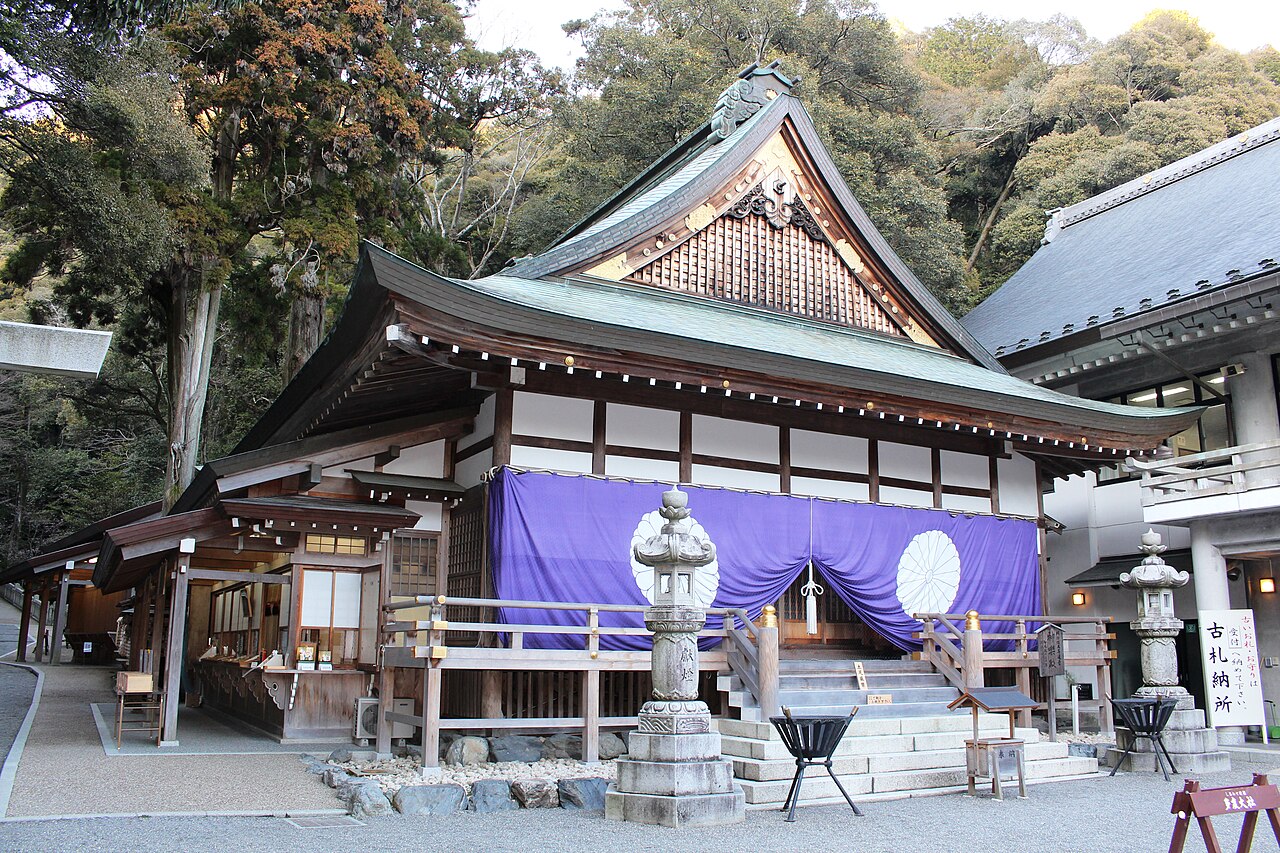
The relationship between the deity and the horse has evolved alongside Japanese society. In the medieval era, the shrine was a place where samurai sought blessings for their cavalry. In the Edo period, it became a sanctuary for farmers praying for the health of their working animals. Today, that legacy has shifted into the modern age: Tado Taisha is a pilgrimage site for motorsport enthusiasts, who travel from across the country to seek blessings for their motorcycles and cars—a unique, contemporary manifestation of the shrine’s ancient equine connection.
The Crucible of Controversy: Ethics and Animal Welfare
While the Ageuma Shinji is a piece of living history, it has become the focal point of a heated debate regarding animal welfare. Since approximately 2020, the ritual has faced intense scrutiny from animal-rights organizations and the general public, largely spurred by the visibility of injuries sustained by the horses.
The physical demands of the climb—the hard-packed earth, the steep incline, and the imposing vertical wall—have led to regular reports of leg and shoulder injuries. In 2022 and 2023, high-profile incidents caught the attention of national media, leading to organized protests at the festival site. Critics argue that the ritual, in its traditional form, is inherently dangerous and incompatible with modern standards of animal treatment.
The shrine’s response has been one of reform rather than abolition. Recognizing the cultural significance of the rite as an Intangible Cultural Property, the authorities have worked to mitigate risks without discarding the tradition entirely. These measures include:
- Reduced Jump Heights: Modifying the wall to lower the physical stress on the horses during the ascent.
- Cushioned Landing Zones: Installing materials to soften the impact of the landing.
- Age Restrictions: Limiting the participants and the horses involved to those meeting stricter safety criteria.
Despite these changes, the controversy persists. Visitors to the 2026 festival and beyond will witness a duality: the ancient, thunderous spirit of the ritual contrasted with the presence of protesters and the physical reminders of ongoing safety modifications.
Understanding the Shrine Complex
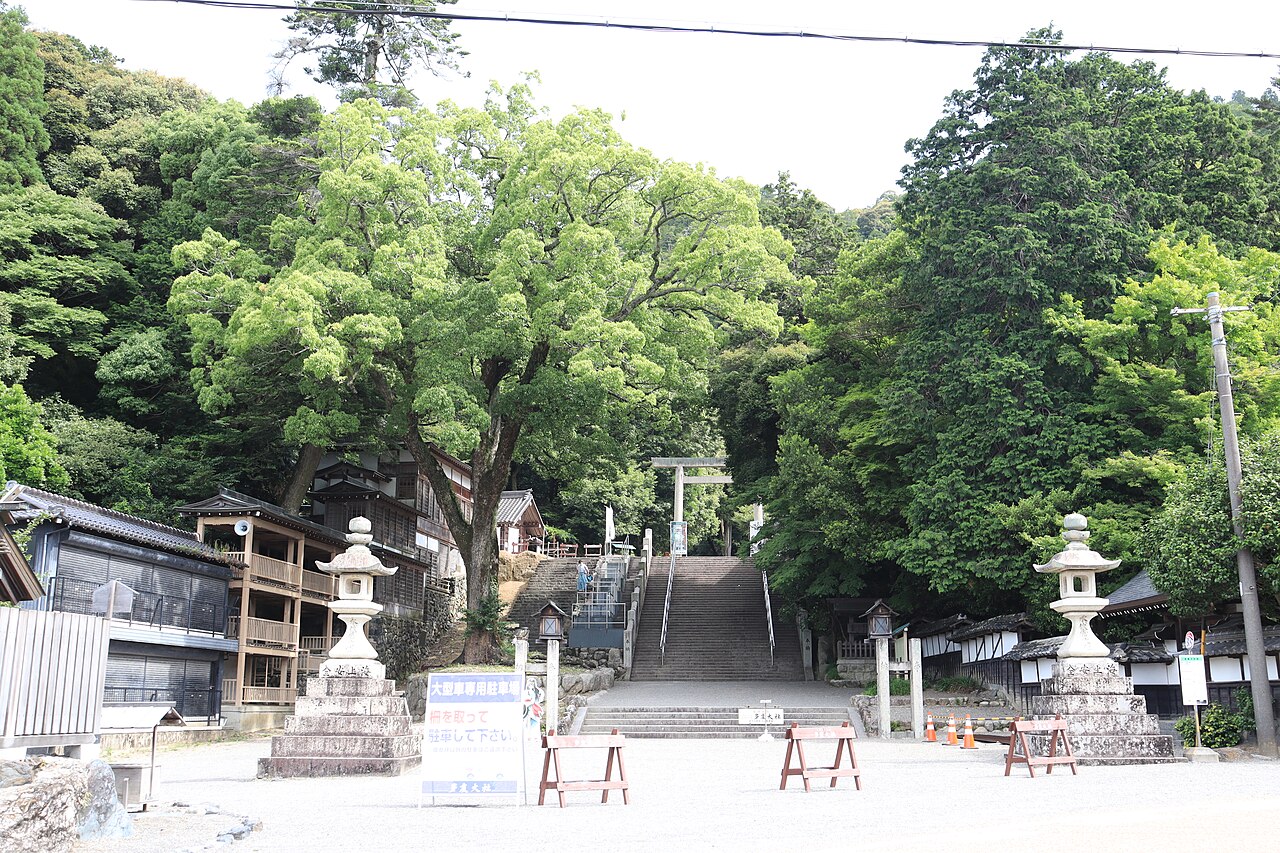
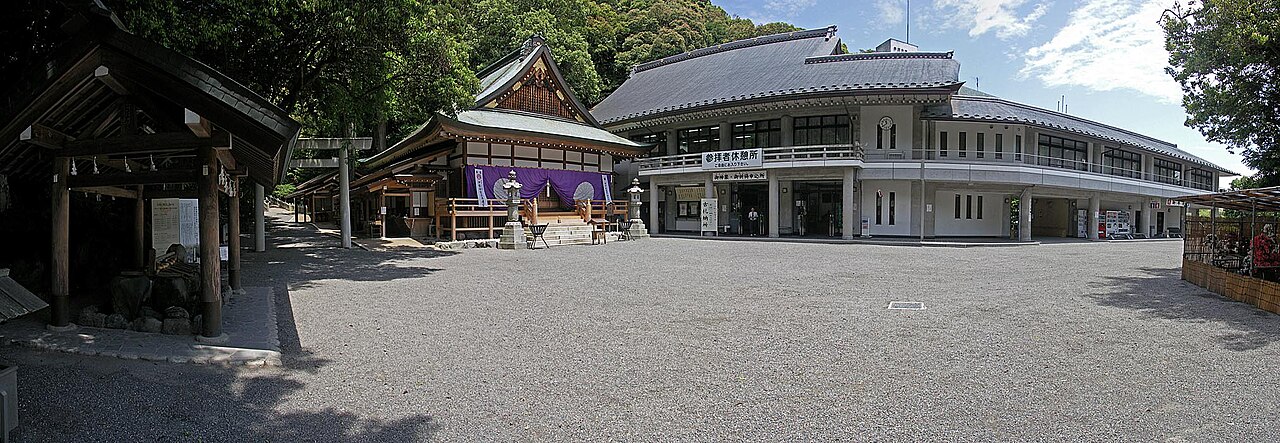
For the visitor, Tado Taisha offers much more than the festival. The precinct is a masterpiece of religious architecture, featuring four primary structures that define its character:
- The Main Hall (Honden): Rebuilt periodically on its original footprint, it is a serene space dedicated to the shrine’s deity.
- The Gakuraden: A ceremonial music hall where kagura (ritual dances) and traditional prayers are performed. It is the site of the pre-ritual preparations for the Ageuma Shinji.
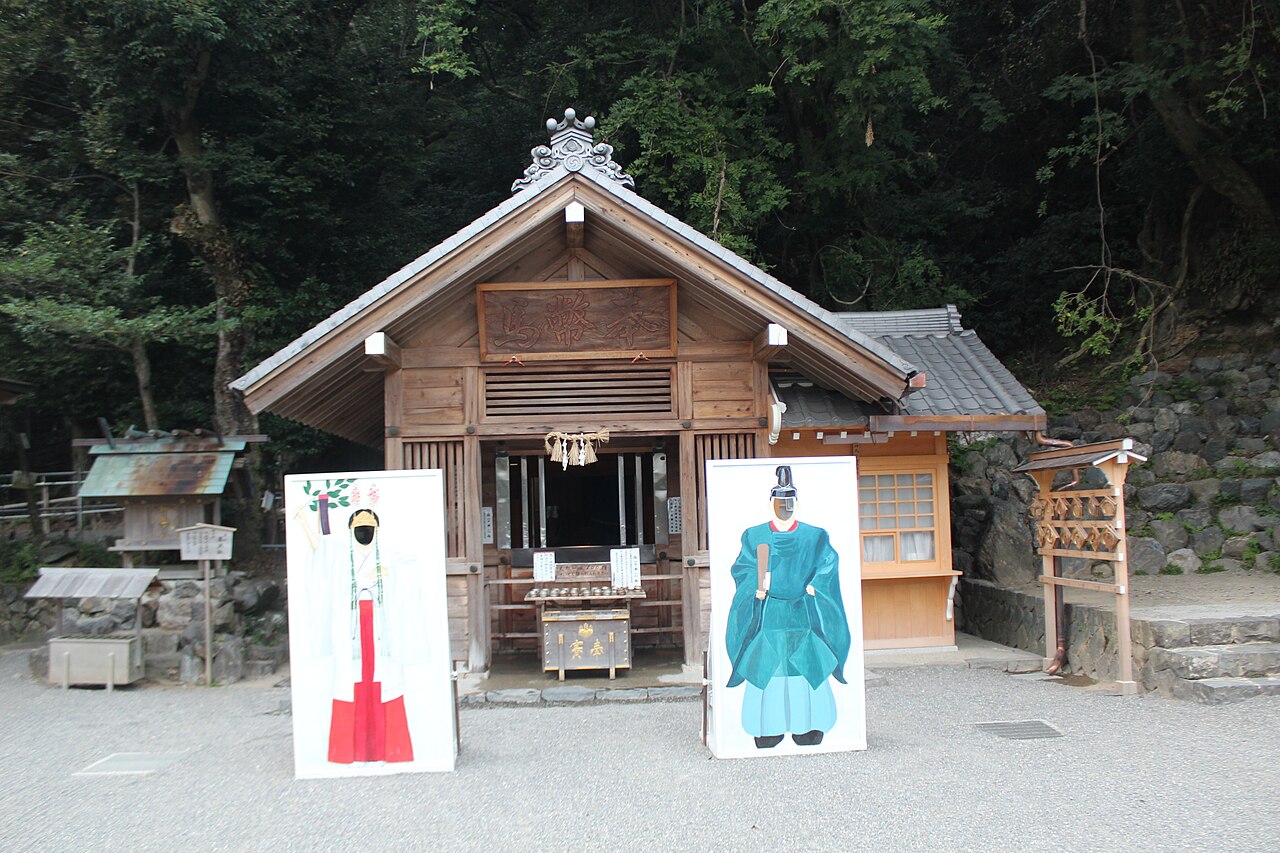
- The Jinmesha (Sacred Horse Stable): Home to the shrine’s ceremonial horses. The current resident, a white thoroughbred named Kintaro, serves as a focal point for visitors, though he is not used in the jumping ritual, which employs local working farm horses.
- The Treasure Hall (Shuho-kan): A small but significant museum containing ceremonial saddles, samurai armor donated by historical clans, and artifacts dating back centuries.
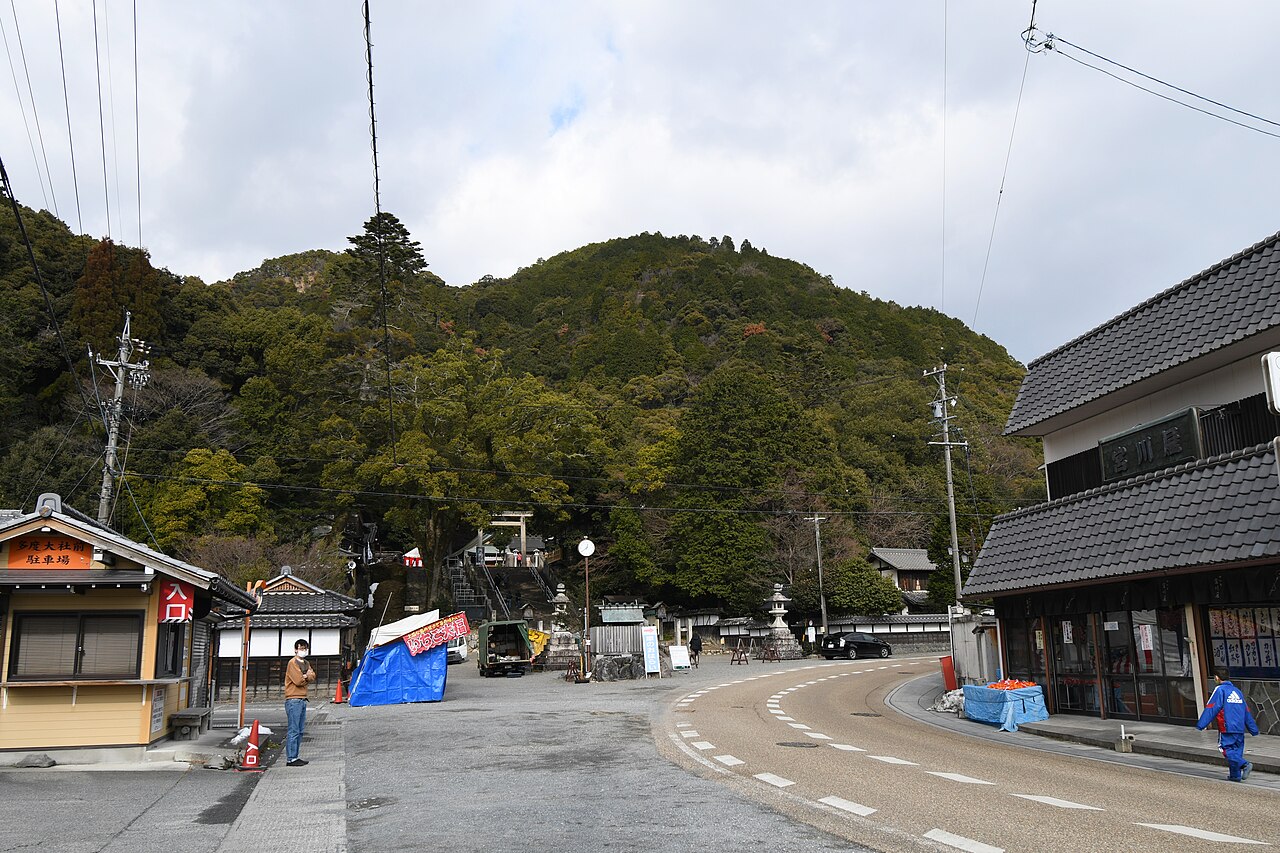
Outside of the festival season, the shrine is a place of profound quietude. The approach is lined with majestic cryptomeria trees, some of which are over 300 years old, designated as "sacred trees." A hike up Mt. Tado offers a 90-minute climb to a summit that provides a panoramic view of the Ibi River delta—a perfect excursion for those looking to connect with the natural landscape of Mie.
Practical Information for the Modern Traveler
Tado Taisha is accessible via a combination of rail lines, making it a viable day trip from Nagoya.
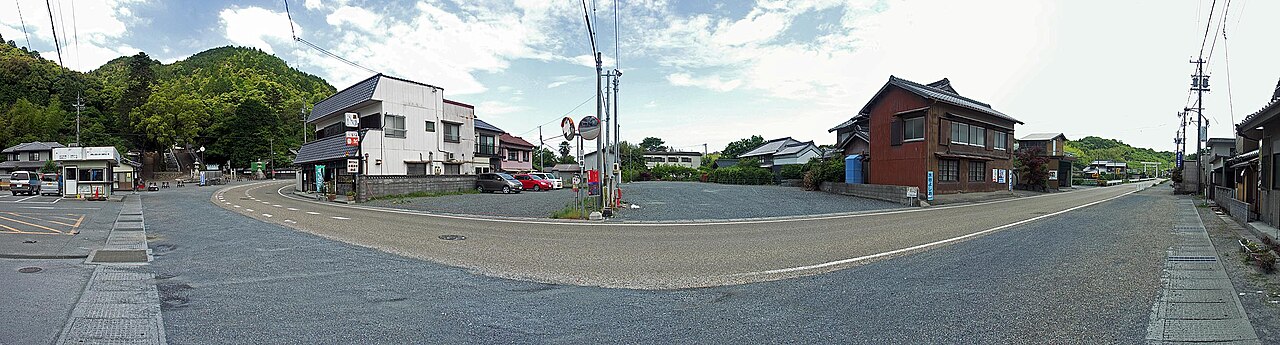
- Getting There: From Nagoya, take the Kintetsu Nagoya Line to Kuwana Station (20 minutes). Transfer to the Yoro Railway and alight at Tado Station. A 5-minute walk brings you to the shrine gates.
- Festival Logistics: If attending the festival (May 4–5), planning is essential. With 300,000 to 400,000 visitors over two days, the area becomes heavily congested. Accommodations in nearby Kuwana or Nagoya should be booked months in advance.
- English Support: Visitors should be aware that the shrine provides limited English signage. Utilizing translation apps for site placards is recommended. While the shrine is welcoming to international tourists, the experience is largely centered on Japanese folk practices.
Is Tado Taisha Worth the Journey?
The answer depends on what you seek. For the cultural anthropologist or the student of Japanese folk religion, Tado Taisha is an essential, if complicated, destination. It offers a rare, unfiltered look at how a community grapples with the survival of an ancient rite in a changing moral landscape.
For the general tourist, the shrine is a beautiful, peaceful retreat from the urban sprawl, particularly in the autumn when the maples turn a vibrant red. For the motorsport enthusiast, it offers a fascinating glimpse into the "biker-shrine" culture of modern Japan.
Ultimately, the Tado Festival remains a mirror held up to Japanese society. It asks whether we can maintain the threads of the past while weaving in the ethical requirements of the present. Whether you come to witness the Ageuma Shinji or to walk the quiet paths of the cryptomeria forest, Tado Taisha leaves an indelible mark—a reminder that some of the most profound human experiences are found exactly where the ancient and the modern collide.












No comments yet. Be the first to join the conversation!