

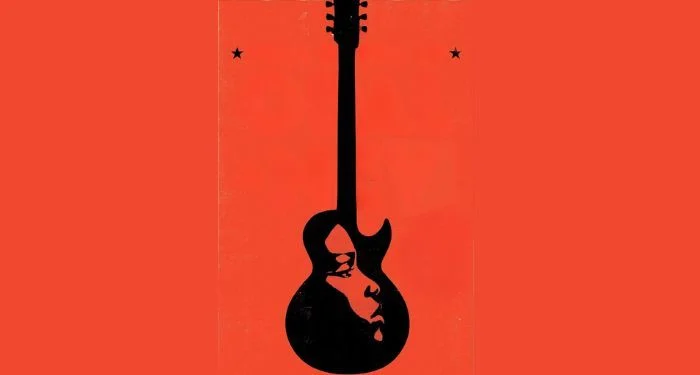
The 1970s occupy a unique, almost mythic space in the American and global cultural consciousness. Situated in the immediate wake of the turbulent 1960s, the decade functioned as a bridge between the idealism of the post-war era and the high-tech, hyper-capitalist acceleration of the late 20th century. For contemporary authors, the 1970s have become a fertile ground for historical fiction—a sandbox where postmodern sensibilities meet the gritty, tangible reality of a world in transition.
As we drift further from the era, the 1970s appear less like a distant memory and more like a mirror. Whether through the rise of punk rock, the emergence of the neo-Hollywood film movement, or the simmering anxieties of a nation questioning its own identity, the decade resonates with our modern experience. In literature, this period has been transformed into a lens through which we examine current political fractures, shifting social mores, and the enduring quest for personal freedom.
The Postmodern Appeal: Why We Return to 1976
Historical fiction is, at its heart, an act of interpretation. While the mid-century past is often romanticized, the 1970s provide a specific, visceral aesthetic that is easily conjured through the shared visual language of cinema and photography. From the saturation of 35mm film to the distinct fashion of the era, the decade possesses a "look" that translates beautifully to the page.

However, the appeal goes deeper than aesthetics. The 1970s were defined by a profound disillusionment with the "American Dream." After the cultural upheavals of the 1960s, the population was fragmented; some sought refuge in stability, while others pushed for radical liberation. This dichotomy—the tension between the desire for control and the demand for autonomy—mirrors the current societal landscape. When writers revisit this era, they are not merely engaging in nostalgia; they are performing a post-mortem on the very systems that govern our lives today.
Chronology of a Cultural Shift
To understand the literary obsession with this decade, one must view the era as a sequence of cascading events that reshaped the global zeitgeist:
- 1970–1972: The Hangover of the Sixties. As the idealism of the previous decade faded, the literary and artistic output shifted toward cynicism and introspection.
- 1973: The Economic Turning Point. The energy crisis and the beginning of the end for post-war economic dominance signaled a shift in the American psyche.
- 1976: The Bicentennial and the Peak of Cultural Identity. As the United States celebrated 200 years, the friction between traditionalism and progressivism was at its zenith.
- 1978–1979: The Prelude to the 80s. The Iranian Revolution and the rise of a new political conservatism began to rewrite the rules of international relations and domestic policy, setting the stage for the modern era.
The Literary Archive: Essential Narratives of the 1970s
Recent fiction has leaned heavily into the oral history format, a style that reflects the era’s fascination with the "real" and the "unfiltered." Below are key works that capture the essence of this decade.

1. The Final Revival of Opal & Nev by Dawnie Walton
Walton’s work is a masterclass in the "oral history" genre. Through the investigative lens of journalist S. Sunny Shelton, readers are taken on a journey through the rise of a genre-busting musical duo. Opal, a Black female icon, and Nev, a British collaborator, represent the collision of race, fame, and artistic integrity. The novel highlights the inequity of the music industry, where firebrand figures like Opal often found themselves sidelined while their counterparts reaped the rewards. It is a vital exploration of who gets to be remembered in history.
2. Crook Manifesto by Colson Whitehead
Whitehead offers a sharp, uncompromising look at New York City in the 1970s—a city literally and figuratively falling apart. Through the eyes of Ray Carney, the reader experiences the intersection of Blaxploitation culture, political corruption, and the daily grind of survival in Harlem. It is a portrait of a city in the midst of a violent, necessary renewal.
3. Take My Hand by Dolen Perkins-Valdez
This novel bridges the gap between the 1970s and the present day. Centered on a family planning clinic in 1973 Alabama, the story examines the weaponization of "healthcare" against marginalized communities. By contrasting the progress of women’s rights with the systemic abuse of poor Black girls, the book forces a reckoning with how "freedom" was defined and distributed during the decade.

4. Almost Life by Kiran Millwood Hargrave
Setting the scene in the summer of 1978, Hargrave captures the romantic excess of Paris. This is a story of second chances and the way that the fleeting, sun-drenched romances of our youth continue to hold us in their grip long after the decade has passed.
5. Jasmine Zumideh Needs a Win by Susan Azim Boyer
Boyer’s novel provides a crucial perspective on the Iranian Revolution of 1978. As a high school student trying to navigate college applications and social standing, Jasmine finds her family’s identity under fire due to geopolitical events. It is a poignant reminder of how international conflicts inevitably filter down into the most personal, suburban spaces.
6. Instructions for a Heatwave by Maggie O’Farrell
Set against the backdrop of London’s record-breaking 1976 heatwave, this story highlights the claustrophobia of the era. The disappearance of a patriarch sends his family on a journey that forces them to confront the secrets and fractures that were papered over during the decade’s earlier years.

Supporting Data and Societal Implications
The surge in 1970s-focused literature is supported by a growing demand for "generational bridge" content. Book clubs, particularly those featuring inter-generational participants, have increasingly selected these titles. The data suggests that younger readers (Gen Z and Millennials) are drawn to these narratives because they provide context for contemporary struggles with bodily autonomy, racial inequality, and the erosion of institutional trust.
The implications are clear: the 1970s were not a separate chapter of history, but the prologue to our current reality. The "new" that everyone was searching for in 1975 is the "normal" we live with in 2026.
Official Responses and Literary Critiques
Literary critics have noted that the "oral history" format—as seen in works like The Final Revival of Opal & Nev—is a direct response to the era’s lack of digital archiving. By constructing fictional interviews and transcripts, authors are creating a "new" archive for a decade that was often under-documented for marginalized voices.

"We are seeing a trend where writers are attempting to fill the gaps in the official record," says Dr. Aris Thorne, a researcher in contemporary literature. "The 1970s were a time of rapid change, and the books being published now reflect an attempt to reclaim the narratives of those who were left behind by the mainstream cultural movements of the time."
Conclusion: Why the Decade Still Resonates
The 1970s remain "enchanting" because they represent a crossroads. It was the last decade before the digital revolution, the last time that the world felt both globally connected and physically contained. When we read about the 1970s, we are reading about the moment our modern anxieties were born.
Whether it is the fight for civil rights, the struggle for artistic recognition, or the search for a place to call home, these novels remind us that history is never truly in the past. It is a living, breathing component of our present. As you delve into these stories, you aren’t just looking back—you are gaining a deeper understanding of the world as it exists today.










No comments yet. Be the first to join the conversation!