

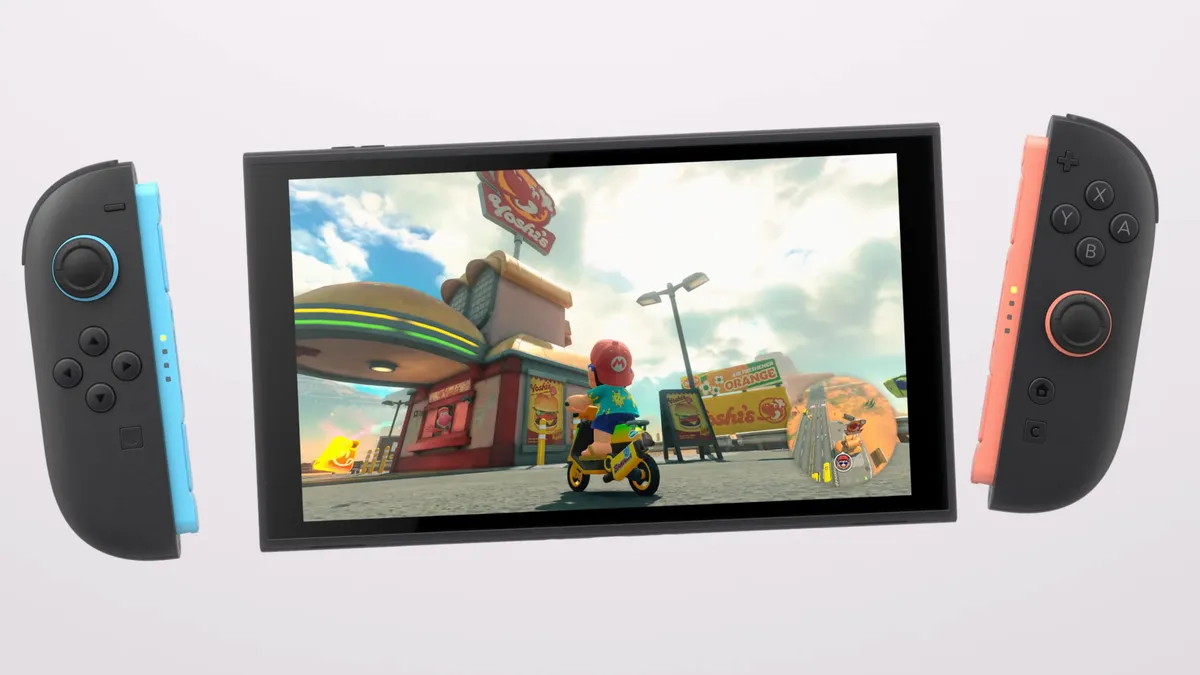
In a move that has sent ripples through the global gaming industry, Nintendo has officially confirmed an upward adjustment to the pricing of its latest flagship console, the Nintendo Switch 2. Following a period of unprecedented success during its launch window, the gaming giant has cited a complex confluence of macroeconomic pressures as the primary catalyst for this shift. During a recent earnings call, Nintendo President Shuntaro Furukawa provided a rare, candid look into the fiscal mechanics of the hardware business, explaining that the decision was a "difficult" but necessary step to ensure the long-term viability of the company’s platform business.
The Macroeconomic Reality: Why Prices Are Rising
For years, Nintendo has managed to maintain a reputation for hardware value, often defying industry trends that favor aggressive pricing models. However, the current landscape of global manufacturing has forced a change in strategy.
Furukawa’s explanation highlights that this is not a knee-jerk reaction to a single supply chain hiccup, but a calculated response to sustained volatility. "If the increase in costs were seen as something temporary that would subside relatively soon, then we could have pursued other options," Furukawa noted. "Unfortunately, the recent surge in memory and other component prices, combined with trends in the foreign exchange market and the rising price of oil, are all factors that we anticipate will continue over the medium to long term."
This admission sheds light on the "perfect storm" currently affecting hardware manufacturers. The semiconductor industry, in particular, has seen fluctuating costs for high-bandwidth memory and processors, while global logistics and energy costs—driven by oil prices—continue to inflate the cost of shipping units to major markets across North America, Europe, and Japan. For Nintendo, maintaining the status quo would have meant sacrificing the "healthy earnings structure" that supports their R&D and future software development.
A Chronology of Success: From Launch to Market Dominance
To understand why this price hike is so significant, one must look at the meteoric rise of the Switch 2 since its inception.
- The Launch Window (Year 1): The Switch 2 defied conservative analyst expectations, launching with a level of momentum rarely seen in the console market. By the end of its first year, the console achieved a staggering 19.86 million units sold.
- Surpassing Expectations: Nintendo’s initial conservative forecast sat at 15 million units. This was later revised upward to 19 million as demand surged. The fact that the company cleared even its revised target is a testament to the platform’s immediate consumer appeal.
- The Software-Hardware Loop: The success was heavily bolstered by the system’s backward compatibility, allowing users to carry over their existing libraries. The release of the Switch 2 edition of Animal Crossing and the breakout hit Pokémon Pokopia served as critical anchors, driving hardware adoption in the latter half of the fiscal year.
- The Current Pivot: With the first year’s success secured, Nintendo is now entering a new phase of the product lifecycle. The upcoming fiscal year, with a projected target of 16.5 million units, marks the transition from "early adopter frenzy" to "sustainable market penetration."
Supporting Data: Analyzing the Sales Momentum
While 16.5 million units might seem like a decline compared to the 19.86 million achieved in the first year, industry analysts argue that this represents a healthy, natural curve for a console entering its second year. Furukawa remains optimistic, noting that the pace of adoption remains "extremely fast" when benchmarked against the original Nintendo Switch.
The core strategy remains focused on the "install base" model. Nintendo thrives on a dual-engine strategy: selling hardware to create the platform, and then fueling that platform with high-margin first-party software. Furukawa emphasized that the company does not see any cause for concern regarding the current momentum. The "Pokémon Pokopia" effect, specifically, has provided the company with clear data: software is the primary driver for hardware transition. When players see titles they want to play, they are willing to upgrade, even at a higher price point.
Official Responses and Strategic Implications
The decision to raise prices is, at its heart, an exercise in risk management. By passing a portion of the increased manufacturing costs to the consumer, Nintendo is protecting its operating margins. However, this carries the risk of consumer pushback in a cost-of-living crisis.
The "Flexible" Approach
Furukawa’s commentary suggests that Nintendo is adopting a "wait and see" approach for the years ahead. "While uncertainties remain regarding future trends in component prices, we recognise that they could have an impact not only this year but next year as well," he stated. The company is positioning itself to be agile, suggesting that if market conditions stabilize, they may have the flexibility to adjust, though they are clearly preparing for a prolonged period of high overhead.
The Impact on the Consumer
For the average gamer, the price hike represents a shift in the value proposition of the Switch 2. Historically, Nintendo consoles have been seen as affordable entry points into gaming. By narrowing the price gap between the Switch 2 and more expensive high-end consoles, Nintendo is betting that their exclusive software library and the unique hybrid nature of the console will keep demand high, regardless of the MSRP increase.
Future Outlook: The Road Ahead
As Nintendo looks toward the future, the company is doubling down on its commitment to its own intellectual property. Furukawa noted that a vast pipeline of new titles is already in preparation for the Switch 2. The strategy is clear: focus on quality-driven software releases to encourage players to transition to the new hardware at their own pace.
The "medium to long term" focus is a recurring theme in the company’s communication. Nintendo is not looking for a quick win; they are looking to build a multi-year ecosystem. By securing their hardware margins now, they are effectively insulating their software division from the volatility of the tech market.
Challenges on the Horizon
Despite the optimism, several challenges remain:
- Consumer Sentiment: Will the price hike alienate price-sensitive families?
- Competitive Landscape: With other manufacturers potentially keeping prices stable to gain market share, can Nintendo maintain its dominance?
- Component Availability: If the semiconductor market enters another period of severe supply shortage, the current price adjustments may prove insufficient.
Conclusion: A Calculated Gamble
Nintendo’s decision to increase the price of the Switch 2 is a definitive acknowledgment of the changing economic tides. It is a mature, pragmatic response to a reality where the cost of innovation is no longer static. While the company has enjoyed a record-breaking first year, the transition to the second year of the console’s life cycle requires a more disciplined financial approach.
By prioritizing a "healthy earnings structure," Nintendo is effectively betting that its brand loyalty and high-quality software ecosystem are strong enough to withstand the friction of a higher entry price. As they move forward, the eyes of the industry will remain fixed on their sales figures. If the momentum continues as Furukawa anticipates, it will prove that for Nintendo, the strength of the game remains the ultimate currency—far more powerful than the fluctuations of the global component market.
For now, the strategy is set: protect the profit, keep the software pipeline full, and trust that the players will follow. As the company continues to refine its approach to the Switch 2, the next few quarters will likely serve as the definitive test of whether this gamble on hardware profitability will pay off in the long run.











No comments yet. Be the first to join the conversation!