Asep Darmawan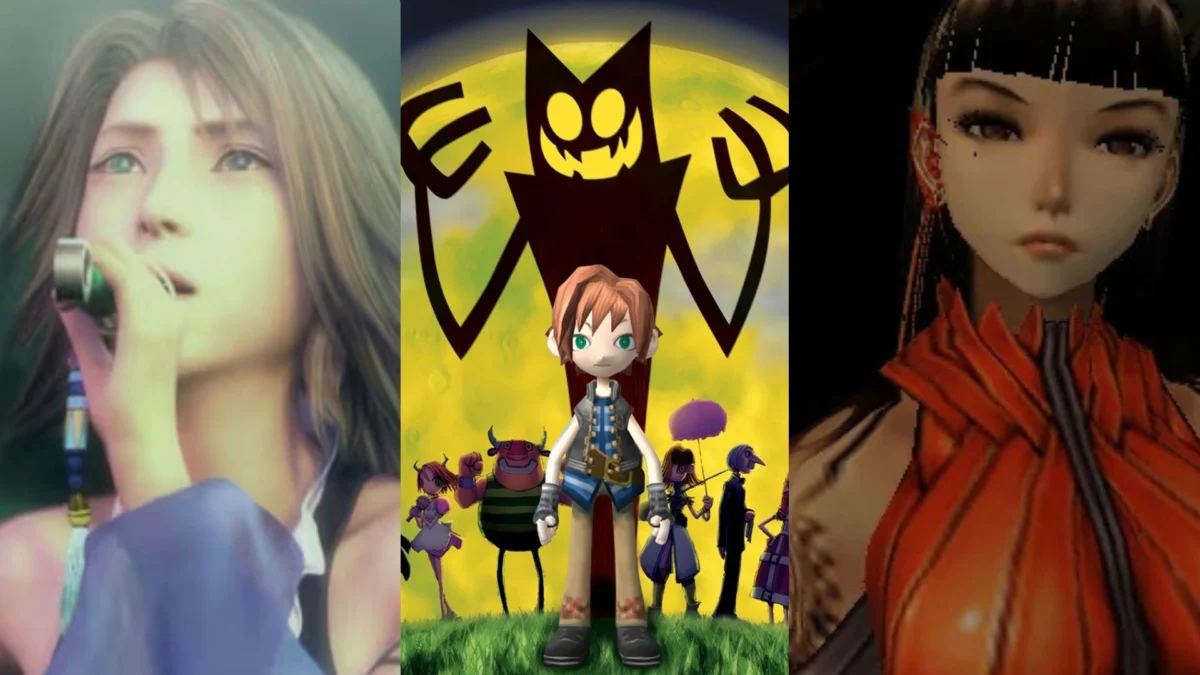
The PlayStation 2 is widely regarded as the "Golden Age" of the Japanese Role-Playing Game (JRPG). With the transition from the 32-bit era to the 128-bit power of the PS2, developers were handed an expansive canvas. However, the pressure to innovate often led to significant missteps. While the platform birthed timeless classics, it also hosted a collection of titles that, despite their ambition, failed to resonate with the core tenets of the genre.
For many developers, the shift to full 3D environments proved to be a double-edged sword. As studios struggled to adapt to the technical demands of the era, many titles lost the unique charm and artistic identity that defined their 2D predecessors. This list examines ten PS2-era JRPGs that, despite their high profiles or cult status, ultimately failed to capture the magic of their peers.
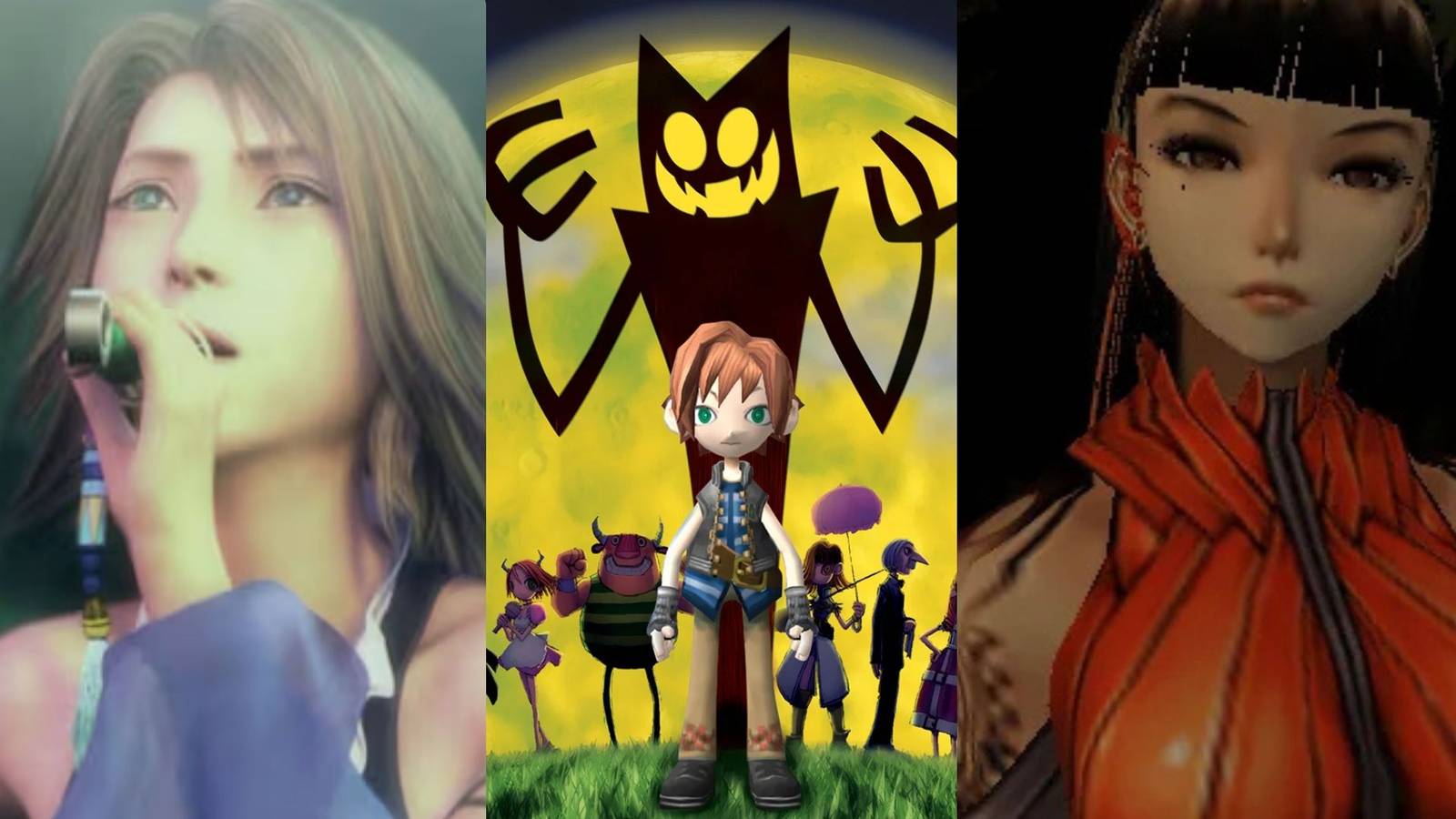
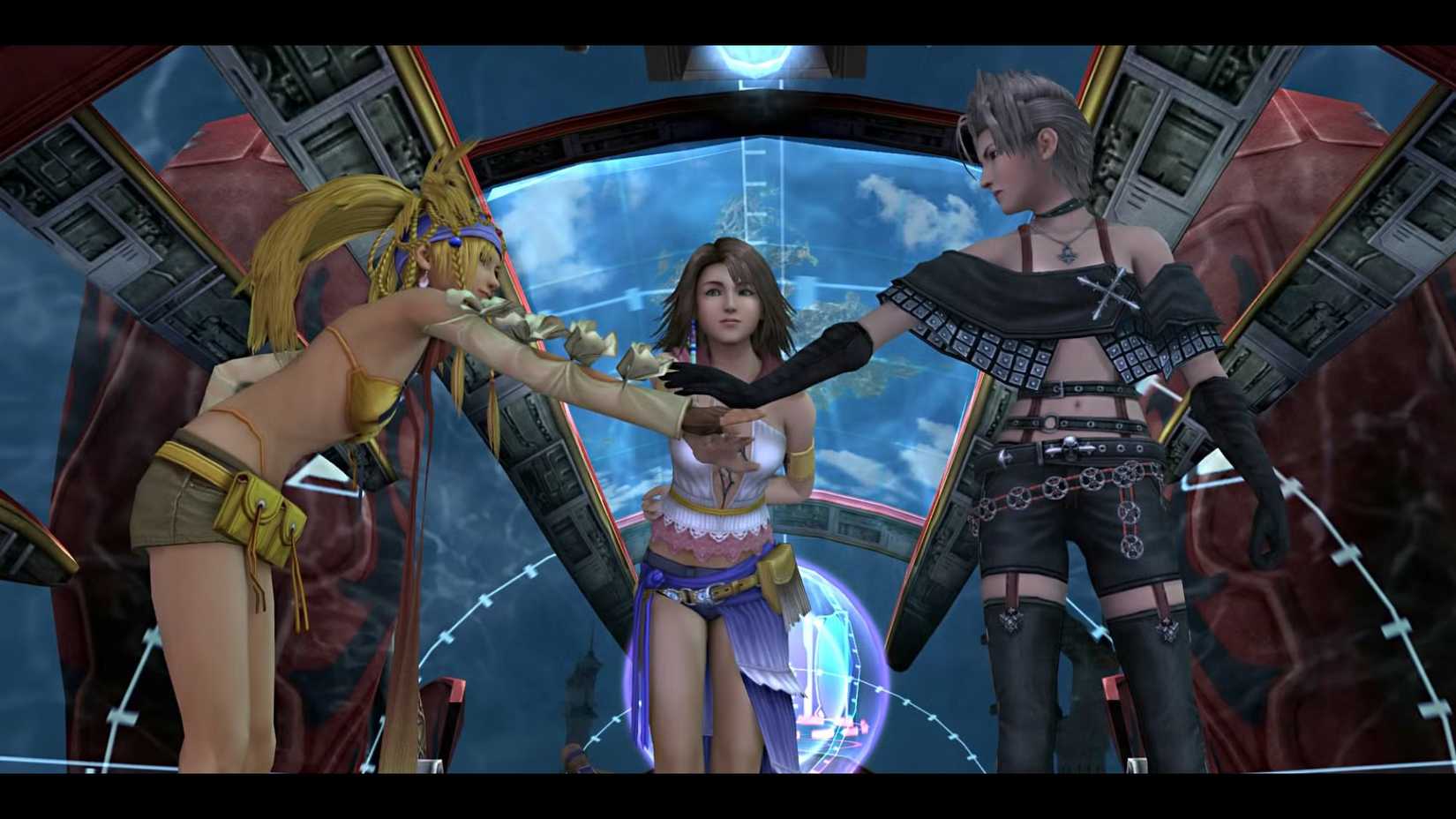
1. Final Fantasy X-2: A Polarizing Departure
Released in 2003, Final Fantasy X-2 remains one of the most divisive entries in the franchise’s storied history. Coming off the heels of the narrative triumph that was Final Fantasy X, expectations were sky-high. Unfortunately, the game’s shift toward a pop-centric aesthetic and a lighter, more whimsical tone alienated a significant portion of the fanbase.
The introduction of the dress-sphere system offered a mechanically sound, outfit-based job system, but the narrative weight—or lack thereof—was a point of contention. The game effectively retconned key emotional beats from its predecessor, diminishing the gravity of Yuna’s journey. By replacing the somber, high-stakes exploration of Spira with a tone reminiscent of 2000s pop culture, Square Enix delivered an experience that felt like a dilution of the Final Fantasy identity.

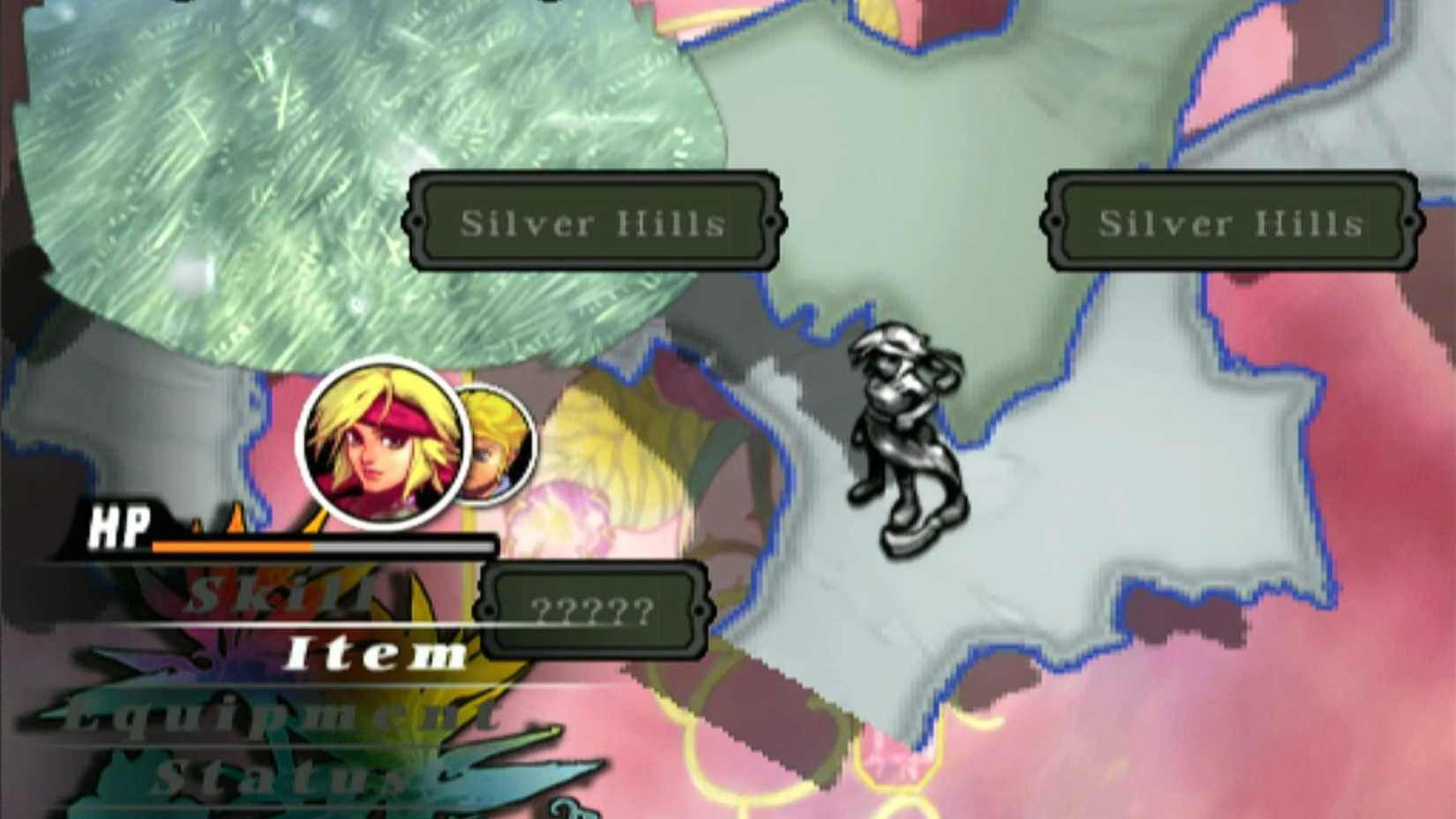
2. Unlimited Saga: The Niche Experiment
Square Enix’s Unlimited Saga represents a bold, if largely unsuccessful, attempt to redefine the traditional JRPG experience. Featuring seven distinct, intertwining stories, the game was a visual marvel for its time, boasting a striking, painterly aesthetic. However, the gameplay mechanics were notoriously opaque.
The combat system, heavily reliant on slot-machine-style RNG and abstract progression, left players feeling alienated. With almost zero tutorialization regarding its complex systems, Unlimited Saga felt like an unfinished experiment. It stands as a cautionary tale of a developer becoming so confident in its brand that it lost sight of player accessibility, resulting in a title that felt disconnected from the standard JRPG experience.
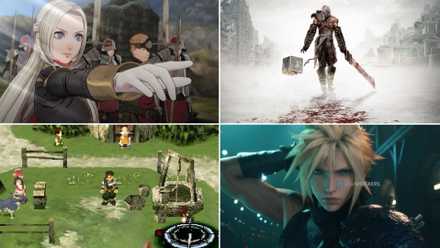
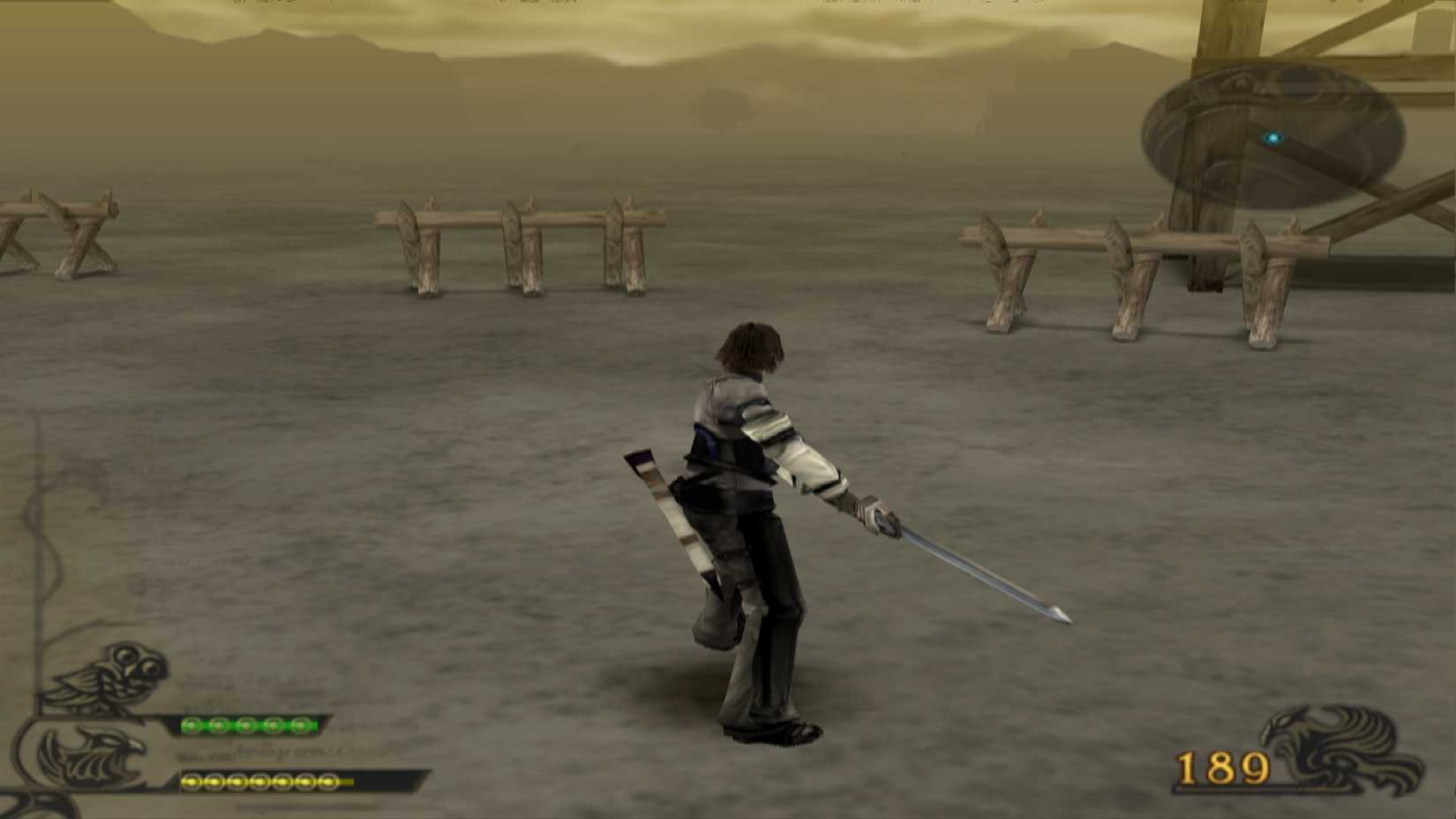
3. Drakengard: An Atrocity in Design
Drakengard is a fascinating case study in narrative ambition versus gameplay execution. While its story is undeniably compelling, delving into themes of madness, war, and moral depravity that would later inform the NieR series, the actual act of playing it is a chore.
The game features repetitive, uninspired combat that mimics Dynasty Warriors but lacks the satisfying feedback loop of the genre. With empty, sterile levels and a soundtrack that often felt dissonant rather than atmospheric, the gameplay loop failed to support the dark, nihilistic world the developers sought to build. It is a game that is best experienced through retrospection and video summaries rather than firsthand play.
4. Legaia 2: Duel Saga: Losing the Soul of a Classic
The original Legend of Legaia on the PS1 was a masterclass in innovative combat and atmospheric storytelling. Its sequel, Legaia 2: Duel Saga, arrived with high expectations but ultimately proved to be a "generic-as-can-be" follow-up. While the combat remained flashy, the melancholy tone and mature narrative structure of the first game were stripped away in favor of a standard, high-energy anime aesthetic. The result was a sequel that felt hollow, lacking the discovery and charm that made the original a standout title.
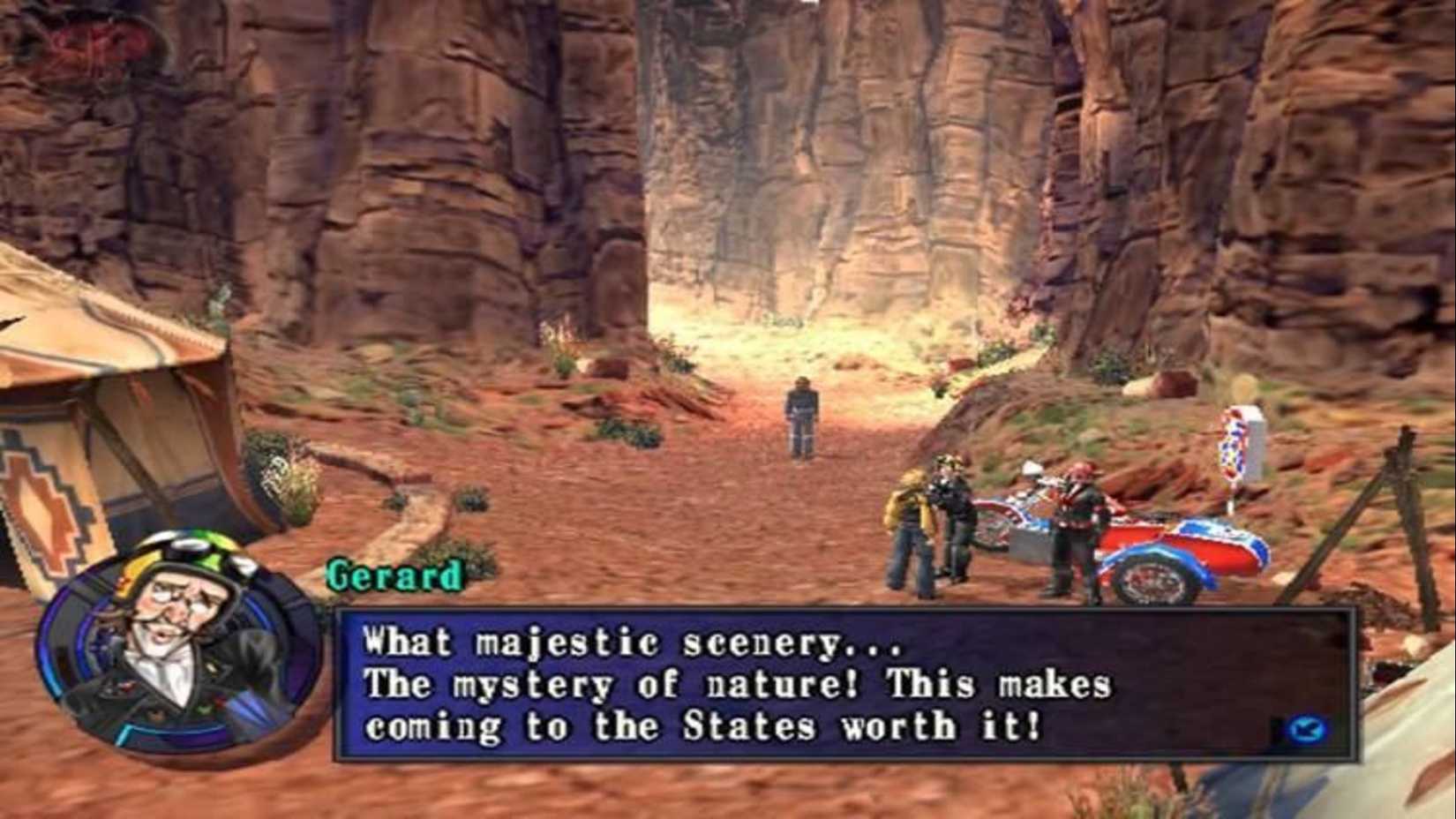
5. Shadow Hearts: From the New World: Tonal Whiplash
Shadow Hearts: Covenant is frequently cited as one of the best RPGs on the PS2. Naturally, the third entry, From the New World, had massive shoes to fill. It failed primarily due to a radical tonal shift. The dark, gothic, and occasionally creepy atmosphere of the first two games was traded for a brighter, more lighthearted experience.
The protagonist, Johnny Garland, lacked the grit and depth of series veteran Yuri, and the overall narrative felt more like a Saturday morning cartoon than the dark, occult-influenced journey fans expected. By abandoning the identity that made the series unique, the game felt like a generic turn-based RPG masquerading as a Shadow Hearts title.
6. Grandia 3: A Linearly Flawed Adventure
Grandia 2 is a quintessential JRPG, known for its sense of adventure and memorable character dynamics. Grandia 3 unfortunately missed the mark entirely. The game pivoted from the grand, open-feeling exploration of its predecessor to a strictly linear, corridor-based design. The cast was equally disappointing, headlined by a protagonist whose personality was more grating than endearing. While the combat engine remained top-tier, the lack of heart and narrative substance made Grandia 3 a difficult recommendation for those seeking a true sense of adventure.
7. Magna Carta: Tears of Blood: The Grinding Nightmare
Magna Carta: Tears of Blood is notorious for its staggering encounter rate, which makes simple traversal feel like a test of patience. While the game featured beautiful character designs and a politically charged, mature fantasy premise, these elements were buried under archaic combat mechanics and poor pacing. The game’s refusal to explain its own systems effectively made for an experience that felt like a constant uphill battle, punishing the player for merely trying to progress.
8. .hack//G.U.: The MMO Illusion
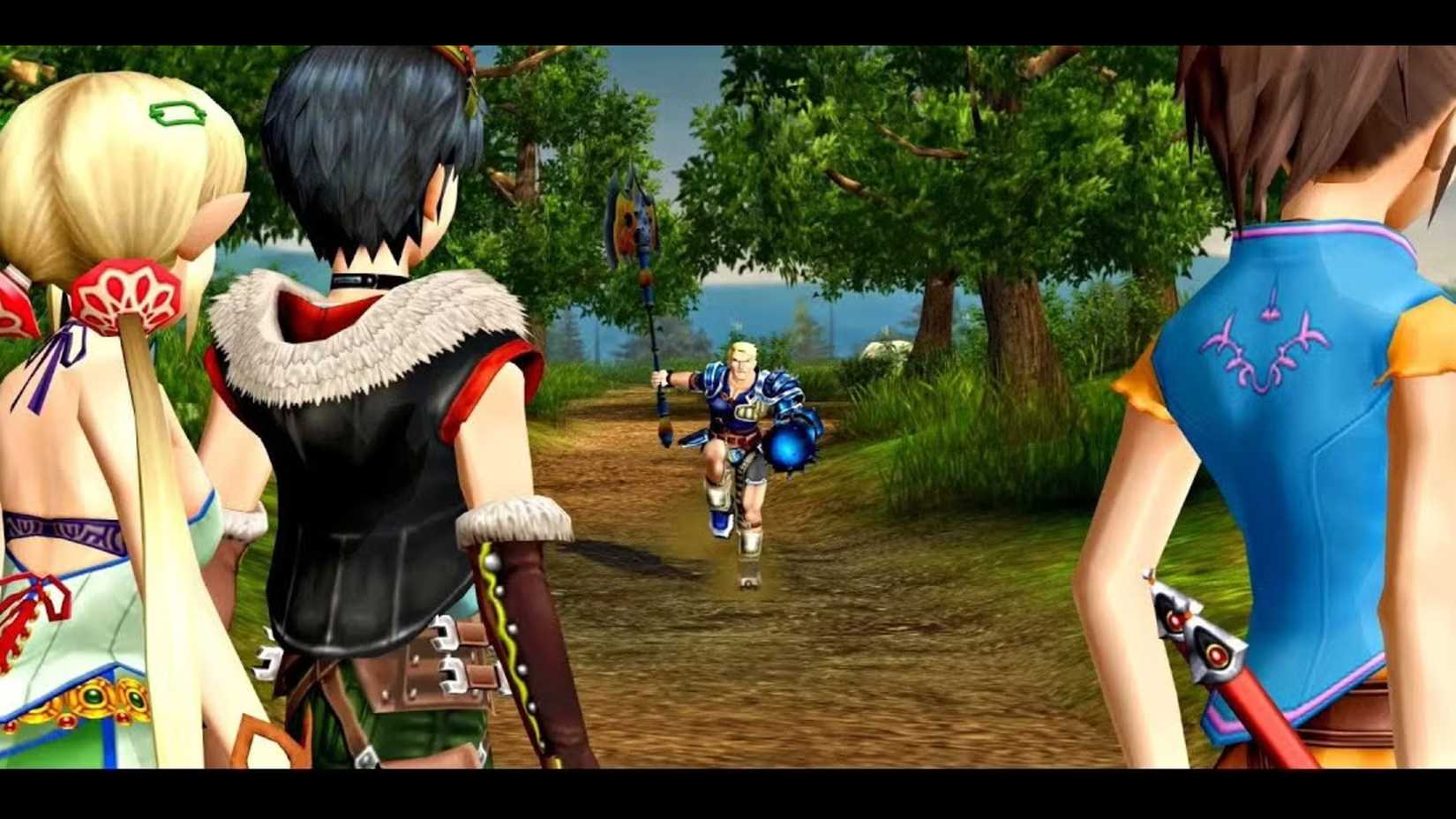
The .hack series attempted to simulate the experience of playing an MMORPG while being trapped in a single-player environment. While the premise was high-concept and ambitious, the execution in G.U. was, for many, an exercise in tedium. The gameplay loop involved reading emails and interacting with lifeless NPCs, effectively capturing the boring parts of an MMO without the social benefits of the real thing. Combined with repetitive level design and uninspired enemy models, the series struggled to justify its own existence as a compelling JRPG.

9. Okage: Shadow King: Style Over Substance
Okage: Shadow King is often cited as a "baby’s first JRPG." While it features a charming, Tim Burton-esque visual style, the actual gameplay lacks the depth required to keep a seasoned player engaged. The levels are bland, and the combat system is static, failing to evolve over the course of the campaign. While it might serve as an entry point for absolute novices, it lacks the technical and mechanical ambition that defined the true heavyweights of the PS2 era.
10. Persona 3: The Gimmick That Stalled
Despite its modern acclaim and the success of its recent remake, the original Persona 3 is often criticized for its reliance on a singular, repetitive gimmick: Tartarus. The game forces the player to spend dozens of hours in a single, monotonous tower. While the social sim elements and battle systems were revolutionary, the core dungeon exploration was arguably the weakest in the franchise. Betting the entire experience on one repetitive location resulted in a journey that felt more like a grind than a grand JRPG epic.
Chronology and Context
The mid-2000s represented a period of transition for Japanese developers. As Western developers began to master 3D space, Japanese studios were often caught in a struggle between preserving the "old school" JRPG formula and chasing the new graphical standards of the era. The titles listed above serve as a map of that struggle, where the ambition to be "bigger" or "more cinematic" often came at the cost of the very mechanics that made the genre beloved in the first place.
Implications for Modern Gaming
The legacy of these titles has had a profound impact on the current JRPG landscape. Modern developers have largely learned from these failures, moving away from forced grinding and monotonous dungeon design. Today’s JRPGs—such as Persona 5 or the Final Fantasy VII Remake—prioritize pacing, meaningful exploration, and character-driven narratives, directly addressing the complaints leveled against the PS2-era duds.
Ultimately, these games remind us that the "Golden Age" was not without its dross. The history of the medium is a cycle of experimentation, and for every masterpiece that defined the PlayStation 2, there were several missteps that served as necessary lessons for the future of the genre.


 Reynand Wu
 Iffa Jayyana