

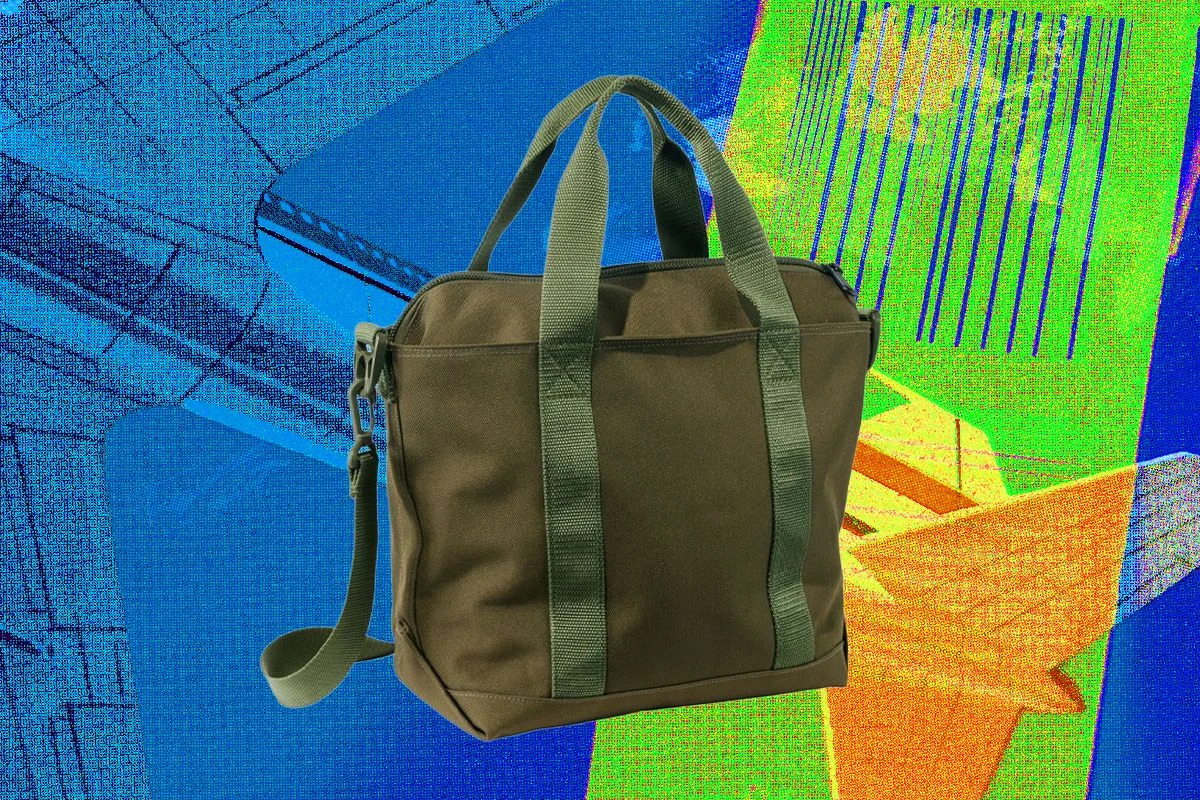
In an era of hyper-engineered "smart" backpacks, tactical gear with more zippers than a space suit, and fast-fashion accessories that disintegrate after a single season of heavy use, there is a quiet, enduring beauty in simplicity. For the gear-obsessed team at WIRED, the quest for the perfect "carryall" often leads to high-tech materials and complex modular systems. However, sometimes the most effective tool is one that has remained fundamentally unchanged for decades.
Enter the L.L.Bean Zip Hunter’s Tote. Whether you are navigating the rain-slicked streets of San Francisco on a cargo bike, embarking on a rugged weekend of backcountry camping, or simply managing the messy reality of organic grocery shopping, this bag serves as a testament to the power of utility over aesthetics.
The Anatomy of an Everyday Essential: Main Facts
At its core, the Zip Hunter’s Tote is a masterclass in durable design. Constructed from 1,200-denier polyester, the fabric is chosen for its extreme resistance to abrasions, tears, and moisture. Unlike traditional cotton canvas totes that soak up spills like a sponge, the Hunter’s Tote features a thermoplastic interior coating. This layer acts as a barrier, effectively rendering the bag impervious to the elements.
The design is intentionally sparse. There are no dedicated laptop sleeves, no hidden RFID-blocking passport pockets, and no complex organizational grids. Instead, it offers a wide, cavernous main compartment that prioritizes volume and accessibility. The reinforced bottom provides enough structure to allow the bag to sit upright—though it remains soft enough to collapse when empty—making it a versatile solution for everything from gym gear to hardware.
A Sunday Ritual: The Chronology of Use
To understand the true utility of the Zip Hunter’s Tote, one must look at how it functions in the wild. For many, the bag’s cycle begins on a Sunday morning.

8:00 AM: The ritual starts in the garage. The bag is loaded onto the rack of an electric cargo bike. Even when packed to the brim with a week’s worth of groceries—earthy beets, unbagged chanterelles, and dewy bunches of kale—the bag remains secure. The "beefy" handles, a hallmark of L.L.Bean’s construction, provide a confident grip that doesn’t fray under the weight of heavy produce.
9:30 AM: The trip concludes at the local food co-op. The produce, often covered in literal garden soil and grit, is placed directly into the tote. Because of the thermoplastic lining, the bag doesn’t hold onto the "funk" of the market.
11:00 AM: Once home, the unpacking process is simple. The bag is emptied, inverted, and rinsed with a garden hose. The water beads off the interior lining, and the bag is hung by its shoulder-strap tabs to dry. By noon, it is clean, dry, and ready for its next deployment.
This cycle—load, transport, rinse, repeat—is where the bag earns its keep. It isn’t a status symbol; it is a piece of equipment designed to facilitate a life lived in motion.
Supporting Data: The Case for Oversized Utility
When choosing a size for the Zip Hunter’s Tote, the data suggests that bigger is definitively better. The line is available in Medium, Large, and Extra-Large (XL) configurations, with the XL offering a massive 53-liter capacity.

Why Size Matters:
- The Floor Space Advantage: The XL model provides a generous 10-by-19-inch flat bottom. This footprint is critical for transporting bulky items that would tip over in a more tapered or structured bag.
- Weight Distribution: Because the bag is made from polyester rather than rigid plastics or heavy leather, the weight of the bag itself is negligible. The entirety of the 53-liter capacity is dedicated to the load, not the carrier.
- The "Hose-Down" Efficiency: A larger bag allows for easier cleaning. Reaching the bottom of an XL bag to wipe away debris or spray it with a hose is significantly easier than navigating the cramped quarters of a smaller "day-bag" style tote.
While some users note that the lack of internal pockets can lead to a "black hole" effect where smaller items get lost, seasoned users have long mitigated this with the use of simple packing cubes or zippered pouches, effectively creating a modular system within the rugged shell.
Official Manufacturer Perspective: The "Hunter" Heritage
L.L.Bean has long marketed the Hunter’s series as a "rugged, water-resistant carryall," and the history of the product aligns with that branding. The name itself—"Hunter’s"—alludes to the bag’s origins in the Maine wilderness. It was designed to haul wet, muddy, or bloody game back from the woods without ruining the upholstery of a truck.
The company’s commitment to this design philosophy is reflected in the product’s longevity. While other brands pivot to trend-chasing colorways or "slimmed-down" profiles, L.L.Bean has kept the fundamental architecture of the tote intact. The heavy-duty zipper, while not fully waterproof in a submergible sense, is significantly more robust than the standard hardware found on high-street luggage. It is designed to be operated with gloved hands, in freezing temperatures, and under stress—the hallmark of professional-grade outdoor gear.
The Implications: Moving Toward "Purposeful Consumption"
The endurance of the Zip Hunter’s Tote carries a broader implication for modern consumers: we are currently seeing a shift away from "disposable convenience" toward "lifelong utility."
The Environmental Impact
The most sustainable bag is the one you don’t have to replace. By opting for a bag that can be checked as luggage on a dozen flights, used for muddy camping trips, and scrubbed clean after a grocery run, the user effectively eliminates the need for a dozen niche-use bags. The 1,200-denier polyester is not only durable; it is a material that resists the aesthetic degradation that usually forces consumers to discard their bags after a year or two.

The "Rental Car" Test
The ultimate test of a bag’s utility is whether it protects your environment as much as it protects its contents. The "rental car test"—the ability to throw a wet tent, mud-caked boots, and dirty gear into a bag and keep the car’s upholstery pristine—is where the Hunter’s Tote excels. For travelers, commuters, and parents, this capability is invaluable. It removes the stress of "cleaning up" before you can actually enjoy the end of your trip.
Final Verdict: A Tool, Not a Fashion Statement
If you are looking for a bag that signals high-fashion or integrates seamlessly with your tech-heavy workspace, the L.L.Bean Zip Hunter’s Tote is likely not for you. It lacks the internal organization that modern office life often demands, and its silhouette is unapologetically boxy.
However, if your life involves the messy, unpredictable, and often dirt-filled reality of the real world, it is an indispensable asset. It is a bag that invites you to be less precious with your equipment. You can toss it in the back of a truck, leave it in the rain, or fill it with garden-fresh produce, knowing that a simple rinse will restore it to its original state.
In a world of planned obsolescence, the L.L.Bean Zip Hunter’s Tote stands out by simply refusing to break. It is a rare example of a product that lives up to its promise: a rugged, reliable, and entirely unpretentious carrier for whatever life—or the trail—throws your way. Whether you are hauling groceries on an e-bike or packing for a weekend in the Mendocino woods, this tote is, quite possibly, the only bag you will ever need.












No comments yet. Be the first to join the conversation!