

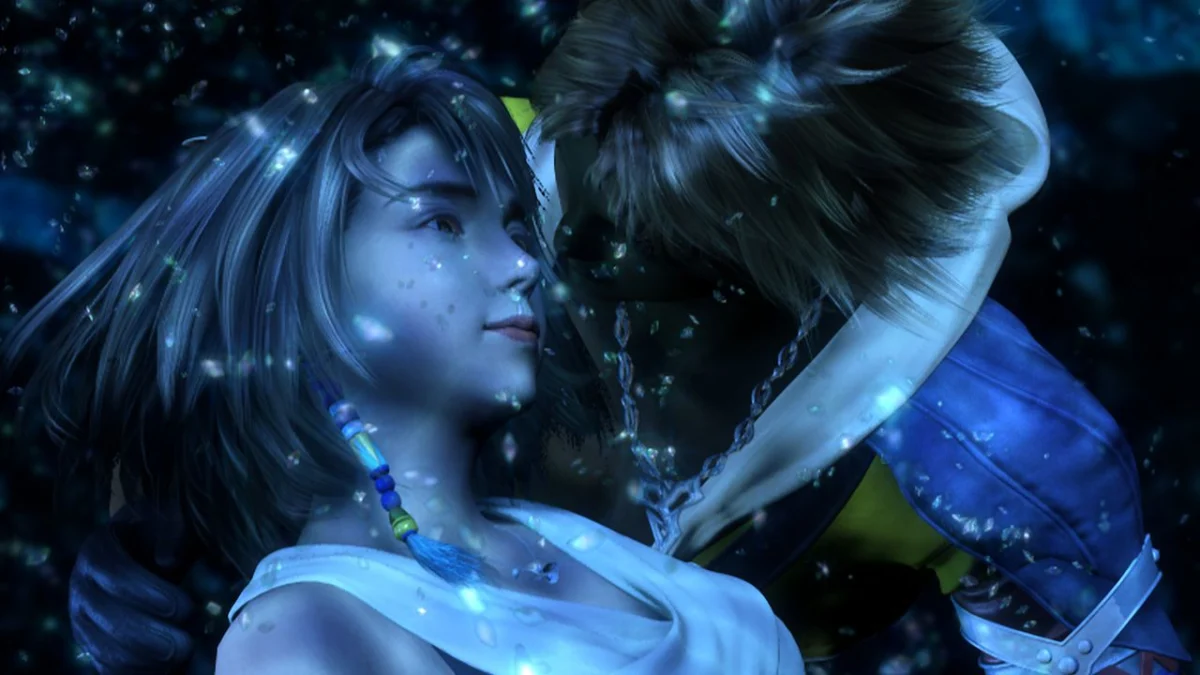
In the pantheon of interactive storytelling, few titles have left as indelible a mark on the medium’s architects as Square Enix’s Final Fantasy 10. While the game is widely celebrated by fans and critics alike for its turn-based combat and vibrant world-building, its true legacy may be the profound, lingering emotional impact it had on a young, aspiring creator named Jenova Chen. Chen, who would go on to found thatgamecompany and gift the world with meditative masterpieces like Flower and Journey, recently revealed that the tragic, heart-wrenching conclusion of Tidus and Yuna’s journey was a pivotal spark in his decision to pursue game design.
This revelation offers a fascinating glimpse into the lineage of inspiration within the gaming industry, demonstrating how a singular, well-executed narrative moment can ripple across decades to shape the very nature of modern indie gaming.
The Genesis of an Artist: From Tears to Design
The journey to becoming a game designer is rarely a linear path. For Jenova Chen, the epiphany did not arrive during a complex coding session or a brainstorming meeting for a high-concept project; it arrived in the quiet, reflective aftermath of finishing Final Fantasy 10.
In a candid interview with Edge Magazine, Chen reflected on the nature of art and the transformative power of storytelling. He drew parallels between the experiences of legendary filmmakers and his own formative encounters with digital media. "If you look at the history of many of the movie makers, like Peter Jackson, why does he want to make films? His dad took him to watch King Kong when he was really young, and when he saw this giant ape climbing the Empire State Building, that was a really shocking experience," Chen explained.
For Chen, the "shock" was not a jump-scare or a plot twist, but a profound sense of melancholy. He recounted a specific morning, long after his initial playthrough, where the weight of the story hit him with renewed intensity. "One day I woke up and I went to wash my face, and I thought about a character in that story, and I suddenly started to cry," he recalled. "I was thinking about what happened to that person. He made a sacrifice for the group. I was just moved by the act—it’s so beautiful and it’s so melancholy that I was crying."
This realization—that a digital narrative could linger in the consciousness long after the console was turned off—became the cornerstone of his design philosophy.
Chronology: The Evolution of Emotional Resonance in Gaming
To understand why Final Fantasy 10 had such a seismic effect on Chen, one must look at the landscape of gaming at the turn of the millennium.
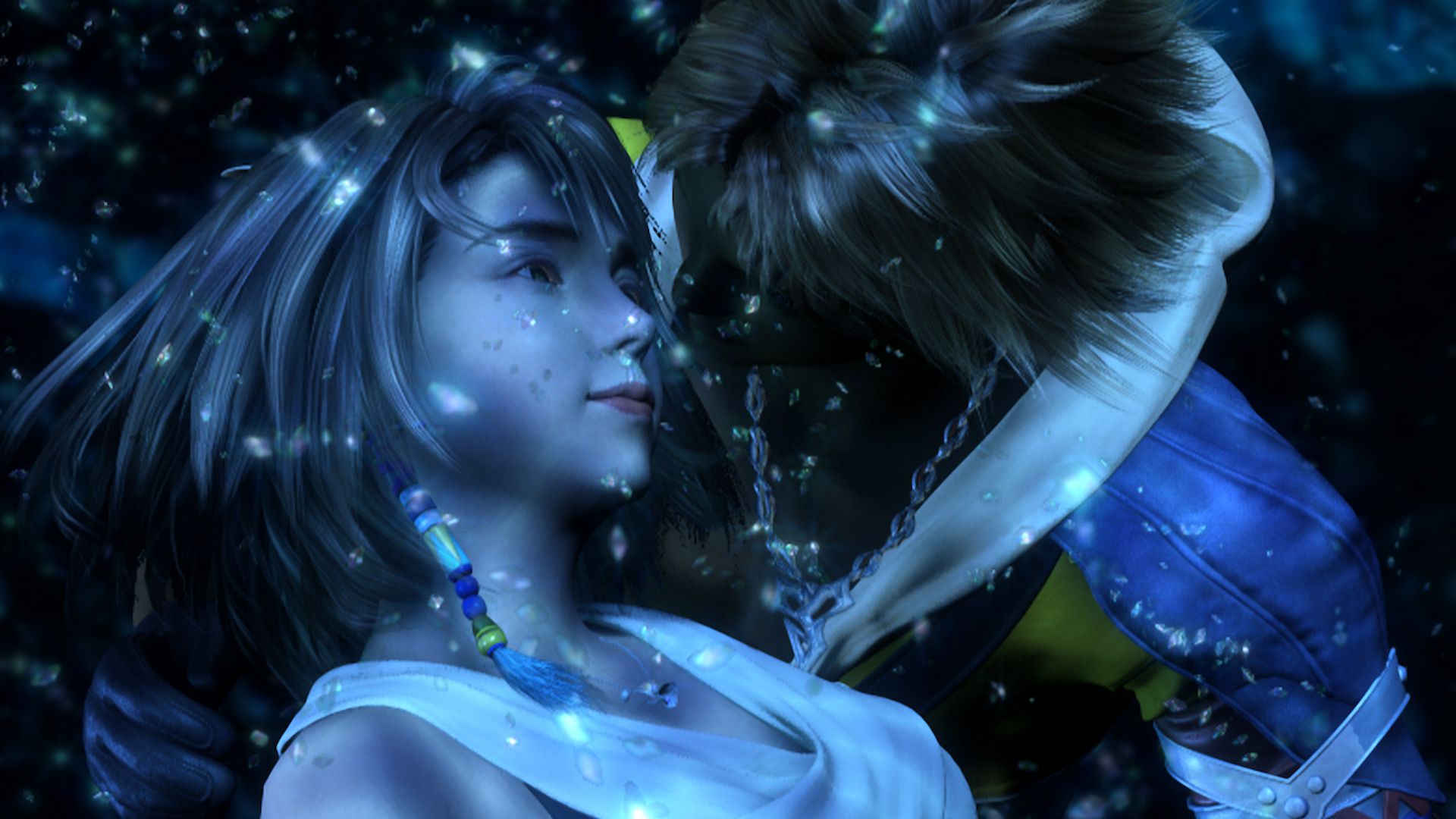
- 2001 (The Release): Final Fantasy 10 launches on the PlayStation 2. It is the first entry in the series to feature voice acting, which drastically altered the player’s connection to the characters. The blossoming romance between Tidus and Yuna provided a grounded, human anchor to the game’s cosmic, apocalyptic stakes.
- The Early 2000s (The Academic Influence): During his time in film school, Chen began deconstructing what made a piece of art "impactful." He noted that while mediocre films often leave audiences chatting and laughing as they exit the theater, the truly transformative works leave them in a state of stunned, contemplative silence.
- The Foundation of thatgamecompany: Armed with the desire to replicate that "blown away" feeling, Chen founded thatgamecompany. His works, starting with Cloud and leading into the critical darlings Flower and Journey, prioritized emotional atmosphere and non-verbal communication over traditional, high-intensity gaming tropes.
- Present Day: The legacy of the emotional "tearjerker" persists. Japanese gamers recently voted Final Fantasy 10 the most tear-jerking JRPG of all time, a testament to the enduring power of its narrative design.
Supporting Data: Why We Cry at Games
Why does Final Fantasy 10 remain the gold standard for emotional storytelling in the RPG genre? Researchers and critics often point to a confluence of factors that the game mastered during the PS2 era:
- Voice Acting and Facial Animation: By incorporating cinematic presentation, the game allowed players to read micro-expressions on the characters’ faces, making the tragedy of Tidus’s fate feel personal rather than abstract.
- The "Sacrifice" Trope: As Chen noted, the act of self-sacrifice is a universal narrative beat, but in Final Fantasy 10, it is tied directly to the player’s agency. Having spent dozens of hours leveling and caring for these characters, the player feels the loss as a participant, not just a witness.
- The Music of Nobuo Uematsu: The score, particularly the "To Zanarkand" theme, acts as an emotional primer. The haunting piano melody is inextricably linked to the game’s melancholy tone, triggering visceral responses in players even years later.
Recent industry data supports the idea that emotional engagement is now a primary driver for player retention and brand loyalty. Titles that prioritize "emotional resonance," such as Undertale, Omori, and The Last of Us, have demonstrated that the "tearjerker" effect is a global phenomenon that transcends cultural boundaries.
Official Responses and Industry Implications
The influence of Final Fantasy 10 extends far beyond one designer. Industry analysts suggest that Square Enix’s ability to weave "live service" elements into their newer titles—like the long-running Final Fantasy 14—is built on the foundation of the deep, community-driven emotional investment established in the early 2000s.
However, some critics argue that the industry has struggled to replicate this magic for new generations. A former Square Enix executive recently noted that while the company has mastered the art of long-term service models, they have at times been "slow" to bring their classic IP to newer audiences in a way that resonates with the same emotional weight. The challenge, according to industry veterans, is balancing the technical demands of modern gaming with the intimate, quiet moments of character development that Chen finds so essential.
For creators like Chen, the takeaway is clear: if you want to create a masterpiece, do not aim for the high-octane thrills of a blockbuster action movie. Aim for the quiet moments in the bathroom mirror, where the player is left alone with their thoughts, feeling the echoes of a story that has fundamentally changed their perspective on life.
Conclusion: The Ripple Effect of Art
The story of Jenova Chen and Final Fantasy 10 is a reminder that creators are, first and foremost, consumers of the art they love. The cycle of inspiration is constant; a teenager in the early 2000s experiences a digital romance that leaves him in tears, and years later, that same teenager creates Journey, a game that would go on to move millions of others to tears.
As the gaming industry continues to evolve, pushing for higher frame rates, more realistic graphics, and expansive open worlds, it is vital to remember the core lesson that Chen learned: technology is merely a vehicle. The destination, as evidenced by the lasting legacy of Tidus and Yuna, remains the human heart. Whether through the epic battles of a JRPG or the wordless, sand-swept pilgrimage of an indie title, the goal remains the same—to change how we live our lives, one tear at a time.











No comments yet. Be the first to join the conversation!