

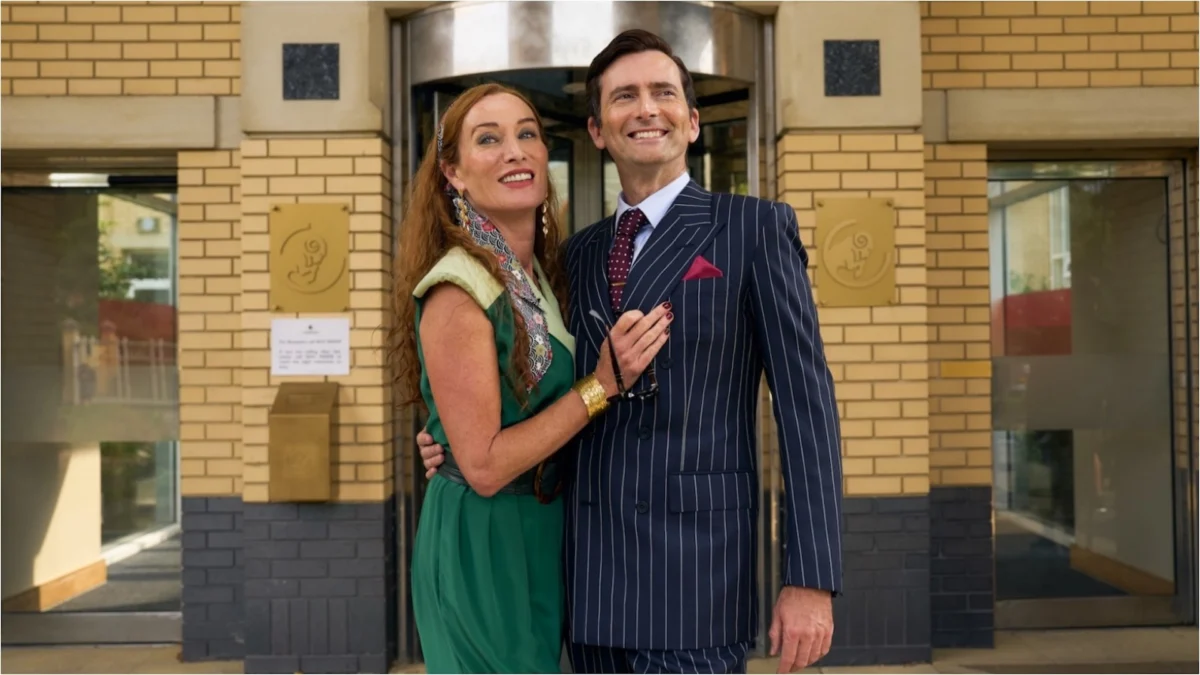
When Rivals first premiered, it arrived with the subtlety of a champagne bottle popping in a pressurized airplane cabin. Based on the iconic, racy novels of Dame Jilly Cooper, the series quickly earned a reputation as the ultimate "bonkbuster"—a television spectacle defined by its unapologetic embrace of 1980s excess, gratuitous shirtlessness, and a penchant for the scandalous.
However, as the series returns for its highly anticipated second season, viewers will find that while the neon-soaked hedonism and impeccable shoulder pads remain, the show has undergone a profound evolution. Season 2, currently streaming on Hulu and Disney+, retains the booze, the betrayals, and the stellar synth-pop needle drops, but it trades some of the shallow spectacle for genuine emotional stakes. Most notably, the series has moved its female characters from the periphery to the very center of the narrative, recontextualizing the power dynamics of the fictional, elite world of Rutshire.
The Evolution of a Scandalous Saga: A Chronological Look
To understand the shift in Rivals, one must look at the trajectory of the series. The first season functioned primarily as an introduction to the "toff sex safari"—a world where the wealthy and the powerful played fast and loose with morality. The narrative hooks established in the finale of the first season provided the necessary scaffolding for this pivot.
By the time the audience reaches the fourth episode of Season 2, the shift is undeniable. The characters are no longer just pawns in a game of sexual maneuvering; they are agents of their own chaotic destinies. Executive producer Alexander Lamb notes that the second season is defined by the inescapable weight of consequence. "In season 1, loads of things happen at the end, which gave us some great hooks to let these women step forward, but it’s really all about the consequences of people’s choices," Lamb explains.
The chronology of these character arcs is critical. We see Monica, once sidelined by Tony’s erratic behavior, reclaim her agency with a cutting, decisive dismissal of his antics. We see Maud O’Hara (Victoria Smurfit) navigate the complexities of desire and disappointment with a clarity that refuses to be diminished by the men around her. These aren’t just moments of retribution; they are snapshots of women navigating a landscape that was never designed for them to win.
The Female Gaze in a Masculine World
At the heart of this transformation is a deliberate creative choice by showrunner Dominic Treadwell-Collins. Drawing from his extensive experience helming the long-running British soap opera EastEnders, Treadwell-Collins brought a specific, character-driven sensibility to the writer’s room.
"We had a very female writer’s room. We are very female in the way we often think," Treadwell-Collins tells Den of Geek. He emphasizes that the show’s shift isn’t just about giving women more lines, but about changing the camera’s perspective—the "female gaze."
"We’ve spent a lot of time through seasons 1 and 2 talking about the female gaze, and the camera thinking from the female point of view. I think remarkably few shows do that," he adds. By centering the story on the emotional internal lives of the women of Rutshire, the production team has successfully bridged the gap between Jilly Cooper’s original, character-rich source material and a modern television audience that demands more depth from its leads.
Supporting Data: Character Depth Over Caricature
The most striking example of this shift is the arc of Sarah Stratton, portrayed with nuance and comedic timing by Emily Atack. In the first season, Sarah’s character was often defined by her role as the "trophy mistress" and her illicit affair with the playboy Rupert Campbell-Black. Season 2, however, forces the audience to confront the human being behind the scandal.
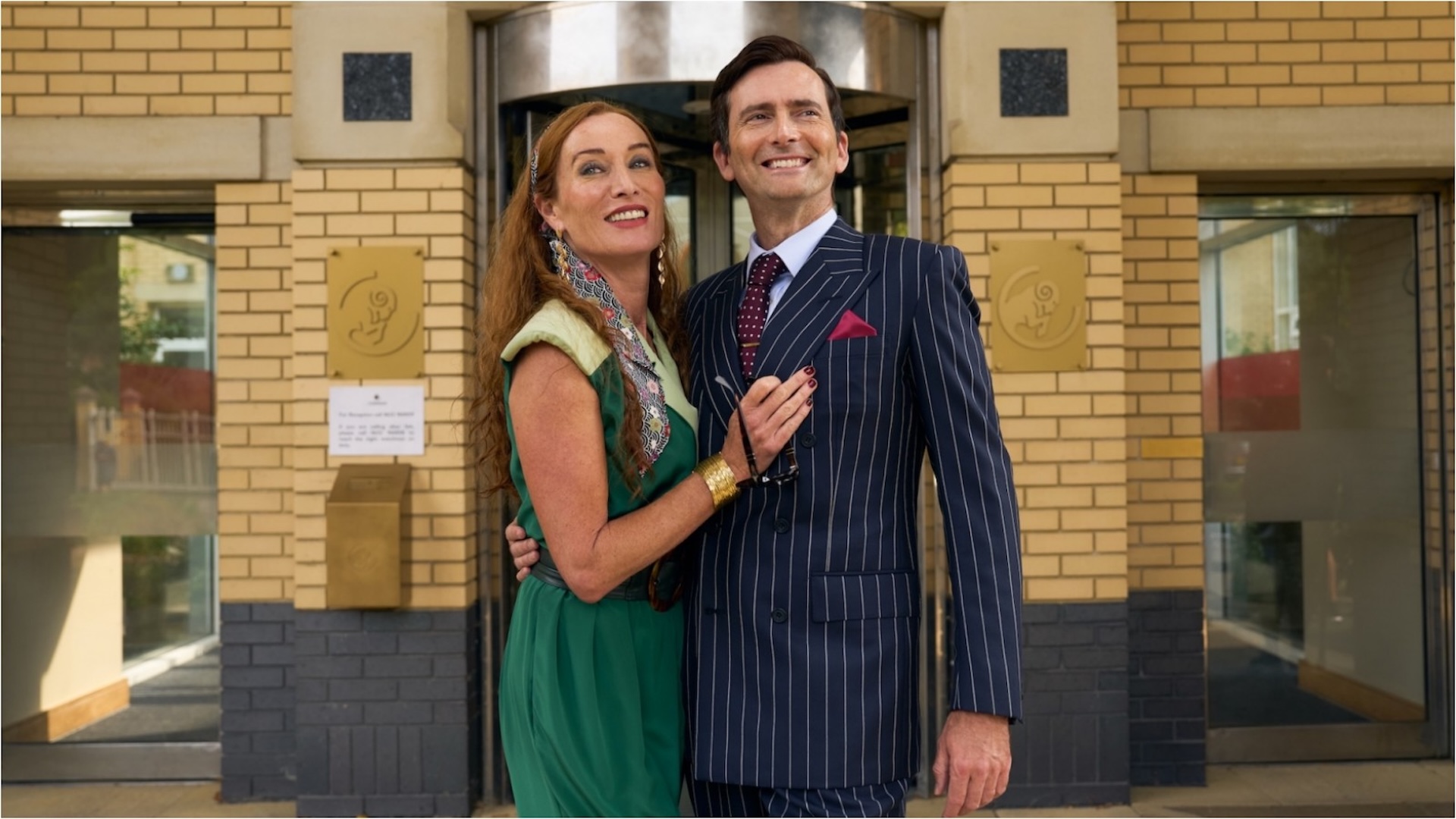
Sarah is now navigating a complex web of professional ambition, a strained marriage, and an unexpected pregnancy. Atack views the role as a reclamation of the "flawed woman" archetype. "I’m so lucky because I’ve always wanted to take a character like this and make them so that people want to root for them rather than tamp them down in the name of making them likeable," Atack explains.
Her performance serves as a pillar for the show’s new tone:
- Agency: Sarah is no longer waiting for opportunities; she is actively pursuing a television career in a world that views her as a decorative object.
- Vulnerability: The writers have provided Sarah with the internal conflict necessary to explain her manipulation, framing it as a survival strategy in a male-dominated environment.
- Relatability: By embracing her own mistakes, Atack believes she is providing a service to viewers who are tired of the "perfect victim" trope.
Official Perspectives: The Cast Weighs In
The cast of Rivals appears to be in lockstep regarding this thematic shift. Victoria Smurfit, who plays the sharp-witted Maud O’Hara, points out that the source material—the novels of Dame Jilly Cooper—always contained these elements, even if they were sometimes overlooked in favor of the "bonkbuster" label.
"A woman wrote it originally," Smurfit notes. "I think it’s very exciting that they put a lot of the women front and center, but it is all there in the book already… It’s equal opportunity for all of us."
This sentiment is echoed by Chris Oliver, who plays the pompous James Vereker. Oliver acknowledges that while his character was largely a source of comic relief in the first season, the second season peels back the layers of his behavior to reveal the "passive, careless, toxic masculinity" that defined the era. His performance serves as a perfect foil to the growing strength of the female leads. "When I saw it back for the first time, I was actually really affected by it," Oliver says, "because you realize that actually I am representing a kind of passive, careless, toxic masculinity in this story, which was not only relevant in the 80s, but I think is probably still quite relevant today."
Implications for the Future of Period Dramas
The success of Rivals Season 2 carries significant implications for the genre of period dramas. By choosing to interpret the 1980s through a modern lens, the show avoids becoming a museum piece. Instead, it uses the decade’s crassness and excess as a mirror for contemporary issues of power, gender, and personal agency.
The show demonstrates that "fun" and "serious" are not mutually exclusive. A show can feature the wild, neon-lit parties and the absurd social politics of 1980s Britain while simultaneously providing a poignant look at how women survive and thrive in systems designed to keep them down.
As Rivals continues its run, the focus on Sarah, Maud, and the other women of Rutshire suggests that the series has found its true North Star. It is no longer just about who is sleeping with whom, but about what those choices cost, and how the women involved choose to pay the price. In doing so, Rivals has elevated itself from a guilty pleasure to a compelling, necessary drama that respects its audience enough to offer them complexity along with their champagne.
Whether this trajectory will continue into potential future seasons remains to be seen, but for now, the women of Rutshire have firmly established that they are no longer merely playing the game—they are the ones setting the rules.











No comments yet. Be the first to join the conversation!