Pevita Pearce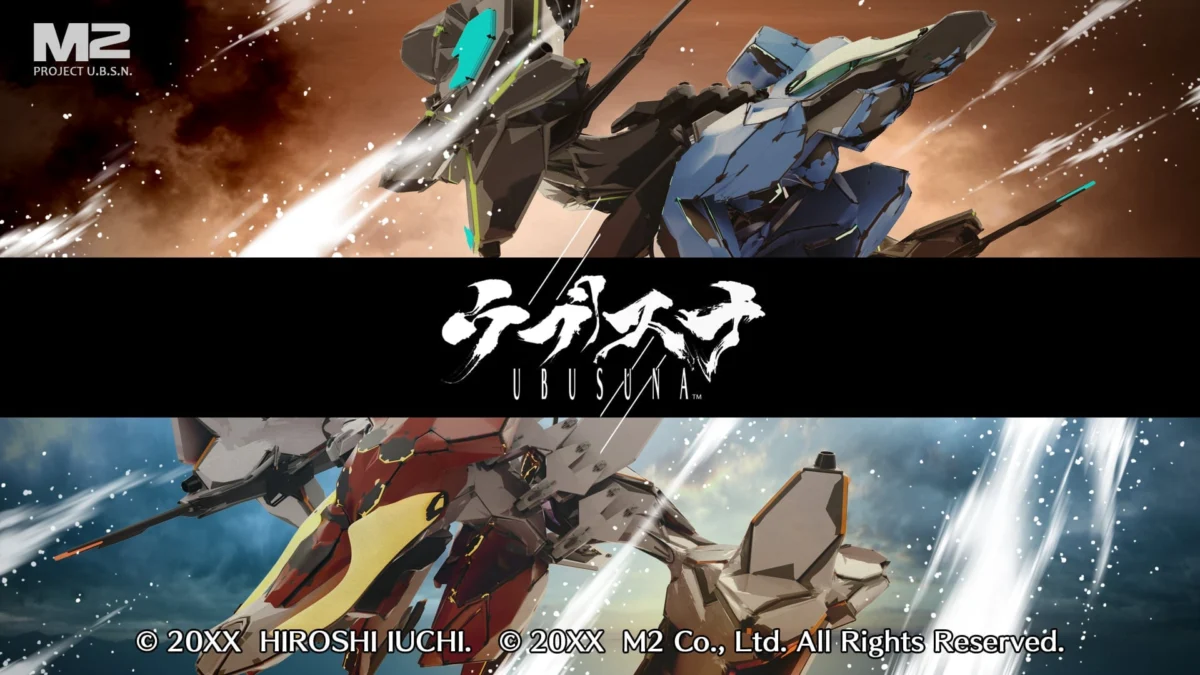
TOKYO, Japan – May 24, 2026 – After more than a decade of development and fervent anticipation from the global shoot ’em up community, M2 Co., Ltd. has announced the cancellation of Ubusuna, the highly awaited title from revered Ikaruga creator Hiroshi Iuchi. The decision comes following the resignation of Iuchi himself, who had been leading the project since its initial announcement in 2014. M2 President Naoki Horii conveyed the news with a "heavy heart," citing "difficult circumstances" that rendered the game’s completion impossible without its visionary director.
The cancellation marks a significant blow to fans who have patiently followed Ubusuna‘s progress, or lack thereof, over the years. It also raises questions about the future of auteur-driven game development within established studios, particularly for niche genres like the shoot ’em up (shmup). While M2 explored avenues to continue the project post-Iuchi’s departure, they ultimately concluded that the intricate and deeply personal nature of Ubusuna‘s design precluded its successful realization by another team. In a glimmer of hope for enthusiasts, Horii also revealed that Iuchi has not abandoned his dream of completing Ubusuna independently, offering a tantalizing, albeit challenging, prospect for the future.
Chronology: A Decade of Anticipation
The journey of Ubusuna has been a long and often quiet one, stretching back to its initial reveal in 2014. For fans of the shmup genre, particularly those who revere the works of Treasure and its key creative figures, the announcement sparked immediate excitement.
The Genesis: A New Vision from a Master (2014)
The first whispers of Ubusuna emerged in August 2014, when Gematsu reported on its announcement as a PlayStation 4 title. The news was met with widespread enthusiasm, primarily due to the involvement of Hiroshi Iuchi. Iuchi is a name synonymous with some of the most innovative and challenging shoot ’em ups ever created, including Ikaruga and Radiant Silvergun. His prior work with Treasure Co. Ltd. had cemented his reputation as a designer capable of pushing the boundaries of the genre, blending intricate mechanics with stunning visual aesthetics. The promise of a new, original shmup from Iuchi, after a significant hiatus following Gradius V (which he directed for Konami), was enough to ignite a firestorm of speculation and high expectations. Fans envisioned a spiritual successor that would carry forward the legacy of his unique design philosophy.
Early Hype and Expectations (2014-2016)
Following its announcement, the initial buzz around Ubusuna centered on the potential for a fresh take on the shmup formula, imbued with Iuchi’s signature style. While concrete details remained scarce, the very idea of a new Iuchi-helmed project was enough to sustain considerable hype. The shmup community, though niche, is incredibly passionate and dedicated, often celebrating titles that offer deep replayability, intricate scoring systems, and challenging gameplay. Ubusuna was positioned as a premium title for this discerning audience, a game that would not only satisfy their hunger for high-quality shmups but potentially redefine what the genre could achieve on modern hardware. Concept art and early screenshots, though limited, hinted at a visually distinct world, further fueling the anticipation for a game that promised both artistic integrity and mechanical depth.
Years of Silence and Occasional Glimmers (2017-2023)
As years passed, public updates on Ubusuna became increasingly infrequent. The long development cycle, characteristic of many ambitious projects, began to test the patience of even the most devoted fans. Periods of extended silence were occasionally broken by small teases or confirmations that the project was still active, albeit behind closed doors. These intermittent updates, often vague, served to keep the flame of hope alive but also contributed to a growing sense of uncertainty.
One notable public offering was the "Ubusuna SOUNDTRACK-EP" video, released on M2’s YouTube channel. This video provided a glimpse into the game’s auditory landscape, featuring music that many believed would complement Iuchi’s signature visual style. For fans, it was a tangible piece of the game, a sonic manifestation of the world Iuchi was crafting, and a rare public-facing asset from the prolonged development. The soundtrack offered a unique insight into the game’s mood and atmosphere, reinforcing the artistic ambition behind the project and reminding the community that Ubusuna was indeed more than just a concept. Its existence was a testament to the ongoing work, even as the game itself remained largely unseen.
The Unforeseen Culmination (2024-2026)
Despite these occasional glimpses, the development of Ubusuna largely remained shrouded in mystery. The protracted timeline, spanning over a decade, placed it among some of the industry’s most delayed titles. While long development cycles are not uncommon, especially for titles with a strong auteur vision, the lack of substantial updates began to raise concerns. The eventual cancellation announcement, while deeply disappointing, was perhaps not entirely unexpected given the extended period of relative silence and the increasingly competitive landscape of game development. The news, delivered on May 24, 2026, brought an abrupt and definitive end to a decade of hope, speculation, and unwavering anticipation for a game that had become almost legendary in its elusive nature.
Supporting Data and Context
To fully grasp the significance of Ubusuna‘s cancellation, it’s essential to understand the key players involved and the broader context of the shoot ’em up genre.
The Legacy of Hiroshi Iuchi
Hiroshi Iuchi is not merely a game designer; he is an artist whose work has profoundly influenced the shmup genre. His name first rose to prominence through his contributions at Treasure, a studio celebrated for its innovative and challenging action games.
- Radiant Silvergun (1998): Often cited as one of the greatest shmups of all time, Radiant Silvergun for the Sega Saturn introduced complex weapon systems, intricate scoring mechanics, and a branching narrative that was revolutionary for the genre. Iuchi’s direction imbued the game with a unique visual flair and a distinct personality, establishing him as a master of atmospheric design and technical prowess.
- Ikaruga (2001): Perhaps Iuchi’s most iconic work, Ikaruga for the Sega Dreamcast (and later GameCube, Xbox Live Arcade, PC, Switch, PS4) is famous for its innovative polarity system. Players could switch between black and white polarities, absorbing bullets of the same color and dealing double damage to enemies of the opposite color. This mechanic transformed the traditional shmup from a test of pure dodging into a cerebral puzzle, demanding strategic thinking alongside lightning-fast reflexes. Ikaruga became a benchmark for design elegance and challenging gameplay, earning critical acclaim and a dedicated cult following.
- Gradius V (2004): While Gradius V was developed by Treasure for Konami, Iuchi served as its director. This entry in the long-running Gradius series brought Treasure’s signature intensity and intricate boss designs to the classic formula, further solidifying Iuchi’s reputation for high-quality, challenging experiences.
Iuchi’s games are characterized by their deep mechanics, often requiring players to master complex systems to achieve high scores or even just to survive. They possess a distinctive visual style, blending intricate pixel art with evocative environments and memorable boss designs. For the shmup community, a game from Iuchi is not just another title; it’s an event, a promise of a meticulously crafted experience that respects the genre’s traditions while pushing its boundaries. The prospect of Ubusuna was therefore seen as a continuation of this esteemed legacy, a new canvas for Iuchi’s singular vision.
M2’s Role in Gaming Preservation and Development
M2 Co., Ltd. is a Japanese development studio renowned for its exceptional work in porting, emulating, and developing classic games. Their reputation for quality is virtually unparalleled in the industry, particularly for their dedication to preserving the integrity and performance of retro titles.
- M2 ShotTriggers: This initiative is perhaps M2’s most celebrated contribution to the shmup community. Under the ShotTriggers brand, M2 has released meticulously crafted ports and remasters of classic arcade shmups, including titles like Battle Garegga Rev.2016, Ketsui Deathtiny, Esprade Psi, and Aleste Collection. These releases are lauded for their pixel-perfect emulation, extensive customization options, and wealth of bonus features, often surpassing the original arcade experience in terms of accessibility and depth.
- Sega Ages/3D Classics: M2 was also the driving force behind the acclaimed Sega Ages and 3D Classics series for Nintendo 3DS and Switch, bringing beloved Sega titles to new platforms with stunning 3D conversions and thoughtful enhancements.
M2’s involvement with Ubusuna was significant because it signaled a commitment to quality and a deep understanding of the shmup genre. A studio known for its reverence for classic arcade experiences and its technical prowess was the ideal partner for a visionary like Iuchi. Their track record suggested that Ubusuna would not only be a well-crafted game but also one that honored the genre’s heritage while delivering a polished, modern experience. The cancellation, therefore, is not just a loss for Iuchi, but also for M2, representing a substantial investment of time and resources into a project that ultimately could not be realized.
The Niche of Shoot ’em Ups
The shmup genre, while foundational to video game history, has evolved into a highly specialized niche. Unlike mainstream genres that command vast audiences, shmups cater to a dedicated, often hardcore, fanbase.
- Dedicated Community: Shmup players are known for their pursuit of mastery, often spending countless hours perfecting runs, memorizing patterns, and competing for high scores. This community values precision, challenge, and depth.
- Development Challenges: Developing a shmup is a labor of love. It requires intricate level design, precise hitboxes, satisfying weapon feedback, and often complex scoring systems. Marketing such a game can be challenging, as its appeal is limited compared to broader genres. Funding can also be an issue, as large publishers may be hesitant to invest heavily in titles with a smaller projected audience.
- Artistic Expression: Despite its niche status, the shmup genre remains a fertile ground for artistic expression. Developers can experiment with unique mechanics, narrative structures (as seen in some Iuchi titles), and striking visual styles.
Ubusuna, being an Iuchi-led shmup, was destined for this niche. Its cancellation highlights the inherent difficulties in sustaining long-term, auteur-driven projects within a genre that, while beloved, operates outside the commercial mainstream.
Challenges of Long-Term Game Development
The ten-year development cycle of Ubusuna is a stark reminder of the inherent complexities and risks associated with prolonged game production. Many factors can contribute to delays and, ultimately, cancellations:
- Creative Vision and Scope Creep: A strong creative vision, while essential, can sometimes lead to an expanding scope, pushing timelines and budgets beyond initial projections. This is particularly true for an auteur like Iuchi, whose meticulous approach demands significant time and refinement.
- Personnel Changes: The departure of key personnel, especially a director and lead designer like Iuchi, can be catastrophic. The project’s direction, unique creative insights, and institutional knowledge are often lost, making continuation incredibly difficult or impossible without a complete overhaul.
- Technological Evolution: Over a decade, gaming technology evolves rapidly. What was cutting-edge in 2014 might be outdated by 2024, potentially requiring significant rework or a complete pivot in development tools and engines.
- Funding and Resource Allocation: Sustaining a project for ten years demands consistent funding and resource allocation. Even a reputable studio like M2 faces economic realities, and a project that isn’t progressing efficiently can become a financial drain.
- Market Shifts: Player expectations and market trends can change dramatically over a decade. While Ubusuna was always aimed at a niche, ensuring its relevance and appeal after such a long gestation period would have been a continuous challenge.
These challenges underscore the fragility of ambitious game development, especially when a project is so intimately tied to the vision of a single individual.
Official Responses and Statements
The news of Ubusuna‘s cancellation was delivered through a comprehensive message from Naoki Horii, Representative Director of M2 Co., Ltd., shared via the company’s official channels and subsequently picked up by various gaming news outlets. The statement was meticulously worded, reflecting the gravity of the situation and the respect M2 holds for Hiroshi Iuchi and the project.
M2 President Naoki Horii’s Full Message
Horii’s statement began with an acknowledgement of the difficult nature of the announcement:
"This is Naoki Horii, Representative Director of M2 Co., Ltd. Thank you for your continued support. Today, I have an important announcement regarding the shooting game Ubusuna, and a request to make of you."
"We have been working on Ubusuna since its announcement in 2014, and it is with a heavy heart that we announce our decision to cancel its development."
This opening immediately set a somber tone, emphasizing the emotional weight of the decision for M2 and its team. Horii then elaborated on the core reason for the cancellation: Iuchi’s departure.
"The project has been led by a team centered around our in-house game creator, Hiroshi Iuchi. However, difficult circumstances led to Mr. Iuchi’s submission of his resignation, which we have accepted, under a mutual agreement and understanding."
The phrase "difficult circumstances" is vague but suggests underlying issues that contributed to Iuchi’s decision. The emphasis on "mutual agreement and understanding" indicates an amicable, albeit regrettable, parting of ways, likely to avoid speculation of conflict or mismanagement.
Horii then explained why continuing Ubusuna without Iuchi was deemed unfeasible:
"Although we explored ways to continue this project following Mr. Iuchi’s departure, we came to the conclusion that, given the nature of the work, it would be difficult to bring Ubusuna to its complete form without him. We have therefore decided that we must abandon further development."
This is a crucial insight into the project’s essence. It strongly implies that Ubusuna was so intrinsically linked to Iuchi’s unique creative vision, design philosophy, and perhaps even his specific coding or artistic contributions, that it could not be completed by another team. This underscores the auteur nature of the project and the irreplaceable role Iuchi played.
The apology to various stakeholders was heartfelt and comprehensive:
"We sincerely apologize to all who have supported Ubusuna over the years—fans both in Japan and abroad who have eagerly awaited its completion, external creators who have dedicated their efforts daily toward its completion, and media outlets that have cooperated with our PR. We have failed to live up to their expectations, and we are deeply sorry."
This broad apology acknowledges the widespread impact of the cancellation, from the dedicated fanbase to the professionals who invested their time and effort into the game.
A consequence of the cancellation was the removal of the "Ubusuna SOUNDTRACK-EP" video:
"Also, following the decision to halt development, we have made the video ‘Ubusuna SOUNDTRACK-EP’ no longer available on our YouTube channel. We offer our deepest apologies to everyone who has been enjoying the video."
This decision, while understandable from a corporate perspective (to remove assets of a canceled project), was likely a further disappointment for fans who cherished the rare public glimpse into the game.
Crucially, Horii offered a glimmer of hope regarding Iuchi’s future with Ubusuna:
"However, to avoid misunderstanding, I would like to clarify that Mr. Iuchi has not given up all hope of completing Ubusuna, independent of M2. It is my sincerest hope that he will find an opportunity to resume the project in some form, be it different from the current one, and that you may one day be reunited with the finished work."
This statement is significant. It clarifies that Iuchi’s departure from M2 does not equate to abandoning the Ubusuna concept entirely. It also suggests that M2 and Iuchi maintain a cordial relationship, with Horii publicly endorsing Iuchi’s potential independent efforts. This offers a lifeline, however slender, for the game’s ultimate realization.
Finally, Horii included a plea for understanding and caution regarding public discourse:
"Lastly, I must ask you to be aware that this matter has had a profound impact not only on our fans but on those involved in Ubusuna and many of our employees, both emotionally and physically."
"Speculative posts regarding the situation, and defamatory comments on social media and other platforms may negatively affect the mental and physical well-being of those concerned, and may also pose risks to their privacy. I seek your understanding and ask you kindly to refrain from making such posts or comments."
This appeal highlights the human element behind the cancellation, acknowledging the personal toll it has taken on individuals. It’s a standard but important request in such sensitive situations, aiming to curb harmful rumors and protect the privacy and mental health of those affected.
Analysis of the Language
Horii’s message is a masterclass in professional crisis communication. The language is empathetic ("heavy heart," "sincerely apologize," "deeply sorry"), transparent about the core issue (Iuchi’s resignation and the inability to continue without him), and forward-looking (the hope for Iuchi’s independent completion). The careful selection of phrases like "difficult circumstances" and "mutual agreement and understanding" manages sensitive personnel issues without divulging private details, maintaining decorum and respect for Iuchi. The plea for respectful online conduct underscores the emotional investment of everyone involved and M2’s responsibility towards its employees. This statement serves not just as a cancellation notice but as a testament to the respect and gravity M2 attributes to the project and its creator.
Implications and Future Outlook
The cancellation of Ubusuna sends ripples throughout the industry, particularly within the niche shmup community, and has various implications for the involved parties and the broader gaming landscape.
Impact on M2
For M2, the cancellation represents a significant financial and reputational setback. While M2’s reputation for quality ports and remasters remains stellar, Ubusuna was a major original development project, especially one spearheaded by such a prominent figure. The investment of a decade’s worth of resources into a project that ultimately could not be completed is a substantial loss.
- Financial Impact: The costs associated with a decade of development—staff salaries, software licenses, hardware, marketing efforts, and general overhead—are immense. While some of these might have been recouped through other projects, the direct investment into Ubusuna is now largely unrecoverable.
- Reputational Impact: While M2 acted professionally in its announcement, the cancellation of a high-profile, long-gestating title is never ideal. It could potentially make future collaborations on original titles more cautious, both for M2 and for other independent creators considering partnering with them. However, M2’s transparency and support for Iuchi’s independent aspirations might mitigate some of this negative impact.
- Future Projects: M2 will likely continue its highly successful M2 ShotTriggers line and other porting work, which are its bread and butter. The experience with Ubusuna might make them more selective or structure future original development projects differently, perhaps with clearer milestones or contingencies for key personnel changes.
Impact on Hiroshi Iuchi
Iuchi’s resignation from M2 and the subsequent cancellation of Ubusuna marks a pivotal moment in his career. While it means a temporary halt to his highly anticipated project, Horii’s statement leaves the door open for an independent revival.
- Creative Freedom vs. Resources: Developing Ubusuna independently would grant Iuchi ultimate creative freedom, unfettered by corporate structures or timelines. However, it would also present immense challenges: securing funding, assembling a new team, managing all aspects of development and publishing, and dealing with the logistical complexities that M2 previously handled.
- The Funding Challenge: Independent game development, especially for a project as ambitious as Ubusuna, often relies on crowdfunding, private investors, or self-funding. Convincing investors to back a project that has already faced significant delays and a studio cancellation will be an uphill battle, despite Iuchi’s esteemed reputation.
- Team Assembly: Iuchi would need to find new collaborators who share his vision and can execute it effectively. Building a cohesive team from scratch is a formidable task.
- A Glimmer of Hope: Despite these obstacles, the prospect of an independent Ubusuna is a powerful one for fans. Iuchi’s passion for the project is clearly undimmed, and if he can overcome the practical challenges, a truly uncompromised vision could emerge. This scenario, though difficult, could potentially lead to a game even more aligned with his original artistic intent.
Impact on the Shmup Community
The shmup community, which had invested years of anticipation into Ubusuna, is undoubtedly reeling from this news.
- Disappointment and Loss: The primary emotion will be one of profound disappointment. Ubusuna was not just any shmup; it was an Iuchi shmup, a title expected to push boundaries and serve as a beacon for the genre. Its loss leaves a void.
- Empathy and Understanding: Given Horii’s clear explanation and the plea for understanding, many fans will likely react with empathy for both Iuchi and M2, recognizing the inherent difficulties of game development.
- Renewed Hope for Independent Project: The mention of Iuchi’s independent aspirations will keep a flicker of hope alive. This could galvanize community support, potentially leading to crowdfunding efforts or other forms of engagement should Iuchi decide to pursue that path.
- Focus on Other Titles: While Ubusuna is a significant loss, the shmup genre continues to thrive with releases from other talented developers. The community might redirect its attention to other promising titles, but the shadow of Ubusuna‘s unfulfilled potential will linger.
Broader Industry Lessons
The Ubusuna saga offers several critical lessons for the wider video game industry:
- Fragility of Auteur Projects: Projects heavily reliant on a single creative vision, while capable of producing masterpieces, are inherently fragile. The departure of that key individual can be devastating, even if the team is strong. This highlights the tension between creative genius and corporate continuity.
- Challenges of Long-Term Development: The decade-long development of Ubusuna underscores the immense risks and difficulties of extended production cycles. Companies must carefully weigh the costs, benefits, and potential pitfalls of such projects, especially in rapidly evolving markets.
- Importance of Succession Planning/Creative Redundancy: For projects deeply tied to an individual, studios might need to consider strategies for creative redundancy or succession planning, though this can be challenging without diluting the original vision.
- Transparency in Crisis: M2’s relatively transparent and empathetic announcement stands as a good example of how to handle difficult news. Directly addressing the core issue, offering apologies, and showing respect for all parties involved can help manage public perception and mitigate backlash.
The Lingering Hope
The most intriguing aspect of Horii’s statement is the possibility of an independent Ubusuna. This prospect, while challenging, is not unprecedented in the gaming world. Many successful indie titles have been born from the ashes of canceled projects or the ambitions of departed creators. For Iuchi to realize this vision, he would need:
- Financial Backing: A robust funding strategy, whether through crowdfunding (e.g., Kickstarter, Patreon), angel investors, or a new, smaller publisher specializing in niche titles.
- A Dedicated Team: A small, passionate team willing to work on a potentially long-term, high-risk project, sharing Iuchi’s vision and dedication.
- Revised Scope: Iuchi might need to re-evaluate the project’s scope, potentially streamlining some aspects to fit a more limited budget and team size, without compromising the core gameplay experience.
The dream of Ubusuna is not entirely extinguished. Instead, it has transformed, moving from the structured environment of an established studio to the uncertain but potentially liberating realm of independent development. For fans, this means a new chapter of waiting, but also a renewed hope that one day, Hiroshi Iuchi’s ultimate vision for Ubusuna will finally take flight. The shmup community will be watching intently, ready to support a master craftsman in his quest to complete what he started over a decade ago.

 Lina Irawan
 Sagoh
Sagoh