

REDMOND, WA – May 23, 2026 – After nearly four and a half years of intense scrutiny, protracted legal battles, and significant strategic pivots, Microsoft has officially concluded the last remaining legal challenge to its colossal $69 billion acquisition of Activision Blizzard. The tech giant has agreed to a $250 million settlement, finally drawing a line under one of the most contentious and transformative mergers in video game history. This resolution marks the end of a tumultuous period for Xbox, allowing the company to fully focus on integrating its newly acquired assets and charting a refreshed course under its new leadership.
The settlement resolves a looming lawsuit, widely believed to be a shareholder class-action complaint, that had challenged various aspects of the acquisition process, including allegations of inadequate disclosure, potential conflicts of interest, or concerns over the fairness of the initial offer to shareholders. While the specific details of the complaint leading to this final settlement remain under wraps, its resolution signals Microsoft’s clear intent to put the legal complexities of the deal firmly behind it.
The journey to this final resolution has been fraught with challenges, from unprecedented regulatory hurdles across global markets to significant internal restructuring and strategic shifts that have reshaped Xbox’s business model. This settlement is not merely a financial transaction; it represents a symbolic closure, paving the way for Microsoft Gaming CEO Asha Sharma to fully implement her vision for the future of Xbox and its vast portfolio of studios and intellectual properties.
The Long and Winding Road: A Chronology of the Activision Blizzard Acquisition Saga
The announcement of Microsoft’s intent to acquire Activision Blizzard on January 18, 2022, sent shockwaves through the global technology and entertainment industries. The staggering $69 billion price tag instantly made it the largest acquisition in video game history, promising to dramatically reshape the competitive landscape. However, what followed was a nearly two-year odyssey marked by intense regulatory scrutiny, legal battles, and market speculation.
Initial Announcement and Market Reaction (January 2022)
Microsoft’s CEO Satya Nadella and then-Microsoft Gaming CEO Phil Spencer heralded the acquisition as a strategic move to accelerate growth in Microsoft’s gaming business across mobile, PC, console, and cloud, positioning the company as a leader in the nascent metaverse. The move was also seen as a direct response to the burgeoning dominance of Sony’s PlayStation and the increasing competition from tech giants like Tencent and Amazon. Activision Blizzard, at the time, was grappling with significant internal challenges, including widespread allegations of workplace misconduct and sexual harassment, which had severely impacted its stock price and public image. The acquisition was framed by some as a potential lifeline, offering a fresh start under new management.
Unprecedented Regulatory Hurdles (2022-2023)
Almost immediately, the deal faced intense scrutiny from antitrust regulators worldwide. The primary concern across bodies like the U.S. Federal Trade Commission (FTC), the UK’s Competition and Markets Authority (CMA), and the European Commission (EC) was the potential impact on competition, particularly regarding the highly popular Call of Duty franchise. Rivals, most notably Sony, expressed fears that Microsoft would make Call of Duty an Xbox exclusive, severely disadvantaging PlayStation and limiting consumer choice.
- U.S. Federal Trade Commission (FTC): The FTC launched an aggressive challenge, filing a lawsuit in December 2022 to block the merger, arguing it would harm competition in the console and subscription gaming markets. Microsoft engaged in a protracted legal battle, ultimately prevailing in a key injunction hearing in July 2023, which allowed the deal to proceed.
- UK Competition and Markets Authority (CMA): The CMA proved to be the most formidable obstacle. Initially blocking the deal in April 2023 due to concerns about its impact on the nascent cloud gaming market, the CMA’s decision forced Microsoft to restructure the acquisition significantly. Microsoft eventually agreed to divest Activision Blizzard’s cloud streaming rights outside the European Economic Area to Ubisoft for 15 years, a concession that finally swayed the CMA to approve the revised deal in October 2023.
- European Commission (EC): The EC, while also expressing concerns, approved the deal in May 2023 after Microsoft offered extensive commitments, including 10-year licensing deals for Call of Duty to rival cloud gaming services and other console platforms, ensuring the franchise’s multiplatform availability.
These regulatory battles consumed significant corporate resources, time, and executive attention, pushing the deal’s closure far beyond initial projections.
Critical Concessions and Final Approval (2023)
To appease regulators and competitors, Microsoft made a series of landmark concessions:
- 10-Year Licensing Deals: Microsoft committed to offering 10-year licensing agreements to Sony for Call of Duty on PlayStation, as well as similar deals to cloud gaming services like Nvidia GeForce NOW, Boosteroid, and Ubitus, ensuring broader access to Activision Blizzard titles.
- Ubisoft Cloud Rights Divestiture: The most significant concession involved the sale of cloud streaming rights for current and new Activision Blizzard PC and console games to Ubisoft, preventing Microsoft from fully controlling this segment of the market.
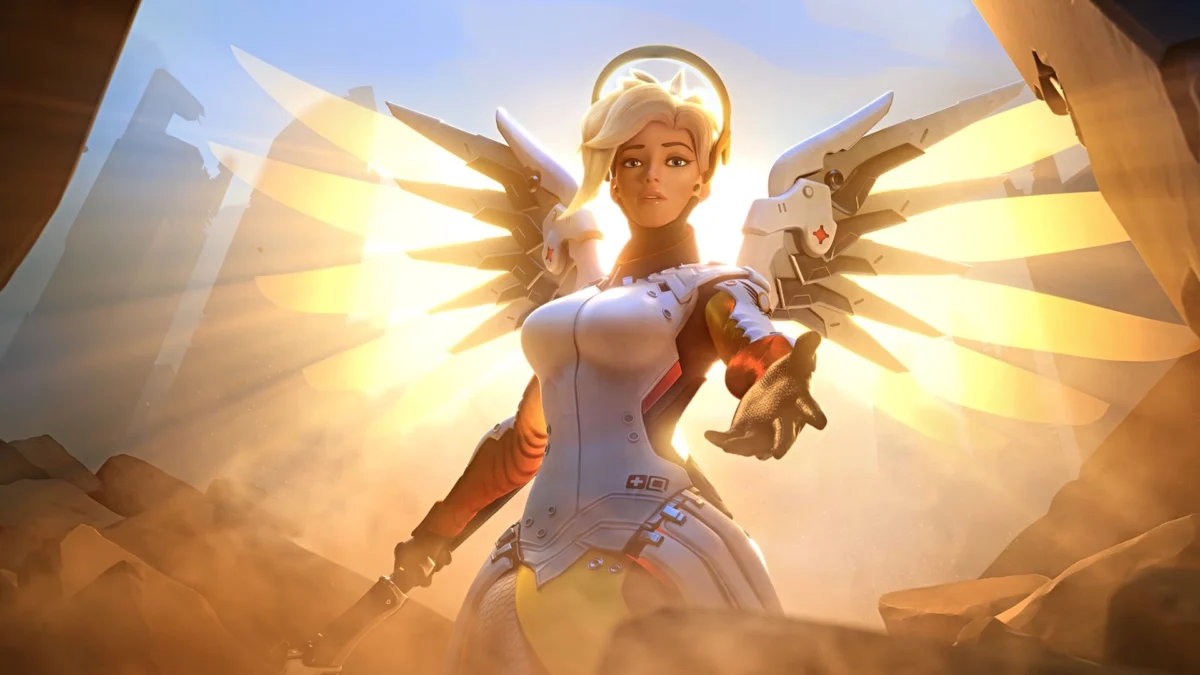
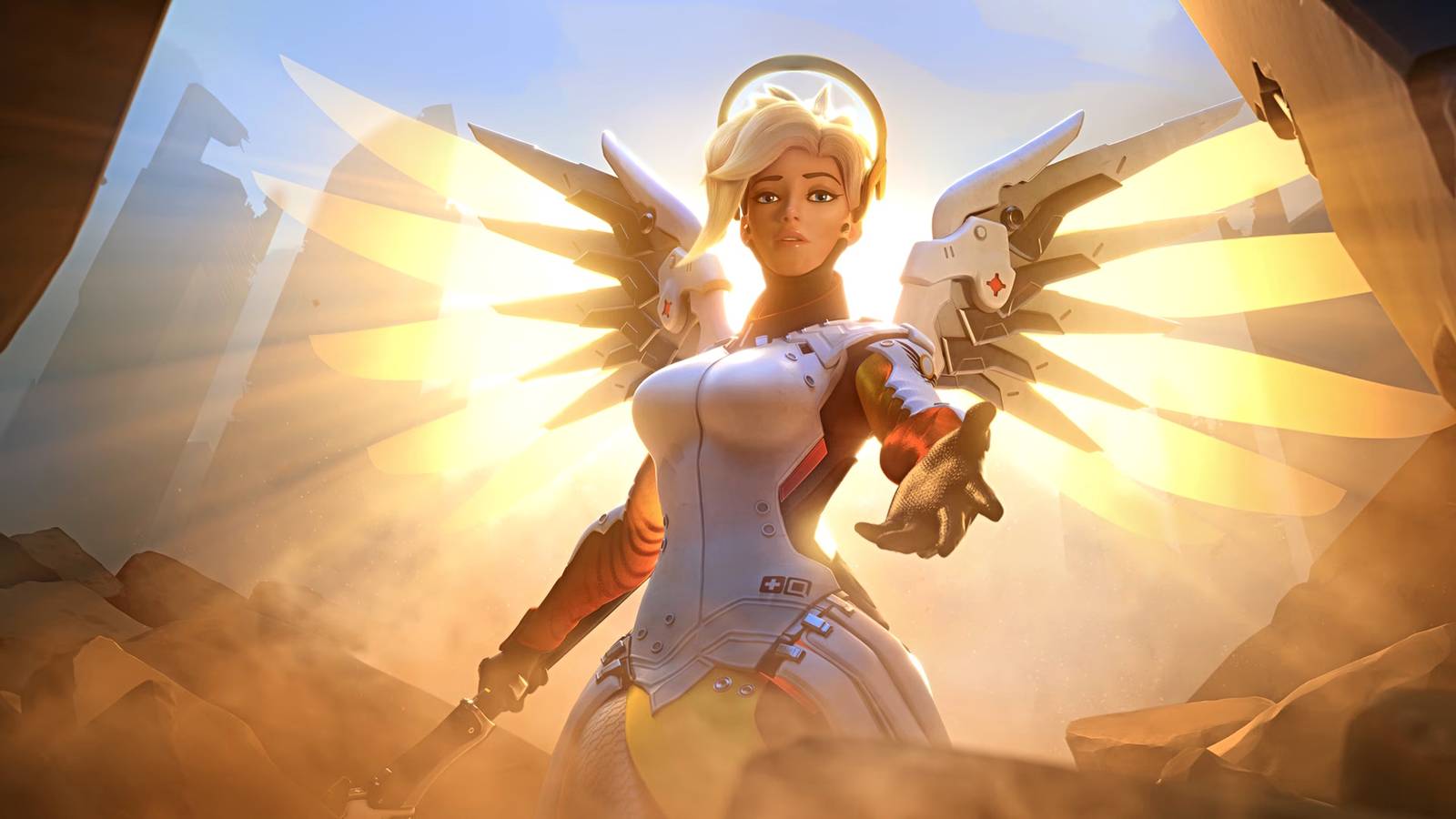
These concessions, though painful for Microsoft’s initial strategic vision, ultimately paved the way for the deal’s final approval. Microsoft officially completed the acquisition of Activision Blizzard on October 13, 2023, bringing iconic franchises like Call of Duty, Warcraft, Overwatch, and Candy Crush under the Xbox umbrella.
Post-Acquisition Turmoil and Strategic Shifts (2023-2025)
The integration of Activision Blizzard did not immediately translate into smooth sailing for Xbox. The increased financial burden of the acquisition, coupled with broader economic pressures and the complexities of integrating thousands of new employees and numerous studios, led to a period of significant upheaval.
- Widespread Layoffs: In early 2024, Xbox initiated multiple rounds of layoffs across its gaming divisions, including a substantial number of employees from newly acquired Activision Blizzard studios. These layoffs, reportedly impacting thousands of developers and support staff, were framed as necessary restructuring efforts to achieve "synergies" and streamline operations post-acquisition. The human cost of these decisions was deeply felt across the industry.
- Abandonment of Platform Exclusivity: Facing mounting financial pressure and a desire to maximize revenue from its expansive content library, Xbox made the controversial decision to abandon its long-standing strategy of strict platform exclusivity for certain titles. Games previously thought to be Xbox exclusives, such as Hi-Fi Rush, Sea of Thieves, and even critically acclaimed titles like Starfield and the upcoming Indiana Jones game, began appearing or were announced for rival platforms like PlayStation and Nintendo Switch. This pivot signaled a fundamental shift towards a multiplatform content strategy.
- Xbox Game Pass Price Hikes: In a move that drew considerable criticism from its loyal subscriber base, Xbox drastically raised the price of its popular Game Pass subscription service. While specific figures varied by region, the increase was significant, leading to a vocal backlash from consumers who felt the service was becoming too expensive, especially given the perceived dilution of its value through multiplatform releases.
Leadership Change and a New Direction (Early 2026)
The culmination of these challenges led to a significant leadership change within Microsoft Gaming. In early 2026, Phil Spencer, who had spearheaded the acquisition and guided Xbox through much of its modern era, stepped down from his role as Microsoft Gaming CEO. He was succeeded by Asha Sharma, a rising star within Microsoft, known for her operational prowess and consumer-focused approach.
Sharma wasted no time in making her mark, signaling a decisive shift in Xbox’s post-acquisition strategy. Her initial bold decisions included:
- Game Pass Price Reduction (with content adjustments): In a direct reversal of previous policy, Sharma announced a reduction in Game Pass’s overall price. However, this came with a significant caveat: future Call of Duty games would no longer be available on Game Pass on day one. This move aimed to re-balance the value proposition of Game Pass, making it more affordable while also acknowledging the premium value of blockbuster franchises like Call of Duty and potentially driving direct sales.
- Renewed Focus on Core Strengths: Sharma articulated a vision for Xbox that emphasized sustainable growth, leveraging the vast content library responsibly, and re-engaging with the core gaming community.
Supporting Data and Financial Context
The $250 million settlement, while a substantial sum, represents a fraction of the initial $69 billion acquisition cost. This amount typically covers legal fees, administrative costs, and compensation to affected shareholders, often indicating a desire by the acquiring company to avoid prolonged litigation, which can be even more costly in terms of legal fees, executive time, and reputational damage.
The sheer scale of the Activision Blizzard acquisition dramatically altered Microsoft’s financial landscape. The deal was financed through a combination of cash and debt, adding significant leverage to Microsoft’s balance sheet. The subsequent strategic adjustments, such as layoffs and Game Pass price changes, can be understood within this financial context:
- Cost Synergies: Layoffs were primarily driven by the pursuit of "cost synergies," aiming to eliminate redundant roles and optimize operational efficiency across the merged entities. While no official figures for the total number of layoffs were typically released, industry estimates suggested thousands of employees were affected across Activision Blizzard, Xbox Game Studios, and ZeniMax Media.
- Revenue Diversification: The pivot to multiplatform releases for once-exclusive titles is a clear strategy to diversify revenue streams beyond console sales and Game Pass subscriptions, maximizing the return on investment for high-budget game development.
- Game Pass Economics: The initial Game Pass price hike was likely an attempt to improve the profitability of the subscription service, which requires a constant influx of new, expensive content. Sharma’s subsequent price reduction, coupled with the exclusion of day-one Call of Duty access, suggests a re-evaluation of Game Pass’s long-term financial model, possibly aiming for a larger, more stable subscriber base at a lower price point, while preserving the premium value of certain tentpole releases.
Official Responses and Evolving Narratives
Throughout the acquisition saga, official responses from Microsoft and Xbox leadership have evolved significantly, reflecting the changing circumstances and strategic pressures.
- Initial Optimism and Strategic Vision (Phil Spencer Era): When the deal was announced, Phil Spencer, then CEO of Microsoft Gaming, emphasized the transformative potential of Activision Blizzard’s diverse portfolio, particularly its strength in mobile gaming (King’s Candy Crush) and its global reach. He consistently articulated a vision of bringing "joy and community" through gaming to billions of players, stressing that Call of Duty would remain on PlayStation. Microsoft’s defense against regulatory challenges consistently highlighted the competitive nature of the gaming market and their commitment to broad platform access.
- Navigating Post-Acquisition Challenges (Spencer’s Later Tenure): As the integration process unfolded and financial pressures mounted, Spencer’s public statements began to reflect the difficult decisions being made. Layoffs were explained as necessary adjustments for "long-term sustainable growth," while the shift to multiplatform releases was presented as a strategic imperative to reach more players and grow the Xbox business beyond traditional console boundaries. The Game Pass price hike, though unpopular, was framed as a reflection of increased content costs and the overall value offered by the service.
- A New Chapter and Re-evaluation (Asha Sharma’s Leadership): Asha Sharma’s ascension to CEO marked a distinct change in tone and strategy. Her early decisions, particularly the Game Pass price adjustment linked to Call of Duty access, suggest a pragmatic re-evaluation of the previous strategy. While direct quotes regarding the specific settlement are likely to be boilerplate statements expressing satisfaction with the resolution, Sharma’s broader narrative focuses on "listening to the community," "sustainable business practices," and "delivering exceptional value." This signals a shift away from aggressive growth at all costs towards a more balanced and potentially more consumer-friendly approach, albeit one that still needs to deliver robust financial performance.
Implications: A New Era for Xbox and the Gaming Industry
The settlement of this final lawsuit is more than just a legal formality; it’s a symbolic marker for Xbox, signaling the close of a turbulent chapter and the dawn of a new era. The implications are far-reaching, affecting Microsoft, Activision Blizzard, the broader gaming industry, and consumers alike.
For Microsoft and Xbox
- Renewed Focus: With the legal distractions behind them, Microsoft Gaming can now fully dedicate its resources and executive attention to the strategic integration of Activision Blizzard’s studios and IPs. This includes fostering creative environments, optimizing development pipelines, and leveraging the combined technological capabilities.
- Strategic Clarity: Asha Sharma’s leadership signals a refined strategy. The multiplatform approach, coupled with a re-calibrated Game Pass model, suggests a future where Xbox’s strength lies not just in console hardware, but as a publisher and platform agnostic content provider. This could mean a healthier, more diversified business model less reliant on console wars.
- Reputation Management: The protracted legal battles and controversial decisions took a toll on Xbox’s public image. Resolving the final lawsuit and implementing more consumer-centric policies (like the Game Pass price adjustment) could help in rebuilding trust and positive sentiment within the gaming community.
For Activision Blizzard Studios and Employees
- Stability (Hopefully): The end of legal uncertainty offers a degree of stability for the thousands of employees across Activision Blizzard studios. While the layoffs were painful, the hope is that a clearer strategic direction will lead to more consistent planning and a renewed focus on game development.
- Creative Integration: The challenge now lies in how Microsoft integrates the diverse cultures and creative processes of Activision Blizzard’s studios. Balancing the need for synergy with preserving the unique identities and creative freedom of developers like Blizzard Entertainment, Infinity Ward, and Sledgehammer Games will be crucial for future success.
For the Gaming Industry
- Precedent for Future Mergers: The Activision Blizzard acquisition saga sets a significant precedent for future mega-mergers in the tech and gaming sectors. It highlights the immense regulatory scrutiny such deals will face, particularly concerning market concentration and cloud gaming. Companies will need to be prepared for lengthy legal battles and substantial concessions.
- Evolving Business Models: The shift towards multiplatform releases by Xbox, a once staunch proponent of console exclusivity, could accelerate a broader industry trend. Major publishers might increasingly consider wider platform availability for their titles to maximize revenue, potentially leading to fewer true console exclusives in the long run.
- Subscription Service Evolution: Game Pass’s journey, with its initial price hikes and subsequent re-calibration under Sharma, provides a case study for the evolving economics of subscription services. It underscores the delicate balance between content value, pricing, and subscriber acquisition/retention, suggesting that even market leaders must continually adapt their models.
- Regulatory Landscape: The aggressive stance taken by global regulators, particularly the CMA, demonstrates a growing willingness to challenge and even block large tech mergers, especially when concerns about emerging markets like cloud gaming are present. This will likely lead to more cautious and meticulously planned acquisition strategies in the future.
For Consumers
- Game Availability: The concessions made during the acquisition, particularly the 10-year Call of Duty deals and the multiplatform strategy, are largely beneficial for consumers, ensuring broader access to popular titles regardless of their preferred platform.
- Game Pass Value: The re-balancing of Game Pass under Asha Sharma presents a mixed bag. A lower price point is appealing, but the exclusion of day-one Call of Duty access means subscribers will need to weigh the value proposition carefully. This could lead to more nuanced subscription choices or a blend of subscription and direct game purchases.
- Innovation and Competition: The long-term impact on innovation and competition remains to be seen. While Microsoft now controls a vast portfolio of IP, the regulatory hurdles and strategic shifts might encourage other players to innovate more aggressively to compete in a reconfigured market.
The $250 million settlement brings a definitive close to a chapter that has profoundly impacted Microsoft, the gaming world, and regulatory policy. As Xbox moves forward under new leadership and a revised strategy, the industry will keenly watch to see if this hard-won stability translates into a new era of growth, innovation, and renewed consumer trust. The legacy of the Activision Blizzard acquisition will undoubtedly be studied for years to come as a pivotal moment in the history of interactive entertainment.









No comments yet. Be the first to join the conversation!