


The landscape of video games is a testament to relentless innovation and technological advancement. What was groundbreaking a decade ago can feel quaint today, and mechanics that once defined genres can now appear clunky or even baffling to modern players. As we journey through gaming history, certain titles stand out not just for their enduring legacy, but for the ways their core mechanics have aged. Some have gracefully evolved with the times, while others, despite their original charm, now feel like relics of a bygone era.
This exploration delves into ten games whose mechanics, when revisited with a contemporary lens, reveal a fascinating evolution of interactive entertainment. These aren’t necessarily "bad" games, but rather examples of how design philosophies, technological limitations, and player expectations have shifted dramatically. We’ll examine how certain gameplay elements, once celebrated, now feel like charmingly anachronistic artifacts, or perhaps, like forgotten ingredients that have soured over time.
The March of Time: How Gaming Mechanics Evolve
Video games are a unique art form, constantly pushing boundaries and redefining what’s possible. From the pixelated simplicity of the early 8-bit era to the photorealistic immersion of today’s AAA titles, the journey has been nothing short of extraordinary. This evolution isn’t just about graphical fidelity; it’s deeply rooted in the very mechanics that govern gameplay. What might have been a revolutionary control scheme or an innovative AI system in the past can, with time and subsequent improvements, appear rudimentary or even frustrating.

This phenomenon isn’t a critique of the games themselves, but rather an observation of their place in the historical progression of game design. Nostalgia often plays a significant role in how we perceive older titles. We remember the thrill, the challenge, and the sheer novelty of these experiences. However, when we return to them with the benefit of hindsight and exposure to decades of refined gameplay, the cracks in their once-impressive foundations can become more apparent.
Let’s embark on a retrospective journey, examining specific games and the mechanics that, for better or worse, have weathered the storms of time.
10. Kingdom Hearts: The Triangle Button’s Quiet Revolution
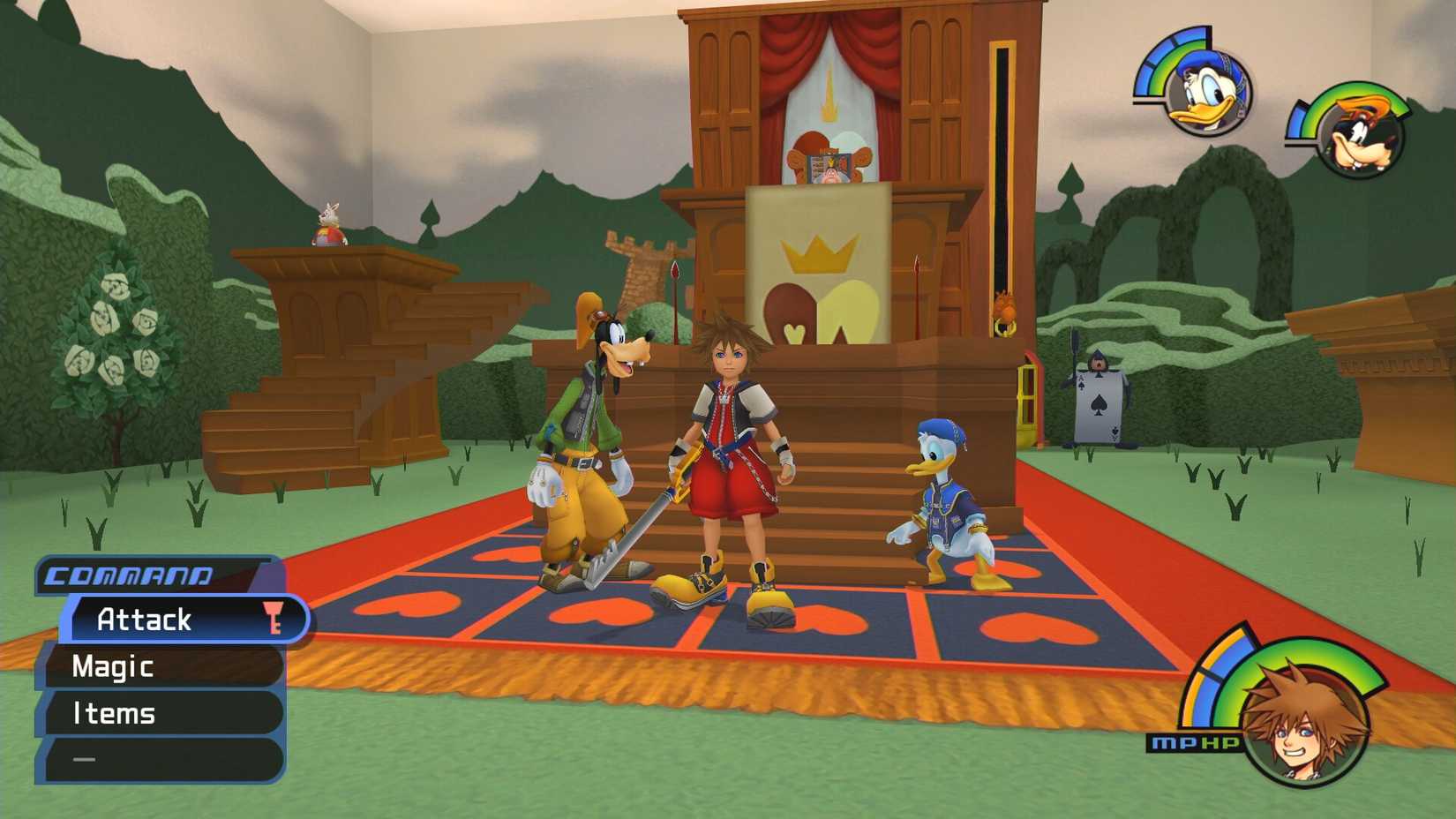
The iconic "Triangle button" in the Kingdom Hearts series, often associated with flashy cutscenes and special abilities, has undergone a fascinating transformation. While its later iterations are characterized by cinematic flair, the original Kingdom Hearts on the PlayStation 2 employed the Triangle button with a more subtle, yet remarkably effective, party management function.

The Unsung Command: Party Tactics in the First Kingdom Hearts
In Kingdom Hearts III, the Triangle button is synonymous with executing powerful, context-sensitive attacks and cinematics, offering players visually spectacular ways to engage with enemies. However, this wasn’t always the case. The inaugural title, released in 2002, utilized the Triangle button with a different, more strategic purpose. When targeting an enemy, pressing Triangle would command Donald and Goofy to focus their attacks on that specific foe, a crucial tactic for prioritizing threats. Furthermore, when not targeting an enemy and Sora’s health was critically low, the Triangle button served as a direct command for Donald to initiate a healing spell.
This nuanced control scheme, detailed in the game’s manual but often overlooked by players eager for action, highlights a more deliberate approach to party AI management. As the series progressed, these subtle commands were phased out in favor of more visually arresting cinematic sequences. While the evolution undoubtedly contributed to the series’ blockbuster appeal, it also marked the departure of a small but significant piece of gameplay depth.
Implications: The shift in the Triangle button’s functionality exemplifies how game developers have prioritized spectacle and immediate gratification in action-oriented titles. While the cinematic flourishes are undeniably engaging, the loss of direct party command represents a subtle simplification of gameplay mechanics, a trend seen across many action RPGs.
9. Sonic the Hedgehog (1991): The Spin Dash That Wasn’t
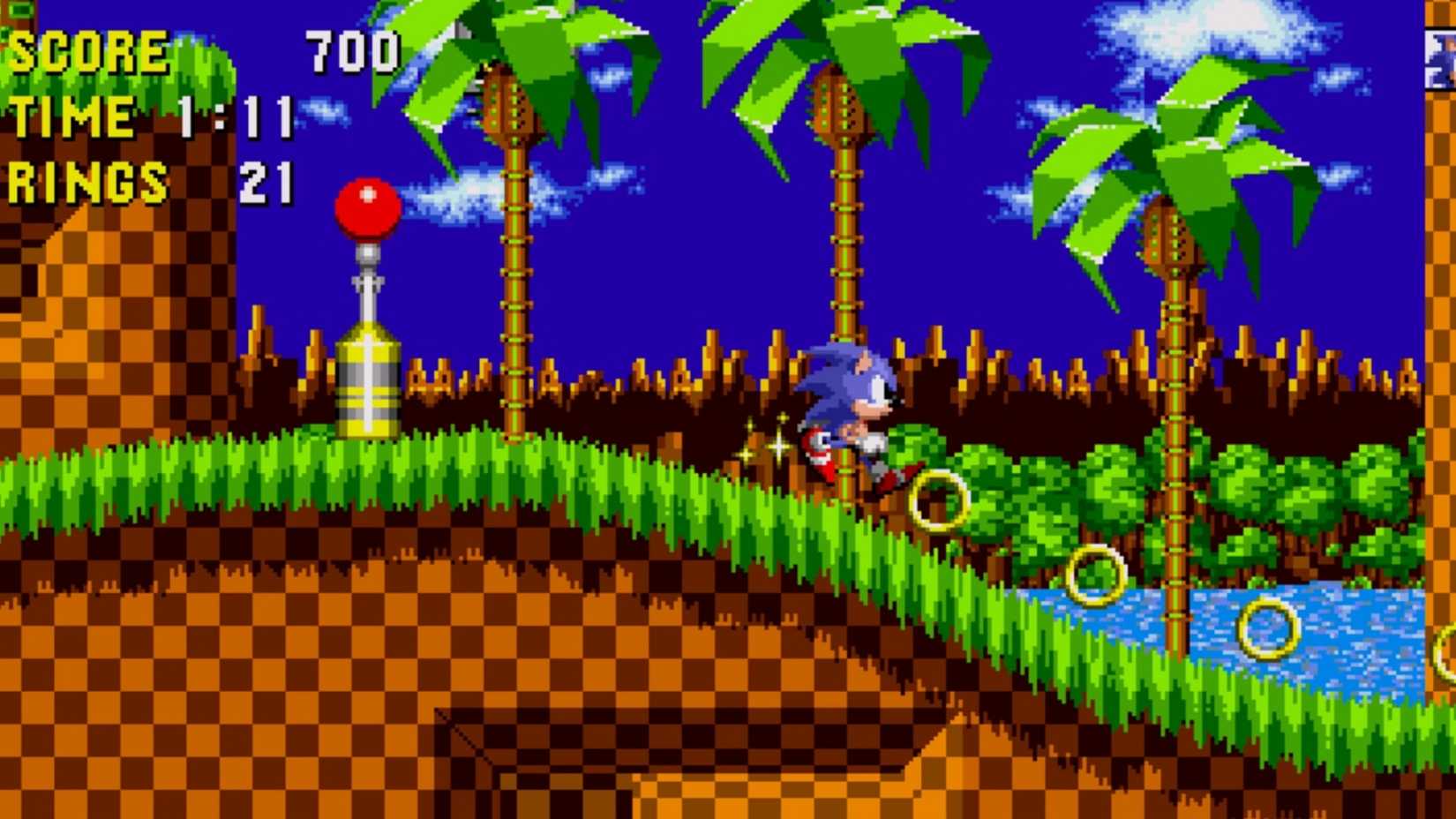
The genesis of a blue blur’s legendary career began with the original Sonic the Hedgehog on the Sega Genesis in 1991. For many, this game is a cherished memory, a gateway into a world of speed and vibrant platforming. However, revisiting this classic today reveals a notable omission that many players, accustomed to its sequels, often forget.
The Missing Momentum: A Spin Dash Void
The Spin Dash, a signature move that allows Sonic to charge up a burst of speed before launching himself forward, is now an integral part of the Sonic experience. Yet, it was conspicuously absent from the very first game. This omission becomes starkly apparent when players, conditioned by subsequent titles, instinctively attempt to perform the move.
"It was just natural while I was playing Sonic Mega Collection to start Sonic 1 after playing 2 or 3, crouch, and press the button to have literally nothing happen," recalls one player, illustrating a common experience. This instinctive muscle memory, honed by years of playing sequels, often leads to a moment of confusion and rediscovery upon returning to the original.
Recognizing this design quirk and its impact on player experience, later remasters and rereleases of Sonic the Hedgehog have often included the Spin Dash as an unlockable feature or a standard inclusion in their gameplay. The Sonic Origins collection, for instance, seamlessly integrates the Spin Dash into its Anniversary Mode, effectively bridging the gap between the original vision and modern player expectations.
Implications: The absence of the Spin Dash in the original Sonic the Hedgehog highlights how core gameplay mechanics can become so deeply ingrained in a franchise’s identity that their initial omission can feel like a glaring oversight when revisited. The subsequent inclusion in remasters speaks to the developers’ understanding of player expectations and the evolution of series-defining mechanics.
8. Pokémon Red and Blue: The Foundation of a Phenomenon
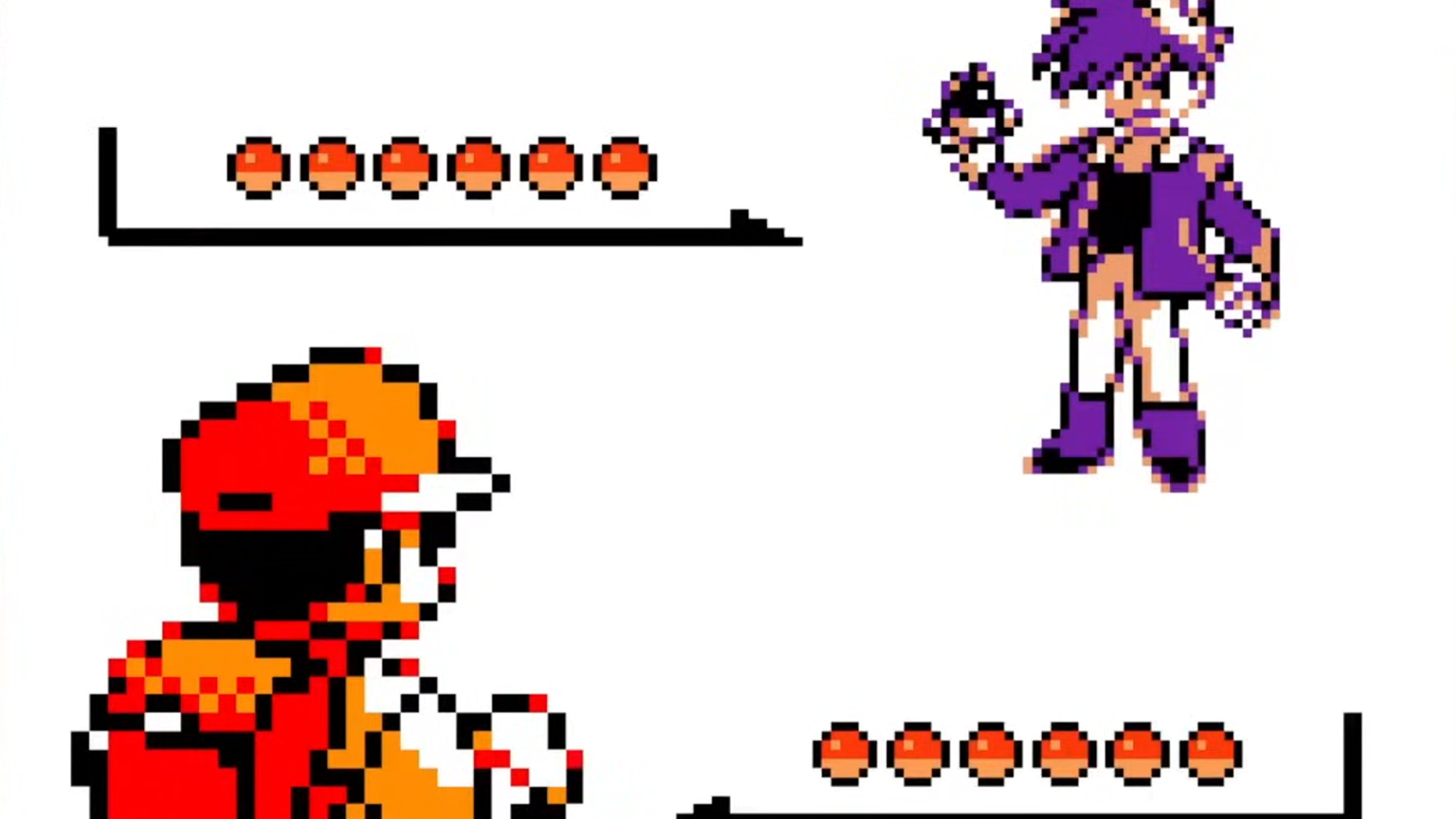
The original Pokémon Red and Blue games on the Game Boy are undeniably foundational to one of the most successful media franchises of all time. They introduced a generation to the thrill of catching, training, and battling creatures, sparking a global phenomenon. However, returning to these 1996 classics today reveals a game world that, while beloved, is a far cry from the intricate systems that define modern Pokémon titles.
A Simpler Era: Gen 1’s Peculiarities
The landscape of Pokémon has evolved dramatically since the Kanto region’s debut. The original games lacked fundamental elements like the Fairy, Dark, and Steel types, which significantly altered battle dynamics. The mechanics governing Individual Values (IVs) and Effort Values (EVs) were less refined, leading to imbalances and exploitable quirks. For instance, the Ghost-type’s interaction with Psychic-types was famously broken, and the Special Attack and Special Defense stats were combined into a single "Special" stat, a simplification that persisted until Generation 4.
These foundational differences, coupled with numerous glitches and exploits, create a unique experience for players who venture back to the original Game Boy cartridges. While these quirks can be part of the charm for some, they also highlight the franchise’s remarkable growth. Modern remakes like Pokémon FireRed and LeafGreen offer a more polished and accessible way to experience the Kanto region, effectively showcasing the evolution of the Pokémon formula.
Official Response: Game Freak, the developer behind the Pokémon series, has consistently iterated on the core mechanics, introducing new types, abilities, and battle systems with each generation. This ongoing refinement is a direct response to the evolving expectations of players and the desire to keep the gameplay fresh and strategically deep.
Implications: The Pokémon Red and Blue experience underscores how foundational design decisions, while revolutionary at the time, can become dated as the genre matures. The franchise’s continued success is a testament to its ability to adapt and innovate, building upon its legacy while addressing the complexities that modern players expect.
7. Star Fox: The Shadow of the N64
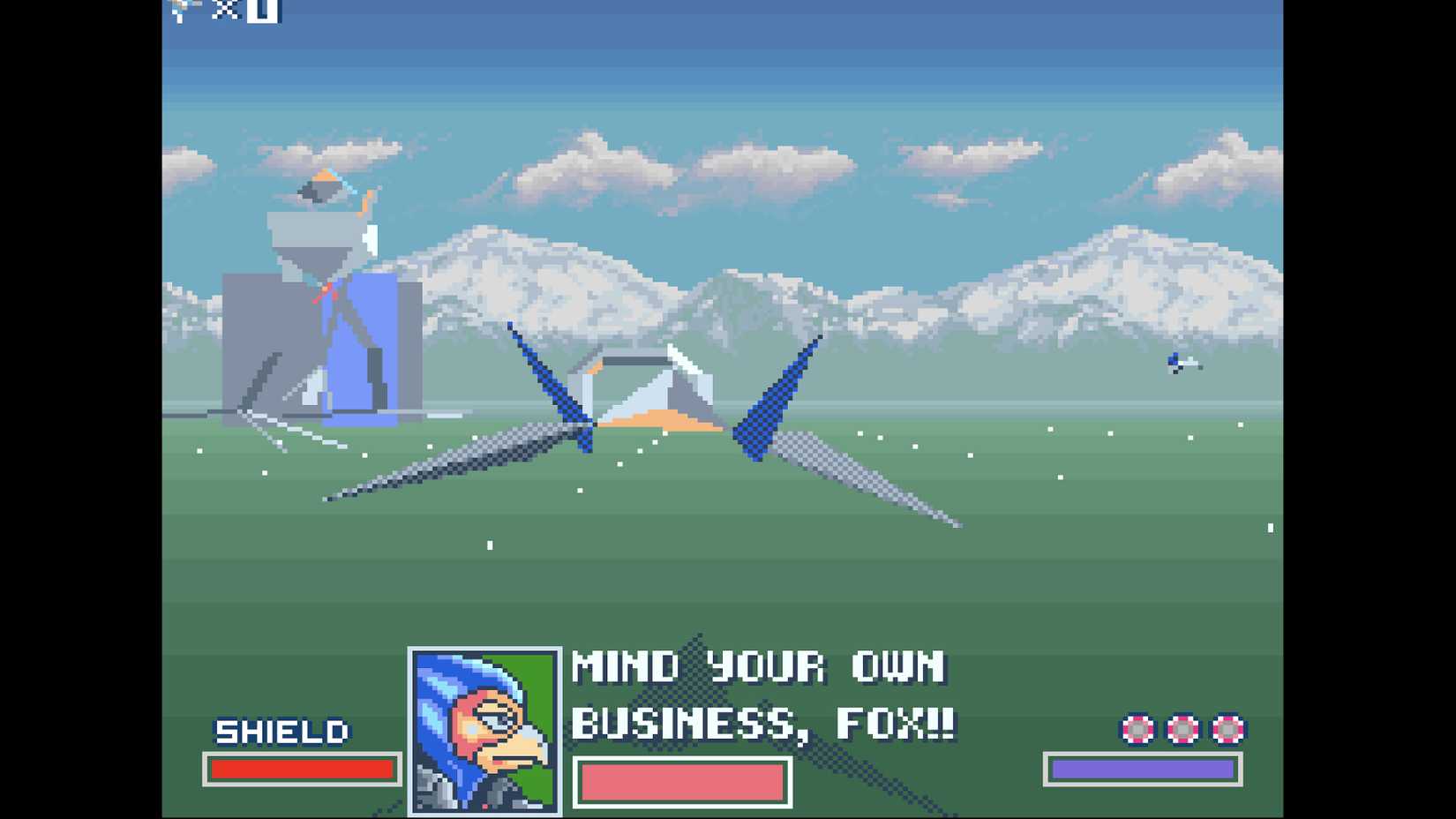
The original Star Fox on the Super Nintendo Entertainment System (SNES), released in 1993, was a groundbreaking title. Its use of the Super FX chip delivered a revolutionary 3D polygonal experience on a home console, a feat that captivated players and set a new standard for graphical ambition. However, the game’s reign as a technological marvel was short-lived, quickly overshadowed by its successor.
The Shadow of Star Fox 64: A Tale of Two Foxs
The release of Star Fox 64 (also known as Lylat Wars) on the Nintendo 64 in 1997 marked a significant leap forward for the franchise. This sequel not only refined the gameplay with improved controls and mechanics but also expanded the narrative and introduced the iconic "All-Range Mode," offering more freedom in combat. The sheer technological leap between the SNES and N64 versions made revisiting the original Star Fox a curious, often less engaging, experience.
"I’m sorry, it just boggles the mind how a group of developers would work so hard for Nintendo to remake the same game in four years," one observer noted, highlighting the rapid pace of technological advancement. The original SNES version, while historically significant, suffers from dated visuals and a less dynamic gameplay loop compared to its N64 counterpart. Furthermore, acquiring original SNES hardware can be prohibitively expensive, and the Nintendo Switch Online version, while accessible, has been known to suffer from performance issues.
Implications: The rapid obsolescence of Star Fox‘s groundbreaking 3D graphics by its own sequel serves as a stark reminder of the accelerating pace of technological progress in the gaming industry. It also raises questions about the preservation and accessibility of early 3D titles, where hardware limitations and emulation challenges can hinder the player’s ability to experience them as intended.
6. Pokémon Puzzle League: A N64 Time Capsule
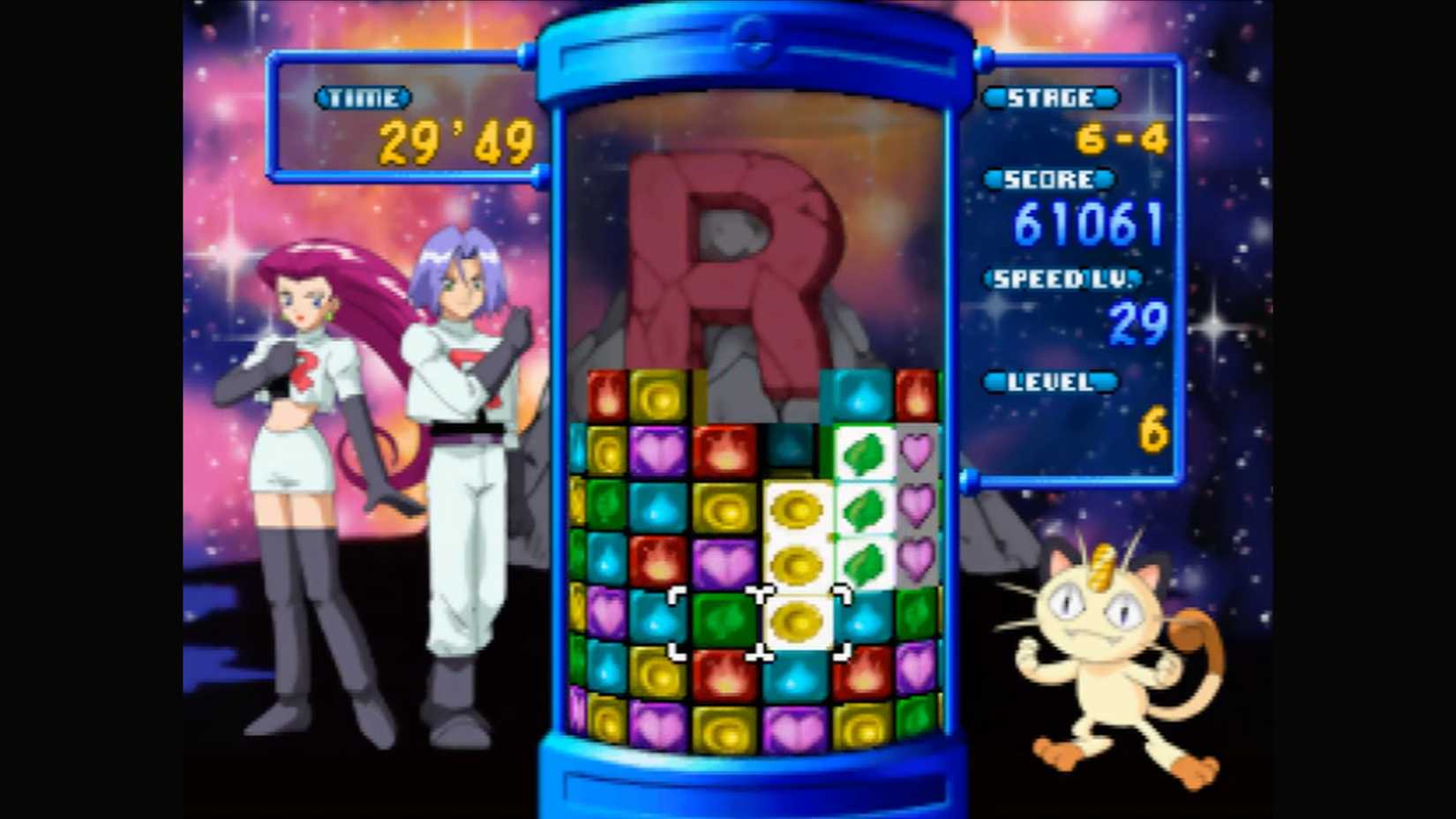
Released in 2000 for the Nintendo 64, Pokémon Puzzle League stands out as a unique entry in the Pokémon universe. It’s not a traditional RPG but a puzzle game based on Panel de Pon, a title that never saw a release in Japan. Developed primarily in North America, Pokémon Puzzle League embraced its regional identity with exclusive anime-inspired artwork, English dub voice acting, and midi versions of the songs from the anime’s English soundtrack.
The Lagging Charm: A Puzzle Game Stuck in Time
While Pokémon Puzzle League was a fun and engaging puzzle experience for its time, its mechanics, particularly its unique 3D puzzle mode, can feel sluggish on original Nintendo 64 hardware. The visual and audio choices, while nostalgic for some, firmly plant the game in its era, making it feel dated when compared to modern puzzle titles.
"If it didn’t date itself with its visual and audio choices already, its unique 3D puzzle mode would lag on the original Nintendo 64 hardware," a reviewer pointed out. While emulated versions, such as those found on Nintendo Switch Online, may offer a smoother performance, the core gameplay experience remains tied to the limitations of its original platform. This makes Pokémon Puzzle League a fascinating time capsule, showcasing a specific moment in Pokémon franchise history and the technological capabilities of the Nintendo 64.
Implications: Pokémon Puzzle League exemplifies how stylistic choices and technological constraints can contribute to a game feeling dated. Its reliance on specific regional adaptations and its performance issues on original hardware make it a product of its time, offering a nostalgic glimpse rather than a universally accessible modern gameplay experience.
5. Harvest Moon: The Humble Beginnings of a Genre
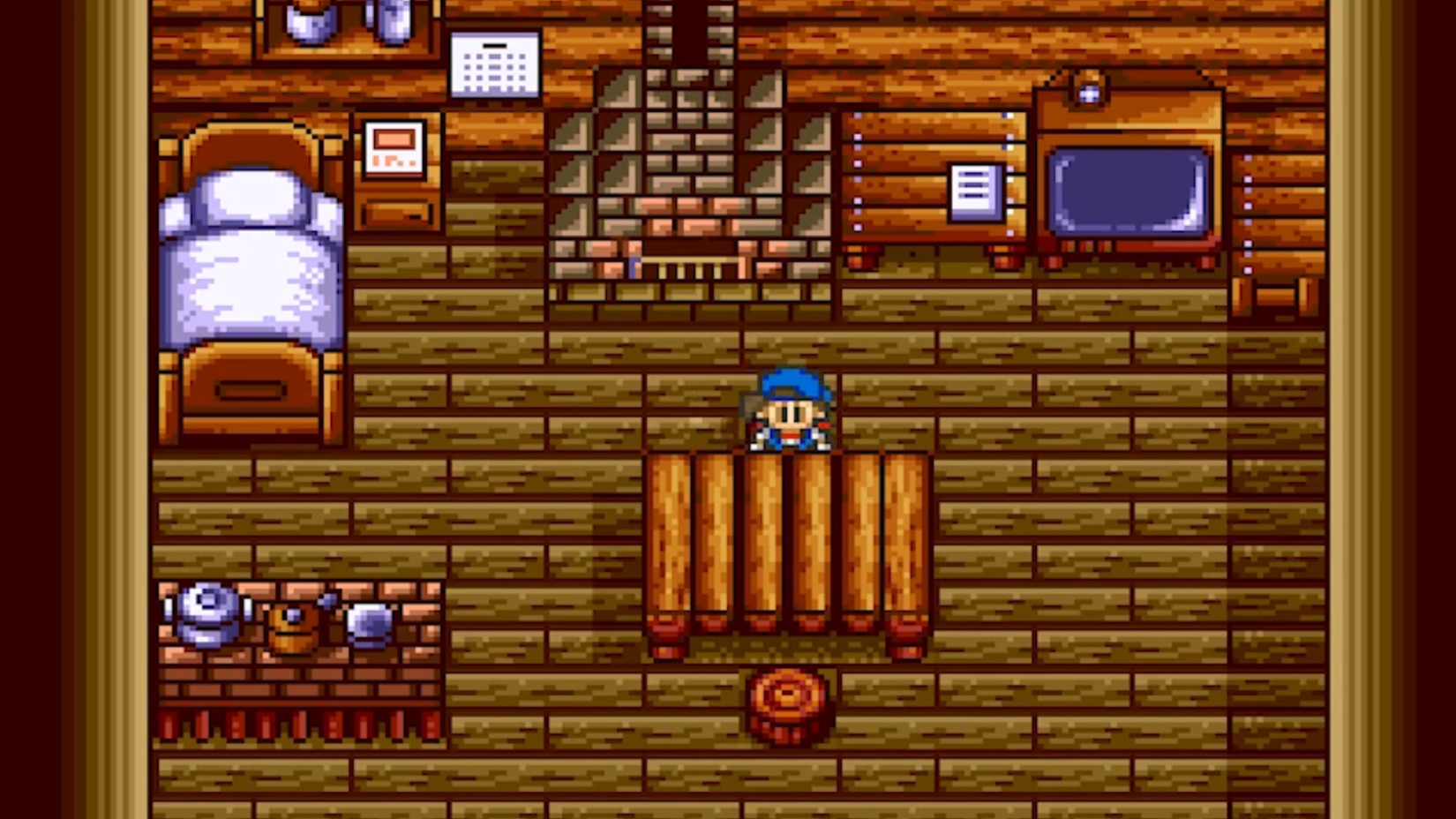
Farming simulation games have exploded in popularity in recent years, with titles like Stardew Valley achieving widespread acclaim. These modern farming sims owe a significant debt to their progenitor, Harvest Moon, the original series that laid the groundwork for the genre. Revisiting the earliest Harvest Moon titles, such as the SNES original released in 1996, reveals just how far farming simulations have come.
Inventory Limitations and Short Days: A Stark Contrast
The original Harvest Moon offered a charmingly simple take on farm life, but its mechanics can feel incredibly restrictive to players accustomed to the expansive inventories and leisurely pacing of modern farming sims. The ability to hold only two tools at a time, a stark contrast to the often-unlimited or easily expandable inventories of games like Stardew Valley, presents a significant challenge for players.
"It made me click my tongue when I found out I could only hold two tools in the SNES game. I’m so used to having wide, expandable inventories in my farming simulators!" lamented one player. The compressed day-night cycle, while visually appealing, also contributes to a sense of urgency that can feel at odds with the relaxing nature of farming simulations. These mechanics, while representative of the era’s design, highlight the evolution of the genre towards greater player freedom and convenience.
Implications: Harvest Moon‘s early iterations serve as a crucial reminder of the genre’s humble beginnings. The limitations in inventory management and the accelerated pacing, while understandable for their time, underscore the significant advancements in player-centric design that have defined the success of modern farming simulations.
4. Kirby 64: The Crystal Shards: A 3D Kirby Unlike Any Other
Kirby, the beloved pink puffball, took a considerable amount of time to transition into the third dimension. When Kirby 64: The Crystal Shards finally arrived on the Nintendo 64 in 2000, it presented a unique, albeit somewhat peculiar, take on 3D platforming for the character. While it offered an intriguing premise with its ability-combining mechanics, playing it today, especially after experiencing more modern Kirby titles, reveals a significant divergence in gameplay feel.
The Slow Dance of Copy Abilities: A 3D Anomaly
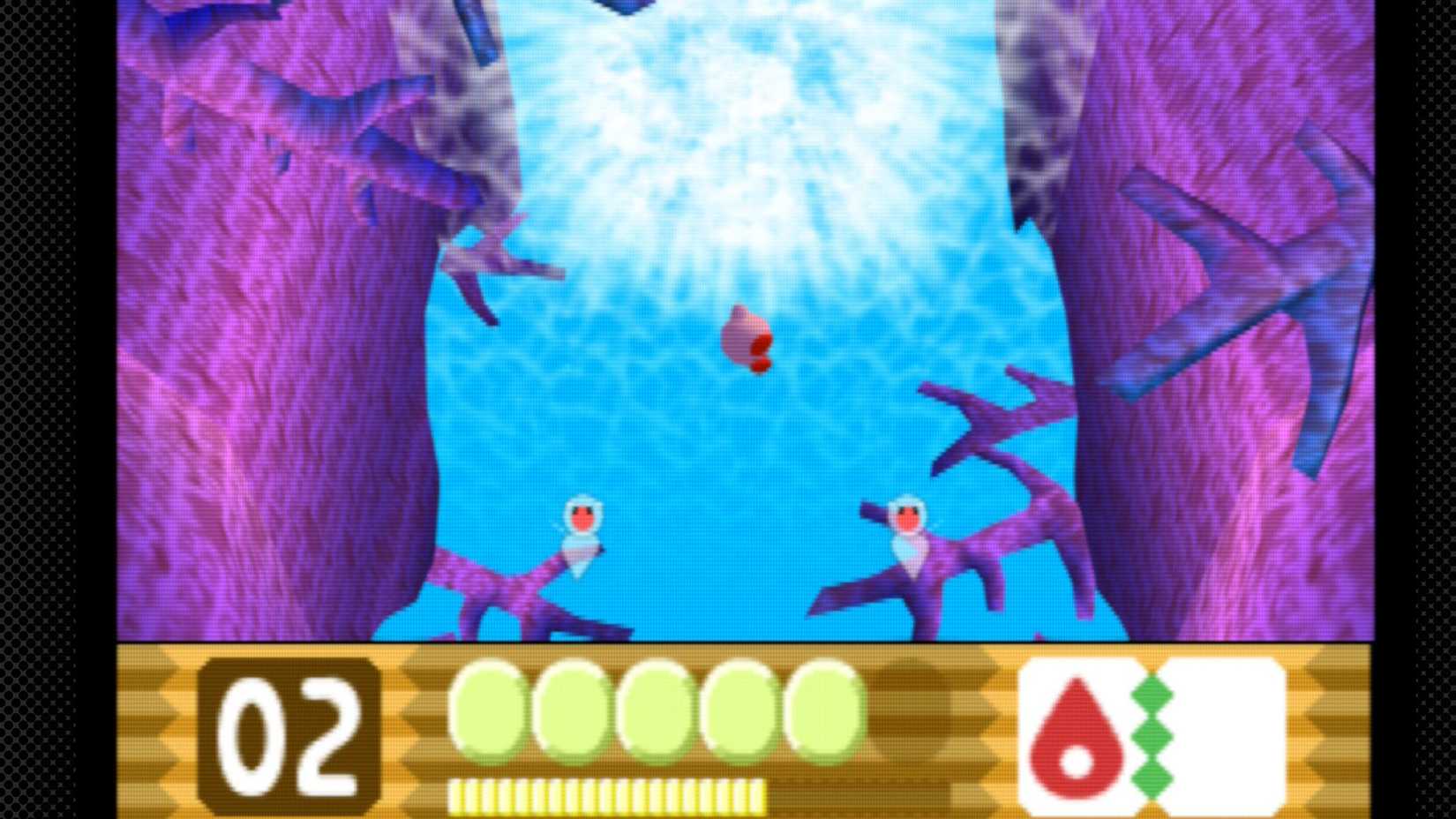
The evolution of Kirby’s 3D adventures, particularly with titles like Kirby’s Return to Dream Land and the critically acclaimed Kirby and the Forgotten Land, has established a distinct rhythm and fluidity for the character in three-dimensional space. In contrast, Kirby 64: The Crystal Shards feels notably slower and less agile, at times resembling other platformers more than a typical Kirby game.
The game’s standout feature, the combination of Kirby’s copy abilities, offered creative possibilities. For instance, combining Plasma and Ice could create a refrigerator, while Cutter and Needle could transform Kirby’s arms into sharp blades. However, this system, while innovative for its time, also contributed to the game’s slower pace and was not a mechanic that the series heavily leaned into in subsequent 3D entries. This unique approach makes Kirby 64 feel like a fascinating, yet somewhat isolated, experiment in the Kirby franchise’s history.
Implications: Kirby 64: The Crystal Shards highlights how early attempts at translating a 2D icon into 3D can result in gameplay that feels distinct from the established trajectory of the character. The game’s unique ability-combination system, while interesting, ultimately served as a departure rather than a direct blueprint for future 3D Kirby titles.
3. Final Fantasy XIII: The Tyranny of the Hallway
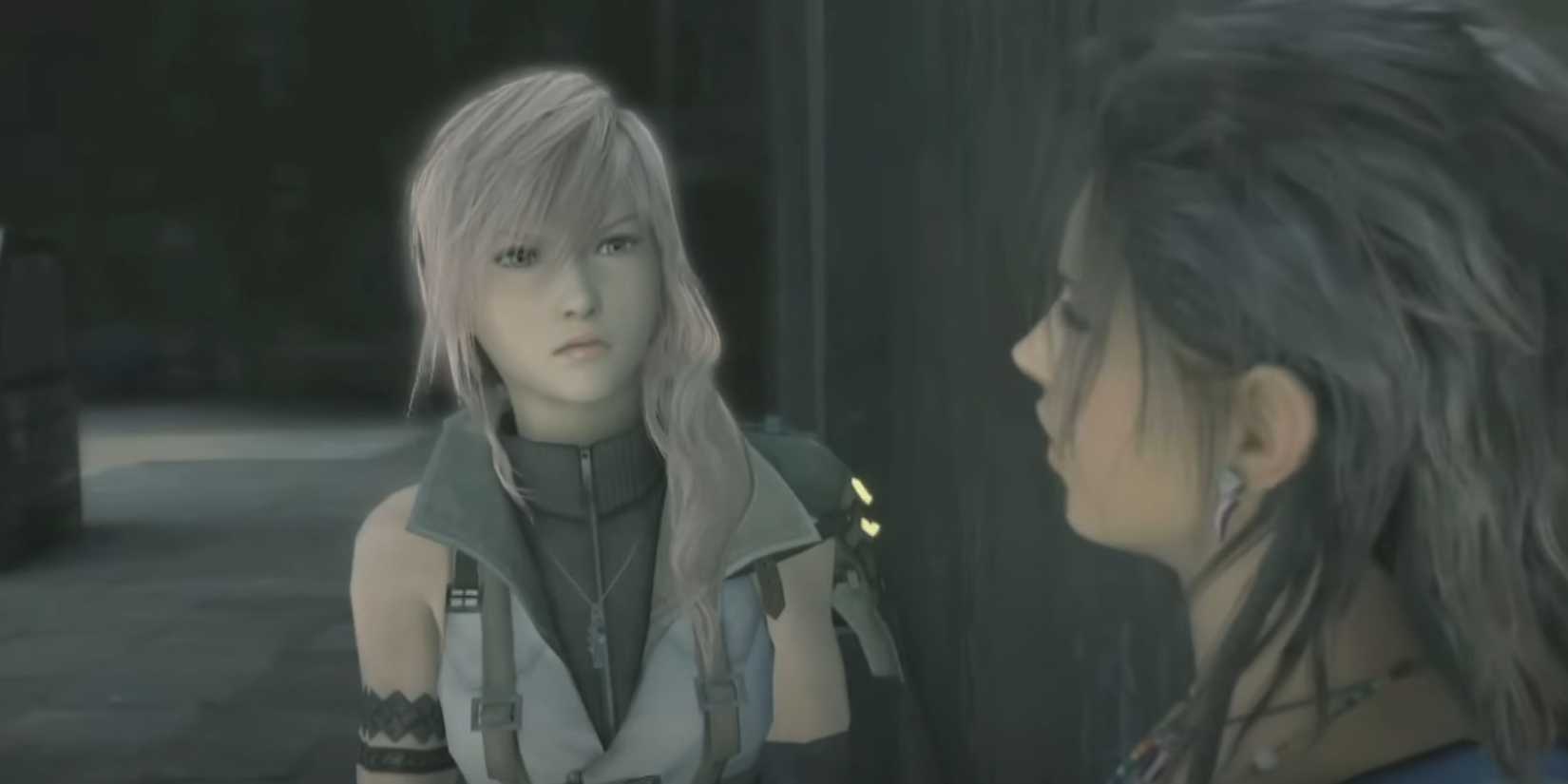
Final Fantasy XIII, released in 2009, was a highly anticipated entry in the long-running JRPG series. It boasted stunning visuals, a complex combat system, and a compelling narrative centered on its protagonist, Lightning. However, one aspect of its design has become infamous and remains a significant point of contention for many players: its linearity.
The Endless Corridors: A Linear Grind
The primary criticism leveled against Final Fantasy XIII is its overreliance on linear environments, often described as "hallways." While linear JRPGs are not inherently flawed, the execution in Final Fantasy XIII often involves extended periods of navigating confined corridors, interspersed with moments of story progression and combat. This design choice, while perhaps understandable given the technological ambitions of the time, can detract from the sense of exploration and discovery typically associated with the genre.
"The hallways. Yep, that’s what this comes down to. The hallways," a critic stated, encapsulating the sentiment of many. In contrast, other JRPGs of the same era, such as Xenoblade Chronicles, offered vast, open worlds that provided a greater sense of freedom and exploration. While Final Fantasy XIII‘s story and character development were praised, the repetitive nature of its environments has made it a title that many find difficult to revisit, even with its narrative strengths.
Official Response: While Square Enix has not directly addressed the "hallway" criticism in a formal capacity, the subsequent installments in the Final Fantasy series, particularly Final Fantasy XV and Final Fantasy VII Remake, have embraced more open-world designs and dynamic exploration, suggesting a learned lesson from the reception of Final Fantasy XIII.
Implications: Final Fantasy XIII‘s linearity serves as a cautionary tale in game design, illustrating how a commitment to a singular design philosophy, even with strong narrative elements, can alienate a portion of the player base. The success of more open-ended titles in the genre further emphasizes the shift in player preference towards greater exploration and player agency.
2. Sorcerer’s Kingdom: A Flawed Experiment in Progression
Sorcerer’s Kingdom, a Sega Genesis JRPG released in 1991, attempted to innovate on the traditional experience point system by encouraging players to strengthen their characters through specific in-game actions. However, this ambitious design choice, combined with other questionable mechanics, has rendered the game largely unplayable by modern standards.
The Cycle of Trial and Error: A Grinding Revelation
The core gameplay loop of Sorcerer’s Kingdom revolves around a trial-and-error approach to character progression. Players are encouraged to engage in specific actions to gain power, but the game also grants enemies additional turns, often forcing players into a cycle of fighting, retreating to heal, and repeating the process. This design, while perhaps intended to create a challenging and strategic experience, often devolves into tedious grinding.
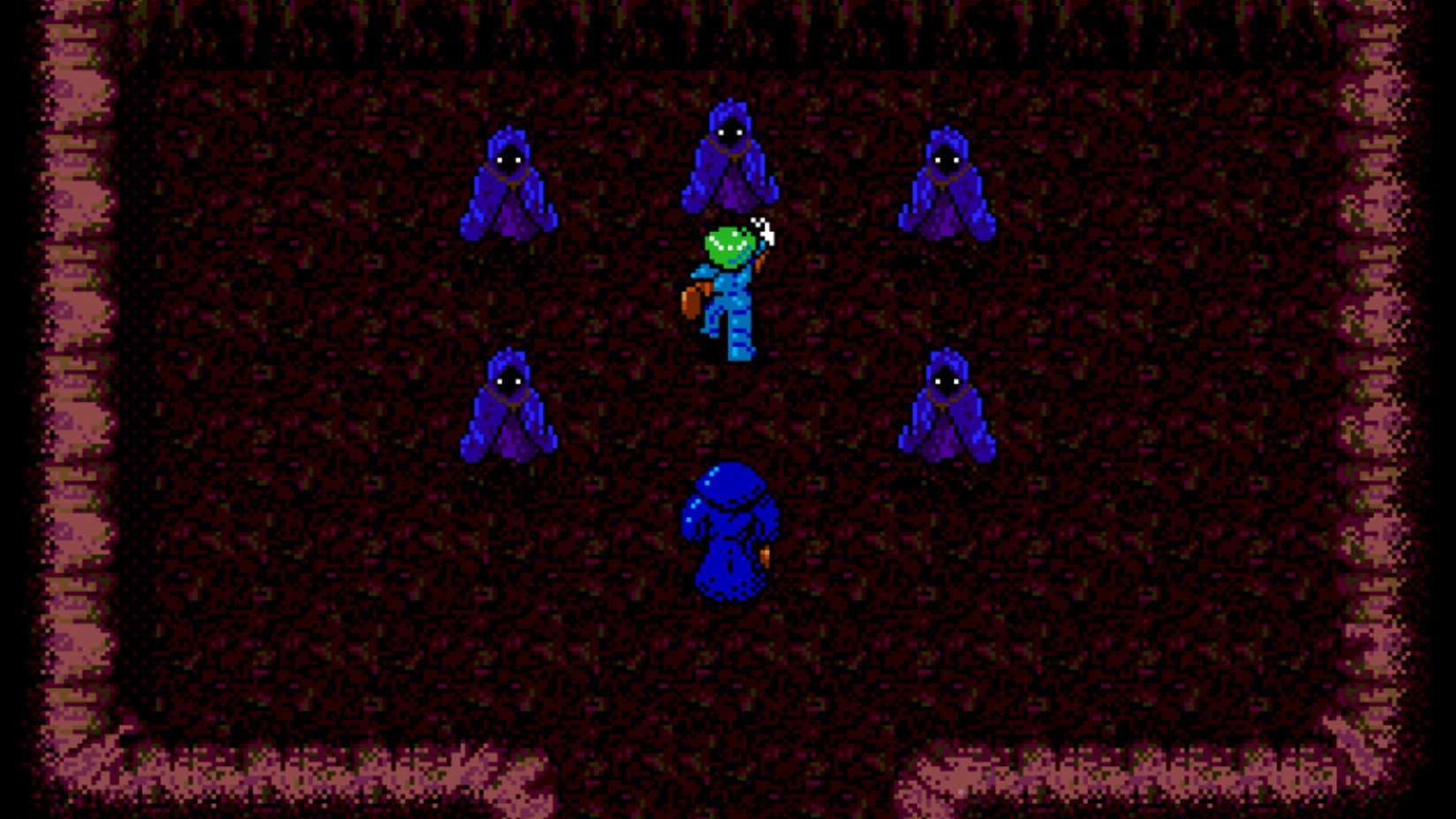
"This gives Sorcerer’s Kingdom an interesting early gameplay loop that sees you beating back goblins as best as you can, escaping when you’re low on health, healing at an inn, and going back to do it all over again," described one observer. This repetitive and unforgiving nature, common in some early arcade and RPG titles, is a significant barrier to entry for contemporary players who expect more streamlined and rewarding progression systems. The game’s inability to translate its innovative ideas into a consistently enjoyable experience is likely why it remains a Sega Genesis exclusive.
Implications: Sorcerer’s Kingdom stands as a prime example of a game whose novel mechanics, when implemented without careful consideration for player experience, can lead to frustration and obsolescence. The reliance on a punishing trial-and-error loop highlights a design philosophy that has largely been abandoned in favor of more accessible and engaging progression systems.
1. Zelda II: The Adventure of Link: The Black Sheep’s Gambit
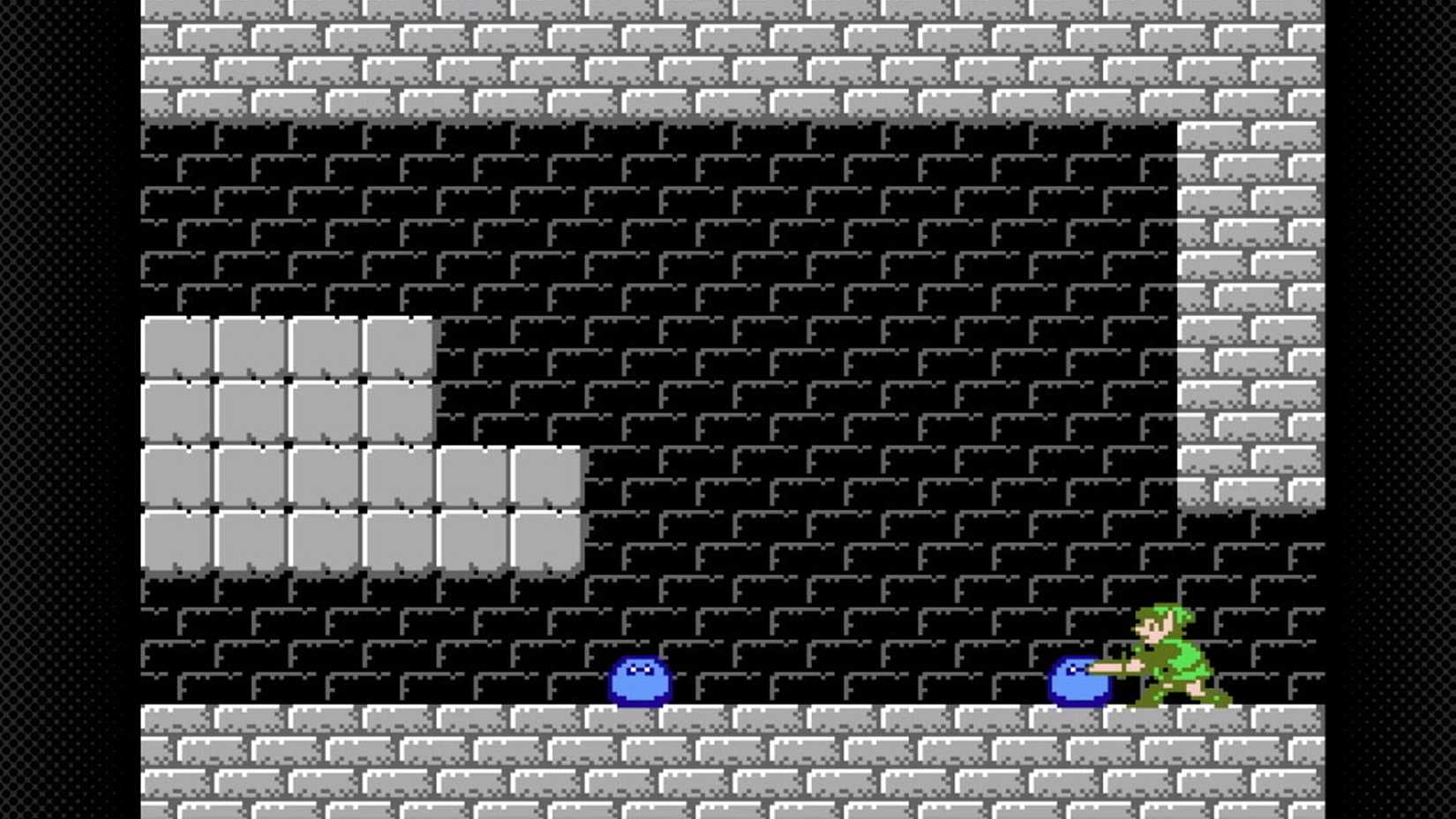
Zelda II: The Adventure of Link, released in 1987, represents a radical departure from the top-down adventure of its predecessor, The Legend of Zelda. Shigeru Miyamoto himself intended for this sequel to explore different gameplay avenues, incorporating side-scrolling combat and RPG-like elements such as experience points and magic spells. While Zelda II was a commercial success, its unique mechanics have made it an outlier in the beloved Zelda franchise.
A Different Kind of Link: RPG Mechanics and Awkward Combat
The most striking difference in Zelda II is its shift to a side-scrolling perspective for combat and exploration, a stark contrast to the overhead view of most Zelda titles. This change, coupled with the introduction of an experience point system for leveling up Attack, Magic, and Life, gives the game a distinct RPG feel. However, the direct combat, which requires precise timing and positioning, can feel awkward and challenging for players accustomed to the strategic use of items and environmental puzzles that define the series.
"It plays like an RPG, and the more direct fighting Link has to do might feel awkward when you’re used to strategizing with bombs, bows, and arrows," noted one reviewer. While the game isn’t necessarily "bad," its divergence from the core Zelda formula has relegated it to the status of a "black sheep" in the eyes of many fans. For those who appreciate its unique approach, titles like Faxanadu, released later in the same year, offered a similar gameplay experience with arguably more refined execution.
Implications: Zelda II: The Adventure of Link serves as a powerful illustration of how even a beloved franchise can experiment with its core mechanics, sometimes to the point of creating a game that stands apart from its lineage. Its legacy lies not in its adherence to the Zelda formula, but in its bold attempt to redefine it, offering a glimpse into a potential alternate timeline for the series.












No comments yet. Be the first to join the conversation!