

In the modern digital landscape, the healthcare industry is undergoing a seismic shift. No longer confined to clinical white papers or static website text, medical communication is increasingly driven by dynamic video content. For hospitals, private practices, and medical technology firms, video has become the primary vehicle for building trust, simplifying complex clinical data, and humanizing the patient-provider relationship.
As we look toward 2025, the demand for high-quality, accessible, and compliant healthcare video content has never been higher. However, the path to creating this content is fraught with distinct industry challenges. From the stringent requirements of HIPAA compliance to the necessity of maintaining absolute clinical accuracy, healthcare marketers must balance creativity with rigorous professional standards.
This article explores the landscape of video production for healthcare professionals, detailing the top five video editing tools that are defining the industry this year and examining the implications of this digital transition.
The Strategic Importance of Video in Modern Healthcare
Video marketing is no longer an optional "add-on" for healthcare organizations; it is a fundamental pillar of patient engagement. Statistics consistently show that patients are significantly more likely to watch a short, informative video about a procedure or a provider’s biography than they are to read a long-form article.

The Challenges of Medical Content Creation
Healthcare marketers navigate a unique set of obstacles that distinguish them from their counterparts in retail or tech:
- Regulatory Compliance: Any video featuring patients or medical information must adhere strictly to privacy laws (HIPAA in the U.S.).
- Accessibility: Complex medical terminology must be translated into clear, actionable, and empathetic language.
- Credibility: The visual aesthetic must convey professionalism and medical accuracy; a poorly edited video can unintentionally erode patient trust.
By leveraging the right video editing software, organizations can streamline the production process, ensuring that the final output is not only visually compelling but also clear and ethically sound.
The 2025 Toolkit: Top 5 Video Editors for Healthcare
Selecting the right software is the first step toward effective communication. Below are the five industry-leading editors that cater to varying levels of technical expertise and organizational needs.
1. Adobe Premiere Pro: The Gold Standard for Professional Production
Adobe Premiere Pro remains the industry benchmark for video editing. Its comprehensive suite of tools allows for sophisticated multi-camera setups—essential for high-production value interviews with medical experts or long-form medical documentary content.
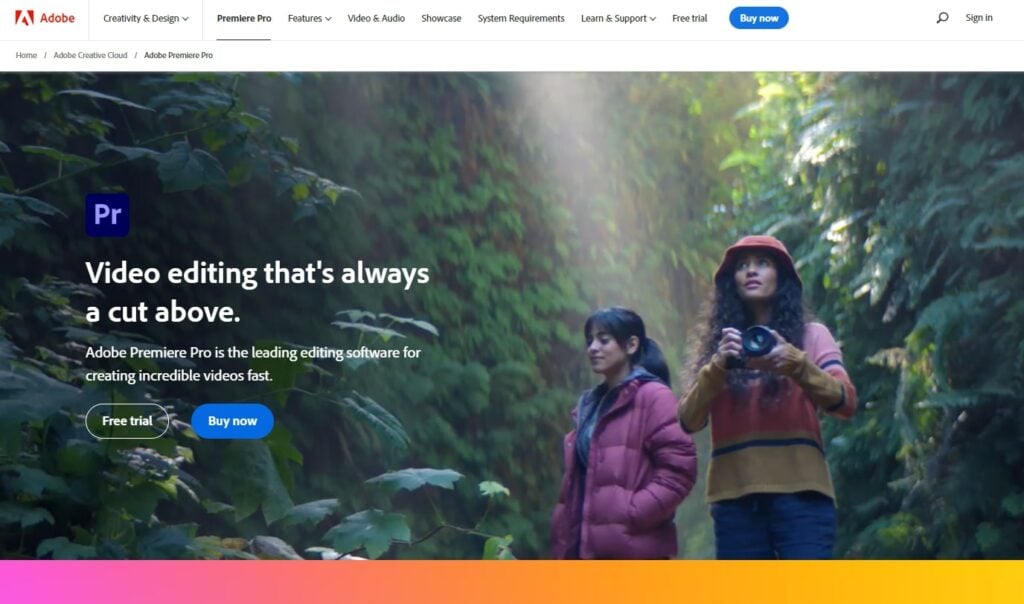
- Key Features: Advanced AI-powered speech-to-text for automatic captioning (vital for accessibility), seamless integration with Adobe After Effects for medical motion graphics, and professional-grade audio cleanup.
- Implications for Healthcare: Its ability to handle high-resolution footage ensures that clinical procedures are rendered with clarity, while its robust color correction tools help maintain a consistent, sterile, and professional brand palette.
- Pricing: $20.99/month.
2. Animaker: Bridging the Gap in Patient Education
Sometimes, the best way to explain a medical condition is not through live-action footage, but through animation. Animaker allows healthcare organizations to visualize anatomy or biological processes without the high cost of a traditional film crew.
- Key Features: Drag-and-drop animation, an extensive library of medical-themed assets, and AI-powered voiceovers.
- Implications for Healthcare: It is an invaluable tool for creating "explainer" videos. Whether describing how a specific medication interacts with the body or simplifying a complex surgical procedure, Animaker makes the abstract tangible.
- Pricing: Free plan available; Paid plans start at $15/month.
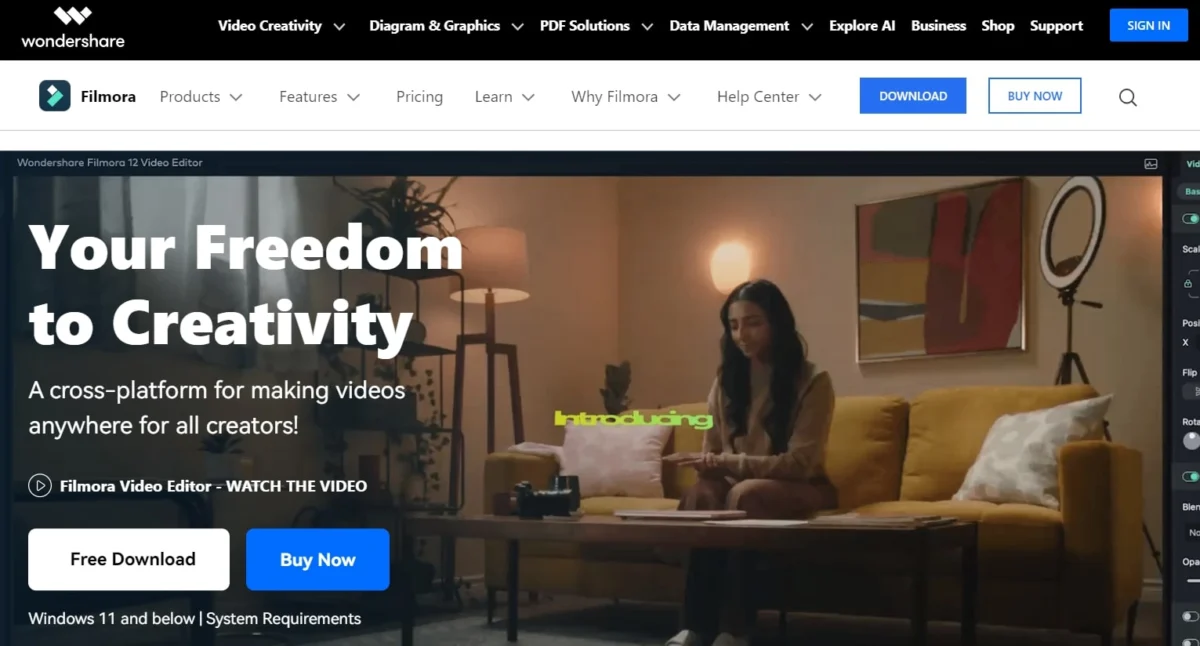
3. Wondershare Filmora: Balancing Efficiency and Storytelling
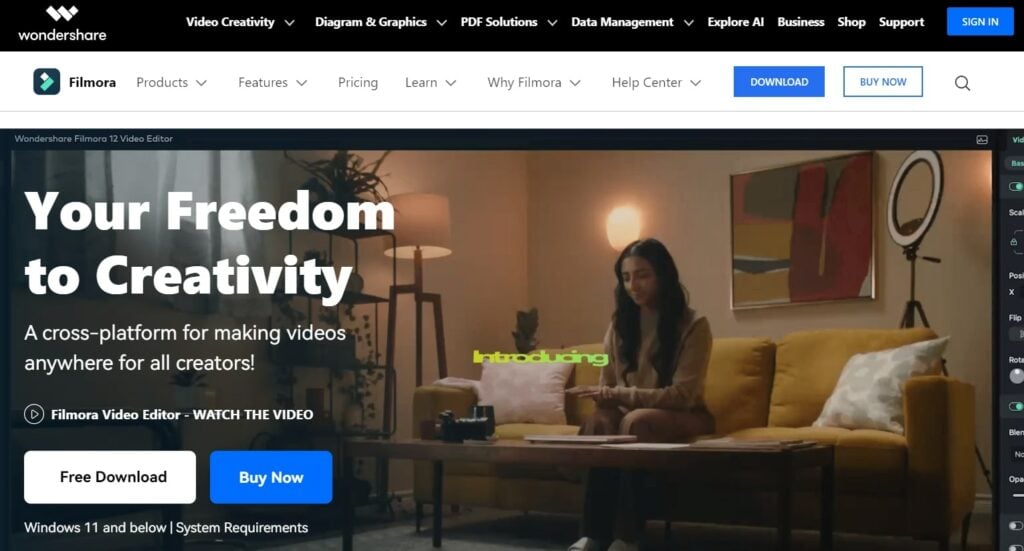
For marketing teams that need to produce high volumes of social media content—such as weekly health tips or short patient success stories—Filmora offers a perfect middle ground. It removes the steep learning curve of professional suites while retaining enough power to produce high-quality results.
- Key Features: Intuitive drag-and-drop interface, pre-built templates for social media, and rapid motion tracking for highlighting text or medical callouts.
- Implications for Healthcare: Filmora enables small marketing departments to maintain a frequent content schedule, keeping their hospital or clinic "top of mind" for patients without requiring an in-house film studio.
- Pricing: Starts at $49.99/year.
4. Apple iMovie: Accessibility for Rapid Deployment
While it may lack the advanced features of a studio-grade editor, iMovie remains the most accessible tool for those operating within the Apple ecosystem. It is ideal for urgent, internal communications or rapid-response public health updates.
- Key Features: Simple trimming, audio normalization, and basic title cards.
- Implications for Healthcare: For a physician or department head who needs to record a quick "video update" for a hospital website or social media channel, iMovie provides a zero-cost, high-speed solution that is easy to master.
- Pricing: Free.
5. DaVinci Resolve: The Cinematic Edge
For healthcare brands looking to create high-end promotional documentaries or "facility tour" videos, DaVinci Resolve offers unparalleled color grading capabilities.

- Key Features: Hollywood-grade color correction, sophisticated VFX, and the "Fairlight" audio post-production page.
- Implications for Healthcare: In the competitive world of private practice and specialized clinics, the "look" of a facility matters. DaVinci Resolve allows editors to make sterile hospital environments look inviting, warm, and cinematic, significantly impacting patient perception.
- Pricing: Free version available; Studio version is a one-time purchase of $295.
Chronology of Digital Healthcare Transformation
The evolution of healthcare video has progressed through three distinct phases over the last decade:
- The Information Era (2015-2018): Healthcare videos were primarily static, long-form lectures or basic "about us" clips posted to hospital websites.
- The Social Media Integration Era (2019-2022): The rise of platforms like YouTube and Instagram pushed healthcare providers to create shorter, punchier, and more relatable content.
- The AI and Accessibility Era (2023-Present): Automated captioning, AI-driven animation, and real-time editing tools have made it possible for any healthcare provider to create high-quality, inclusive, and globally accessible content.
Supporting Data: Why Video Works
According to recent industry benchmarks, healthcare organizations that utilize video marketing see a 30% increase in patient engagement compared to those relying solely on text. Furthermore, videos that include human-centric storytelling—such as patient testimonials—show a 50% higher trust rating than generic promotional material.
The data is clear: the patient journey is now digital-first. A patient’s initial interaction with a healthcare provider is frequently a video on a mobile device. Therefore, the production quality of that video serves as a proxy for the quality of care the patient expects to receive.
Official Perspectives: The Industry Consensus
Industry experts argue that the barrier to entry for professional video production is lower than ever. Dr. Elena Rossi, a digital transformation consultant for regional hospital networks, notes: "The goal isn’t to become a filmmaker. The goal is to be a communicator. The software we have today allows doctors and administrators to tell their own stories in a way that feels authentic, rather than scripted."
However, compliance officers warn that speed must not come at the cost of security. All major platforms mentioned (Premiere Pro, DaVinci Resolve, etc.) are tools for editing, but the management of the raw data—specifically footage containing identifiable patient information—must remain within secure, encrypted, and HIPAA-compliant environments.
Implications for the Future of Healthcare
The adoption of these tools signals a permanent change in how healthcare is marketed. We are moving toward a future of "Asynchronous Patient Care," where educational videos replace routine in-person consultations for minor queries, saving resources for both the provider and the patient.
Key Implications:
- Democratization of Content: Smaller, independent clinics can now compete with large hospital networks by producing high-quality content that ranks well on YouTube and Google.
- Enhanced Patient Literacy: By breaking down complex procedures into visual explainers, healthcare providers can improve patient outcomes through better adherence to post-operative instructions.
- Brand Humanization: Video allows providers to showcase the faces behind the scrubs, bridging the emotional distance that often exists between clinical institutions and the public.
Conclusion: Making the Choice
Selecting a video editor is not a "one-size-fits-all" decision. For the large medical system, Adobe Premiere Pro offers the scale required for professional production. For the solo practitioner or small clinic, Filmora or Animaker provides the perfect balance of ease and engagement.
As we continue through 2025, the organizations that thrive will be those that view video production not as a marketing expense, but as an essential part of the patient care journey. The tools are ready—all that remains is to pick up the camera and start the conversation.












No comments yet. Be the first to join the conversation!