

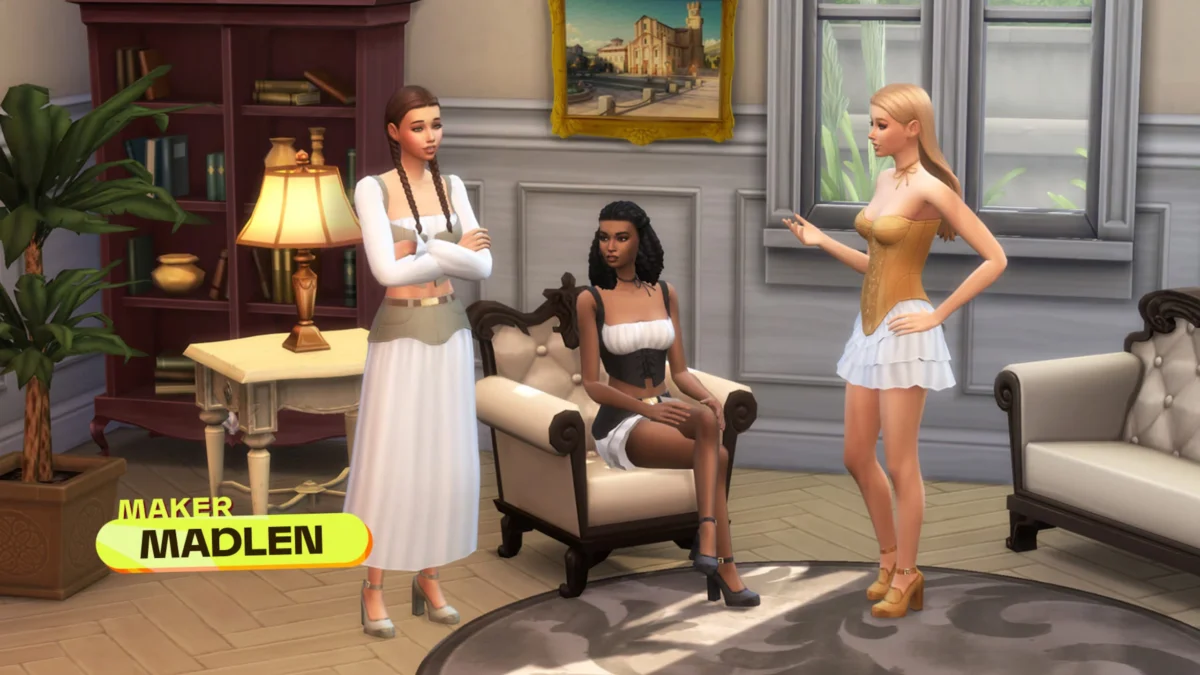
A significant shift in The Sims 4’s monetization strategy has officially arrived on PlayStation and Xbox, bringing with it a dedicated Marketplace for user-created content (UGC) and a new premium currency known as "Moola." This rollout, occurring just over a month after its PC debut, aims to integrate a more structured system for creators to monetize their work directly within the game. However, the move has not been without controversy, particularly concerning the introduction of Moola and its impact on the purchase of "Kits," a smaller form of downloadable content, which has already prompted a partial reversal on the PC platform.
The Sims 4, a game renowned for its extensive modding community and long-standing popularity since its 2014 launch, is venturing into a new era of in-game commerce. Console players can now access a curated selection of community-made items, ranging from furniture and clothing to architectural elements, all purchasable with the exclusive Moola currency. This expansion of the "Marketplace Maker Program" to consoles represents a concerted effort by Maxis and EA to further empower creators while simultaneously establishing a new revenue stream for the decade-old title. Yet, the implementation of this system has ignited passionate debate among its dedicated player base, raising questions about value, transparency, and the future of user-generated content in the beloved life simulation series.
Main Facts: A New Economic Frontier for The Sims 4
The core of this news lies in the simultaneous launch of two intertwined features for The Sims 4 on PlayStation and Xbox: the Marketplace and its proprietary currency, Moola. This initiative extends the "Marketplace Maker Program," previously exclusive to PC, to a broader audience, allowing console players to browse, download, and purchase community-created content directly within the game.
At its heart, the Marketplace is designed to be a hub for paid mods. Historically, user-created content for The Sims series has predominantly been free, a testament to the passionate and giving nature of its modding community. The introduction of a paid system, while offering creators a path to monetization, fundamentally alters this long-established dynamic.
The new premium currency, Moola, is central to this new economy. Players must purchase Moola with real-world money, and then use these Moola bundles to acquire items from the Marketplace. This system, common in many free-to-play and live-service games, has immediately become a focal point of criticism. Concerns revolve around the perceived obfuscation of real-money value, as Moola denominations rarely align perfectly with item prices, often leaving players with residual, unusable currency.
A particularly contentious aspect of this rollout is the change in how "Kits" are acquired. Kits are smaller, themed content packs that were previously purchasable directly with real money from console storefronts. With the arrival of the Marketplace, these Kits have been integrated into the Moola-only purchase model, meaning players can no longer buy them outright through their console’s native store. While larger content bundles like Expansion Packs, Game Packs, and Stuff Packs remain available for direct purchase, the shift for Kits has been a significant point of contention for players.
Interestingly, this console launch comes amidst a swirling controversy on the PC side, where a recently leaked internal memo from EA suggests a partial backtrack on the Moola-only requirement for Kits. This memo indicates that Kits are slated to return to direct cash purchase options on the EA App and Steam for PC players, a move that has already reportedly taken effect on the EA App and is expected on Steam by April 20. This disparity between the PC and console strategies highlights a potentially evolving approach from EA and Maxis in response to player feedback.
Chronology: A Rapid Evolution of Monetization
The journey to The Sims 4’s console Marketplace began a little over a month prior, with its initial rollout on PC. This marked the first significant foray into a structured, paid UGC ecosystem for the game.
PC Launch and Initial Reception (Early March): The Marketplace, alongside the Moola currency and the "Maker Program," debuted on PC. The reception was largely mixed to negative. Players quickly voiced concerns over the Moola system, citing its opaque pricing and the common tactic of forcing players to buy more currency than needed for a specific item. The biggest flashpoint, however, was the immediate transition of Kits – smaller, focused content packs – from direct cash purchases to being exclusively purchasable with Moola. This change was seen by many as an unnecessary additional layer of monetization for content that players had previously bought straightforwardly. The community expressed frustration over the perceived devaluation of their money and the inconvenience of the Moola system for these smaller, popular add-ons.
Console Launch (Current Event): Following its PC introduction, the Marketplace and Moola system have now officially arrived on PlayStation and Xbox. As Maxis stated in its announcement blog post, the console implementation mirrors the PC experience. This means console players now face the same Moola-only requirement for Kits, along with the ability to purchase other user-created content through the new in-game store. The timing suggests EA and Maxis aimed for a relatively swift and consistent rollout across platforms, despite the ongoing feedback from the PC community.
The Leaked Memo and PC Reversal (Mid-April): Just as the Marketplace landed on consoles, a pivotal development emerged concerning the PC version. A leaked internal memo, reported by SimsCommunity, revealed EA’s intention to revert the purchase method for Kits on PC. According to the memo, Kits would once again be available for direct cash purchase on both the EA App and Steam. The change reportedly took effect on the EA App first, with Steam following suit around April 20. This swift pivot, occurring within weeks of the initial PC rollout and coinciding with the console launch, underscores the intensity of the player backlash on PC and EA’s responsiveness, at least for that platform.
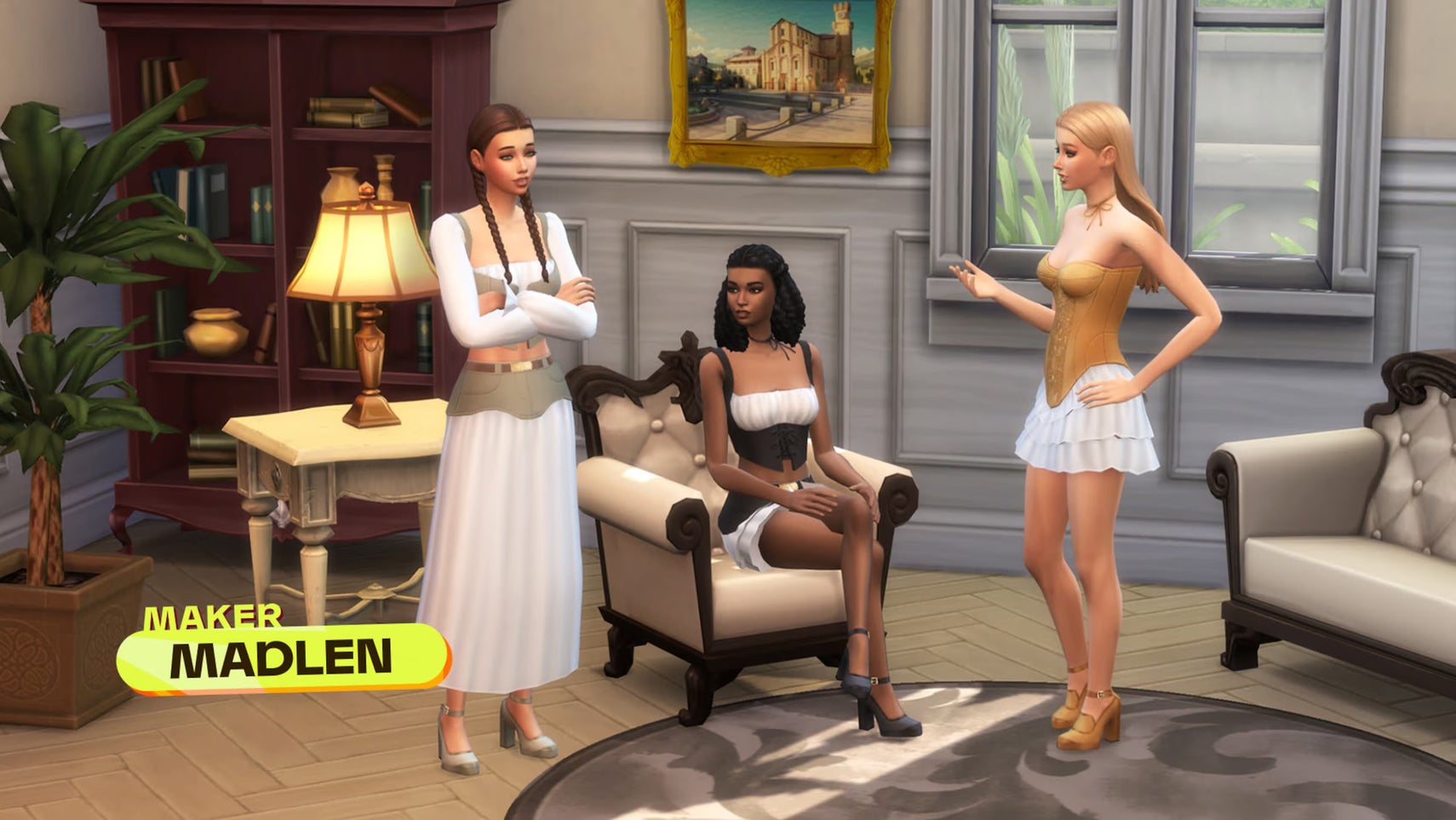
Disparity and Future Uncertainty: The immediate consequence of this chronology is a significant divergence in how Kits are purchased across platforms. PC players are regaining the option to buy Kits directly with real money, bypassing Moola, while console players are introduced to the Moola-exclusive model. This raises questions about EA’s long-term strategy and whether a similar reversal might be considered for consoles should the backlash prove equally potent. For now, console players are operating under the controversial system that PC players pushed back against successfully.
Supporting Data: Contextualizing The Sims 4’s Monetization Shift
To fully grasp the implications of The Sims 4’s Marketplace and Moola system, it’s crucial to examine the broader context of the game’s history, its community, and the gaming industry’s evolving monetization trends.
The Sims 4’s Enduring Legacy and Player Base: Launched in 2014, The Sims 4 has enjoyed remarkable longevity. Its free-to-play base game model, coupled with an extensive catalog of paid Expansion Packs, Game Packs, and Stuff Packs, has cultivated a massive and diverse player base. This longevity means a highly engaged community with deeply ingrained expectations, particularly regarding content acquisition. Introducing a new, paid UGC system, especially one with a premium currency, inevitably clashes with these established norms. The game’s audience spans casual players to hardcore simmers and dedicated modders, each group potentially reacting differently to such fundamental changes.
The Modding Tradition and the Rise of Paid UGC: User-created content has been the lifeblood of The Sims series since its inception. From custom furniture and clothing (CC) to complex gameplay overhauls (mods), creators have provided an endless stream of free content, vastly extending the game’s replayability and personalization options. This vibrant, volunteer-driven ecosystem is a core part of The Sims identity. The introduction of a formal "paid mods" system via the Marketplace represents a significant departure from this tradition. While it offers creators a chance to earn revenue, it also introduces a commercial layer to what was largely a passion-driven, freely shared endeavor. This shift can be seen as an attempt by Maxis and EA to bring some of that thriving, external content creation into an official, monetized framework, potentially driven by a desire for quality control, platform consistency, and a new revenue stream.
The "Moola" Economy and Premium Currency Psychology: The criticism surrounding Moola is not unique to The Sims 4; it’s a common grievance across the gaming industry. Premium currencies like Moola are designed to create a psychological distance between the player’s real money and the virtual goods they purchase. By converting real dollars into an arbitrary in-game currency, the perceived value of items becomes less clear. Furthermore, the denominations are often structured to ensure players cannot buy exactly what they need. For example, if an item costs 120 Moola, and Moola can only be bought in packs of 100 or 250, players are forced to purchase 250 Moola, leaving them with 130 Moola they didn’t initially need. This "leftover currency" often encourages further spending to utilize the remainder, a tactic designed to maximize revenue. This model directly contrasts with the transparency of directly purchasing a Kit for a set cash price, fueling player frustration.
The "Kit" Controversy: A Microcosm of Monetization Woes: Kits, introduced in 2021, are smaller, more focused content packs for The Sims 4, typically priced around $5 USD. They offer a handful of themed items or gameplay additions, acting as a more affordable way to expand the game without committing to larger, more expensive packs. Their transition to a Moola-only purchase model was particularly galling for players because it added an unnecessary step and perceived cost to an already established, bite-sized purchase option. For many, it felt like an attempt to "double-dip" or complicate a simple transaction, moving Kits from a transparent microtransaction to an obfuscated one. The rapid pushback on PC and EA’s subsequent reversal underscores how sensitive players are to changes affecting these smaller, accessible content offerings.
Industry Parallels: Paid Mods and Monetization Models: The Sims 4 is not the first game to experiment with paid mods. Bethesda’s "Creation Club" for Skyrim and Fallout 4, for example, offers curated, paid community content alongside free mods. While it provides an official channel for creators, it also faced initial skepticism from a modding community accustomed to free content. The Sims 4’s Marketplace shares similarities but also introduces its own currency layer, drawing comparisons to free-to-play mobile games or live-service titles like Fortnite with its V-bucks. These comparisons often highlight the perception of value erosion and aggressive monetization strategies.
Console Modding Limitations and Opportunities: Historically, console gaming has been largely insulated from the vast, unregulated world of PC modding due to technical limitations and closed platform ecosystems. The Sims 4 Marketplace represents one of the more significant attempts to bring curated, user-created content to consoles. While it provides console players with access to content previously unavailable to them, it does so under a strict, monetized framework. This contrasts with the PC experience, where a parallel universe of free, external mods continues to thrive alongside the official Marketplace. The challenge for EA is to convince console players that the benefits of this curated, paid content outweigh the perceived drawbacks of the Moola system and the limitations compared to PC’s free modding scene.
Official Responses: Navigating Player Feedback
EA and Maxis’s communication surrounding the Marketplace and Moola has been a delicate balancing act, attempting to frame the initiative as a positive step for creators while also responding to significant player backlash.
Initial Stance and Console Launch Rationale: In the official blog post announcing the console launch, Maxis emphasized consistency with the PC experience. The messaging highlighted the "Marketplace Maker Program" as a way to "empower talented creators" and bring "more diverse content" to players. The implication was that Moola and the structured Marketplace were necessary components of this creator-centric ecosystem. There was no explicit acknowledgment of the PC controversy at the time of the console announcement; instead, the focus was on the expansion and the benefits for both creators and players in accessing new content. The reasoning for moving Kits to Moola-only was subtly tied into this new framework, suggesting a streamlined approach to all smaller, in-game purchases.
Response to PC Backlash: The Leaked Memo and Partial Reversal: The most significant official "response" came not through a public statement, but via a leaked internal memo. This memo indicated a direct reaction to the intense negative feedback received from PC players regarding the Moola-only requirement for Kits. The decision to revert Kits to direct cash purchases on the EA App and Steam suggests that the player community’s voice was heard and acted upon. This partial rollback indicates that EA recognized the significant friction points caused by forcing players to use Moola for content they previously bought directly. The swiftness of this decision, particularly within weeks of the PC launch, highlights the potential impact of unified player dissent. It also suggests that the financial or player satisfaction cost of the Moola-only Kit model on PC outweighed its perceived benefits.

Silence on Console Changes and Speculation: Crucially, there has been no immediate indication or official statement that a similar reversal for Kits is planned for console players. This silence, especially in light of the PC changes, is notable. Several factors could contribute to this disparity:
- Time Lag: EA may be waiting to gauge the initial reception on consoles. The console launch is fresh, and it might take time for player feedback to coalesce and reach a critical mass.
- Different Market Dynamics: The console ecosystem has traditionally been more accustomed to walled-garden monetization systems and less exposed to free modding. EA might be testing whether console players, who have fewer external modding options, will be more accepting of this official, monetized UGC model, even with its Moola system.
- Platform Holder Agreements: Agreements with PlayStation and Xbox regarding in-game currencies and storefront integrations might add complexity or delay to any potential changes compared to the PC platforms (EA App, Steam), where EA has more direct control.
- Strategic Intent: It’s possible EA intends for the Moola-only Kit model to persist on consoles, believing it’s a viable strategy for that segment of the player base.
Ultimately, the official responses thus far reveal a company willing to adapt to strong player feedback, at least on one platform, while maintaining a wait-and-see approach for others.
Implications: Reshaping The Sims 4’s Future and Beyond
The introduction of the Marketplace and Moola, particularly with the contrasting approaches between PC and console, carries significant implications for The Sims 4, its community, and potentially the broader gaming industry.
Impact on the Player Base:
- Console Players: This marks a new era, granting access to a wider array of content, but at the cost of embracing a premium currency system. It could divide the console community into those who engage with Moola and those who avoid it. Frustration over Kits being Moola-exclusive will likely grow if not addressed.
- PC Players: The partial reversal on Kits offers some relief, reinforcing the power of collective feedback. However, the core Marketplace for user-created content still relies on Moola, meaning PC players still face the same premium currency mechanics for those specific items.
- Community Segmentation: The divergence in Kit purchasing methods between PC and console could lead to further segmentation and potential resentment, especially if console players feel like second-class citizens or that their feedback is less valued.
Impact on Modders/Creators (The "Maker Program"):
- Monetization Opportunity: For creators, the "Maker Program" offers a legitimate, officially supported pathway to monetize their passion. This could attract new creators or encourage existing ones to dedicate more time and resources to their work, potentially leading to higher quality, curated content.
- Creative Control vs. Guidelines: While offering monetization, the official Marketplace also implies stricter quality control and content guidelines from Maxis/EA. This might limit creative freedom compared to the unregulated nature of traditional free modding.
- Competition and Visibility: The Marketplace introduces a competitive environment. Creators will need to navigate discoverability and player preferences within a formalized store, potentially shifting the focus from pure passion to market appeal.
- Splitting the Modding Scene: The existence of a paid, official Marketplace alongside the vast, free, external modding scene (on PC) creates a two-tiered system. This could lead to a debate within the modding community about supporting official monetization versus preserving the free-content ethos.
Future of Monetization in The Sims 4 and Beyond:
- Precedent for Future Content: This move sets a precedent for how future smaller content drops or even aspects of user-generated content might be monetized in The Sims 4.
- "Project Rene" (The Sims 5): The insights gained from this Marketplace rollout will undoubtedly inform the monetization strategy for the next generation of The Sims, currently known as "Project Rene." EA might be testing different models for in-game purchases and UGC monetization in preparation for its next flagship title. This could signal a move towards a more heavily monetized, perhaps even free-to-play, model for the core game, with extensive in-app purchases and creator programs.
- EA’s Broader Strategy: This fits into a broader industry trend where publishers seek to diversify revenue streams beyond initial game sales and large expansions, especially for long-running titles. Leveraging UGC via structured marketplaces and premium currencies is a proven method in other genres.
The Console Ecosystem:
- Bridging the Gap (with caveats): The Marketplace brings a semblance of user-created content to consoles, which have traditionally lacked the robust modding scenes of PC. However, the paid, curated nature of this content means it’s a very different experience from the open-ended, free modding of PC.
- New Revenue for Platform Holders: The integration of Moola and the Marketplace likely involves revenue sharing with PlayStation and Xbox, providing platform holders with a cut of these new in-game purchases.
Ethical Considerations:
- Transparency and Consumer Rights: The Moola system raises questions about transparency in pricing and consumer rights, particularly concerning leftover currency. Advocacy groups often highlight how premium currencies can exploit psychological biases.
- Accessibility: Forcing Kits behind a premium currency barrier could make them less accessible to players who prefer direct, transparent transactions or have limited budgets, potentially alienating a segment of the audience.
Recommendations/Outlook:
EA and Maxis face a critical period. While the PC reversal for Kits shows responsiveness, the console situation remains unresolved. To foster a healthier ecosystem, especially on consoles, EA might consider:
- Reinstating Direct Kit Purchases on Consoles: Aligning console Kit purchases with the new PC model would alleviate significant player frustration and promote platform parity.
- Increased Moola Transparency: Clearly displaying the real-money equivalent of Moola purchases and item costs could reduce player resentment.
- Flexible Moola Denominations: Offering Moola packs that align more closely with common item prices could minimize leftover currency.
- Community Engagement: More open dialogue with the console community about their concerns regarding the Marketplace and Moola could build trust.
The Sims 4’s Marketplace and Moola represent a bold step into new monetization territory for a beloved franchise. Its success, particularly on consoles, will hinge on how effectively Maxis and EA can balance creator support with player satisfaction, and how they respond to the inevitable feedback from a passionate and vocal community. The ongoing narrative of this transition will serve as an important case study for the future of user-generated content and monetization in the gaming industry.











