

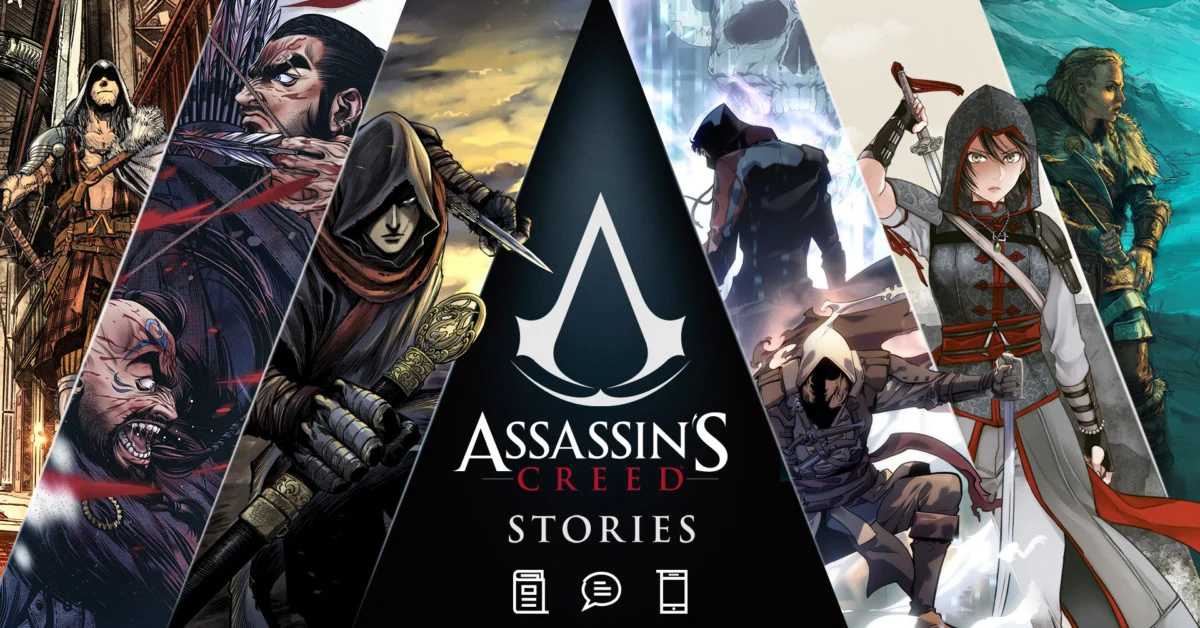
The Assassin’s Creed franchise, a cornerstone of modern gaming since its debut in 2007, is undergoing its most significant evolution to date. Ubisoft, the powerhouse developer behind the historical action-adventure series, has officially announced a sweeping strategic expansion that will see the Assassin’s Creed universe permeate virtually every corner of the media landscape. Moving far beyond the limitations of console and PC software, the company is launching a multifaceted initiative that encompasses novels, graphic novels, manhuas, webtoons, and immersive audio podcasts.
This initiative is not merely a collection of side projects; it is a deliberate, orchestrated effort to deepen the lore of the centuries-old conflict between the Brotherhood of Assassins and the Templar Order. By partnering with international creators and leveraging diverse storytelling formats, Ubisoft is inviting fans to engage with the franchise in ways that honor the series’ history while pushing the boundaries of its narrative potential.
The Strategy: A Three-Tiered Narrative Architecture
To manage this deluge of new content, Ubisoft has categorized its upcoming publications into three distinct pillars, ensuring that both longtime enthusiasts and newcomers can easily navigate the expanded universe:
- Classics: These works serve as direct adaptations, bringing beloved stories from the video games to life in prose or illustrated formats.
- Chronicles: This category focuses on new adventures featuring established, iconic Assassins, filling in the gaps of their lives and exploring their legendary exploits.
- Originals: Perhaps the most ambitious tier, this section introduces entirely new protagonists and explores untapped historical periods, broadening the scope of the Assassin-Templar war beyond the games.
A Global Creative Pipeline
The heart of this expansion lies in Ubisoft’s decision to adopt a "global vision, local approach." The company is actively collaborating with high-profile writers and illustrators from across the globe, with a specific focus on the Asian market. By engaging creators in China, Japan, and Korea, Ubisoft is ensuring that these new stories are not only authentic to the franchise’s DNA but also deeply rooted in the cultural landscapes they depict.
"With a license as rich as Assassin’s Creed, many creators are excited to offer their vision of the franchise," explains Aymar Azaïzia, Transmedia Director at Ubisoft Montreal. "It’s a great creative opportunity to publish a work that is relevant to the genre in question and produced by authors or illustrators who are recognized in their field."
This sentiment is echoed by Julien Fabre, Associate Director of Publishing at Ubisoft, who notes, "With so many creators from all over Asia delivering innovative content, a priority for Ubisoft has been to forge new relationships with talented partners in the region."
Deep Dive: Key Upcoming Titles and Media
The roadmap for the coming year is dense with releases across various platforms. Below is a breakdown of the most anticipated entries in the Assassin’s Creed transmedia slate.
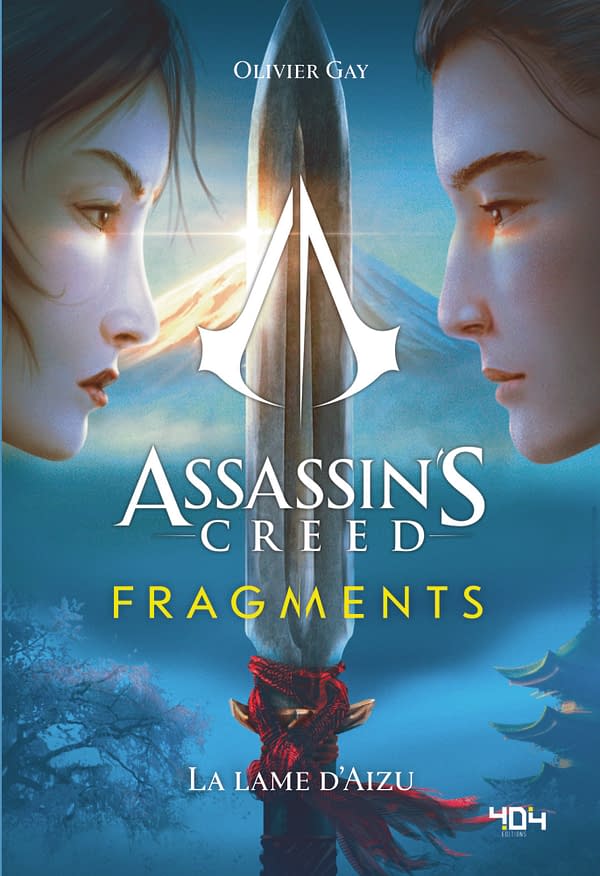
The Fragments Young Adult Trilogy (Originals)
In partnership with the French publishing house Editis, Fragments is an action-adventure historical fiction saga centered on the age-old Assassin-Templar feud through the lens of young adults. The series focuses on the complex relationships between siblings caught in the middle of these hidden wars. Each volume will transport readers to a unique time and place:
- Volume 1: 19th-century Japan.
- Volume 2: 13th-century Scotland.
- Volume 3: 17th-century France.
The Jade Seal Collection (Originals)
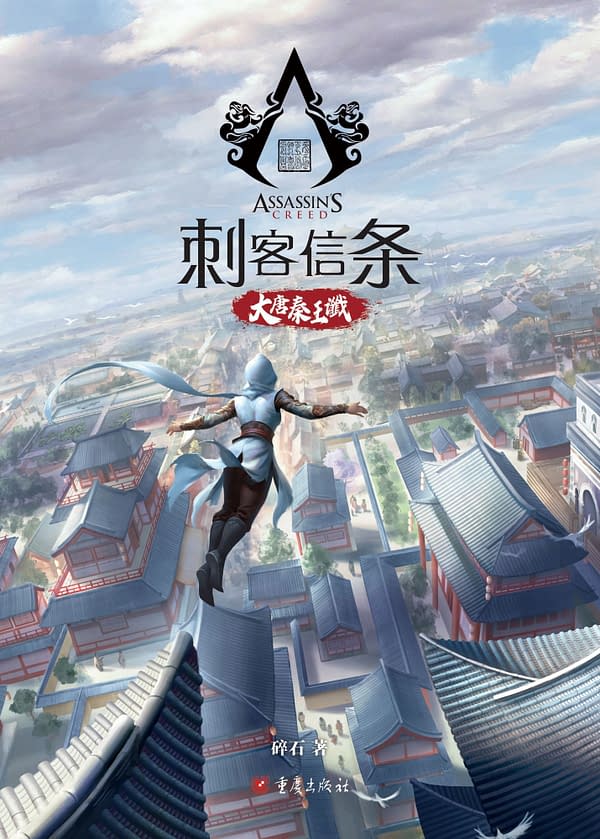
This collection represents a massive undertaking for the franchise, comprising ten novels that span the breadth of Chinese history—from the Zhou Dynasty in the 4th Century BC to the Ming Dynasty in the 17th Century. Written by six prominent Chinese authors, these novels introduce a host of new Assassins and archenemies, integrating the Assassin’s Creed conflict into the rich tapestry of Chinese imperial history.
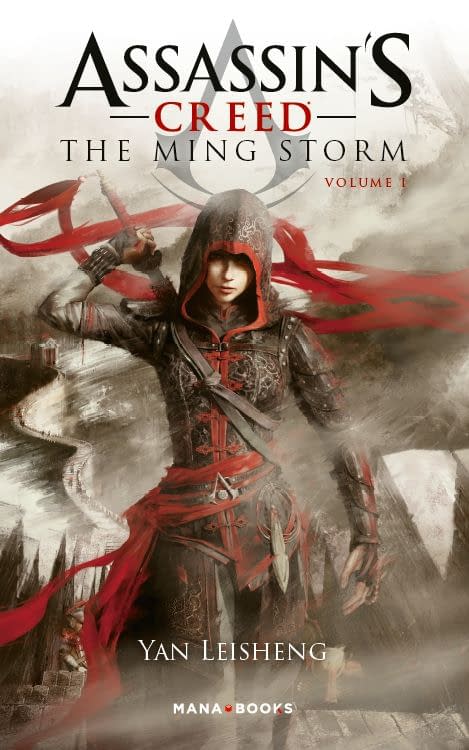
The Ming Storm (Chronicles)
For fans of the Assassin’s Creed Chronicles: China video game, this novel—written by best-selling Chinese author Yan Leisheng—is a vital addition. It follows the fan-favorite protagonist Shao Jun as she navigates the treachery of 16th-century China. Published in the US and Canada by Aconyte Books, it serves as the opening chapter of a planned trilogy.
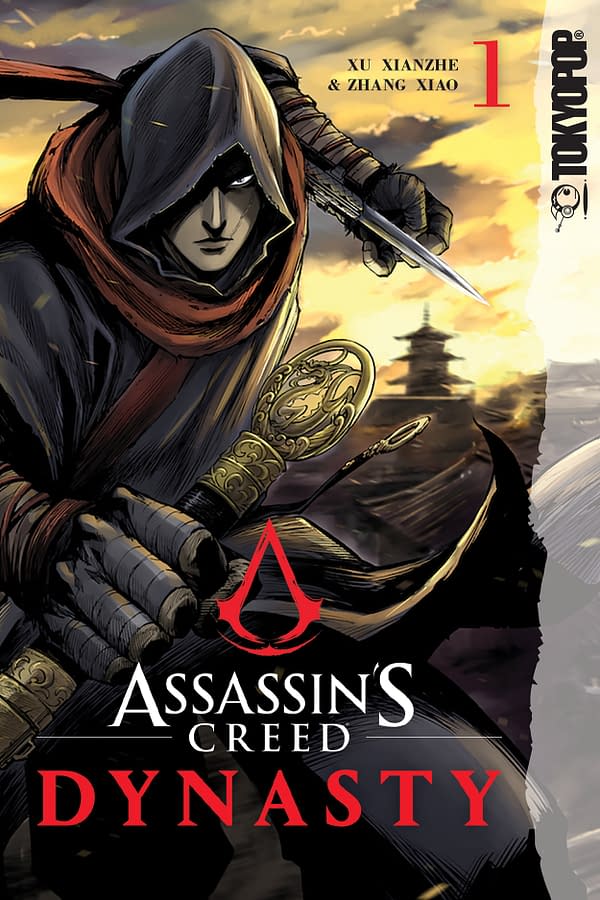
Assassin’s Creed Dynasty (Manhua – Originals)
Already a massive success in its home territory, Dynasty has garnered over 150 million views as a webcomic on the Tencent platform. The story follows Li E, an Assassin struggling to preserve the Tang Dynasty amidst the chaos of civil war. TOKYOPOP is bringing this title to the Western market, with print editions slated for early 2022.
Valhalla-Centric Expansions (Chronicles)
Given the massive success of Assassin’s Creed Valhalla, it is no surprise that Ubisoft is dedicating significant resources to this era:
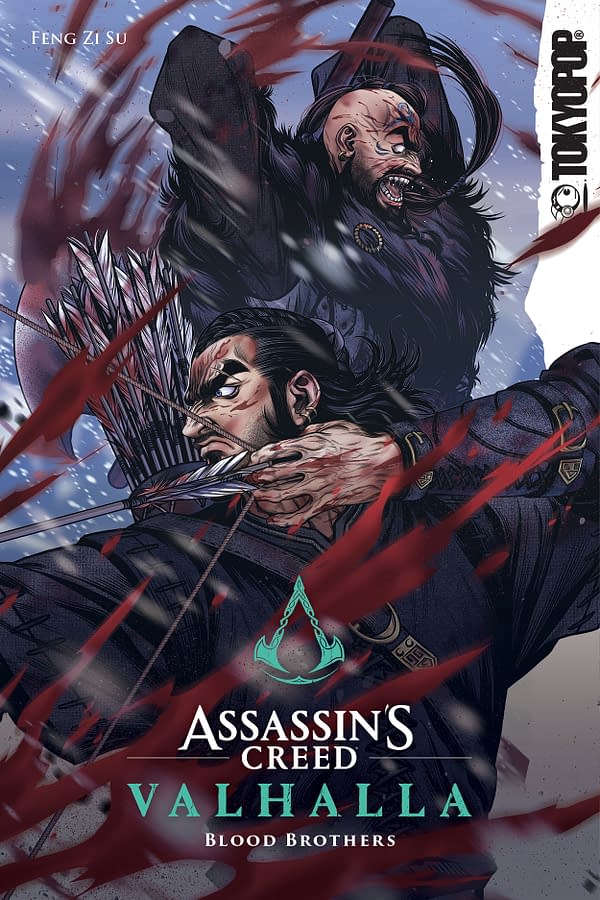
- Blood Brothers (Manhua): A tale of two Viking brothers set in the world of Valhalla, preceding the adventures of Eivor the Wolf-Kissed.
- Valhalla French Graphic Novel: A collaboration with Glénat Editions, this original story follows an aspiring Assassin and a Christian monk on a journey from Ravensthorpe to Scotland.
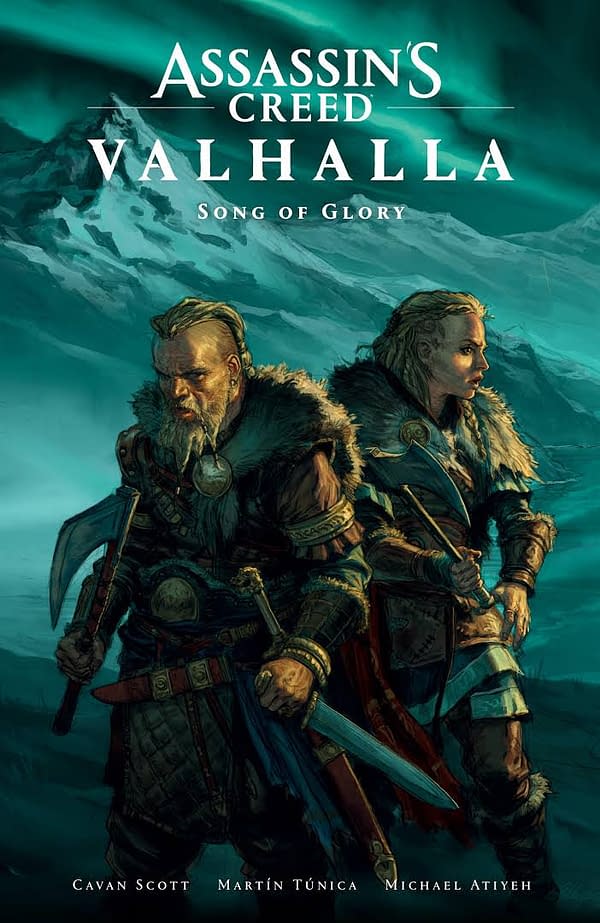
- Song of Glory: A collected hardcover edition of the Dark Horse comics, documenting the early exploits of Eivor and Sigurd as they seek fame and glory.
Blade of Shao Jun (Chronicles)
Viz Media is handling the distribution of this manga series, which continues the narrative of Shao Jun. It uniquely blends historical intrigue with a modern-day plotline featuring a teenager named Lisa, who inadvertently becomes embroiled in a trap set by Abstergo Industries, the modern-day front for the Templar Order.
Turbulence in the Ming Dynasty (Podcast)
Recognizing the power of audio storytelling, Ubisoft has partnered with Ximalaya, China’s leading podcast platform, to create an immersive audio drama. Voiced by top-tier talent from the Chinese film industry—including Liu Yan as Shao Jun—and featuring high-end sound design and a cinematic score, this podcast offers an unprecedented level of immersion into the 16th-century Ming period.
Webtoon Sequel (Originals)
Perhaps the most intriguing project for fans of classic Assassin’s Creed is the upcoming Korean webtoon currently in development with partner Redice. This series will serve as a direct sequel to Assassin’s Creed IV: Black Flag, finally expanding upon the later life and ultimate fate of the legendary pirate-turned-Assassin, Edward Kenway.
The Implications: Why Transmedia Matters
The shift toward a "transmedia universe" is a strategic move that reflects broader trends in the entertainment industry. By diversifying the Assassin’s Creed footprint, Ubisoft is solving the "content cycle" problem. While video games require years of development and significant capital investment, books, comics, and podcasts offer a more agile way to keep the IP relevant in the eyes of the consumer.

Moreover, this approach allows for a greater diversity of storytelling. A graphic novel can explore the philosophical nuances of the Creed in ways that an open-world game—which is often focused on traversal and combat—might miss. Podcasts can provide intimate, character-driven narratives that benefit from the power of voice acting, while YA novels can capture a demographic that may not be the primary target of the core games.
Etienne Bouvier, Publishing Content Manager at Ubisoft, summarized the philosophy behind this push: "We are all consumers of stories. With this global vision and local approach, we seek to offer our fans new content in formats they are familiar with, and with stories that are rooted in their cultural background and their history."
Conclusion: A New Era for the Brotherhood
For the Assassin’s Creed community, this is a golden age of lore. Whether one prefers the high-stakes action of a console title, the visual storytelling of a manga, or the immersive depth of an audio drama, the universe is becoming increasingly accessible. Ubisoft’s willingness to cede creative control to international experts and explore non-traditional media formats suggests that they are not just interested in selling games, but in cultivating a world-class literary and cinematic brand.
As these titles continue to roll out throughout the year, the boundary between the game and the narrative world will continue to blur. For the players who have spent over a decade synchronizing with their ancestors, the Animus is no longer just a piece of technology—it is now, effectively, the entire world.










No comments yet. Be the first to join the conversation!