

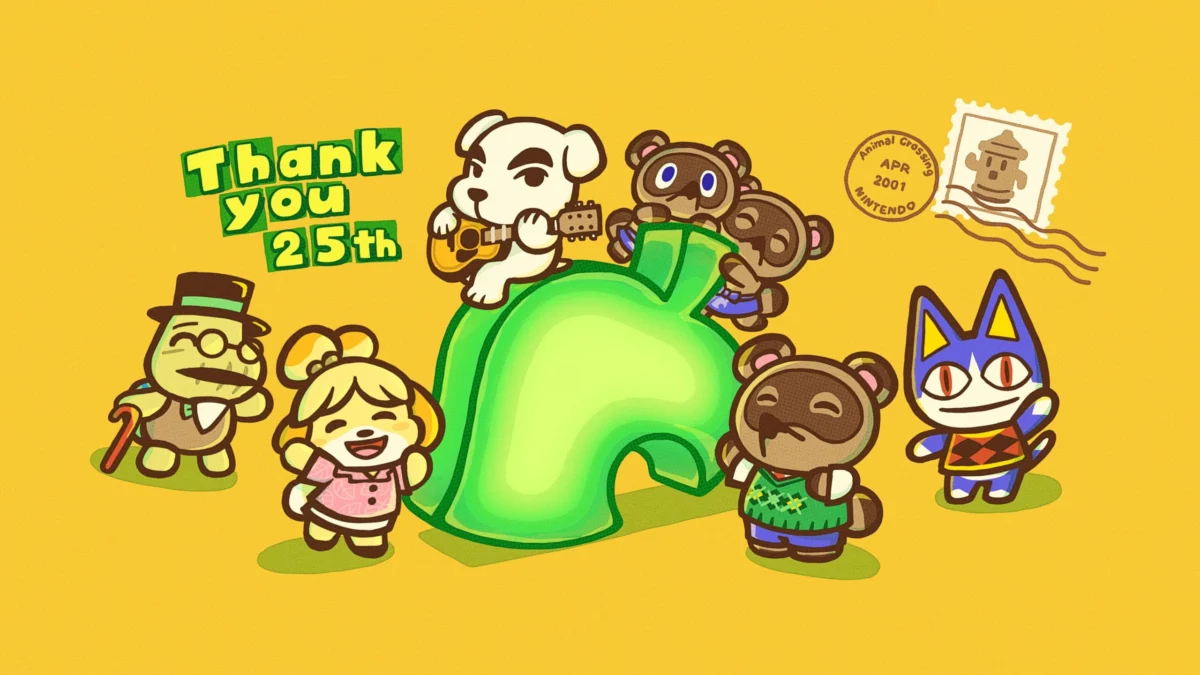
The Animal Crossing series has long been defined by its cozy, low-stakes atmosphere, its whimsical villagers, and a sense of progression that mirrors the patience of real life. Today, Nintendo has offered a heartfelt nod to that legacy, releasing a surprise update for Animal Crossing: New Horizons. Version 3.0.2, now available for both Nintendo Switch and the newer Switch 2 hardware, arrives as a celebratory capstone to the franchise’s 25th anniversary. While the update is small in scope, its arrival serves as a poignant reminder of how far the series has come since its humble origins on the Nintendo 64.
The Anniversary Gift: A Leafy Tribute
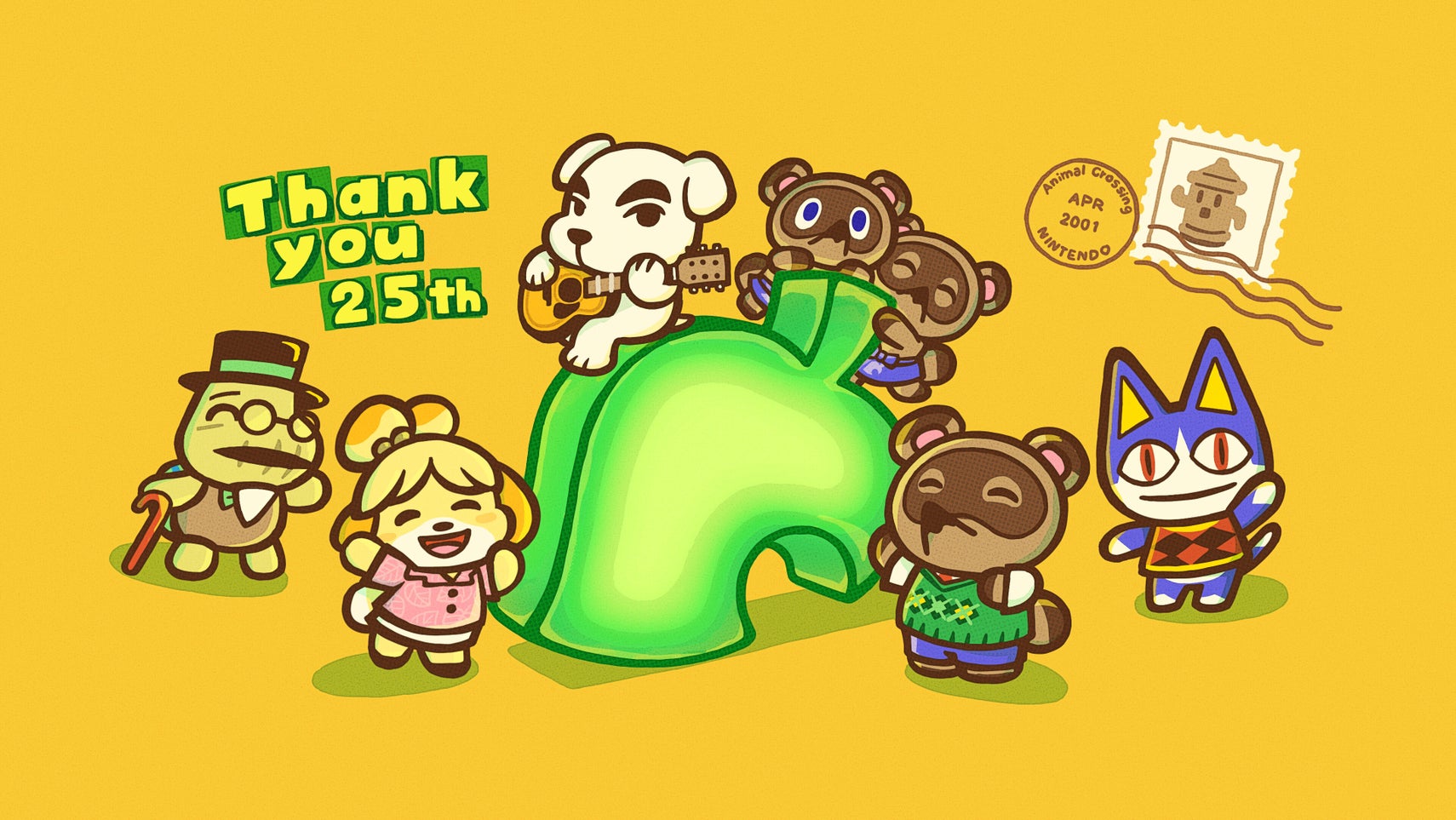
The headline addition in the 3.0.2 update is the "Leaf Statue," a new decorative item available to all players. Unlike previous seasonal events or expansive DLC, this item is a simple, universal gesture of gratitude from the development team. Players do not need to engage in complex crafting or participate in limited-time events to acquire it; the item is delivered directly to the player’s in-game mailbox upon downloading the patch.
When placed, the Leaf Statue serves as an elegant, glowing homage to the series’ iconic logo. The item’s delivery is accompanied by a commemorative letter from Nintendo, complete with a digital N64 stamp—a nostalgic touch that acknowledges the series’ roots. Furthermore, the update includes a displayable version of the original Dobutsu no Mori (Animal Forest) game box art, allowing players to create a miniature museum dedicated to the franchise’s history within their own virtual homes. While the rest of the patch notes focus on minor, behind-the-scenes stability improvements and bug fixes, the presence of these items has reignited interest in a title that many fans previously considered "finished" regarding content updates.
A Chronology of a Cultural Phenomenon
To understand the significance of this 25th-anniversary celebration, one must look back at the humble beginnings of the franchise. The series’ history is a testament to how a niche concept—a game about moving into a village and paying off a mortgage to a raccoon—transformed into a global cultural juggernaut.
The N64 Origins (2001)
The journey began on April 14, 2001, with the release of Dobutsu no Mori (Animal Forest) for the Nintendo 64 in Japan. It was a bold experiment in simulation gaming, utilizing the console’s internal real-time clock to mirror the passage of seasons, days, and holidays. Despite the technical limitations of the N64, the core gameplay loop—fishing, bug catching, and fostering relationships with anthropomorphic neighbors—was already firmly established.
The Expansion and Global Reach
Later that same year, in December 2001, Nintendo released Dobutsu no Mori+ for the GameCube, which brought the title to a wider audience and refined the mechanics that would become staples of the series. The subsequent release of Animal Crossing (the international version of Dobutsu no Mori+) in 2002 marked the beginning of the series’ transition into a Western household name. Over the next two decades, entries like Wild World (DS), City Folk (Wii), and New Leaf (3DS) iterated on the formula, each adding depth to the customization and social interaction systems that players had come to love.
The New Horizons Era
Animal Crossing: New Horizons (2020) arrived during a global inflection point. Released in the early months of the COVID-19 pandemic, it became a sanctuary for millions. Its success was unprecedented, cementing its place as the second best-selling game on the Nintendo Switch. While the game received a significant expansion, Happy Home Paradise, and a major "2.0" content update in late 2021, many fans were unsure if they would ever see new assets added again. This 25th-anniversary patch effectively breaks that silence, proving that the island is never truly "closed."
Supporting Data: Why This Matters
The endurance of Animal Crossing is not merely anecdotal; the data supports its status as a pillar of Nintendo’s library. As of recent fiscal reports, New Horizons has surpassed 45 million units sold. The game’s longevity is driven by a highly engaged community that continues to use the platform for social gatherings, creative expression, and digital design.
The decision to issue a patch for a four-year-old title—one that is already considered feature-complete—is a rare move for Nintendo, which typically reserves such maintenance for major system-level updates or ongoing live-service titles. By choosing to include a tribute item, Nintendo is acknowledging the "long-tail" nature of the game’s success. It signals to the player base that their continued residence on their islands is still being observed and appreciated by the developers at Nintendo EPD.
Official Responses and Technical Scope
Nintendo’s official support documentation for version 3.0.2 characterizes the update as a performance and stability release. While the patch notes are intentionally understated, the sentiment behind them is clear. The company has focused on refining the user experience, addressing minor edge-case bugs that have persisted since the 2.0 update.
"We wanted to offer a small token of our appreciation to the players who have made New Horizons a home for so many," a representative noted in a brief statement accompanying the release. For those interested in the technical minutiae, the full change log is hosted on the Nintendo Support website, detailing the resolution of various performance hitches that may have affected island load times and UI responsiveness during high-density object placement.
The Implications: Is This the Start of Something New?
The release of this patch raises an intriguing question: Does this signal a return to active development for New Horizons?

Industry analysts suggest that it is unlikely that this patch heralds a new season of massive content drops. Rather, it is a "legacy update." However, the fact that the patch is fully compatible with the Switch 2 suggests that Nintendo is ensuring its heavy-hitting back catalog remains functional and polished for the next generation of hardware.
The inclusion of an item referencing the N64 original is also a masterstroke of fan service. It bridges the gap between the veteran players who remember the original Japanese release and the newer generation of fans who joined during the pandemic. By placing the 25-year history of the franchise directly into the hands of the players, Nintendo is reinforcing the value of the IP.
The Cultural Legacy
As the series moves toward its next quarter-century, Animal Crossing remains a vital component of Nintendo’s brand identity. It represents the company’s ability to turn the mundane—paying taxes, pulling weeds, and decorating a room—into a source of joy. The Leaf Statue is a small, glowing reminder that even in a digital world, progress is measured not just in bells or miles, but in the time spent cultivating a space that feels like home.
Whether this is the final update or merely a pleasant surprise in a string of maintenance patches, the 25th-anniversary celebration has served its purpose. It has brought the community together once more to look back at the path traveled since 2001 and to appreciate the quiet, persistent magic of the Animal Crossing universe. For those who still log in to check their mailboxes every morning, today is a day to celebrate not just the game, but the community that has kept the island dream alive for 25 years.












No comments yet. Be the first to join the conversation!