For decades, the “direct market”—the network of local comic book stores that serves as the backbone of the American comic industry—has been the primary metric for success. Creators lived and died by monthly sales reports from Diamond Comic Distributors. However, a seismic shift has occurred, moving the goalposts of what it means to be a "successful" comic creator. Justin Jordan, the acclaimed writer behind Luther Strode and Spread, has stepped out of the traditional spotlight to navigate this new landscape, proving that while the direct market may be struggling, the art of sequential storytelling is thriving in a digital-first ecosystem.
His current project, Urban Animal, a collaboration with artist John Amor and letterer Micah Myers, has quietly amassed a following that would be the envy of any major publisher. With nearly half a million subscribers on the Webtoon platform and a consistent weekly readership of 100,000, Jordan is at the forefront of a paradigm shift in how comics are consumed, financed, and owned.
The Traditionalist’s Pivot: A Career in Context
To understand the magnitude of Jordan’s success with Urban Animal, one must first examine his pedigree. Jordan is a seasoned veteran of the industry, having cut his teeth on high-profile assignments for DC Comics, including Curse of Brimstone, Sideways, New Guardians, Superboy, and Team 7. His work for Valiant Entertainment on the Shadowman reboot and his ongoing projects with Skybound/Image, such as Reaver and Dead Body Road, solidified his reputation as a reliable, high-energy storyteller.
Yet, despite his success in print, Jordan is the first to admit that his most popular work to date does not sit on a physical rack in a comic shop. “I have a bad habit of saying ‘comics’ when what I am actually talking about is ‘direct market comics,’” Jordan observes. “We talk about comics being in trouble based on what’s happening in the direct market. But while the direct market has its ups and downs, comics, sequential storytelling, is enormously popular.”
The Anatomy of a Digital Success Story
The sheer scale of digital readership often escapes the notice of traditional analysts. While a top-selling print comic might celebrate selling 50,000 copies, platforms like Webtoon operate on a scale that defies traditional industry logic. Urban Animal boasts 465,000 subscribers, a number Jordan initially found difficult to reconcile with his years of experience in the direct market.
“And by Webtoons standards, we’re basically middle of the pack,” Jordan notes, pointing to heavyweights like Let’s Play, which boasts 3.7 million subscribers.
The metrics for success in this space are fluid. While subscribers indicate intent, weekly readership is the true heartbeat of the series. Urban Animal consistently trends between 80,000 and 100,000 readers per week. This isn’t a stagnant audience; it is a dynamic, churning ecosystem where new readers are constantly being introduced to the narrative while long-term fans maintain their commitment. When compared to the top ten print comics in any given month, the weekly reach of Urban Animal places it in the upper echelons of the industry, even if the "free-to-read" model makes a direct apples-to-apples comparison of profitability complicated.
The Business Model: Beyond the Monthly Single Issue
The most intriguing aspect of Jordan’s move to digital is the financial structure. Unlike the traditional "work-for-hire" model, where a publisher retains ownership in exchange for a page rate, Webtoon offers a hybrid licensing structure.
The platform provides a license fee per episode, bolstered by a split of ad revenue and the "Fast Pass" system. Through Fast Pass, readers can pay a nominal fee—roughly 50 cents—to access upcoming episodes ahead of the general public. While the exact financials are proprietary, Jordan estimates a floor of 4,000 paying users per week.
“If you work out all the income we have coming in from Webtoons, my part of that is usually almost identical to what I’d get paid to write a comic for DC for the same amount of content,” Jordan explains. “It’s considerably more than I’d make from many of my creator-owned books, at least on a per-issue basis.”
Furthermore, the licensing model ensures that the creators retain greater control over their intellectual property. Because the publisher is paying for a license rather than buying the rights outright, Jordan and his team retain the ability to monetize the work through other channels, such as merchandise, while maintaining the long-term potential for future adaptations.
The Kickstarter Renaissance: Bridging the Digital and Physical
With the success of Urban Animal established in the digital realm, the next phase of the project is the transition to physical media. For this, Jordan has partnered with Rocketship Entertainment to bring the first season of Urban Animal to print via a Kickstarter campaign.
This move is not merely a nostalgia play; it is a calculated business decision. Converting a web-optimized, vertical-scrolling comic into a traditional print format requires significant technical expertise—reformatting pages, adjusting panels for a standard page layout, and overseeing production. Partnering with a specialized publisher like Rocketship allows the creative team to focus on the story while tapping into the growing trend of crowdfunding as a viable alternative to traditional distribution.
“Kickstarter is also new territory for me,” says Jordan. “I suspect crowdfunding is going to take an increasingly prominent place in direct market comics, especially if industry leaders like Scott Snyder are anything to go by.”
The print edition is intended to capture a new segment of the market: the bookstore and library sector, which has seen an explosion in interest for graphic novels, particularly those that have already cultivated a massive, proven audience online.
Implications for the Future of Comics
The success of Urban Animal serves as a case study for the future of the medium. We are seeing a bifurcation in the industry: the direct market remains a vital, culturally significant hub for collectors and enthusiasts, while digital platforms have become the primary entry point for a new generation of readers who prioritize accessibility and convenience.
For creators, the lesson is clear: the path to sustainable success is no longer limited to the traditional publishing pipeline. By embracing hyperserialized formats and direct-to-consumer monetization strategies, creators can build a career that is insulated from the volatility of the monthly print market.
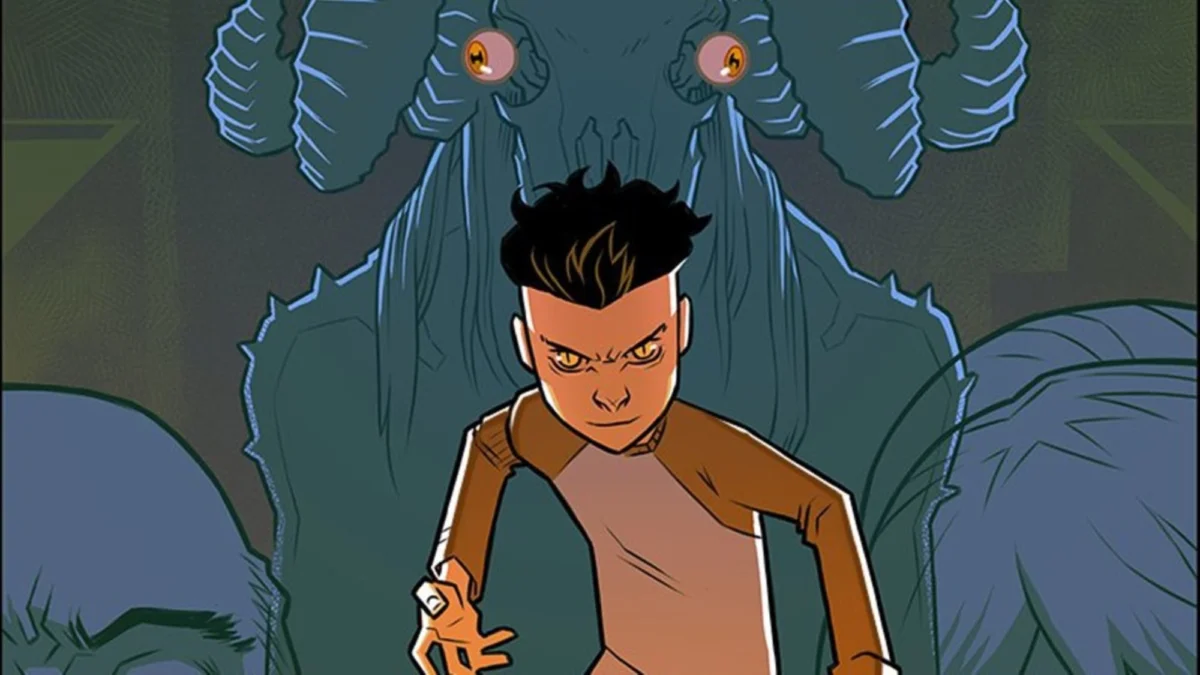
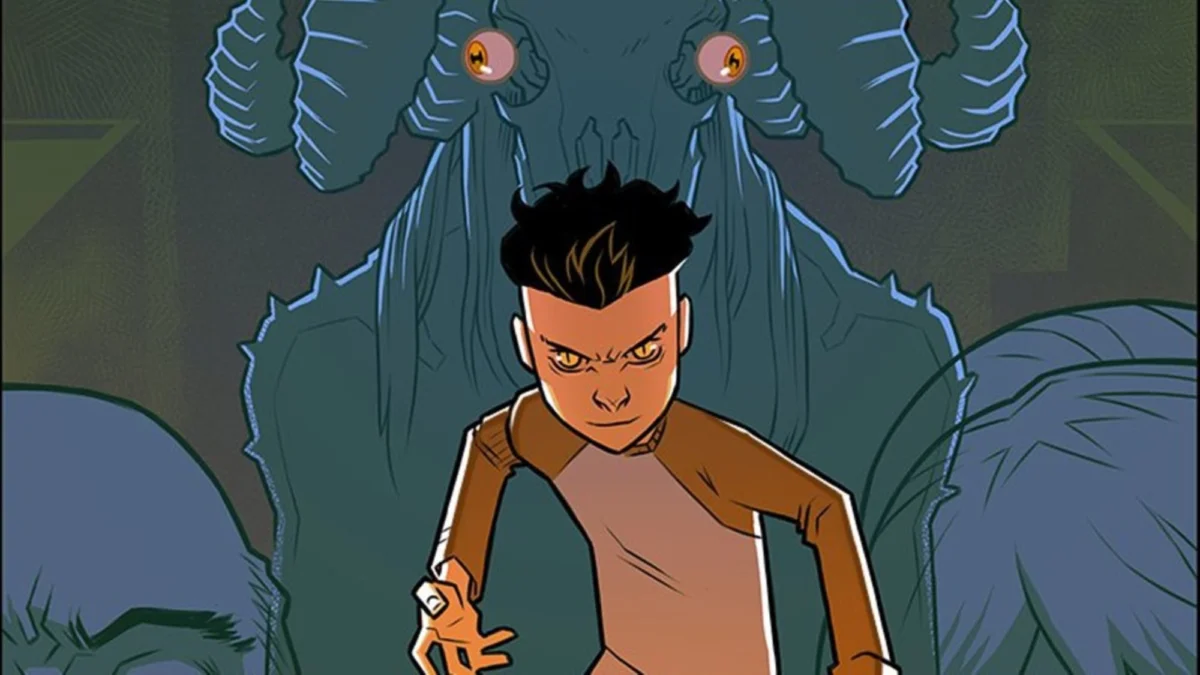
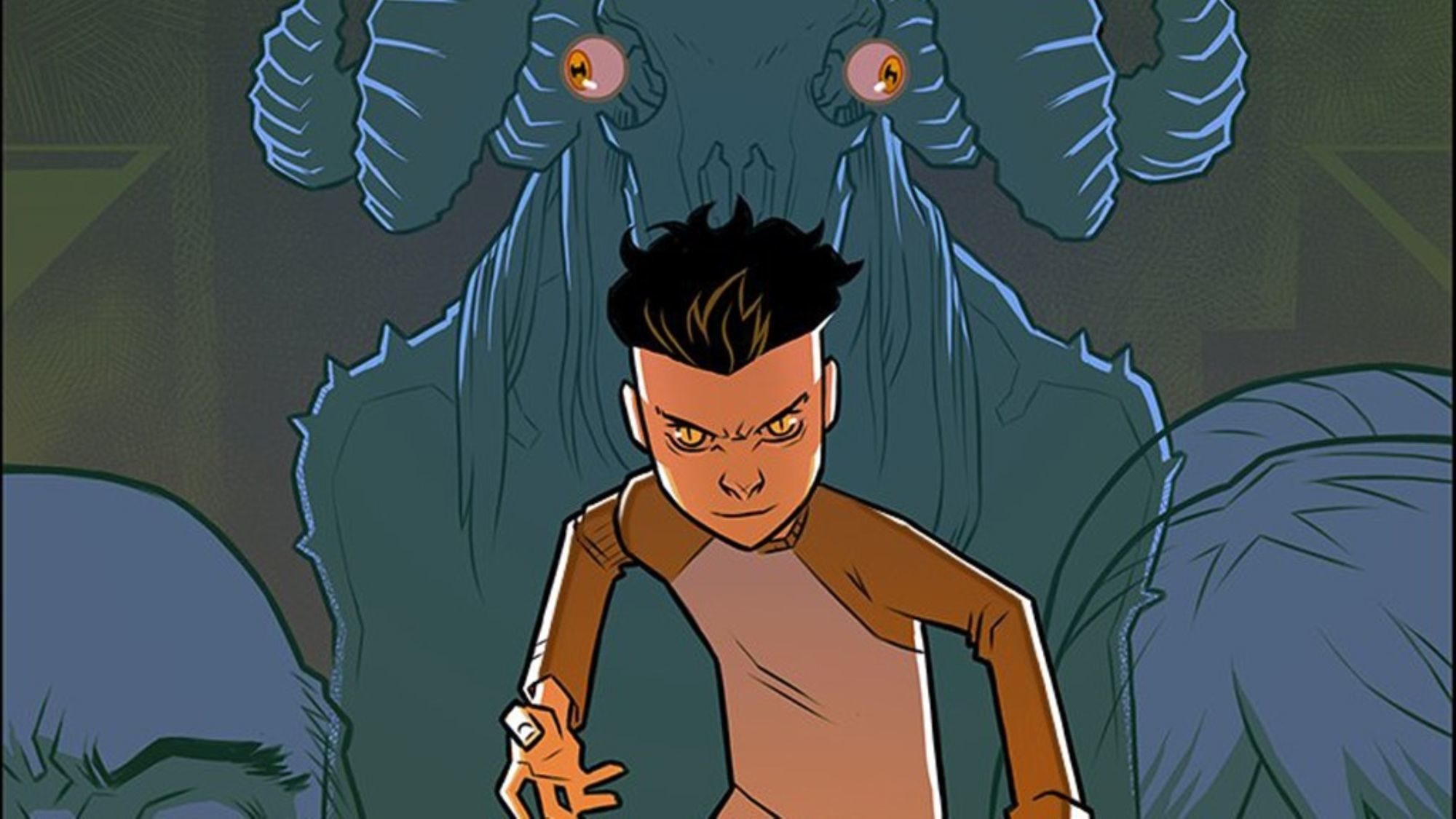
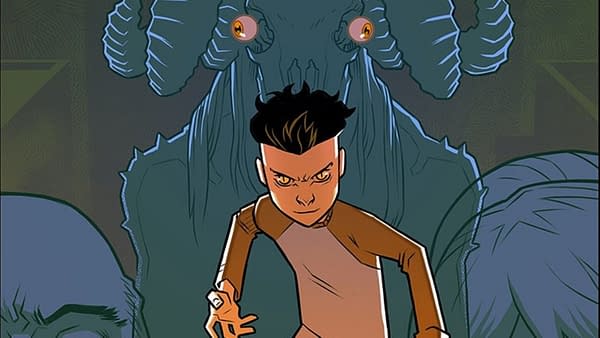
Jordan’s work on Urban Animal—the story of Joe Gomez, a high schooler who transforms into a Chimera—is more than just a popular webcomic; it is proof of concept. It demonstrates that when quality storytelling meets the reach of a global digital platform, the audience is there, and they are willing to pay for the privilege of early access and physical keepsakes.
As the industry continues to evolve, the distinction between "webcomic" and "comic book" will continue to blur. If Urban Animal is any indication, the future of the medium is bright, expansive, and—most importantly—digital. For those who have yet to catch up, the series stands as a testament to what is possible when creators are given the freedom to build their own audiences on their own terms.