Nana Wu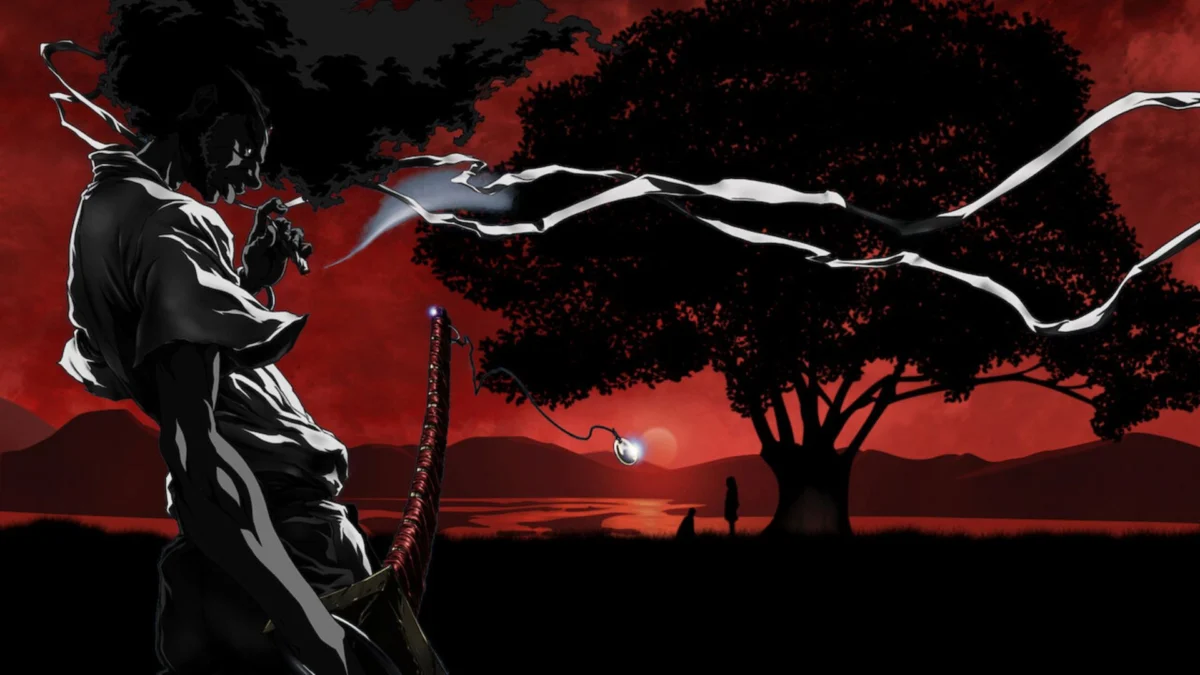
For decades, the cultural intersection of hip-hop and Japanese animation has been defined by a select few visionary architects. At the forefront of this movement is Robert Fitzgerald Diggs, better known to the world as RZA, the mastermind behind the Wu-Tang Clan. From his cinematic production style to his deep-seated love for martial arts cinema, RZA has long bridged the gap between the gritty streets of Staten Island and the stylized, high-stakes narratives of Tokyo.
However, in a recent interview conducted ahead of the 10th annual Crunchyroll Anime Awards, RZA offered a sharp, uncompromising critique of the current state of Western entertainment, contrasting it unfavorably against the vibrant, relentless innovation found within the Japanese animation industry.
The "Cookie-Cutter" Crisis in Western Media
RZA’s assessment of modern Hollywood is as blunt as a Shaolin sword strike. In his view, the American entertainment machine has succumbed to the pressures of corporate homogenization.
"Hollywood has made it into cookie cutters," RZA explained to GamesRadar+. "Hollywood waffle comes in a frozen box now."
This metaphor suggests a profound stagnation in the creative process. By relying on established formulas, focus-tested sequels, and risk-averse intellectual property management, RZA argues that major studios have stripped the "soul" out of storytelling. The result is a consumer experience that feels pre-packaged and flavorless—the "frozen waffle" of the cultural landscape.
In contrast, RZA views anime as an antidote to this malaise. "Anime is like getting it fresh," he noted. "You know what it’s going to be—and that’s [using the] mind and entertainment. You want to be stimulated." For the veteran producer, anime represents a rare corner of the media landscape where the primary directive is artistic expression rather than mere quarterly profit growth.
A Tale of Two Cities: Creativity vs. Commerce
Perhaps the most poignant observation made by the artist involves the physical geography of creativity. RZA draws a stark distinction between the professional atmospheres he has witnessed in Tokyo and the bustling business districts of his native New York City.
"I’m fascinated when you come to a city like Tokyo, and you go into some of these buildings," RZA said. "Inside these buildings are anime studios where every floor [has] young people crafting their work."
He juxtaposes this with the reality of American urban centers, where high-rise architecture is often synonymous with financial speculation. "Whereas I’m from New York, and you go into the buildings, and every floor, someone is doing business or stock or moving money or moving different types of commerce."
This cultural observation highlights a fundamental difference in priorities. While Japan’s infrastructure often sustains a massive ecosystem of animators, illustrators, and storytellers working in collaborative creative hubs, the American model is frequently dominated by the pursuit of capital. To RZA, this shift in focus explains why Japan has managed to maintain a "fresh" output while Hollywood remains trapped in a cycle of recycling the same successful, yet ultimately formulaic, stories.
The Afro Samurai Legacy: A Blueprint for Collaboration
RZA’s perspective is not that of an outsider looking in; he is an active participant in the industry who has helped push the boundaries of cross-cultural collaboration. His most notable contribution to the medium remains his work on Afro Samurai.
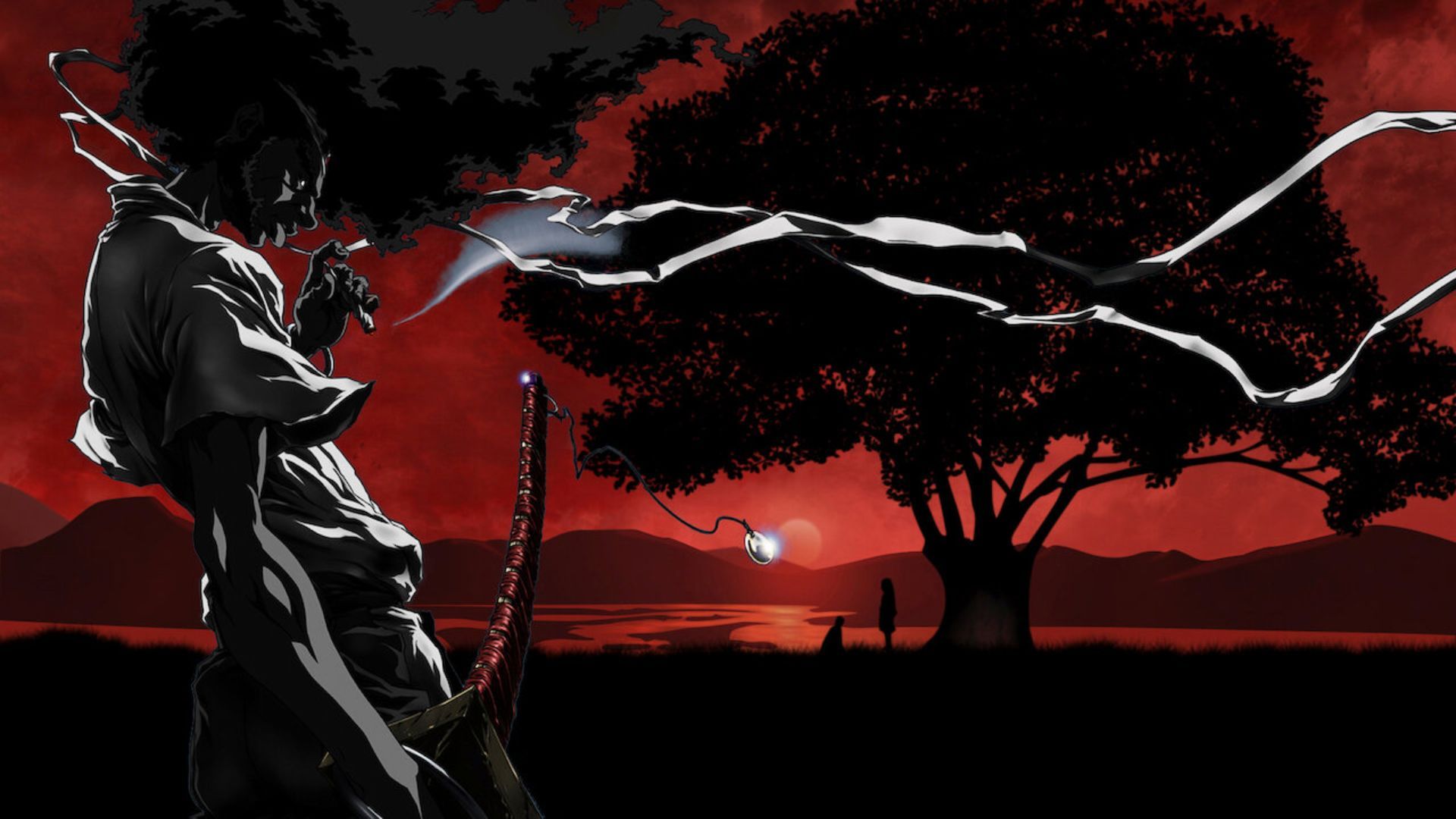
Released in 2007, Afro Samurai was a watershed moment for Western-Japanese animation co-production. Based on the manga by Takashi Okazaki and starring the inimitable Samuel L. Jackson, the series followed a ronin’s quest for vengeance in a futuristic, feudal Japan.
The project was more than just an adaptation; it was an aesthetic milestone. RZA’s soundtrack, which seamlessly blended lo-fi hip-hop beats with traditional Japanese instrumentation, became just as iconic as the show’s brutal, high-octane fight choreography. The series proved that Western audiences were not just interested in "dubbed" anime, but were hungry for original, mature narratives that respected the traditions of the medium while injecting fresh, global sensibilities.
Afro Samurai remains a masterclass in how to avoid the "cookie-cutter" trap. By blending the stylistic influences of blaxploitation cinema with the mythic weight of the samurai archetype, the show became a cult classic that paved the way for the mainstream explosion of anime in the West today.
Chronology: The Evolution of a Cultural Phenomenon
To understand RZA’s current critique, it is essential to look at the timeline of anime’s rise in the West:
- The 1980s & 90s (The Cult Era): Titles like Akira, Ghost in the Shell, and Neon Genesis Evangelion began to circulate through underground tape-trading networks, establishing a dedicated, niche fanbase.
- The Early 2000s (The Breakthrough): The success of Pokémon, Dragon Ball Z, and Sailor Moon brought anime into the mainstream consciousness, though often sanitized for younger audiences.
- 2007 (The Afro Samurai Pivot): RZA’s involvement marked a shift toward "prestige" anime, signaling that the medium could be dark, sophisticated, and culturally diverse.
- The 2010s (The Digital Revolution): Platforms like Netflix and Crunchyroll began licensing and producing original content, democratizing access to anime worldwide.
- 2026 (The Current Zenith): The 10th Crunchyroll Anime Awards reflect a global industry that now rivals Hollywood in both scale and cultural influence, with "anime-style" storytelling becoming the dominant language of youth culture.
Implications for the Future of Entertainment
RZA’s comments arrive at a critical juncture for the entertainment industry. As AI-generated content and "content farming" become increasingly prevalent, the human element of animation—the "young people crafting their work" that RZA witnessed in Tokyo—becomes a unique value proposition.
If Hollywood continues to follow the path of least resistance, it risks losing the very demographic that is currently flocking to anime. The shift in audience attention is not merely a trend; it is a migration toward a medium that, despite its own industrial pressures, continues to prioritize visual innovation, thematic depth, and emotional resonance.
The implication for creators is clear: audiences are growing tired of the "frozen waffle." They are seeking the craftsmanship that RZA champions—the deliberate, hand-crafted, and conceptually bold narratives that define the best of modern anime.
A Call for Authenticity
RZA’s stance is a rallying cry for authenticity. Whether he is producing a record or discussing the merits of a series like Jujutsu Kaisen or Chainsaw Man, his message remains consistent: the value of art lies in the effort, the passion, and the refusal to succumb to the "cycle" of commodification.
As we look toward the future, the influence of figures like RZA—who have spent their careers studying and contributing to the art of storytelling—will be vital in keeping the creative spirit alive. While Hollywood continues to search for its next big franchise, perhaps the industry should look closer at the studios in Tokyo, where every floor is a testament to the fact that when you prioritize the craft over the commerce, the commerce eventually follows.
In the words of the Wu-Tang legend himself, the industry doesn’t need more "frozen" ideas. It needs to get back to the kitchen, pick up the pen, and start cooking something fresh.

 Nila Kartika Wati
 Ali Ikhwan