Lina Hope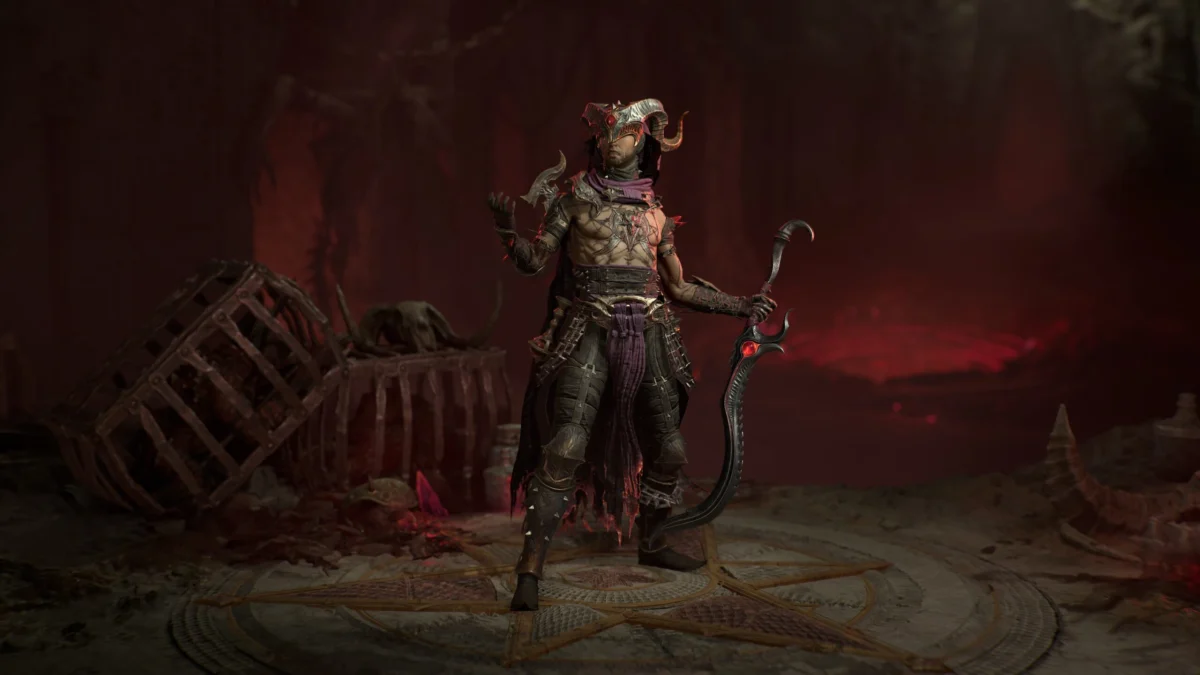
The dark, gothic landscape of Sanctuary is about to become significantly more volatile. In a highly anticipated Developer Update, Blizzard Entertainment has finally pulled back the curtain on the Warlock, the second of two major classes arriving with the Lord of Hatred expansion for Diablo IV. While the Paladin—the expansion’s stalwart champion of light—was made available to early purchasers months ago, the Warlock has remained a subject of intense speculation and shadowy whispers until this week’s comprehensive gameplay showcase.
Positioned as the antithesis to the Paladin’s rigid morality, the Warlock represents a pragmatic, often ruthless approach to the ongoing war against the Burning Hells. By wielding forbidden arts and turning the powers of darkness against their source, the Warlock promises to reshape the meta-game for veteran players and newcomers alike.
Main Facts: The Nature of the Forbidden Arts
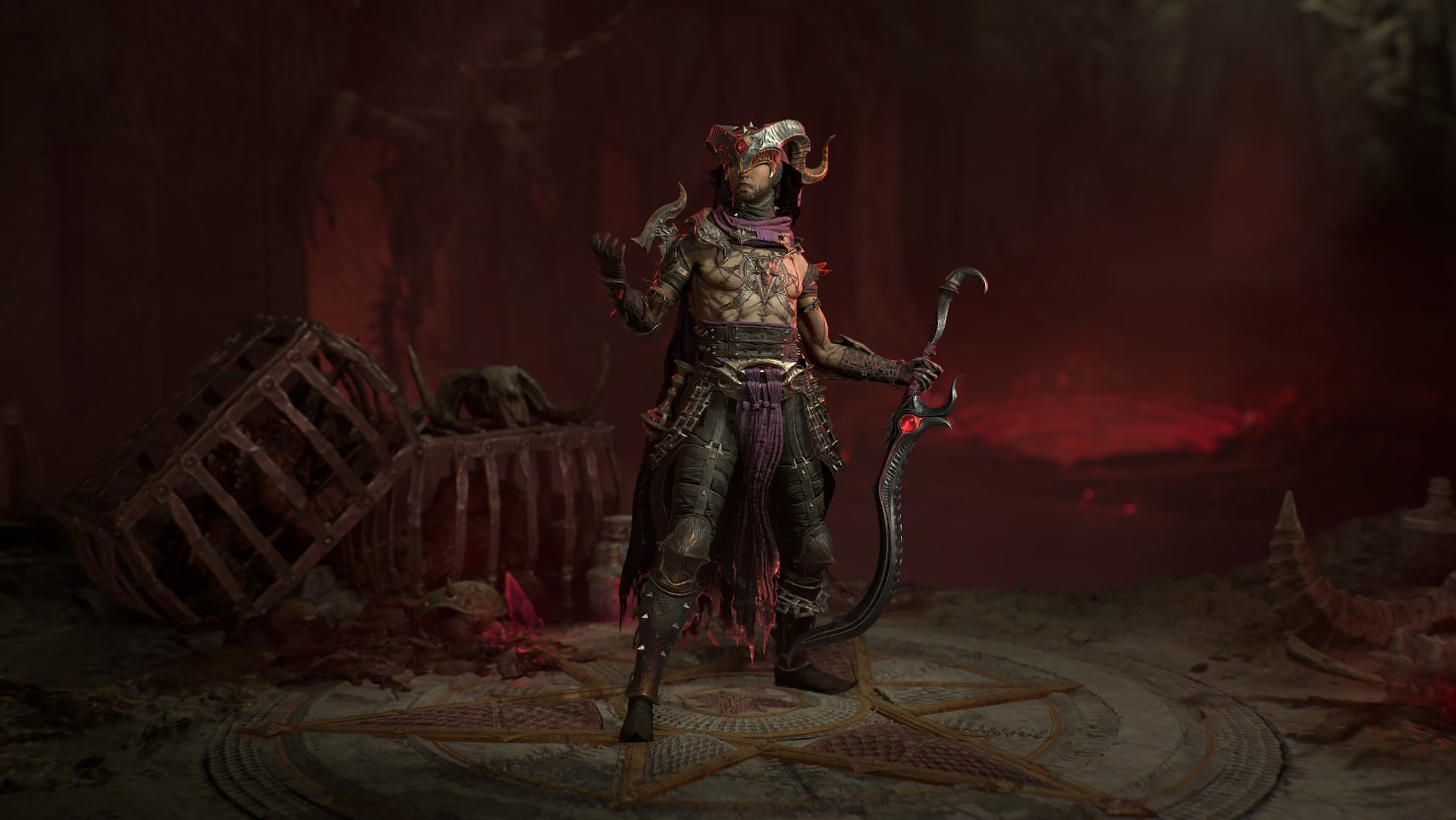
At its core, the Warlock is a complex, high-skill-ceiling hybrid class that masterfully blends traditional pet-management mechanics with high-impact, shadow-based spellcasting. Unlike the Necromancer, which relies on the reanimation of the dead, or the Sorcerer, which draws from elemental currents, the Warlock’s power is derived from the corruption of the Hells themselves.
The Dual-Resource System
The most significant departure from existing Diablo IV classes is the Warlock’s reliance on two distinct resource pools: Wrath and Dominance.
- Wrath: This serves as the primary fuel for the Warlock’s active spellcasting abilities, functioning similarly to Mana or Fury. It is consumed when the player casts shadow-based offensive spells.
- Dominance: This is a more specialized, strategic resource. Dominance is required to summon, sustain, and command the demons that serve as the class’s primary minions. Managing the tension between spending Wrath for damage and saving Dominance for tactical summons will be the hallmark of a skilled player.
Chronology: A Long Road to Revelation
The journey to this reveal has been a calculated campaign by Blizzard to build anticipation for the Lord of Hatred expansion.
- Initial Announcement: During the initial Lord of Hatred reveal, Blizzard confirmed two new classes. The Paladin was immediately highlighted to incentivize pre-orders, providing players with a familiar, high-defense archetype to look forward to.
- The Silent Period: For months, the Warlock remained a "phantom" class. While rumors persisted on community forums, the development team kept the specific mechanics under wraps, allowing the Paladin to dominate the narrative.
- The February Reveal: In February, Blizzard officially confirmed the Warlock’s name and aesthetic, providing the first glimpses of its dark, ritualistic design.
- The Developer Update (Current): The most recent broadcast provided the first real-time gameplay footage, detailing the four distinct archetypes and the Soul Shard system, finally moving the class from theory to reality.
Supporting Data: The Four Paths of the Warlock
Upon reaching level 30, players unlock the core class mechanic: the Soul Shard System. By fusing shards into their bodies, Warlocks gain access to specific power paths. This is a critical turning point in the leveling experience, as it allows players to specialize into one of four distinct archetypes:
1. The Legions
The Legion archetype is designed for players who favor the "horde" playstyle. These Warlocks focus on passive and active buffs that enhance the survivability and damage output of a swarm of smaller, lesser demons. It is the most accessible path for those who prefer to let their minions do the heavy lifting.
2. The Vanguards
For players who prefer a more aggressive, front-line approach, the Vanguard acts as a "Battle-Mage." These Warlocks utilize shadow-infused melee strikes and close-range area-of-effect spells. They are significantly tankier than other archetypes, capable of weaving in and out of melee range to deal damage while maintaining defensive shadow shields.

3. The Masterminds
The Mastermind is the class’s most cerebral archetype. Utilizing "Shadowcraft," these players focus on debuffs, damage-over-time (DoT) effects, and crowd control. They excel at "draining" enemies, slowly stripping away health and armor while maintaining a safe distance.
4. The Ritualists
The Ritualist is the ultimate "summoner" archetype, specializing in high-cost, high-reward summoning. Unlike the Legion, which manages many, the Ritualist summons singular, powerful manifestations of Hell’s elite demons. These summons require significant Dominance management but can shift the tide of a boss fight in seconds.
Official Responses and Design Philosophy
During the Developer Update, the team at Blizzard emphasized that the Warlock was created to answer a long-standing player request: a class that isn’t afraid to "get their hands dirty."
"We wanted the Warlock to feel like a character who understands the Hells better than anyone else," said a lead designer during the stream. "They aren’t heroes in the traditional sense; they are survivors who have learned to steal the fire from the pit to burn the demons back. The Paladin is the shield of Sanctuary, but the Warlock is the scalpel—sharp, dangerous, and sometimes volatile."

The team also confirmed that the Warlock will launch with a suite of new Unique items designed specifically to synergize with the Soul Shard system. Much like the Spiritborn’s integration of Spirit Guardians, these Uniques will allow for "build-defining" moments, where the right gear could fundamentally change how a Warlock manages their Wrath and Dominance.
Implications: Changing the Meta
The addition of the Warlock is poised to disrupt the current Diablo IV end-game meta. With the expansion launching on April 28, the community is already debating how the class will perform in high-tier Nightmare Dungeons and the endgame boss gauntlets.
A Shift in Party Dynamics
The inclusion of a dedicated pet-based caster could alter group compositions. Where the Necromancer’s summons have historically been seen as situational, the Warlock’s dependency on Dominance and its ability to act as a hybrid damage-dealer suggests that high-level groups may soon require a "Mastermind" or "Legion" Warlock to handle crowd control and sustained pressure.
The Balancing Act
The primary challenge for Blizzard will be balancing the Warlock’s resource management. If Wrath and Dominance are too easy to maintain, the Warlock could become overpowered in prolonged encounters. Conversely, if the costs are too high, the class may feel sluggish. The inclusion of new Uniques, however, suggests that Blizzard intends to allow players to "break" the resource economy through specific, high-level gear combinations.

Bridging the Gap
With the Season of Slaughter arriving next week, players have a perfect window to get back into the swing of combat. This interim period is vital, as it allows players to prepare for the massive influx of content arriving in April. The Lord of Hatred expansion is not merely adding a class; it is fundamentally altering the player’s relationship with the dark forces of the game.
As April 28 approaches, the anticipation is palpable. Whether you choose to walk the path of the pious Paladin or descend into the dark, ritualistic power of the Warlock, the next chapter of Diablo IV promises to be the most intense yet. The Warlock is not just a new class; it is a testament to the idea that sometimes, to defeat the darkness, one must first learn to wield it.


 Asro
Asro
 Muslim