Pevita Pearce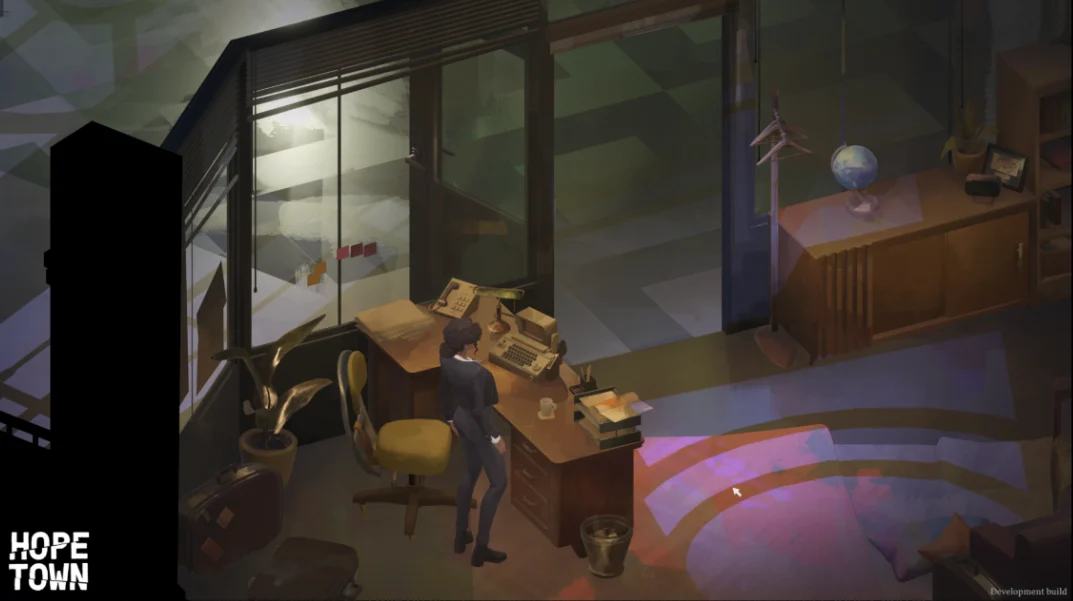
The landscape of narrative-driven RPGs is bracing for a seismic shift. Longdue Games, a studio comprised of veteran talent—including key contributors from the cult-classic masterpiece Disco Elysium—has finally pulled back the curtain on its ambitious project, Hopetown. Moving beyond the speculative phase of pre-production, the studio has officially entered full-scale development, signaling a significant expansion in both scope and team size. With the release of the game’s first in-game screenshots and a clearer vision of its core mechanics, Hopetown is positioning itself as the next evolution in choice-based storytelling.
The Core Concept: Reporting from the Edge of Entre
Hopetown transports players to the fictional, atmospheric island of Entre, a locale defined by its volatile political climate and deep-seated social fissures. Unlike traditional RPGs that prioritize combat or dungeon crawling, Hopetown places the player squarely in the shoes of a journalist. The objective is not to save the world with a sword, but to navigate the labyrinthine pressures of a newsroom known as "The Newshouse."
The game’s primary conceit is the act of journalism itself. Players must manage their professional integrity against the demands of editors, the influence of powerful factions, and the broader, often messy, truth of the island’s residents. According to developers at Longdue Games, the writing process is not merely a background task; it is the fundamental mechanic through which the player interacts with the world.
A Chronology of Development: From Humble Origins to Full-Scale Production
The story of Hopetown is one of rapid, calculated growth. When the studio first coalesced, it was a modest operation—a trio of part-time developers working to refine a concept they believed could redefine the genre. This "incubation period" was crucial, as it allowed the team to experiment with the complex dialogue trees and world-building requirements necessary to make a journalism-based RPG feel authentic.

As the vision for Hopetown solidified, the studio successfully transitioned from a boutique experimental outfit to a more robust production house. Longdue Games recently confirmed that the team has expanded significantly, now boasting nearly 20 full-time creatives. This influx of talent suggests a high degree of confidence in the project’s viability and market potential. The transition from pre-production to active development marks a major milestone, shifting the focus from conceptual prototypes to the creation of the final, polished assets players see in the newly unveiled screenshots.
The Aesthetic and Narrative Architecture
The visual identity of Hopetown is one of its most striking features. The newly released screenshots reveal a painterly, textured aesthetic that evokes the melancholic beauty often associated with high-end narrative indies. The environment of Entre appears grounded in a recognizable urban realism, yet it is infused with a distinct, artistic malaise that suggests a world struggling with its own identity.
The Role of The Newshouse
Central to the player’s experience is the "Newshouse," the institutional anchor of the game. It is here that the player’s work is synthesized, edited, and ultimately published. Concept art shared by the studio highlights the presence of "The Editor," a recurring character who serves as both a mentor and a gatekeeper. This dynamic implies a complex relationship system; players must decide whether to adhere to the editorial standards of their workplace, cater to the public appetite for sensationalism, or push back against censorship to uncover the deeper truth.
Dynamic Narrative Systems
The studio emphasizes that the "journalism system" is the engine of the game. Every article written by the player acts as a catalyst for change within the world. If you choose to publish a scathing exposé on a local official, you may find that official’s influence wanes in later chapters—or that you’ve made a dangerous enemy. The world of Hopetown is designed to be reactive, with the story unfolding through a combination of player dialogue and the literal text generated within the game. This creates a recursive loop: you investigate the world, you report on the world, and then the world changes in response to your reporting.

Supporting Data: Why "Roleplaying as a Writer" Matters
The gaming industry has seen a resurgence of interest in "literary" RPGs. Following the massive success of titles like Disco Elysium and Citizen Sleeper, there is a clear appetite for games that prioritize internal monologue, political theory, and the nuances of human interaction over kinetic action.
Longdue Games is betting on the idea that the player wants to experience the process of thought. By positioning the player as a journalist, the studio effectively gamifies the scientific method and investigative rigor. The "data" of the game is not just health points or experience bars; it is the information gathered, the leads followed, and the moral weight of the words committed to print.
While many RPGs ask players to roleplay as soldiers, mages, or thieves, Hopetown asks for something more vulnerable: the role of an observer. The studio’s commitment to this premise—that the pen is truly mightier than the sword—is what sets Hopetown apart from its peers. The mechanics aren’t designed to facilitate winning a fight, but to facilitate the creation of a narrative that the player can stand behind.
Official Responses and Studio Philosophy
While Longdue Games has been relatively quiet regarding a specific release window, the studio has been transparent about its commitment to quality. By taking the time to scale the team, the developers are signaling that they are not interested in a rushed launch.

In statements regarding the project’s development, the team has underscored the importance of the "player-driven dialogue." In Hopetown, dialogue is not just a way to unlock information; it is a way to construct one’s own identity. The player’s voice—as expressed through their articles—defines who they are to the people of Entre. Whether you choose to be an uncompromising seeker of truth or a pragmatic careerist, the game’s systems are built to acknowledge and react to those choices.
Implications for the RPG Genre
The development of Hopetown has significant implications for the future of the genre.
- The Professional RPG: Hopetown represents a move toward "professional" roleplaying, where the player is defined by their job and the ethical implications thereof. This is a departure from the "chosen one" trope, grounding the narrative in the relatable, albeit high-stakes, environment of a workplace.
- Narrative as Mechanics: By making the act of writing a core mechanic, Longdue Games is challenging the industry standard of narrative-as-exposition. In this game, the narrative is a tool, not just a delivery method.
- The Legacy of Modern Classics: The influence of the Disco Elysium lineage is undeniable. The focus on political tension, social conflict, and highly detailed, painterly art styles suggests that Hopetown will likely appeal to the same demographic of players who value deep, philosophical writing.
Looking Ahead
As Hopetown moves through its active development phase, all eyes will be on how the studio balances its ambitious narrative systems with the realities of gameplay pacing. The ability to write articles that genuinely shift the course of the game is a tall order, but if Longdue Games succeeds, it could set a new benchmark for what is possible in the genre.
For those eager to follow the progress of this promising title, the studio has confirmed that Hopetown is currently available for wishlisting on Steam. While the release date remains a mystery, the clarity of the studio’s vision provides plenty of reason for optimism.

In a gaming landscape often cluttered with high-octane spectacle, Hopetown offers a rare, intellectual retreat. It promises a world where the most important battles are won with an ink-stained finger, where every headline has a consequence, and where the truth is the most elusive—and valuable—commodity of all. Whether you are a fan of political intrigue, character-driven storytelling, or the specific charm of the "Newshouse" atmosphere, Hopetown is undoubtedly one of the most intriguing projects currently in production.


 Sagoh
Sagoh
 Ammar Sabilarrohman