

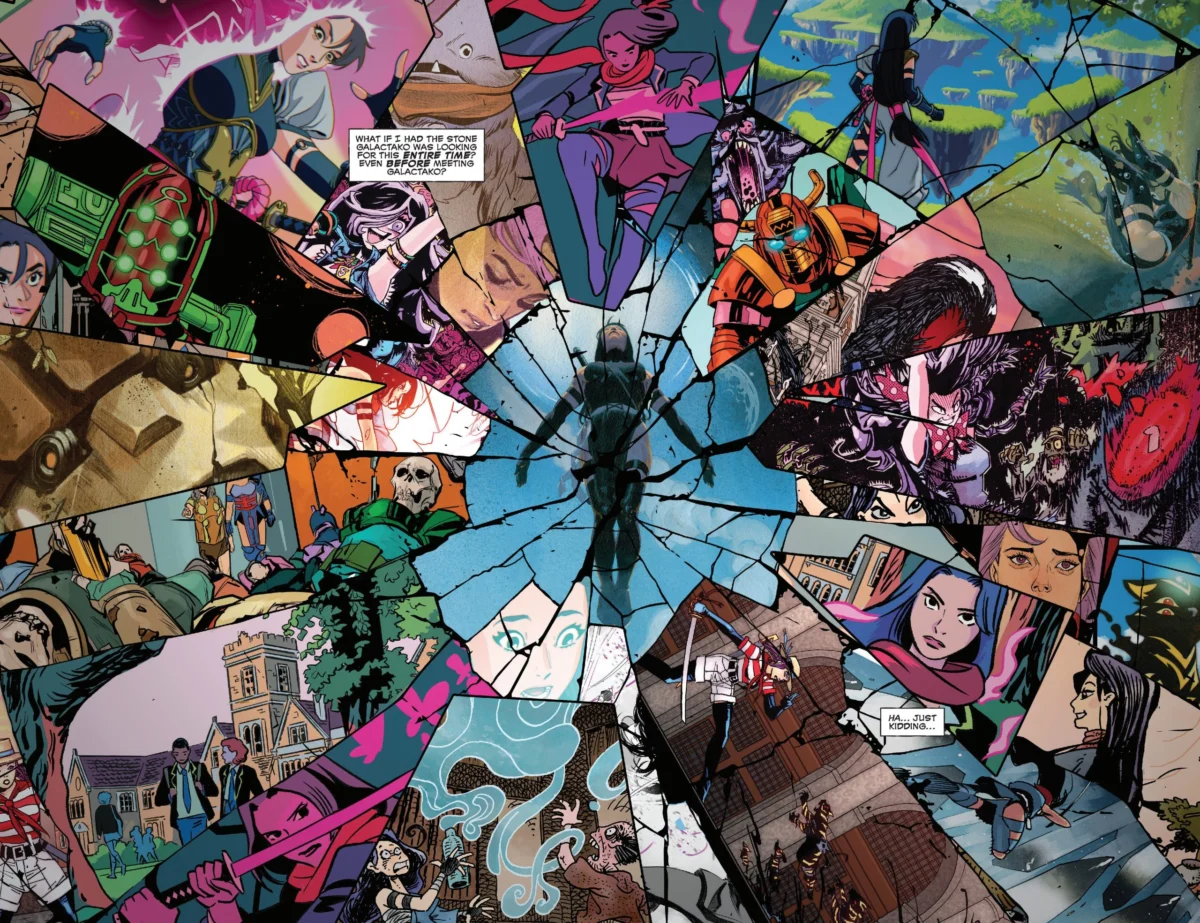
In the landscape of modern graphic storytelling, high-concept mashups often run the risk of prioritizing shock value over substance. However, the latest release from IDW Dark, Operation: Iron Coffin, has arrived to challenge that trend, offering a visceral, genre-bending experience that fuses historical military fiction with gothic horror. To celebrate the launch of this breakout series, the latest installment of the AIPT Comics Podcast (Episode 380) features an in-depth conversation with the creative minds behind the madness: writer Kenny Porter and artist Tyrell Cannon.
Main Facts: The Premise of the Iron Coffin
Operation: Iron Coffin presents a premise so audacious it feels tailor-made for the medium of comic books: Count Dracula is unleashed upon a Nazi war train. Far from a simple "monster vs. soldiers" romp, the series is framed as a brutal gauntlet of occult science and supernatural carnage.
Porter and Cannon describe the narrative not as a mindless action sequence, but as a character-driven struggle. The story follows Dracula’s internal conflict—his own predatory nature clashing with the chaotic, industrialized evil of the Third Reich. By placing the legendary vampire in a confined, claustrophobic environment—a moving train—the creators have forced a dynamic shift in traditional fight choreography. The train acts as both a vehicle of destruction and a pressure cooker, where the proximity to the enemy turns every panel into a high-stakes tactical puzzle.

Chronology: From Concept to Combat
The development of Operation: Iron Coffin was a multi-year labor of love that required a meticulous balance of historical research and creative liberty.
- Conceptualization (Early 2025): Porter and Cannon began discussing the fusion of "grindhouse" aesthetics with the classic Dracula mythos. They sought to move away from the gothic romanticism often associated with the character, leaning instead into the visceral, gritty reality of the mid-20th century.
- Visual Development (Mid-2025): Cannon’s art style, which draws heavily from modern anime influences, was essential in establishing the kinetic energy of the series. The team focused on "visual rhythm," ensuring that the transition from quiet, brooding character moments to explosive combat felt seamless.
- Production (Late 2025 – Early 2026): As the script solidified, the integration of occult science—the "Iron Coffin" elements—became central to the plot. The creative team spent months refining the lore surrounding the train, treating it almost as a sentient, monstrous character in its own right.
- The Reveal (May 2026): The official launch of the series hit shelves to immediate critical buzz, leading directly into the featured spotlight on the AIPT Comics Podcast.
Supporting Data: The Anatomy of a Modern Hit
The success of Operation: Iron Coffin can be attributed to the deliberate synthesis of several high-demand genres. According to the creators, the "hook" relies on three core pillars:
- The Grindhouse Aesthetic: The series utilizes a hyper-violent, stylized approach to action, reminiscent of 1970s exploitation cinema. This provides a stark contrast to the historical weight of the Nazi setting.
- Anime-Inspired Choreography: Tyrell Cannon noted that the fight sequences are designed with a specific focus on weight and momentum. By borrowing techniques from high-octane action anime, the panels feel less like static images and more like a captured frame of motion.
- Occult Science: The "science" of the book is grounded in the bizarre, often overlooked occult obsessions of the Nazi leadership during WWII. By anchoring the fantasy in historical paranoia, the stakes feel significantly higher.
Official Responses: Insights from the Creative Team
During the AIPT interview, Kenny Porter emphasized the importance of Dracula’s humanity—or lack thereof—in the series. "We didn’t want him to be a hero in the traditional sense," Porter noted. "He is a predator. The Nazis are a different kind of predator. The story is about the friction between those two forces."

Tyrell Cannon added that the most challenging aspect was the confined setting of the train. "You have to be very creative with perspective when your characters are trapped in a narrow corridor or a cargo car. You can’t just rely on wide, sweeping vistas. You have to use the environment, the steam, the machinery, and the blood to tell the story of the fight."
The duo also touched upon the emotional core of the series, hinting that as the train moves toward its destination, the secrets hidden in the "Iron Coffin" will test Dracula’s resolve in ways that physical combat cannot.
Implications: The Future of IDW Dark
The reception of Operation: Iron Coffin signals a potential shift for IDW’s "Dark" imprint, suggesting a growing market appetite for high-concept, genre-bending horror. By successfully bridging the gap between historical drama and supernatural action, the creative team has opened doors for more ambitious, character-focused horror titles.

Furthermore, the podcast highlighted the wider industry landscape. With segments breaking down major announcements from Marvel and DC, the episode underscored that even in a week dominated by titans of the industry, a focused, creator-owned title like Operation: Iron Coffin can command the conversation.
A Roundup of the Week in Comics
In addition to the deep dive into Operation: Iron Coffin, the AIPT hosts provided their usual weekly roundup, highlighting the following standouts:
- Standout KAPOW Moment: The hosts were particularly impressed by Bernard Chang’s work on Sorcerer Supreme #6, citing the visual ingenuity as a highlight of the current Marvel output.
- Independent Excellence: Dave highlighted Sai: Dimensional Rivals #5, noting that the collaborative efforts of Peach Momoko and others are pushing the boundaries of what indie comics can achieve in terms of aesthetic presentation.
- Judging by the Cover: The "Judging by the Cover" segment featured a spirited debate over the best cover art of the week. Dave lauded the evocative nature of Werther Dell’Edera’s variant for Absolute Martian Manhunter #12, while Alex championed the vibrant, character-centric design by Luciano Vecchio for Wiccan & Hulkling: Raid of Ultron #1.
Conclusion: Why You Should Read It
Operation: Iron Coffin is more than just a title that sounds cool on a podcast episode; it is a testament to the power of a singular, well-executed idea. By taking the most iconic monster in literature and dropping him into the heart of the 20th century’s darkest chapter, Porter and Cannon have crafted a story that is as thoughtful as it is violent.

For those looking to understand the mechanics of how a modern comic book is built—from the initial "what if" scenario to the final inked page—the latest episode of the AIPT Comics Podcast is essential listening. Whether you are a fan of horror, history, or high-octane action, Operation: Iron Coffin is setting the pace for what looks to be an incredibly creative year in the comic book industry.
Listeners can catch the full interview and the complete breakdown of the week’s news on Apple Podcasts, Spotify, and Amazon Music.









No comments yet. Be the first to join the conversation!