

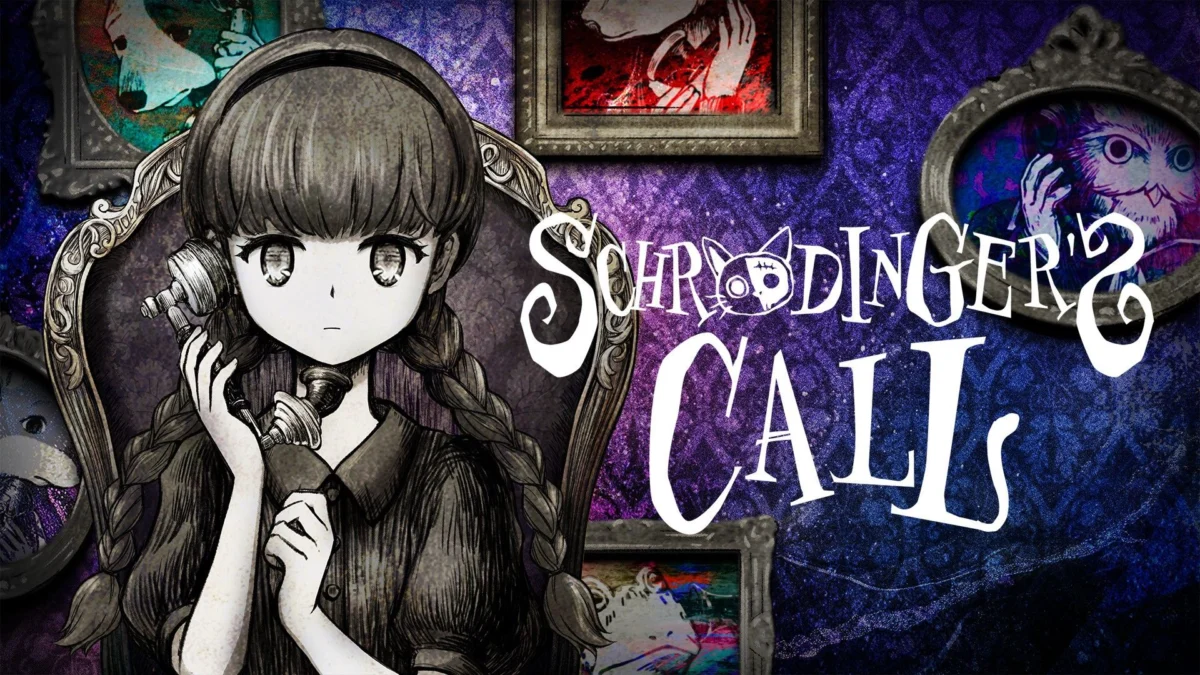
In the landscape of modern narrative gaming, few titles dare to explore the intersection of existential dread and intimate human connection with the same somber grace as Schrödinger’s Call. Published by the ever-adventurous Shueisha Games and developed by the Japanese indie studio Acrobatic Chirimenjako, this narrative-driven adventure invites players into a surreal, monochrome world where the end of the world is not an action-movie spectacle, but a quiet, agonizing wait for the inevitable.
As of its release on May 27, 2026, for PC, Schrödinger’s Call has begun to carve out a niche for itself as a profound meditation on loss, regret, and the necessity of closure. By placing players in the role of "The World’s Last Confidant," the game asks a haunting question: If you were the last person left to listen, could you help the world’s souls find peace before the lights go out?
The Premise: The World’s Last Confidant
The narrative centers on a young girl named Mary. Set against the backdrop of a world-ending event—the moon descending upon the Earth—Mary finds herself in a liminal space. She is the final point of contact for lost spirits, individuals who are trapped in the purgatorial moments before their final departure.
The game functions primarily as a visual novel with subtle point-and-click elements. Mary’s primary tool is a telephone, a device that serves as the bridge between the living and the fading. Her task is deceptively simple but emotionally taxing: she must receive calls from spirits, learn the details of their fractured, tragic memories, and guide them toward a sense of resolution.

Unlike many titles that treat "choice" as a branching mechanic for different endings, Schrödinger’s Call utilizes choice as a tool for empathy. The narrative is largely fixed in its tragic trajectory, but the player’s agency lies in how they interact with the callers. By uncovering keywords and piecing together the broken fragments of a spirit’s past, Mary isn’t just "solving a puzzle"—she is performing the role of a confidant, offering validation to those who have lost their sense of self.
Chronology of Development and Release
The project, spearheaded by the visionaries at Acrobatic Chirimenjako, spent several years in development before its mid-2026 debut. Shueisha Games, known for their portfolio of high-concept, narrative-heavy Japanese indie titles, recognized the potential in the studio’s unique visual style and somber themes early on.
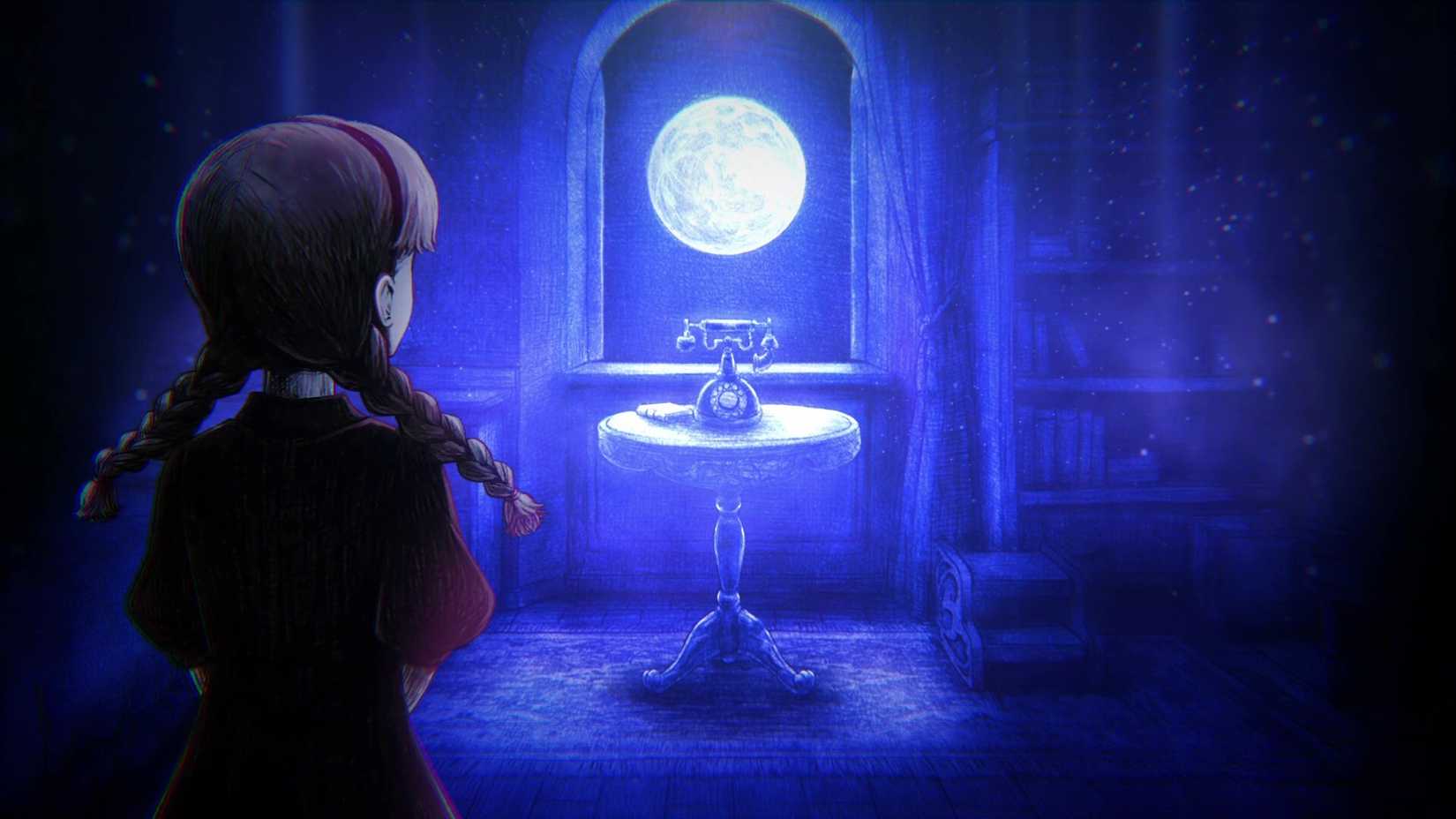
- Initial Concept: The core idea of "a final phone call at the end of the world" was designed to evoke a sense of intimacy rarely found in large-scale titles.
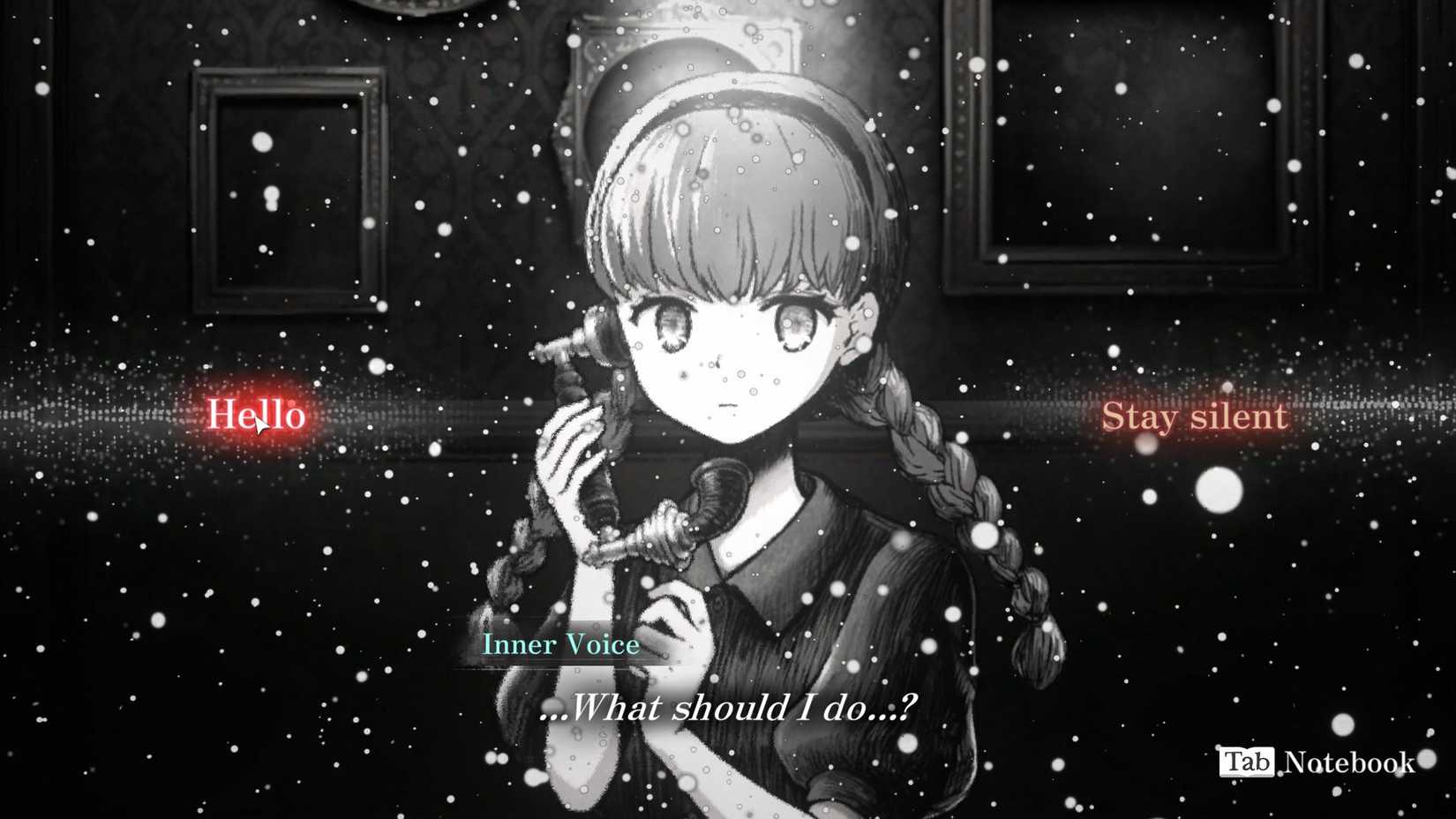
- Artistic Direction: The decision to utilize a strict black-and-white color palette was made to focus player attention on the character designs and the "picture-book" quality of the UI.
- Public Unveiling: Following a series of teasers throughout early 2026, the game saw a concentrated marketing push highlighting its emotional resonance.
- Release: The title officially launched on PC platforms on May 27, 2026, receiving attention for its distinct departure from the colorful, high-energy aesthetic common in many contemporary indie games.
Visual and Auditory Atmosphere
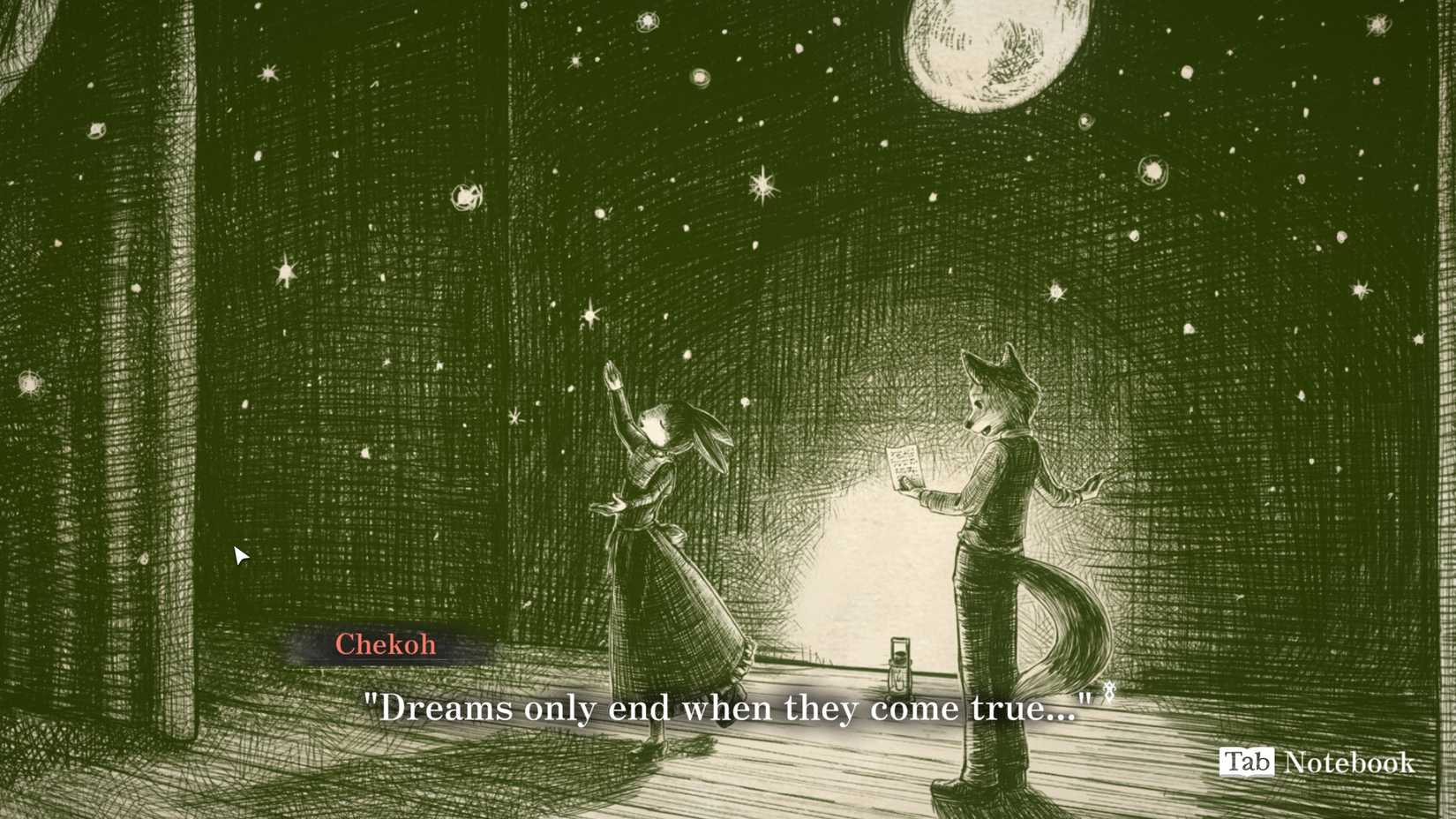
One of the most striking features of Schrödinger’s Call is its commitment to an ambiance of melancholy. By stripping away color, the game relies on shadow, contrast, and minimalist sound design to dictate the emotional tenor of each scene. The developers have stated that the goal was to create a world that feels "heavy with history," where even the interface elements—the notebook, the phone, the dialogue boxes—are designed to feel tactile and worn.
The characters are rendered with distinct, visible linework, giving them the appearance of illustrations from a sorrowful children’s storybook. This aesthetic choice serves a narrative purpose: it distances the player from the "realism" of the world, emphasizing that these events are happening in a realm beyond our own, a space governed by memory and grief rather than physics.

Mechanics: The Loop of Memory
The gameplay loop is structured around a series of chapters, each focusing on a different spirit reaching out to Mary.
- Incoming Calls: The player receives a call from a spirit, often distressed or confused, lacking context regarding their own tragedy.
- Investigation: Using a virtual notebook, players catalog keywords, phone numbers, and environmental clues. This serves as the "detective" phase of the game, where the player must connect the dots of the spirit’s life.
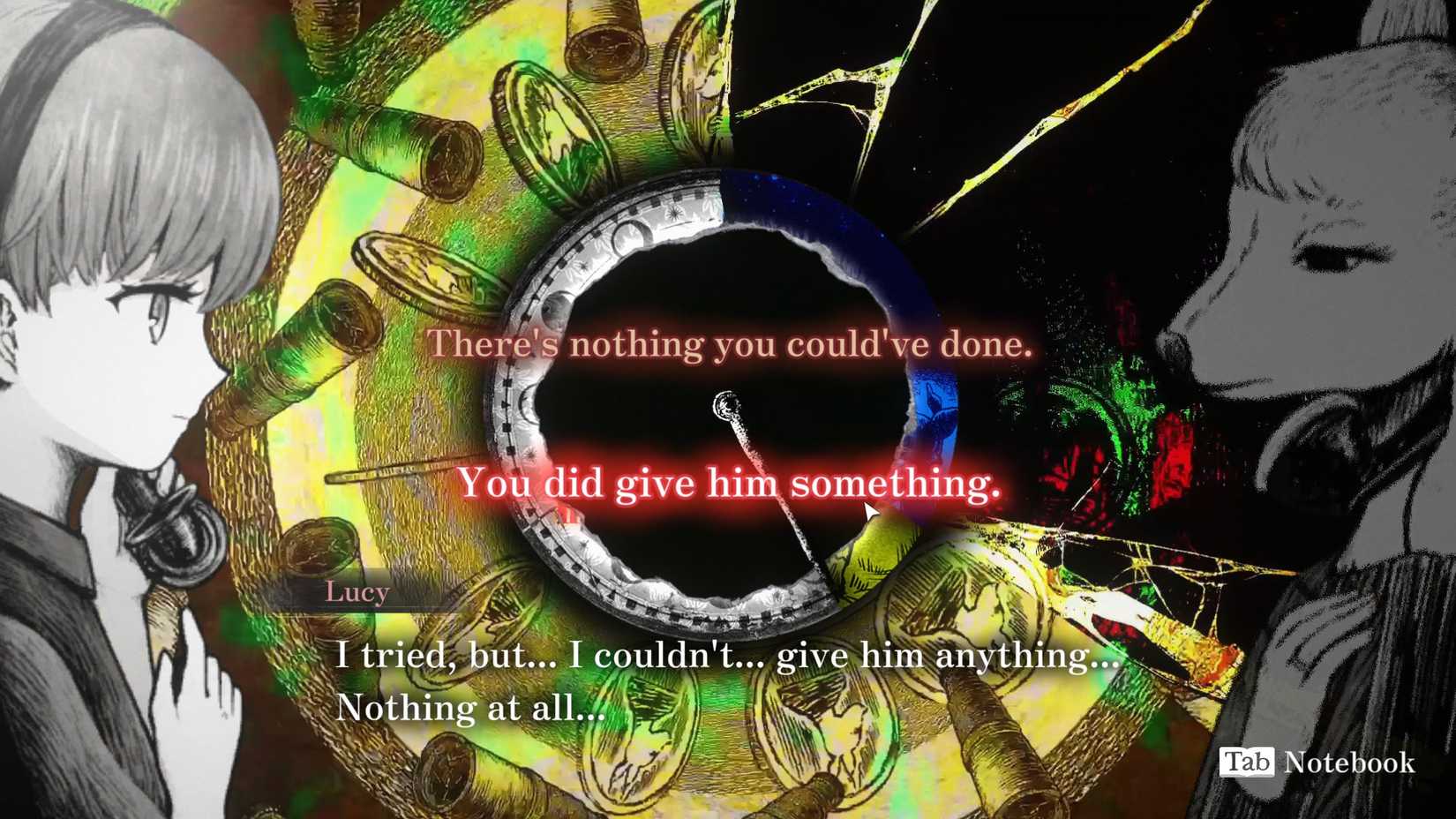
- Interaction: The player uses the phone to call back, introducing discovered keywords into conversations. This is where the narrative depth is found; the way a spirit reacts to these words can shift the tone of the conversation.
- The Climax: Each chapter culminates in a "confrontation" with the spirit’s tragedy. Influenced by the concept of Samsara (the cycle of death and rebirth), the game presents these moments as intense, animated sequences. The player must guide the spirit toward enlightenment—a realization of their own past—to allow them to move on.
The developers have noted that these segments are not about "winning" or "losing," but about reaching a state of understanding. If the player manages to help the spirit articulate their regret, they find peace. If they fail, the spirit remains trapped in their cycle of suffering.
Supporting Data and Technical Context
- Developer: Acrobatic Chirimenjako
- Publisher: Shueisha Games
- Genre: Narrative Adventure / Visual Novel
- Platform: PC (Steam)
- ESRB Rating: Everyone (Mild Fantasy Violence)
- Language: English and Japanese (with well-regarded localization)
The game’s technical performance is notable for its stability, even on modest hardware. Because the title relies on 2D assets and a controlled aesthetic, it does not tax the system, allowing the focus to remain squarely on the dialogue and the emotional weight of the text.
Implications: The Power of Narrative Empathy
The most significant implication of Schrödinger’s Call is its contribution to the "sadness-as-a-service" genre—a sub-category of narrative games that seek to evoke deep emotional introspection. Unlike titles that use tragedy for shock value, Schrödinger’s Call uses it for connection.
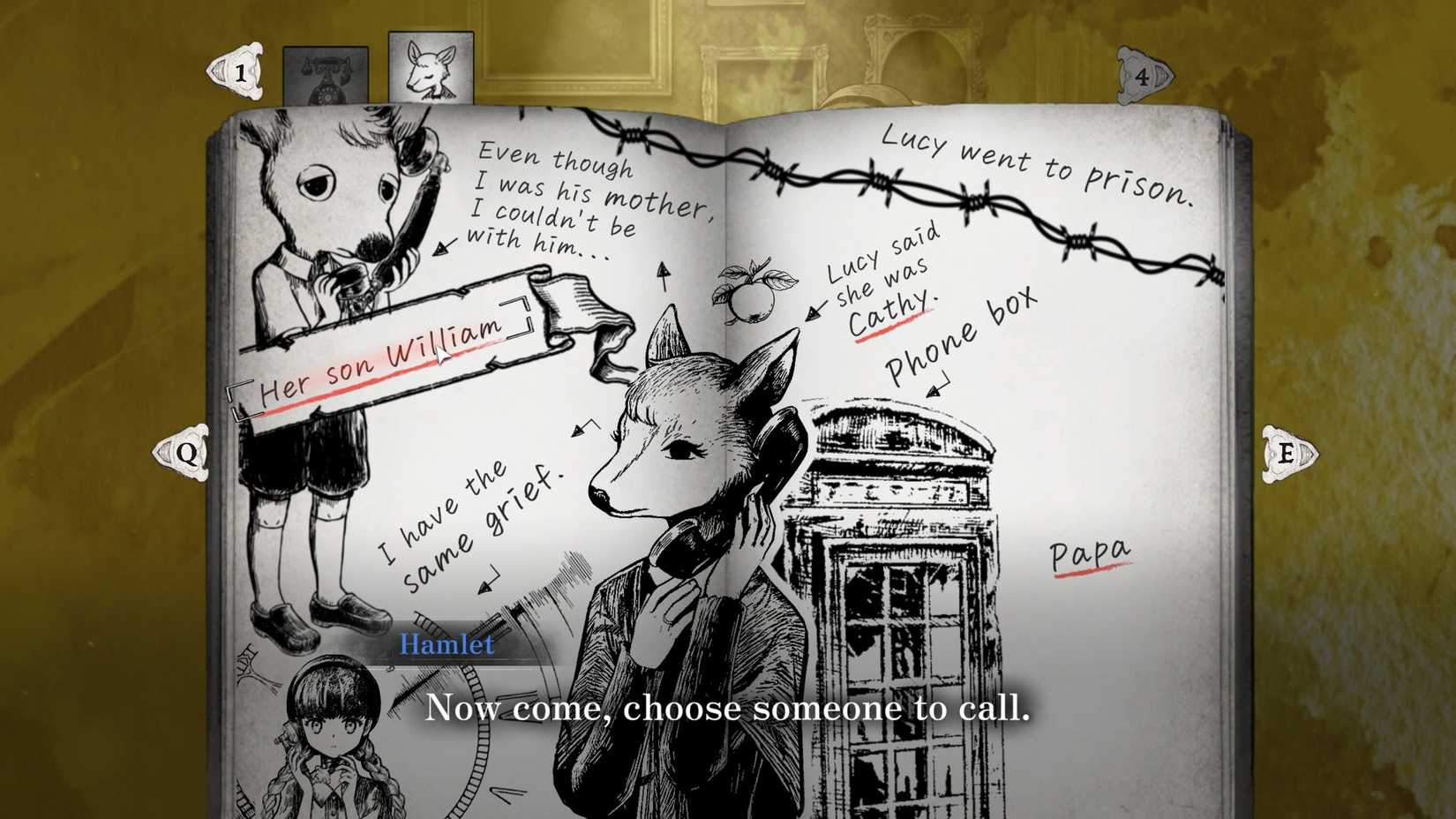
Critics have noted that the game’s repetitive structure—receiving calls, checking the notebook, calling back—is both its greatest strength and its only minor weakness. While the repetition reinforces the "cycle of regret" theme, some players may find the dialogue sequences to be slightly protracted. However, the translation quality is exceptionally high, with only a few minor contextual anomalies noted by reviewers.
The game’s reliance on the player’s willingness to engage with the text means that the experience is highly subjective. It is not a game for those seeking fast-paced action; it is a game for those who find value in sitting with a story and letting it linger.
Official Stance and Philosophy
Shueisha Games has marketed the title with the poignant tagline: "When the world is coming to an end, who would you want to speak to one last time?"
The studio’s philosophy behind the game is clear: they want to help players notice what truly matters. By framing the end of the world as a personal, quiet tragedy rather than a global catastrophe, they shift the focus away from the "event" and onto the "individual." In a 2026 press release, the team at Acrobatic Chirimenjako emphasized that the game is meant to be a companion piece to the player’s own experiences with grief, hoping that the characters’ stories might provide a mirror for the player’s own life.
Conclusion: A Quiet Masterpiece of Melancholy
Schrödinger’s Call is not for everyone, but for those who resonate with its themes, it is an essential experience. It is a game that demands patience, offering in return a deeply moving reflection on the nature of memory and the importance of being heard.
As we look at the current gaming landscape, it is refreshing to see a title that isn’t afraid to be slow, sad, and introspective. Whether or not it will be remembered as a landmark of the visual novel genre remains to be seen, but as of today, it stands as a testament to the power of a simple, well-told story delivered with absolute conviction.

In the final accounting of the year’s releases, Schrödinger’s Call will likely be remembered not for its graphics or its complex systems, but for the moments it spent on the phone, listening to the ghosts of the past, and helping them find the courage to finally say goodbye. It is a quiet, flickering light in the darkness, and for many, that will be enough.












No comments yet. Be the first to join the conversation!