

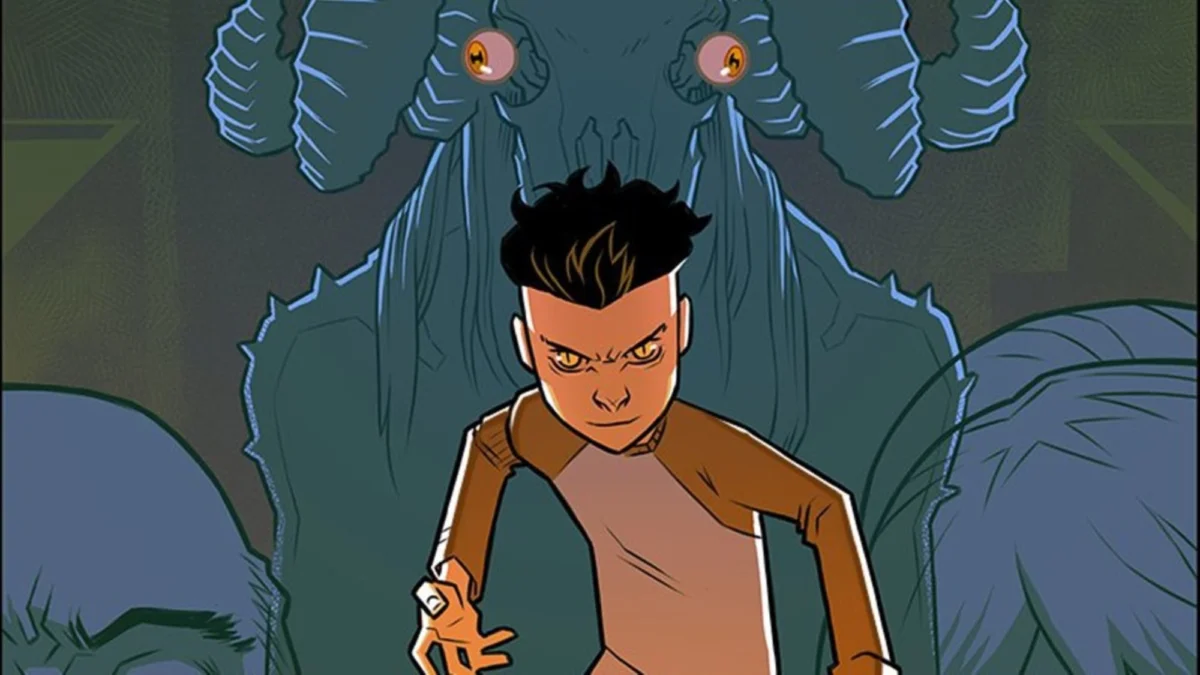
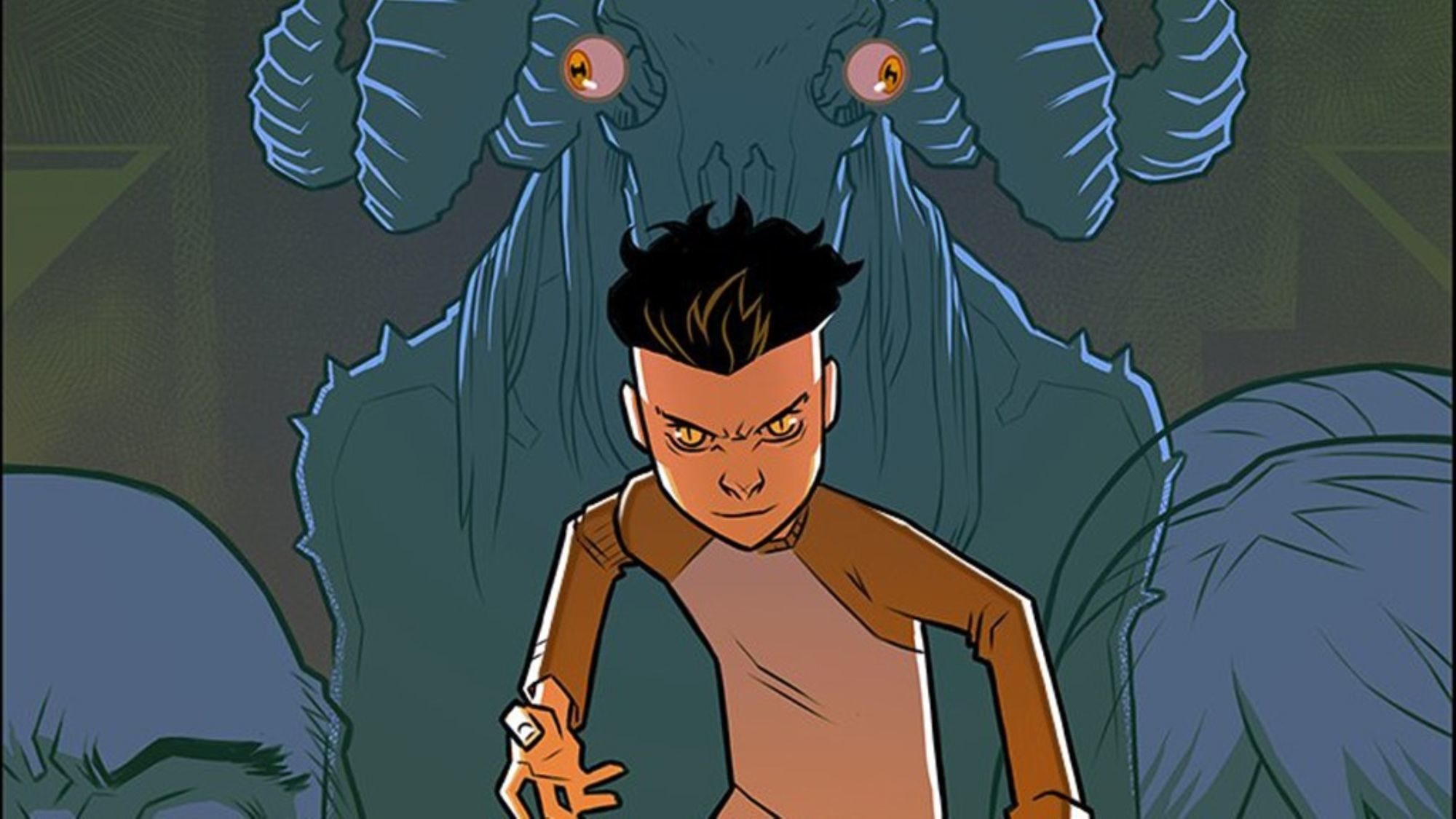
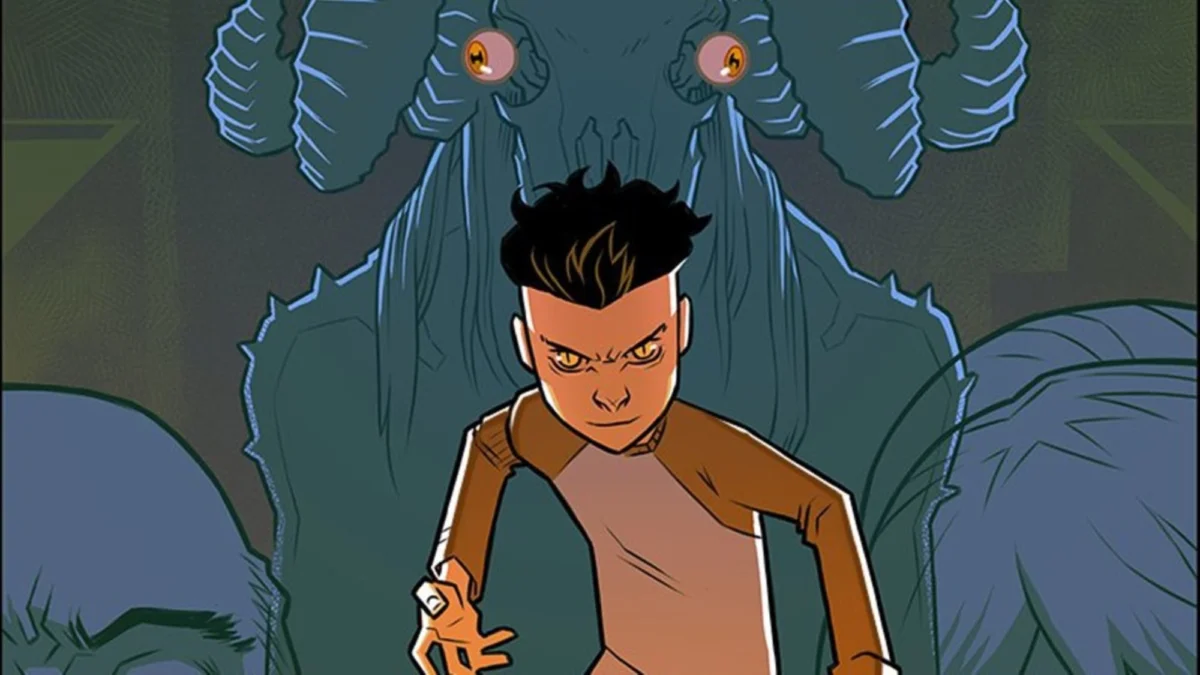
In the traditional landscape of the comic book industry, success has long been measured by the rigid metrics of the "direct market"—the monthly cycle of single-issue sales tracked through diamond distributors and local comic shops. However, as the digital era matures, a new paradigm has emerged, one that operates on a scale that renders traditional industry benchmarks almost obsolete. At the center of this shift is veteran comic creator Justin Jordan, whose webcomic Urban Animal—produced alongside artist John Amor and letterer Micah Myers—has become a massive, multi-million-view success on the Webtoon platform.
While Jordan is a seasoned industry hand with a resume boasting work for DC Comics (Superboy, Team 7, The New Guardians) and Image/Skybound (Reaver, Dead Body Road), he candidly admits that his most impactful work is occurring outside the walls of the traditional direct market. With hundreds of thousands of weekly readers, Urban Animal serves as a case study for how modern creators can thrive by bypassing the traditional retail model in favor of global, high-volume digital platforms.
The Disconnect: Direct Market vs. The Global Digital Reality
For decades, the health of the comic industry has been assessed through the lens of the direct market. When industry pundits declare that "comics are in trouble," they are typically referring to the fluctuations within this specific, niche ecosystem. However, Jordan argues that this terminology is flawed. "I have a bad habit of saying ‘comics’ when what I am actually talking about is ‘direct market comics,’" Jordan notes. "While the direct market has its ups and downs, comics—the art of sequential storytelling—are, in reality, more popular than ever."
The discrepancy between the direct market and the broader comic landscape is vast. As a point of comparison, Jordan cites the staggering success of Dav Pilkey’s Dogman, which boasts print runs of five million copies per volume. While Pilkey is an outlier, the trend is clear: manga and webcomics are moving units and capturing audiences that far exceed the reach of typical superhero monthlies.
For Urban Animal, the numbers are not just impressive; they are transformative. With nearly half a million subscribers on Webtoon, the series operates in a tier of popularity that most print creators only dream of. "That’s not an error or an extra zero or two," Jordan says. "We’re at close to half a million subscribers, which I still have trouble wrapping my head around."
A Chronology of Digital Growth
The rise of Urban Animal did not happen overnight, but rather through the consistent, weekly delivery of high-quality, serialized content.

- Initial Launch: The series debuted on Webtoon, utilizing the platform’s unique vertical-scroll format to engage a global audience from day one.
- Audience Accumulation: Over the course of its first year, the series saw steady, exponential growth, climbing from a modest start to a consistent weekly readership of 80,000 to 100,000 active users.
- The "Fast Pass" Milestone: As the series established its loyal base, the implementation of Webtoon’s "Fast Pass" program allowed for a secondary revenue stream, proving that even in a free-to-read model, a significant percentage of the audience is willing to pay for early access.
- Transition to Print: Now, entering its third season, the team is leveraging its massive digital success to move into the physical market via a strategic partnership with Rocketship Entertainment, marking a full-circle evolution from digital-first to a hybrid publishing model.
Supporting Data: By the Numbers
The business model of Urban Animal is a fascinating study in the hybridization of income streams. Because the content is free for the public, traditional sales metrics don’t apply. However, the data provided by Webtoon offers a clear picture of the project’s viability.
Weekly Engagement
The series maintains a consistent weekly readership of approximately 100,000 users. Of that group, roughly 10,000 readers interact with each episode upon release, providing a consistent "like" and engagement rate that keeps the series trending within the platform’s algorithms.

Revenue Streams
Jordan acknowledges that the "Fast Pass" system—which allows readers to pay roughly 50 cents to read episodes three weeks in advance—is a primary financial driver. Data suggests a minimum of 4,000 recurring paying readers per week. When combined with the license fees paid by Webtoon for being a featured series, and the additional revenue from ad-supported traffic, the income generated is competitive with—and often superior to—standard work-for-hire contracts in the direct market.
Official Perspective: The Creator’s Business Model
Justin Jordan’s perspective on the financial sustainability of Urban Animal is refreshing for its transparency. He notes that the deal structure with Webtoon is fundamentally different from a typical "work-for-hire" contract.
"Normally, when you’re doing creator-owned comics in the direct market, if you’re being paid, the publisher is essentially getting at least part-ownership of the property," Jordan explains. "This, though, functions more like how you would sell a short story in the prose market. We’re getting a license fee that gives them exclusive rights to it for a certain period of time, and then we can do whatever we want with it."
This distinction is crucial. Because the creators retain the underlying rights to the property, the long-term potential for monetization—through merchandise, film/TV adaptations, and print editions—remains entirely in their hands. The "time horizon" for a series like Urban Animal is also significantly longer than a standard four-issue miniseries, meaning the cumulative earnings over the life of the property are likely to eclipse anything Jordan has produced in his career to date.
The Implications: Crowdfunding as the New Standard
The announcement of a Kickstarter campaign for the print edition of Urban Animal represents a broader trend in the industry: the rise of independent crowdfunding as a vital pillar of comic book publishing. By partnering with Rocketship Entertainment, Jordan is avoiding the logistical headaches of self-publishing while maintaining creative control.
This pivot toward Kickstarter is not merely a funding mechanism; it is a marketing tool. It allows the team to capitalize on their existing digital audience, turning passive readers into active backers. This model suggests that the future of the industry lies in a "digital-first, physical-second" approach. In this model, creators build a massive audience for free, and then offer premium, tangible goods to the most dedicated segment of that audience.
Conclusion: The Shape of Things to Come
Urban Animal is more than just a successful webcomic; it is a blueprint for the future of sequential art. By effectively managing a hybrid business model that combines digital licensing, ad-supported revenue, and targeted crowdfunding, Justin Jordan and his team have demonstrated that there is life outside the direct market.
For aspiring creators, the lesson is clear: the gatekeepers of the traditional comic industry are no longer the only path to a sustainable career. By meeting audiences where they live—on their phones, in the vertical scroll, and within the communities of platforms like Webtoon—creators can build, maintain, and monetize their own empires. As Urban Animal continues to grow, it serves as a powerful reminder that the only true metric of success is the connection between the story and the reader. Whether that connection happens on glossy paper or a smartphone screen, the art remains, and for creators like Jordan, the business has never been more vibrant.










No comments yet. Be the first to join the conversation!