Dwi Wanna
The world of turn-based tactical strategy games has long existed in the long, formidable shadow of XCOM. Yet, if there is any franchise capable of carving out its own distinct, blood-soaked niche in that space, it is Warhammer 40,000. This week, developer Complex Games officially pulled back the curtain on the highly anticipated follow-up to their critically acclaimed 2022 hit, Warhammer 40,000: Chaos Gate – Daemonhunters. The sequel, titled Warhammer 40,000: Chaos Gate – Deathwatch, promises to escalate the stakes, moving away from the singular focus on the Grey Knights to the legendary, multi-chapter elite alien-hunters of the Imperium: the Deathwatch.
Main Facts: A New Chapter in Tactical Warfare
Warhammer 40,000: Chaos Gate – Deathwatch is confirmed as a direct sequel to the events of Daemonhunters. While the previous title focused on the psychic-wielding, daemon-purging specialists of the Grey Knights, Deathwatch shifts the tactical lens toward the Imperium’s premier Xenos-hunters. As an elite unit drawn from various Space Marine chapters, the Deathwatch provides a unique narrative and mechanical framework for players to engage with the galaxy’s most dangerous threats.
The core gameplay remains rooted in the turn-based tactical RPG genre, emphasizing the high-stakes, high-impact combat that made its predecessor a standout success. Developer Complex Games has confirmed that the title will feature:
- Enhanced Squad Customization: A deeper layer of management for squad composition, allowing players to tailor their Marines’ loadouts, skills, and strategic synergies.
- Diverse Mission Archetypes: With over 10 distinct mission types, the game aims to move beyond repetitive objectives, offering varied tactical puzzles for players to solve.
- A Broader Enemy Roster: Players will face off against iconic Warhammer factions, including the overwhelming tide of the Orks and the subversive, terrifying Genestealer Cults.
- The Introduction of Skirmish Mode: A brand-new feature designed for those who want to jump straight into the action without the narrative weight of a campaign, allowing for the testing of squads against specific AI-controlled factions.
Chronology: From Daemonhunters to Deathwatch
The trajectory of the Chaos Gate series is a testament to the growth of the tactical strategy genre in the digital age.
- 2022: The release of Warhammer 40,000: Chaos Gate – Daemonhunters. The game was met with widespread critical acclaim, most notably receiving the "Bestest Bests" badge from Rock Paper Shotgun. It was praised for its balance of ranged combat and visceral melee, which felt distinct from the cover-based shooters that dominate the genre.
- 2022–2024: Throughout this period, Complex Games supported the original title with content updates, refining the combat loops and gathering player feedback regarding balance and tactical depth.
- Mid-2024: Rumors began to circulate regarding a new project from the studio. These were confirmed with the official announcement trailer, which teased the transition from the "Daemonhunters" subtitle to the grittier, more focused "Deathwatch."
- Present: The game is currently in development with a Steam store page live, though the studio has remained tight-lipped regarding a firm release date.
Supporting Data: Why the Tactical RPG Formula Works
The success of Chaos Gate – Daemonhunters was no accident. It succeeded by understanding that while the XCOM "hit percentage" formula is a classic, players in the Warhammer 40,000 universe want to feel like superhuman demigods.
In the original game, the combat system allowed players to engage in "up close and personal" melee combat, a rarity in the genre. By integrating cinematic, brutal takedowns, Complex Games tapped into the power fantasy of the Space Marines. According to historical reviews of the first game, the "weight" of the units—the feeling that you are controlling eight-foot-tall engines of destruction—was a primary factor in its success.
Deathwatch appears to be leaning into this by expanding the roster. In the lore, the Deathwatch is composed of Marines from disparate chapters (such as the Ultramarines, Blood Angels, and Imperial Fists). This provides a massive opportunity for the developers to introduce "broad class identities," allowing players to build squads that represent the specific tactical doctrines of different chapters, rather than a monolithic unit type.
Official Responses and Developer Vision
In their official communication on the Steam store page, the team at Complex Games expressed a clear intent to iterate rather than innovate for the sake of change. They stated that the goal is to build upon the foundation established in Daemonhunters, with a focus on "deep tactical choices."
By highlighting the "wide variety of missions," the developers are clearly responding to player critiques of the original game, which some felt became repetitive in the late-game stages. The inclusion of the Skirmish Mode is perhaps the most significant response to community feedback. It suggests a move toward high-replayability, allowing the "strategy-curious" or time-poor players to engage with the game’s complex combat systems without committing to a 40-hour campaign.
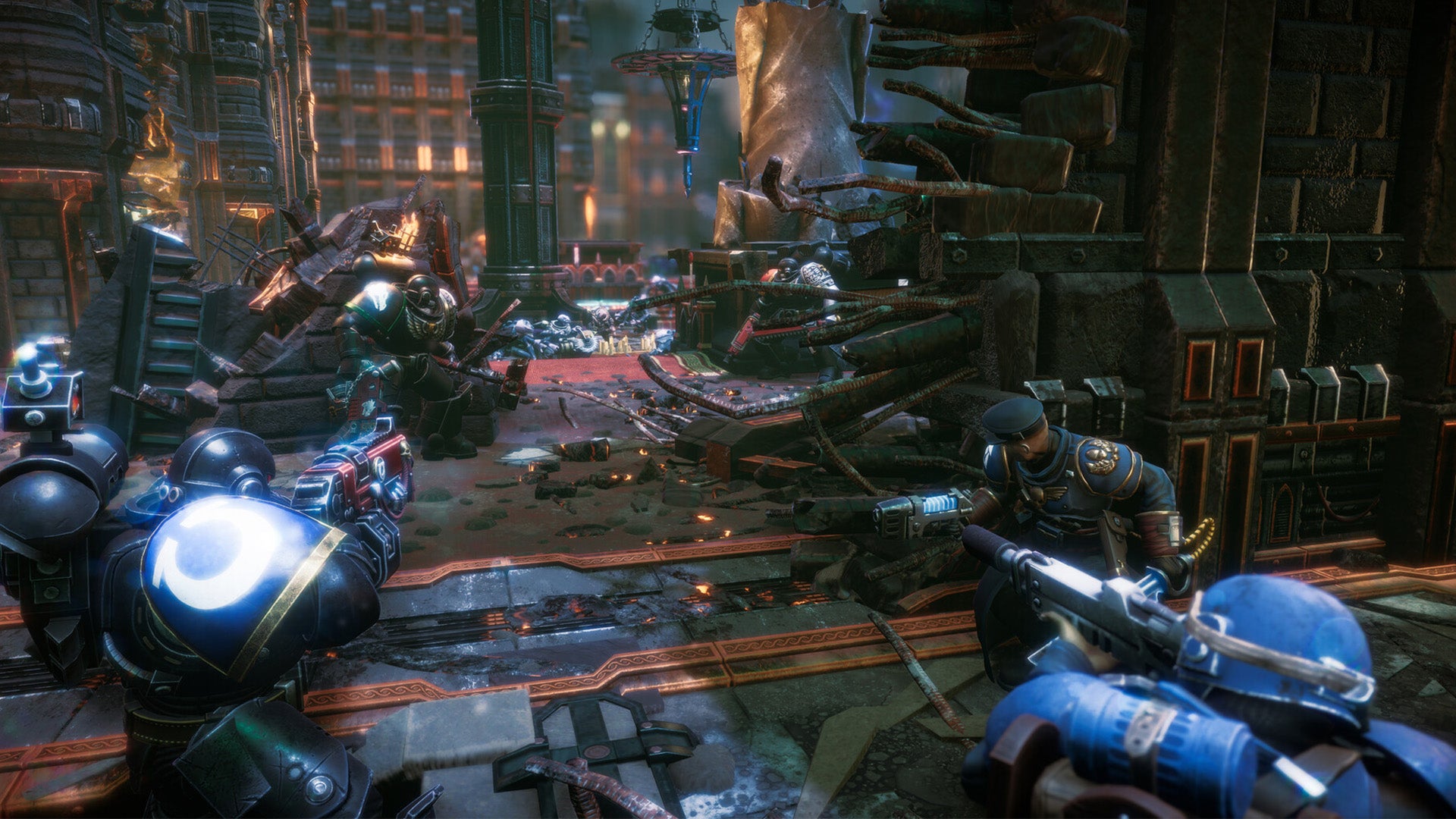
The shift to the Deathwatch also serves a lore-based narrative purpose. By moving away from the singular threat of Nurgle’s forces in Daemonhunters, the developers have opened the door to a much larger sandbox of enemies. This allows the game to tackle the sheer variety of the Warhammer 40,000 universe, incorporating the horde mechanics of the Orks and the infiltration tactics of the Genestealer Cults.
Implications: The Future of Warhammer Strategy
The announcement of Chaos Gate – Deathwatch signals a maturing of the licensed strategy game market. For years, Warhammer 40,000 games were often criticized for being "one-and-done" titles that failed to capture the complexity of the tabletop experience. With Deathwatch, Complex Games is signaling that they view this as a long-term franchise.
1. Market Competition
The tactical strategy space is currently crowded. Titles like Jagged Alliance 3, Marvel’s Midnight Suns, and the ever-present XCOM 2 set high bars for quality. Deathwatch will need to prove that its "broad class identities" provide enough mechanical variance to keep players engaged for the long haul.
2. Lore Authenticity
One of the most important aspects for the Warhammer community is lore accuracy. The Deathwatch is a fan-favorite organization. If the game captures the specific tactical nuances of the different chapters represented, it will likely secure a dedicated player base. Conversely, any perceived "dumbing down" of the source material would likely face pushback from the franchise’s hardcore fanbase.
3. The Replayability Factor
The introduction of a Skirmish Mode is a massive implication for the game’s lifespan. If the modding community is allowed to interface with this mode, or if the developers provide regular updates to the unit pool, Deathwatch could become a "platform" for Warhammer tactics, rather than just a narrative game.
4. Technical Ambitions
The transition to modern hardware and the promise of "enhanced squad composition" suggests that the game will likely require a higher degree of visual fidelity and systemic complexity than its predecessor. Fans will be looking for improved performance and a more intuitive UI, particularly when managing complex squad loadouts.
Conclusion
As we look toward the launch of Warhammer 40,000: Chaos Gate – Deathwatch, the excitement is palpable. The transition from the daemon-focused narrative of the first game to the xenos-heavy, tactical battlefield of the Deathwatch is a logical evolution. Complex Games has established themselves as a studio that respects the source material while understanding what makes a turn-based strategy game addictive.
While we wait for a release date, the prospect of managing a diverse squad of elite Astartes against the backdrop of an Orkish Waaagh! or a Genestealer uprising is an enticing one. The "Bestest Bests" badge awarded to their previous outing is a heavy mantle to carry, but if the early details are any indication, Deathwatch is more than ready to step onto the battlefield.
For now, enthusiasts of the genre should keep a close watch on the official Steam page. In the grim darkness of the far future, there is only war—and soon, it seems, there will be a lot more of it to manage.


 Asro
Asro
 Muslim