Dwi Wanna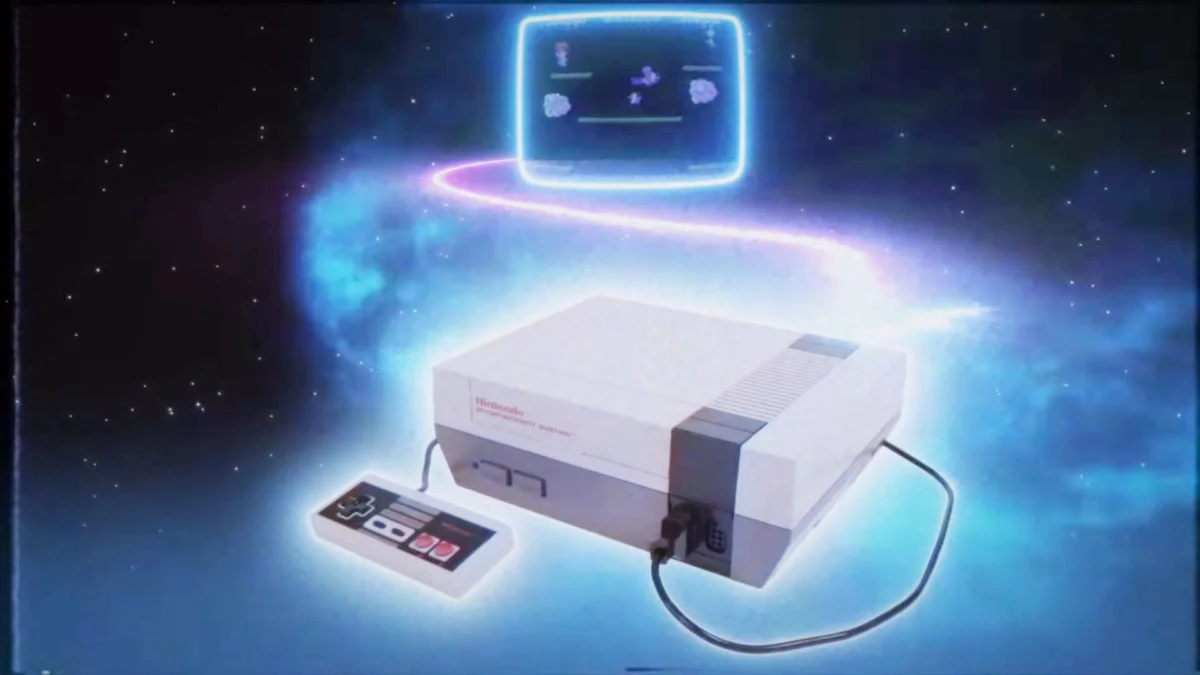
For years, the gaming community whispered about the true purpose behind Nintendo’s sudden pivot toward miniature, plug-and-play consoles. When the NES Classic Edition launched in 2016, it was an overnight sensation, selling out instantly and commanding exorbitant prices on the secondary market. A year later, the SNES Classic followed suit. While fans viewed these devices as love letters to 8-bit and 16-bit history, the man at the helm of Nintendo of America has finally confirmed the pragmatic, high-stakes reality behind their creation.
Reggie Fils-Aimé, the legendary former president of Nintendo of America, recently pulled back the curtain on this period of corporate uncertainty. Speaking at the NYU Game Centre Lecture Series, Fils-Aimé admitted that these "micro legacy devices" were not merely passion projects; they were a tactical maneuver designed to sustain the company’s bottom line while the Wii U suffered through a catastrophic decline.
The Context: A Company on Life Support
To understand why Nintendo needed a "quick fix" in 2016, one must look at the state of the company during the mid-2010s. The Wii U, the successor to the record-breaking Wii, had failed to capture the public imagination. Its confusing marketing, lack of third-party support, and underpowered hardware led to a steady decline in consumer interest.
By 2016, the Wii U was, in the words of Fils-Aimé, "on life support." The console’s software library had slowed to a trickle, with major releases like Star Fox Zero and Pokkén Tournament failing to move units in the way the company’s marquee titles traditionally had. The holiday season of 2016 was particularly bleak for Nintendo, with Paper Mario: Color Splash serving as one of the few notable offerings for a console that had lost its momentum.
Fils-Aimé explained that Nintendo was in a frantic, creative survival mode. "We did that [launching the micro consoles] to sustain our business because we needed something to sell at volume come the holiday season," he noted. "It was a series of commercial ideas, knowing full well that… the Wii U was on life support."
A Chronology of the "Classic" Strategy
The rollout of the mini consoles was a masterclass in controlled supply and high demand.
2016: The NES Classic Gamble
The NES Classic Edition was released in November 2016. It was a compact, HDMI-compatible replica of the original Nintendo Entertainment System, pre-loaded with 30 iconic games. At a price point of $59.99, it was an impulse buy for a generation of aging gamers and a curious novelty for newcomers. It provided Nintendo with a vital revenue stream during a holiday period where they otherwise lacked a "killer app" to move hardware.
2017: The SNES Classic Insurance Policy
By 2017, the landscape had shifted. Nintendo had launched the Switch, which was beginning to show signs of being a massive success, fueled by the critical and commercial triumph of The Legend of Zelda: Breath of the Wild and Super Mario Odyssey. Despite this positive trajectory, the SNES Classic was released in September 2017.
Critics and analysts now recognize this as a "contingency plan." While the Switch was performing well, Nintendo could not be certain that the hybrid console would sustain its momentum in the long term. The SNES Classic acted as a safety net—a high-margin, low-risk product that guaranteed a profitable holiday season regardless of how the Switch performed against the PS4 and Xbox One.
Supporting Data: Why the Business Model Worked
The success of the NES and SNES Classics was driven by several economic factors that Nintendo exploited with precision:
- Low R&D Costs: By repurposing existing software emulators and using low-cost, off-the-shelf components for the hardware, Nintendo’s profit margins on these units were significantly higher than those on their flagship consoles, which were often sold at thinner margins or even losses during the early stages of a lifecycle.
- Manufactured Scarcity: Nintendo’s decision to limit the supply of these units created a frenzy that arguably generated more marketing buzz than a traditional advertising campaign ever could. The "sold out" status of the consoles kept the brand in the news cycle for months.
- The Nostalgia Tax: The demographic that grew up with the NES and SNES now possessed disposable income. By targeting the 30-to-45-year-old market, Nintendo tapped into a group willing to pay a premium for a "museum-quality" experience that connected them to their childhoods.
Official Responses and Internal Shifts
During his lecture, Fils-Aimé also touched upon the broader operational changes required to keep the company afloat. This included the difficult decision to kill the 8GB "Basic" model of the Wii U, which had become a burden on retail shelves and a confusing entry point for consumers.
The move away from the "Classic" series after the SNES model is perhaps the most telling piece of evidence regarding their purpose. Many fans clamored for an N64 Classic, a Game Boy Classic, or even a GameCube Classic. However, as the Switch grew into a multi-billion dollar platform, the need for these stop-gap measures evaporated.
Furthermore, the introduction of the "Nintendo Switch Online" service in 2018 effectively rendered the "Classic" series obsolete. By porting classic games to the Switch via the subscription service, Nintendo could move toward a recurring revenue model rather than a one-time hardware sale. The company likely realized that continuing the "Classic" line would create "cross-contamination," where the sales of retro-focused hardware might cannibalize interest in the digital library being built on the Switch.
Implications: The Legacy of the "Classic" Era
The admission by Fils-Aimé changes how we view the mid-2010s for Nintendo. It frames the company not as a nostalgic curator, but as a lean, reactive business entity capable of pivot-point maneuvers.
For the gaming industry, the lesson is clear: hardware is a volatile business. When the flagship product fails, the ability to leverage a deep library of intellectual property is a superpower. Nintendo’s ability to survive the Wii U era is now officially attributed to its willingness to rethink the "console" concept. Instead of trying to reinvent the wheel, they repackaged the past to finance the future.
This strategy ultimately provided the breathing room necessary for the development of the Nintendo Switch. If the NES and SNES Classics had not filled the fiscal gap, the aggressive investment required to build the Switch’s ecosystem might have been hindered by the red ink spilling out of the Wii U division.
In retrospect, the NES and SNES Classics were the bridge that allowed Nintendo to walk away from a sinking ship and board a rocket. They were not just toys; they were the ballast that kept the company upright while it navigated the most turbulent waters in its modern history. Today, as the Switch dominates the market and the company looks toward its next generation of hardware, the "Classic" era stands as a testament to the importance of brand heritage and the ruthless, necessary pragmatism of the video game business.


 Nana
Nana