

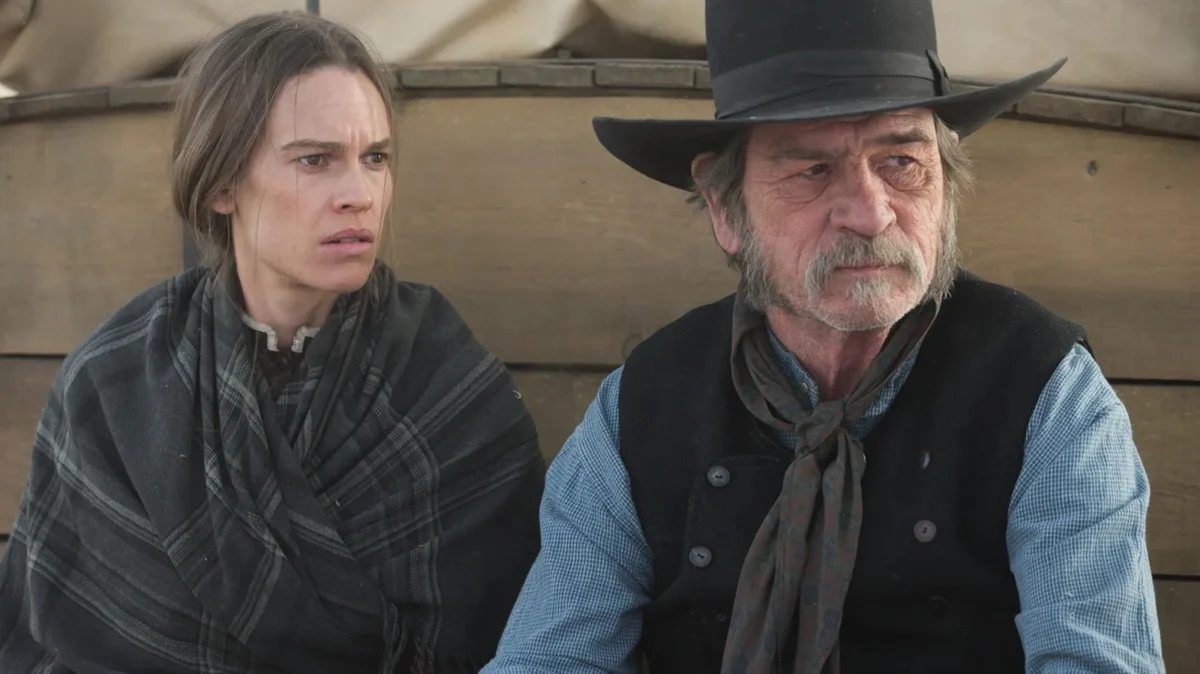
The Western remains the most durable, resilient architecture in the Hollywood canon. It has died a dozen deaths, only to be resurrected in shifting, vibrant forms: revisionist, Spaghetti, Zapata, acid, and neo-Western. From the dawn of the silent era to the digital age, the genre has served as a mirror for the American psyche, reflecting our expansionist anxieties, moral ambiguity, and the thin, bloody line between civilization and the frontier.
Yet, for every Unforgiven or The Searchers that secures a permanent place in the cultural pantheon, dozens of magnificent, off-center oaters fall through the cracks of film history. Sometimes they arrive at the wrong time; other times, they are too challenging, too bleak, or simply mismanaged by studio marketing departments. When a Western attempts to subvert the mythos rather than comfort the audience, it risks box office failure. This is a study of five such films—works of craft and vision that were unfairly relegated to the margins of cinema history.
I. The Homesman (2014): A Brutal Deconstruction of the Frontier
Tommy Lee Jones’ directorial efforts have always felt like an extension of his own persona: rugged, laconic, and deeply weary. Following the success of The Three Burials of Melquiades Estrada, anticipation for his 2014 period piece, The Homesman, was high.
The Narrative Arc
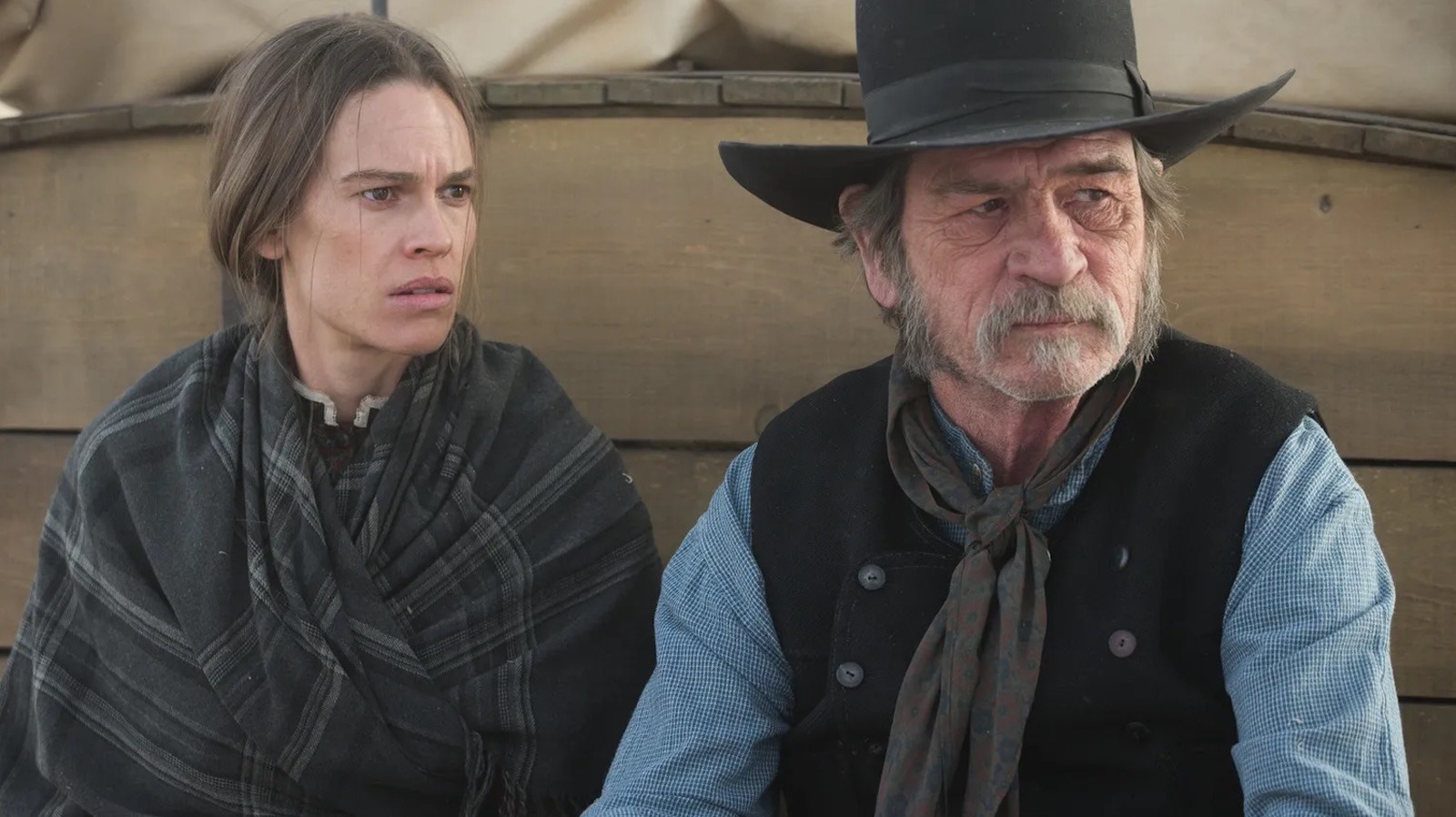
Set in the Nebraska Territory of 1854, the film shifts the focus away from the standard masculine archetype of the cowboy. Instead, the story follows Mary Bee Cuddy (Hilary Swank), a schoolteacher struggling to find companionship in a harsh, unforgiving land. The plot is set in motion when she agrees to transport three women who have lost their minds due to the brutal pressures of frontier life to a church-run refuge in Missouri.
Jones enters the frame nearly 25 minutes into the film as George Briggs, a claim-jumper saved from the gallows by Cuddy. The dynamic is subversive; rather than the traditional hero-damsel trope, the film explores the psychological cost of the American dream.
Commercial and Critical Standing
Despite a stellar cast—including Meryl Streep in a supporting role—the film failed to find its footing. It grossed only $8.2 million against a $16 million budget. Critics lauded its unsentimental tone, but general audiences, perhaps expecting a more traditional, action-heavy narrative, stayed away. Today, it stands as a testament to the fact that not all Westerns are meant to be heroic; some are meant to be haunting.
II. Ride with the Devil (1999): The Civil War’s Forgotten Masterpiece
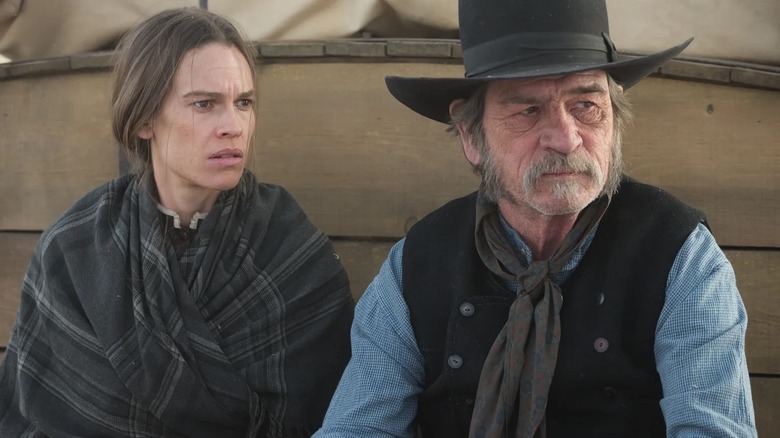
Ang Lee’s Ride with the Devil is frequently cited by film scholars as one of the most accurate depictions of the American Civil War ever put to celluloid. By focusing on the guerrilla warfare between Kansas "Jayhawkers" and Missouri "Bushwhackers," Lee bypassed the typical epic battle spectacle for something far more intimate and terrifying.
Historical Context and Production
The film features Tobey Maguire as Jake Roedel and Jeffrey Wright as Daniel Holt. Their struggle is not merely for territory, but for identity. Roedel, an immigrant, is fighting for a cause that inherently views him as an outsider, while Holt is a freed slave navigating a precarious alliance with a man who was once his captor.
The production was plagued by studio interference. Lee’s original, more visceral cut was trimmed by 10 minutes to appease nervous executives, a decision that ultimately gutted the film’s narrative momentum. When it hit theaters in 1999, it was a financial disaster, earning a staggering $635,096 against a $38 million budget. It is a cautionary tale of how studio interference can sabotage a masterpiece before it even reaches the public.
III. The Furies (1950): Shakespeare in the Sagebrush
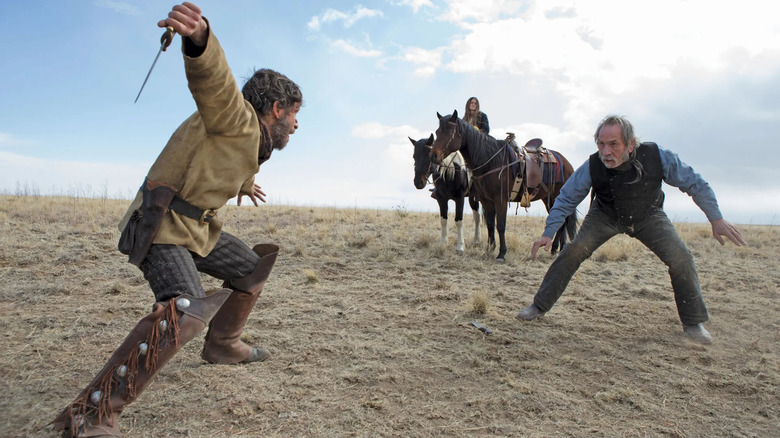
Anthony Mann is a giant of the Western genre, but The Furies occupies a strange, liminal space in his filmography. Released in 1950, it is a "King Lear" style tragedy transposed to the New Mexican range, featuring Walter Huston in his final screen performance and the legendary Barbara Stanwyck.
The Stylistic Shift
Mann was transitioning from the claustrophobic shadows of film noir into the expansive, sun-drenched palette of the Western. The Furies feels like a hybrid of both. It is "bonkers," as critics have noted, full of psychological tension and Freudian subtext that was decades ahead of its time.
Paramount, unsure how to market a film that felt more like a Greek tragedy than a Saturday matinee, failed to generate sufficient buzz. It wasn’t until the Criterion Collection restored and re-released the film that it gained the cult status it deserved. It remains a fascinating look at a director testing the boundaries of what a Western could actually be.
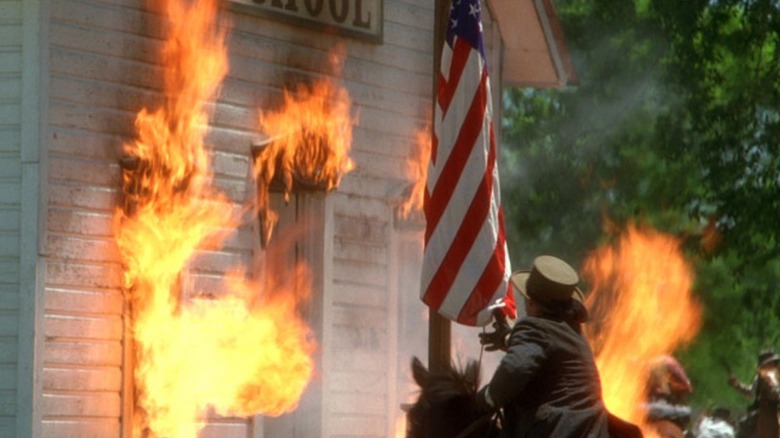
IV. Day of the Outlaw (1959): The Chill of the Frontier
Andre de Toth’s Day of the Outlaw is a stark, black-and-white exercise in tension. Set in a snowbound Wyoming town, it strips away the romanticism of the West to reveal a core of sheer survivalism.
The Conflict
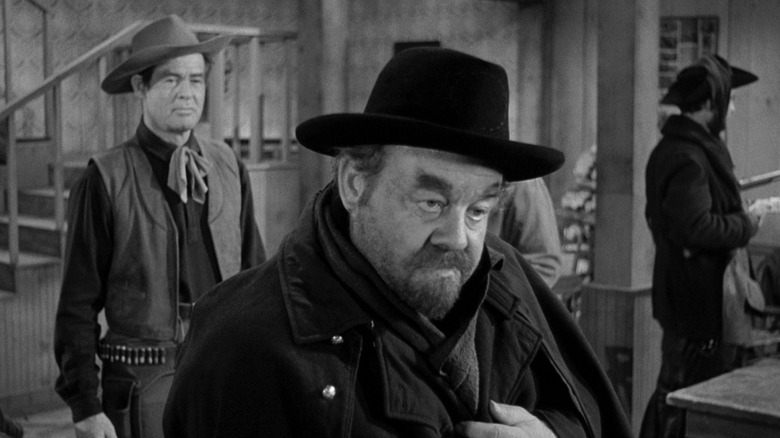
The plot is simple: a rancher (Robert Ryan) faces off against a group of outlaws led by a former Army captain (Burl Ives). The genius of the film lies in its atmosphere—the biting cold, the claustrophobia of a town trapped by a blizzard, and the moral erosion of the characters involved.
Why It Failed
While not a technical "flop" in the traditional sense, the film went over-budget due to extreme weather conditions and the health issues of lead actor Robert Ryan. United Artists expected a more commercial product, and the finished film—grim, uncompromising, and deeply cynical—did not fit the mold of the late-1950s popcorn Western. It is, however, a masterclass in economy and suspense, running a lean 92 minutes.
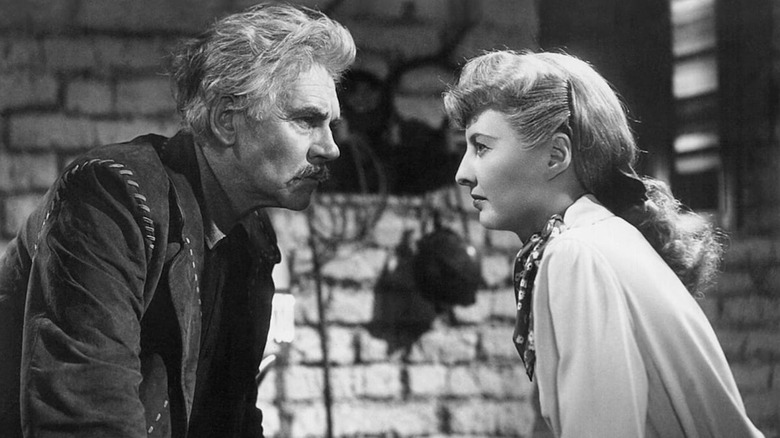
V. Quigley Down Under (1990): The Aussie Oater
The final film in this list is perhaps the most "traditional" of the bunch, yet it suffered from the most confusing marketing strategy. Directed by Simon Wincer, who had previously helmed the monumental Lonesome Dove, Quigley Down Under attempted to take the American Western formula and graft it onto the rugged, untamed landscapes of Australia.
The Star Power
Tom Selleck, at the peak of his career, plays Matthew Quigley, a marksman with a Sharps rifle. Opposite him is the late, great Alan Rickman, who brings a chilling, Shakespearean level of villainy to the role of Elliott Marston.
The Marketing Mismatch
The film earned $21.4 million on an $18 million budget—barely breaking even when accounting for marketing costs. The failure is often attributed to the title and the fact that MGM failed to capitalize on the "Die Hard" popularity of Alan Rickman. Audiences were confused by the premise of an American cowboy in the Outback, and critics were lukewarm at best. Despite this, it has found a second life as a beloved weekend-afternoon staple on cable television, proving that "straightforward" genre work can still hold deep, enduring appeal.
Implications for the Genre
The common thread connecting these five films is not a lack of quality, but a clash of expectations. Audiences often look to the Western as a comforting myth of rugged individualism and clear moral boundaries. When directors like Jones, Lee, or de Toth subvert those expectations, the box office often responds with indifference.
However, the resurgence of the Western in recent years—seen in works like The Power of the Dog or the ongoing Yellowstone phenomenon—suggests that the genre’s capacity to evolve is infinite. These five "forgotten" films are not just curiosities; they are essential viewing for anyone who wants to understand how the Western has struggled, bled, and ultimately survived by pushing the boundaries of what a horse-and-saddle story can truly convey about the human condition.









No comments yet. Be the first to join the conversation!