

By Jamie Lang | May 19, 2026
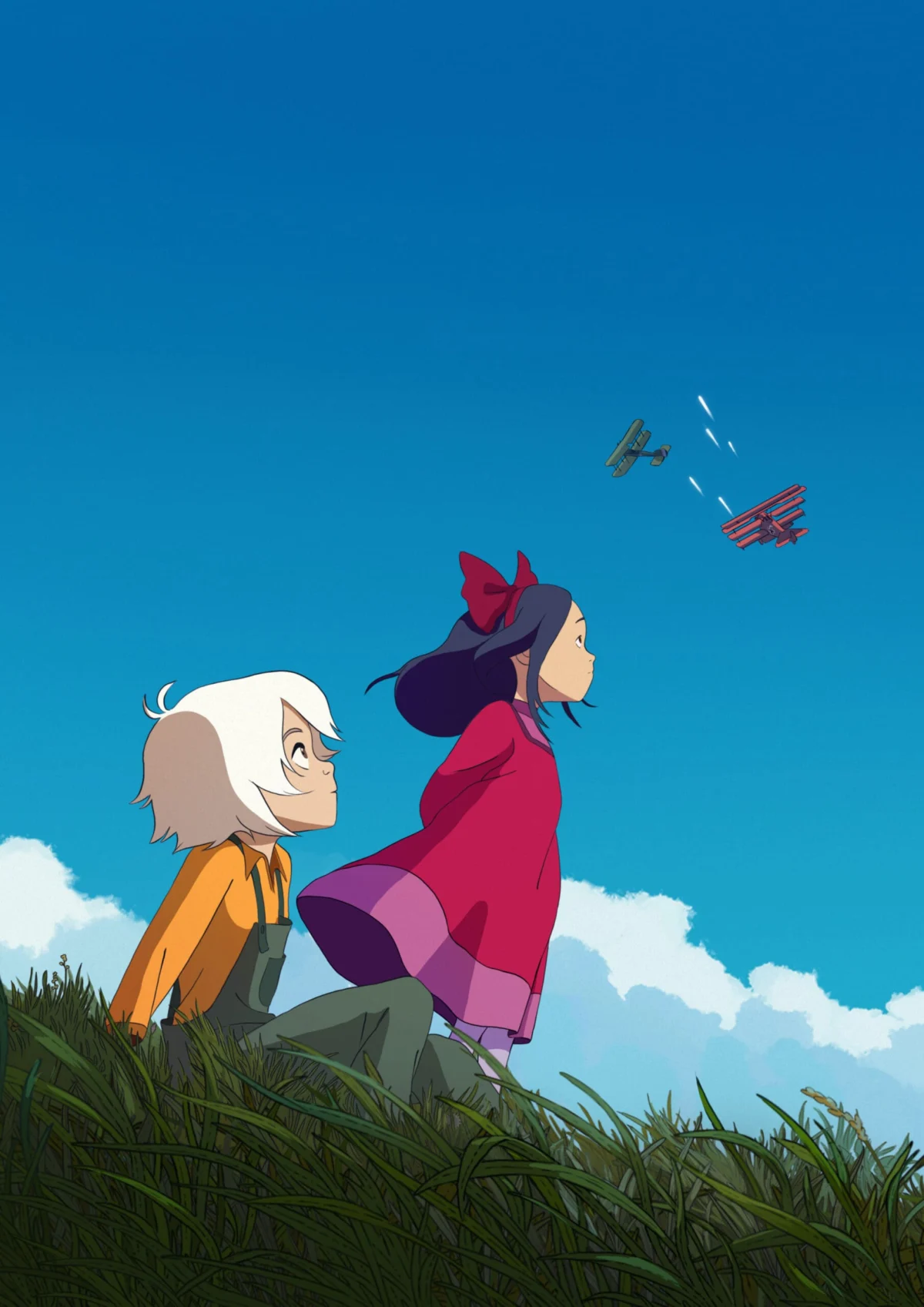
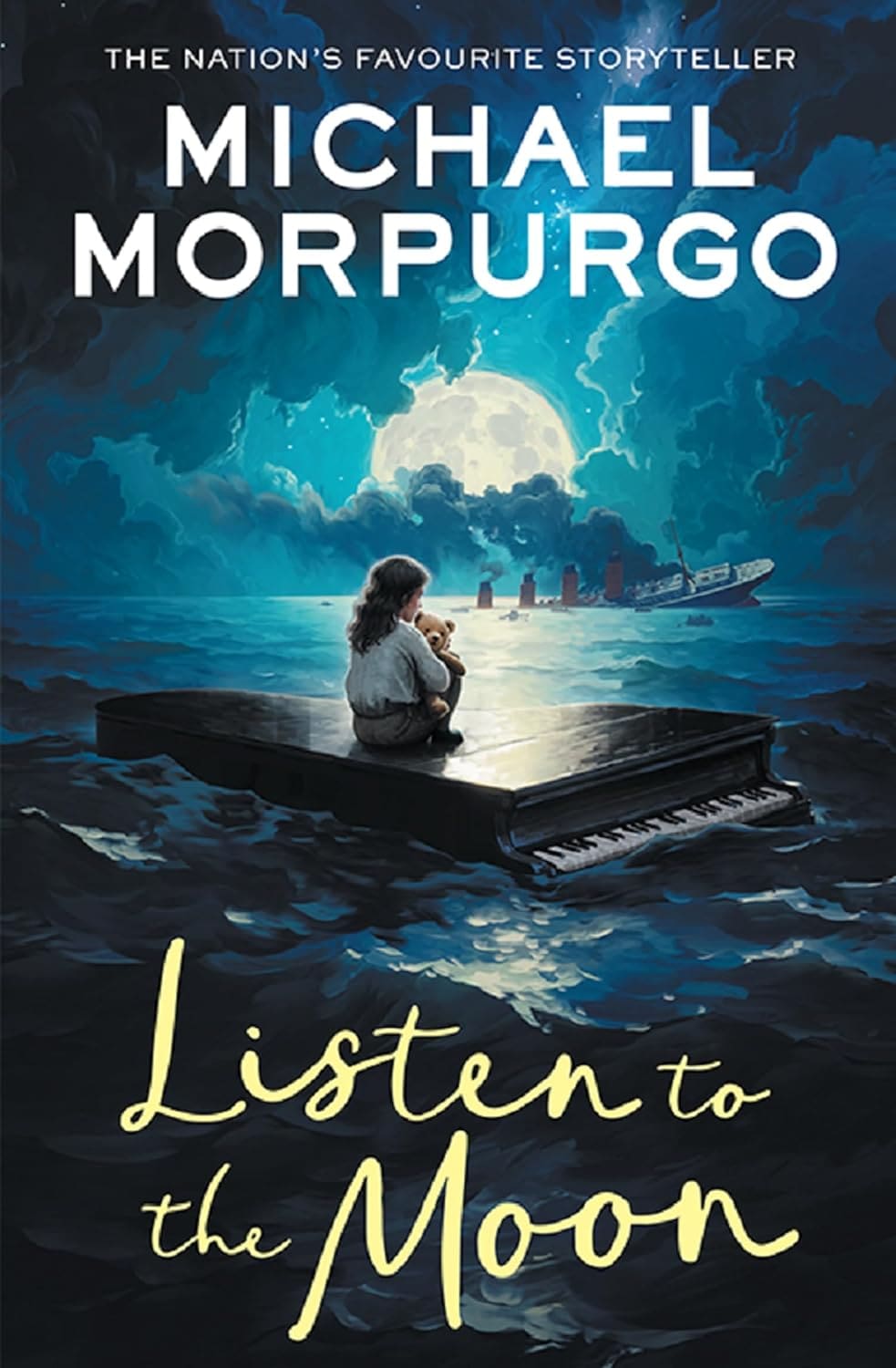
After a painstaking decade-long development process, celebrated French producer Marc du Pontavice and his powerhouse studio, Xilam Animation, have finally unveiled their long-gestating feature adaptation of Michael Morpurgo’s acclaimed novel, Listen to the Moon. The film, now titled Lucy Lost, is set to make a significant splash at the 2026 Cannes Festival, screening in the prestigious Family Screenings section before heading to the Annecy International Animation Film Festival’s main competition.
For du Pontavice, the journey has been one of creative tenacity. The Oscar-nominated producer, known for backing visionary works like I Lost My Body, first secured the rights to Morpurgo’s story in 2017. Despite the pedigree of the author—whose bibliography includes the globally recognized War Horse and Kensuke’s Kingdom—the road to the screen was far from linear.
The Chronology of an Adaptation
When du Pontavice first encountered Listen to the Moon, he was struck by the haunting premise: a mysterious, white-haired girl discovered on the Isles of Scilly during a time of global conflict. However, the producer quickly realized that translating Morpurgo’s literary structure into a cinematic language would require more than a faithful page-to-screen conversion.
“We struggled for many years,” du Pontavice admitted during a candid conversation at the Cannes Festival. “The structure of the book was impossible to adapt straightforwardly.” The novel, which utilizes multiple, often adult, perspectives and remains largely observant rather than participatory regarding its protagonist, posed a significant narrative challenge.
The turning point occurred when storyboard artist and filmmaker Olivier Clert joined the production. Clert’s intervention was surgical: he dismantled the book’s parallel narrative structure and pivoted the entire film around the character of Lucy. By transforming the mute, enigmatic figure from the source material into an active, expressive, and emotionally central protagonist, the team finally found their "North Star."
Supporting Data and Creative Shifts
The transformation of Lucy Lost was not merely a matter of script adjustments; it was a fundamental shift in the film’s DNA. In the novel, Lucy is a silent observer; in the film, she is given voice, agency, and a distinct emotional arc. Furthermore, Clert made the bold decision to merge disparate narrative threads, bringing the character of Milly—who existed in a separate timeline in the source material—directly into Lucy’s orbit.
The synergy between Clert and du Pontavice proved to be the project’s backbone. Clert, whose background includes work on the Oscar-nominated Klaus, approached the film through a rigorous storyboard-first methodology. Over a span of five months, Clert produced approximately 1,800 storyboarded shots. This visual roadmap allowed the production team to bridge the gap between abstract thought and concrete imagery, facilitating the film’s unique fluidity.
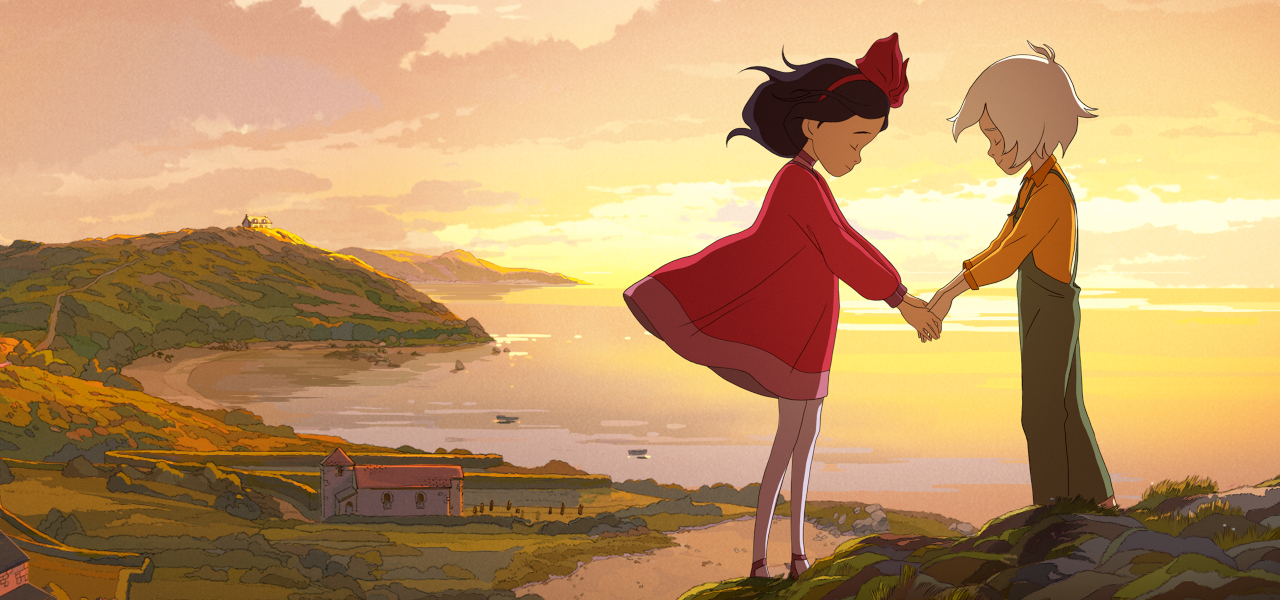
The visual identity of Lucy Lost also defies convention. By stripping away specific historical markers, Clert aimed to elevate the story into the realm of folklore. The Isles of Scilly, while grounded in physical reality, are rendered with a timelessness that allows the film to function as a universal fable rather than a period drama. This was a deliberate choice: "We didn’t want to add too much history to the story," Clert noted. "It’s almost a tale that happens on an island, and it’s not connected really to the real world."
Official Responses and Creative Vision
During the production process, the creative team immersed themselves in the geography and folklore of the Isles of Scilly. Thousands of photographs were taken, and local legends—specifically those regarding shipwrecks and superstition—were woven into the film’s atmosphere.
One pivotal creative decision involved the visual treatment of Lucy’s hair. Inspired by local folklore claiming that white hair was a marker for witchcraft, Clert utilized this trait as a visual shorthand for Lucy’s isolation and the trauma she carries. "Lucy’s white hair becomes the sign that, at some point, she came face to face with a darkness she should never have seen," Clert explained.
The contrast between Lucy and her companion, Milly, was designed to act as a catalyst for growth. Where Lucy is fragile and muted, Milly is a burst of vibrant color and chaotic energy. This visual dichotomy serves to push the narrative forward, providing the friction necessary for character development.

Furthermore, the film’s score, composed by Anne-Sophie Versnaeyen, acts as a bridge between the intimate and the epic. By utilizing unconventional instruments like the Cristal Baschet, the production managed to evoke a sense of mystery that permeates every frame.
Implications for the Industry: The Human Touch in the Age of AI
Perhaps the most significant implication of Lucy Lost lies in its stance against the current trend of automation in animation. At a time when AI-generated content and efficiency-driven pipelines are dominating industry discourse, Xilam has doubled down on the value of human craftsmanship.
"It relies on a huge amount of drawing," du Pontavice stated. "It’s simply impossible to make with AI." With a production team exceeding 500 people—including 300 artists—the film is a testament to the endurance of the human hand. Even in post-production, the team took the extra step of transferring linework onto film stock to ensure the digital imagery retained a tactile, organic quality.
Du Pontavice views this project as a necessary pushback against the "standardization" of mainstream animation. He draws inspiration from the dramatic weight of classic Disney films and the complex thematic maturity of Japanese animation. Lucy Lost does not shy away from darkness; it depicts the escalating hostility of the islanders toward the "outsider" with a stark, unflinching eye.

The themes of the film—scapegoating, the fear of the unknown, and the cruelty of group mentality—resonated more deeply with the filmmakers as the project progressed. Clert noted that scenes once deemed "exaggerated" began to feel frighteningly accurate as global political climates shifted during the production cycle. By capturing the way children mirror the prejudices of their parents, the film offers a poignant commentary on the cyclical nature of human intolerance.
Conclusion: A Timeless Fable
Ultimately, Lucy Lost is a film that refuses to talk down to its audience. It is an ambitious, hand-crafted endeavor that proves that even in an era of rapid technological change, there is no substitute for the deliberate, thoughtful application of artistic vision.
The story, while rooted in the specific landscape of the Isles of Scilly, transcends its setting to address universal human experiences: the pain of isolation, the necessity of empathy, and the struggle to find one’s identity in a world that often demands conformity. As Lucy Lost prepares to meet its audience at Cannes and beyond, it stands as a landmark achievement for Xilam—a reminder that in the hands of talented creators, animation remains one of the most powerful mediums for exploring the complexities of the human condition.
With its blend of dreamlike visuals, emotional depth, and a firm commitment to the art of traditional animation, Lucy Lost is not just a film; it is a declaration of intent. It is a story about children trying to navigate a frightening world—a theme that, in the current landscape of global uncertainty, feels more vital and relevant than ever. For Marc du Pontavice and his team, the decade of struggle has culminated in a work that is as visually arresting as it is narratively profound, ensuring that the legacy of Michael Morpurgo’s storytelling is preserved and expanded for a new generation.









No comments yet. Be the first to join the conversation!