Nana Muazin
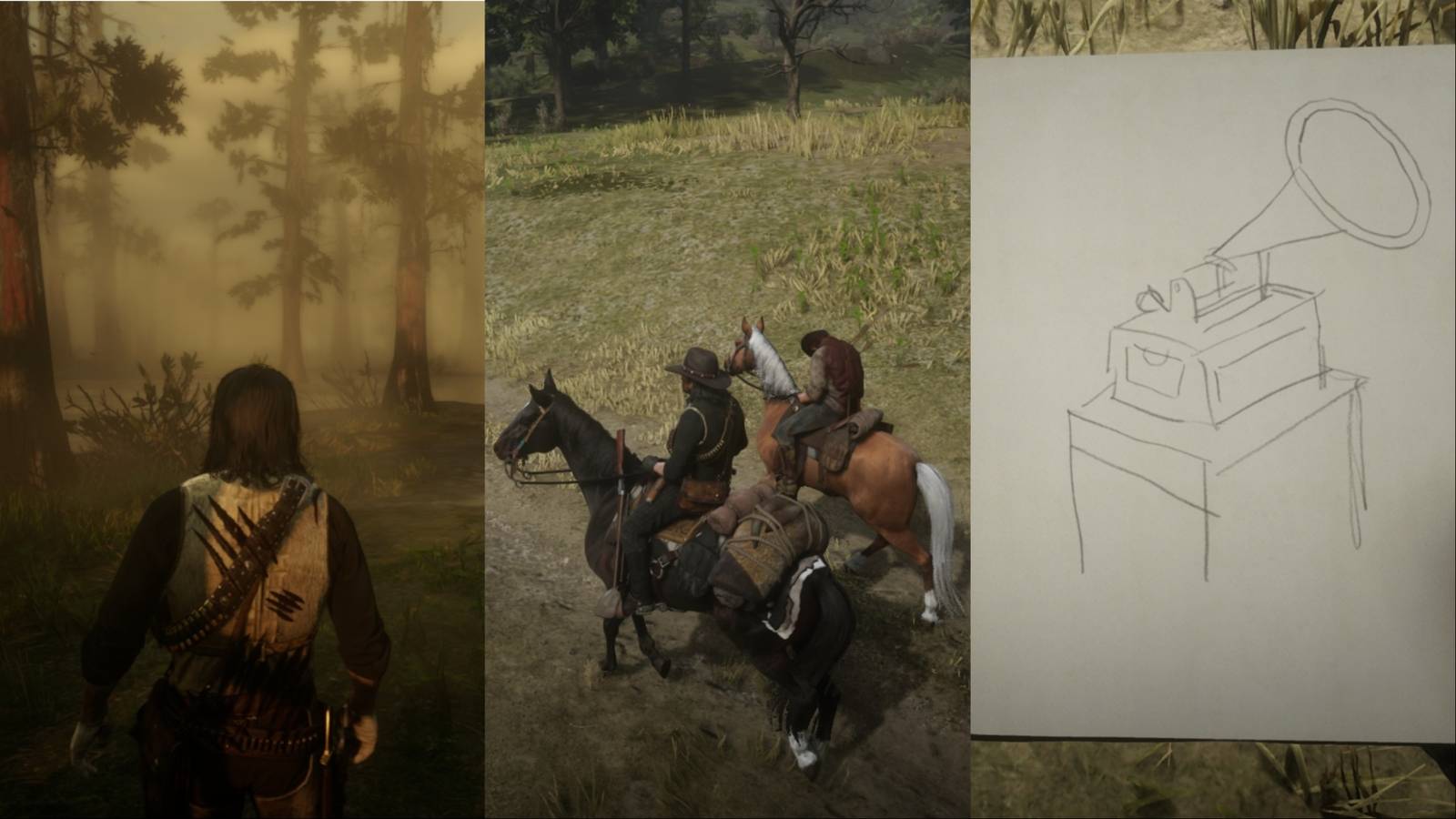
When Rockstar Games released Red Dead Redemption 2 (RDR2) in 2018, it didn’t just launch a video game; it set a new, perhaps insurmountable, benchmark for what an open-world environment could achieve. While the sweeping, tragic narrative of Arthur Morgan and the Van der Linde gang serves as the game’s emotional spine, the true soul of the experience lies in the microscopic layers of simulation that populate the vast landscapes of New Hanover, Lemoyne, and West Elizabeth.
In an era where many developers prioritize scale over depth, Red Dead Redemption 2 remains a masterclass in "environmental storytelling." It is a world that breathes, reacts, and persists even when the player is not looking. These granular details—often dismissed as mere background dressing—are, in fact, the essential components that transform a static digital map into a living, breathing ecosystem.
The Philosophy of Immersive Simulation
The dedication Rockstar poured into the minutiae of RDR2 is a testament to a development culture that prizes "friction" as a narrative tool. In most games, movement is fluid, health is a regenerative bar, and the world pauses to accommodate the player’s convenience. In Red Dead Redemption 2, the world is indifferent to you.
The developers treated the game as a complex simulation where every action has a kinetic consequence. This philosophy of "slow-paced immersion" is what forces the player to engage with the world rather than simply traversing it. By slowing the game down, Rockstar forces us to notice the things that make a world feel authentic: the mud that cakes our boots, the weight of a rifle, and the way the weather dictates the behavior of the living things around us.

Chronology of Discovery: From Launch to Legacy
Since its inception, the community surrounding RDR2 has been on an ongoing scavenger hunt. The "chronology of discovery" is a fascinating study in gaming culture. At launch, players were initially struck by the graphical fidelity—the lighting, the textures, and the character animations. However, as weeks turned into months, the conversation shifted.
Players began sharing clips of NPCs interacting with the environment in ways that seemed too complex to be scripted. The discovery that wildlife hunted other wildlife, or that law enforcement would physically clear away bodies from a crime scene hours after a shootout, sparked a years-long viral trend. Even today, nearly seven years post-release, players continue to unearth "hidden" systems that suggest a level of development complexity rarely seen in modern AAA production.
Supporting Data: The Mechanics of Realism
1. Realistic Injury and Combat Physics
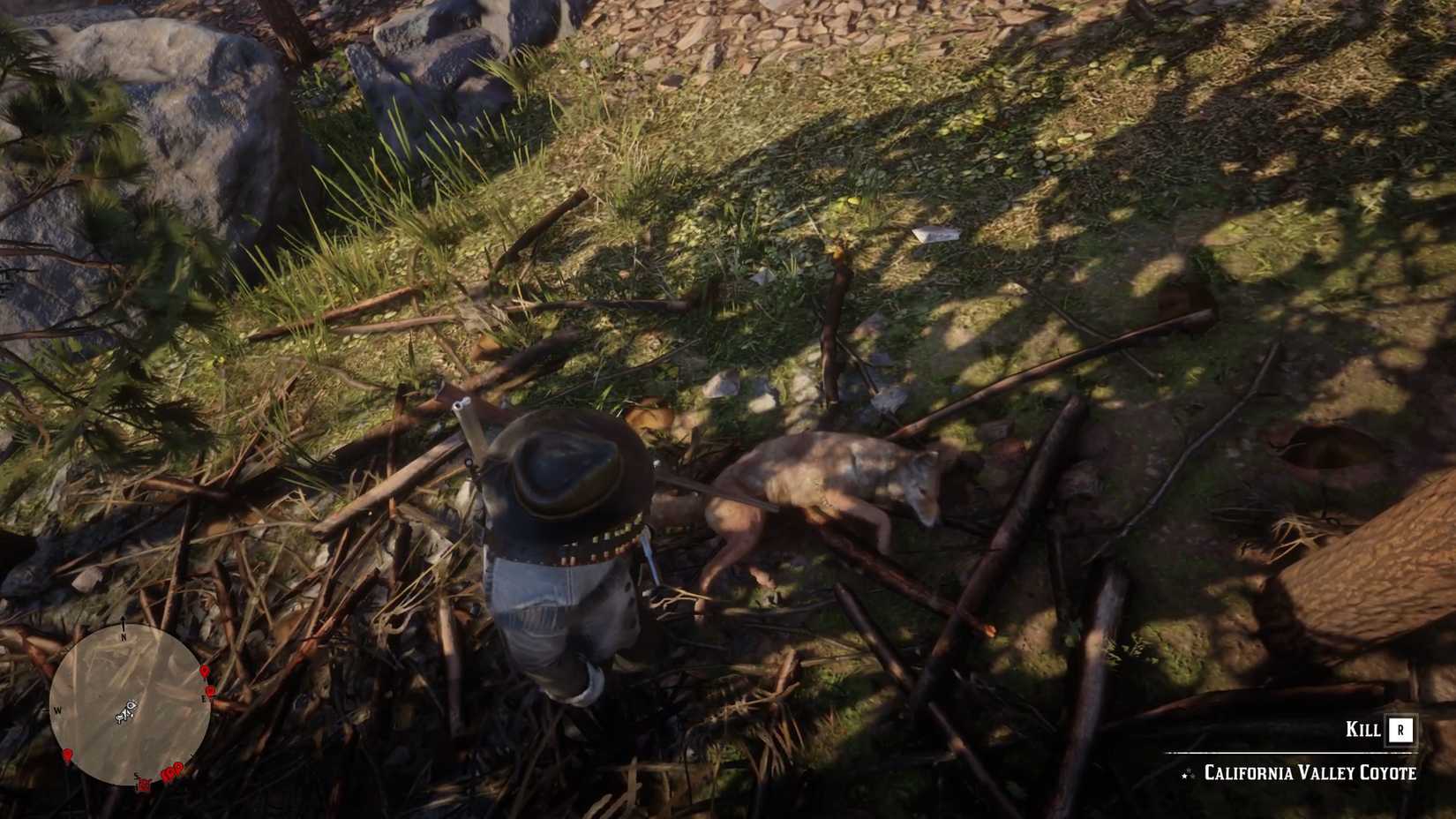
Unlike titles that rely on abstract health bars and static "death animations," RDR2 utilizes a sophisticated physics engine. If a player or an NPC is wounded, their movement is dictated by the severity and location of the impact. A shot to the leg causes a realistic limp; a critical hit to the shoulder induces a stagger. Even the wildlife shares this system—a wounded deer will struggle to flee, leaving a blood trail that the player can track. The fact that bullet wounds remain visible on a pelt even after the animal is skinned is a level of forensic detail that few other studios have dared to attempt.
2. Meteorological and Biological Adaptation
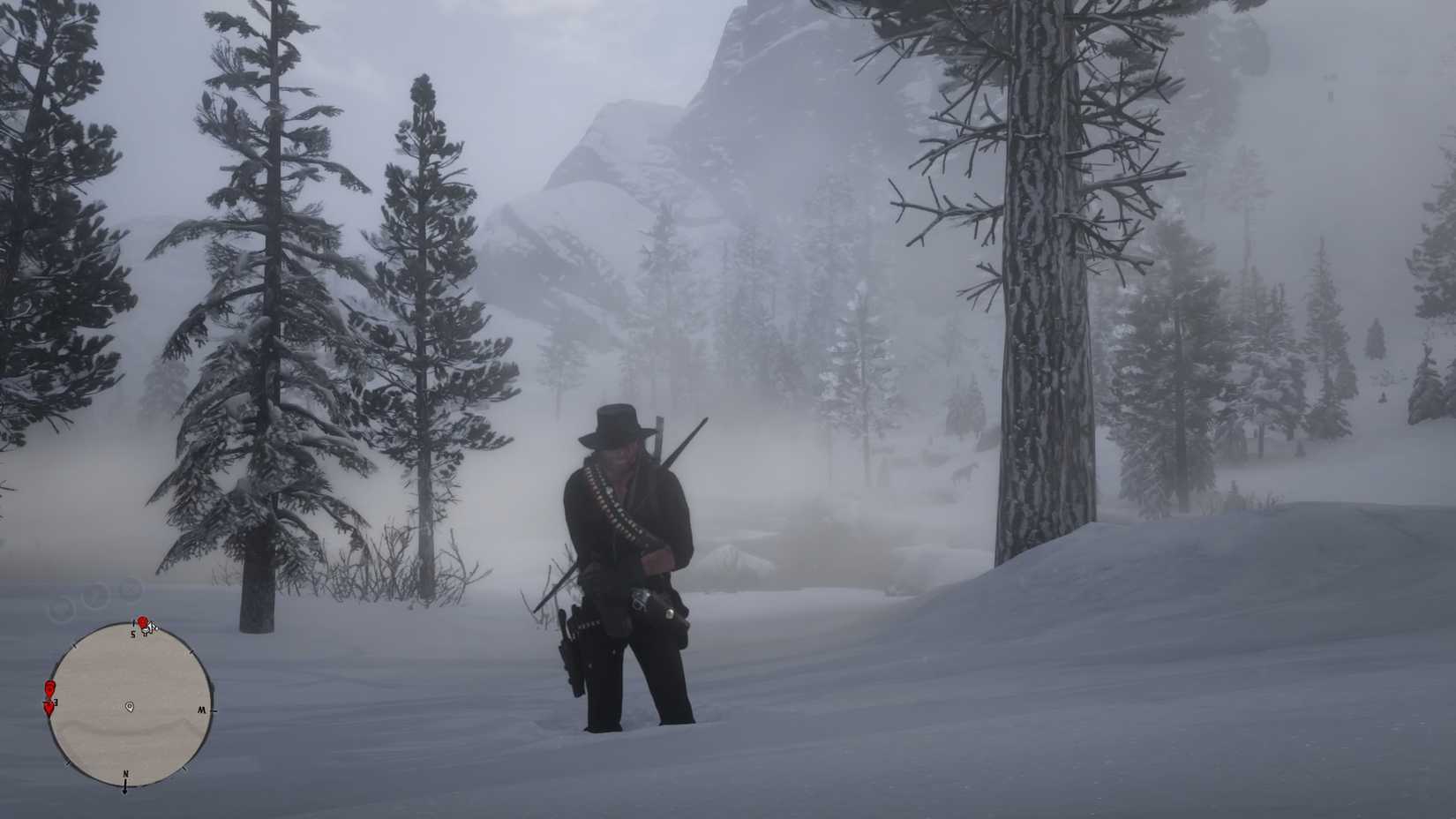
The game’s weather system is not just an aesthetic layer; it is an active survival mechanic. When the temperature drops in the snowy peaks of Ambarino, Arthur and John display involuntary shivering animations. Conversely, in the humid swamps of Lemoyne, they will wipe sweat from their brows. This is not mere "flavor"; if the player fails to dress for the climate, their health cores will drain rapidly. This creates a mechanical loop where the environment directly challenges the player’s survival, reinforcing the harsh reality of the 19th-century frontier.
3. The Unpredictable Wilderness
The world of RDR2 is designed to function without the player’s input. Nature follows its own rhythm: foxes stalk rabbits, eagles snatch snakes from the ground, and scavengers descend upon the remains of a fight. This "non-player-centric" design makes the map feel ancient and untamed. Whether it is a random gang ambush interrupting a quiet night of fishing or a mysterious corpse left by a serial killer, the world feels like it existed long before you arrived and will continue long after you leave.
4. Weapon Maintenance and Visual Wear
Weapon handling in RDR2 is a rabbit hole of technical design. A gun that is neglected will not just have lower stats; it will audibly change. A dirty, rusted revolver will produce a muffled, sluggish report and emit thick, black smoke compared to the sharp, crisp snap of a well-maintained weapon. Furthermore, the bandolier system reflects this visual reality; as you deplete your ammo reserves, the physical slots on your character’s bandolier actually empty, providing a real-time visual indicator of your remaining resources.
Official Responses and Industry Impact
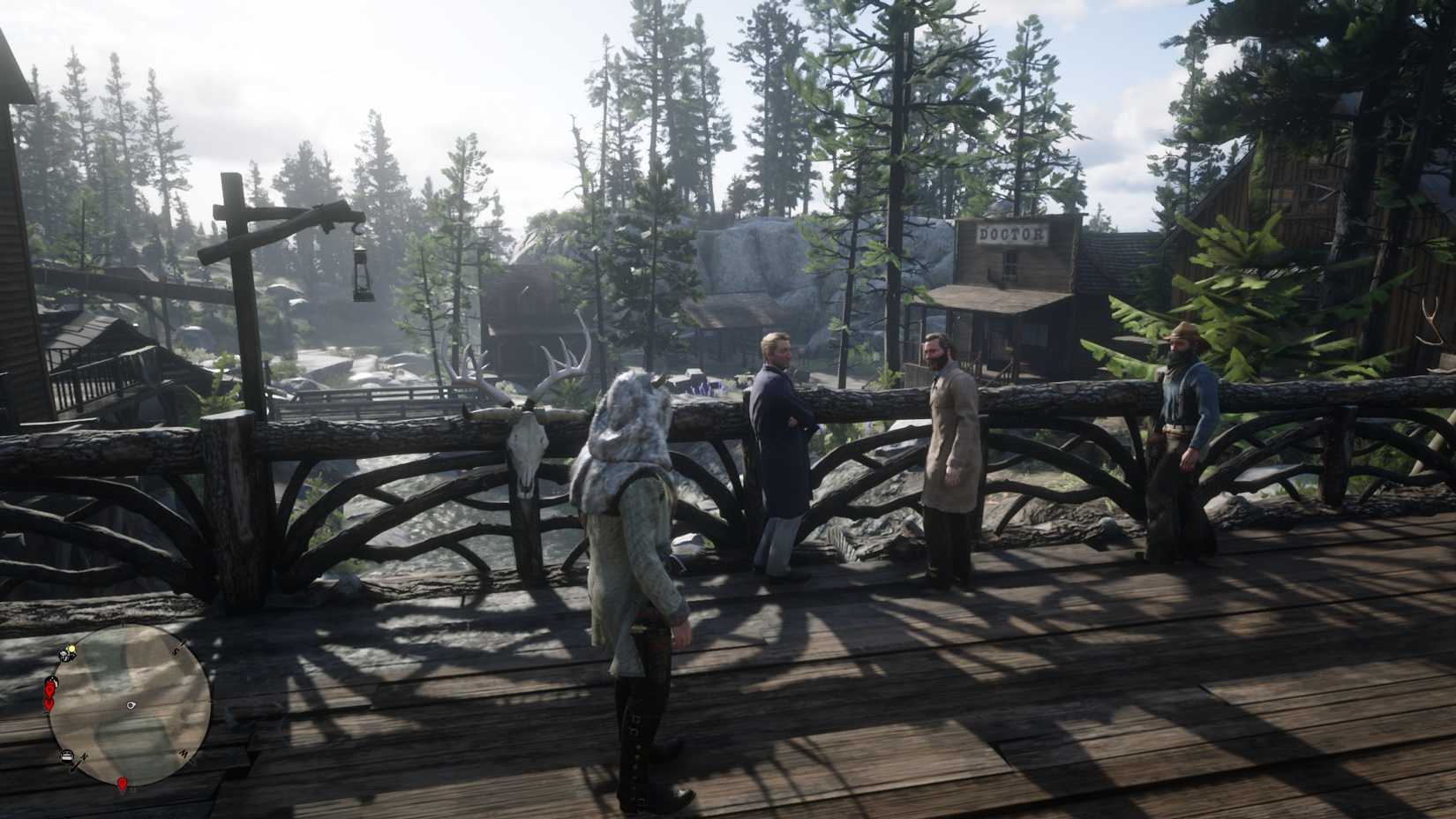
While Rockstar Games is notoriously tight-lipped regarding their internal development processes, the impact of their "environmental obsession" has been echoed by industry peers and former developers. In various podcasts and interviews, Rockstar co-founder Dan Houser has alluded to the sheer scale of the animation database, noting that the goal was to eliminate the "uncanny valley" of interaction.
The industry at large has taken notice. The "RDR2 standard" has become a shorthand for excellence in open-world design. Developers from other studios frequently cite the title’s attention to detail as a primary influence, particularly the way it handles NPC behavior and persistent world states.
Implications: The Future of Open Worlds
The success of Red Dead Redemption 2 poses a significant question for the industry: Is this level of detail sustainable?
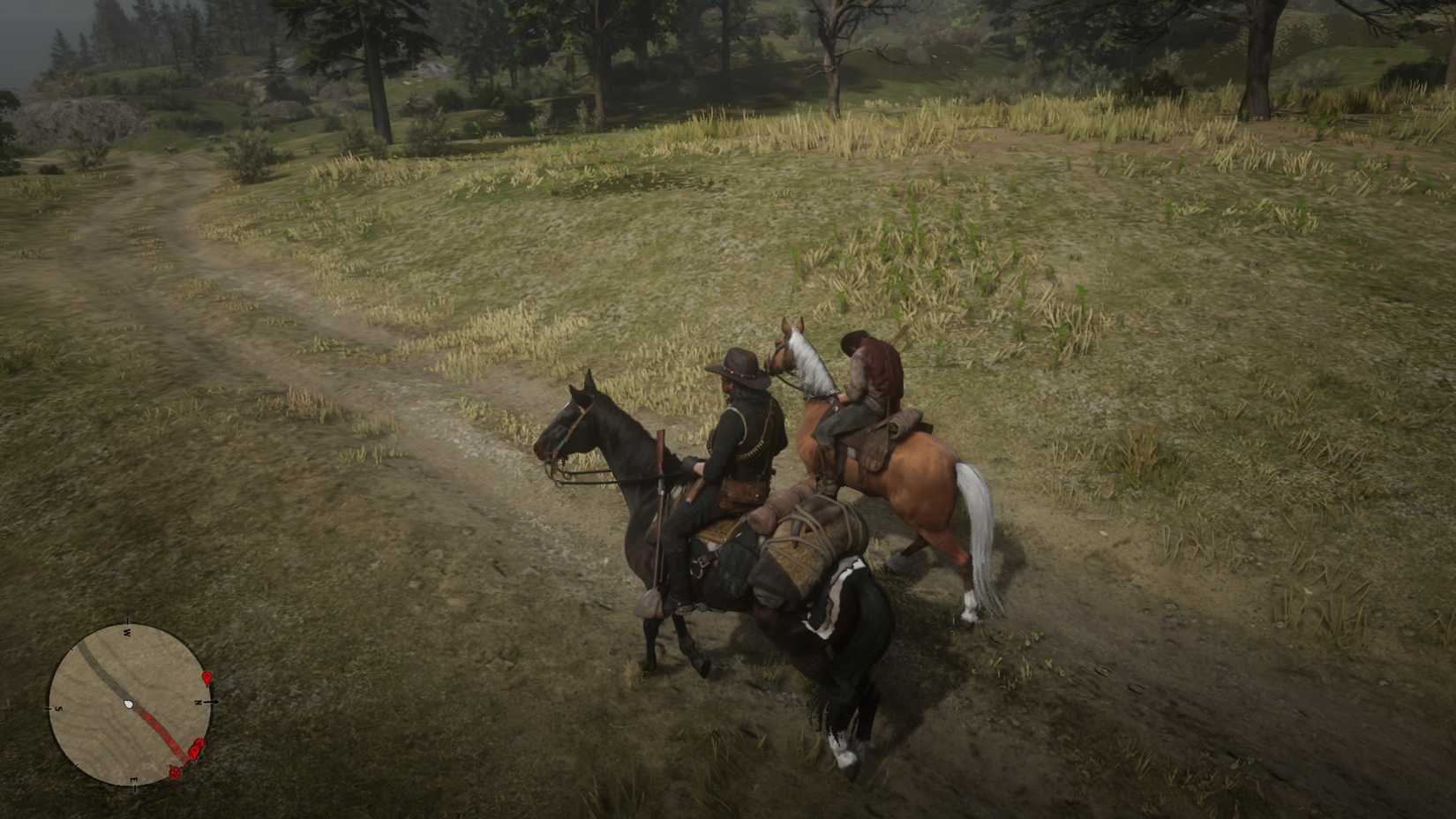
The implication of such design is that it creates a new expectation for players. Gamers are no longer satisfied with static environments; they expect the world to respond to them. This has profound implications for the development of upcoming titles, most notably Grand Theft Auto VI. If Rockstar can apply the lessons learned from the frontier to the modern urban sprawl of Vice City, the standard for "living worlds" will shift once again.
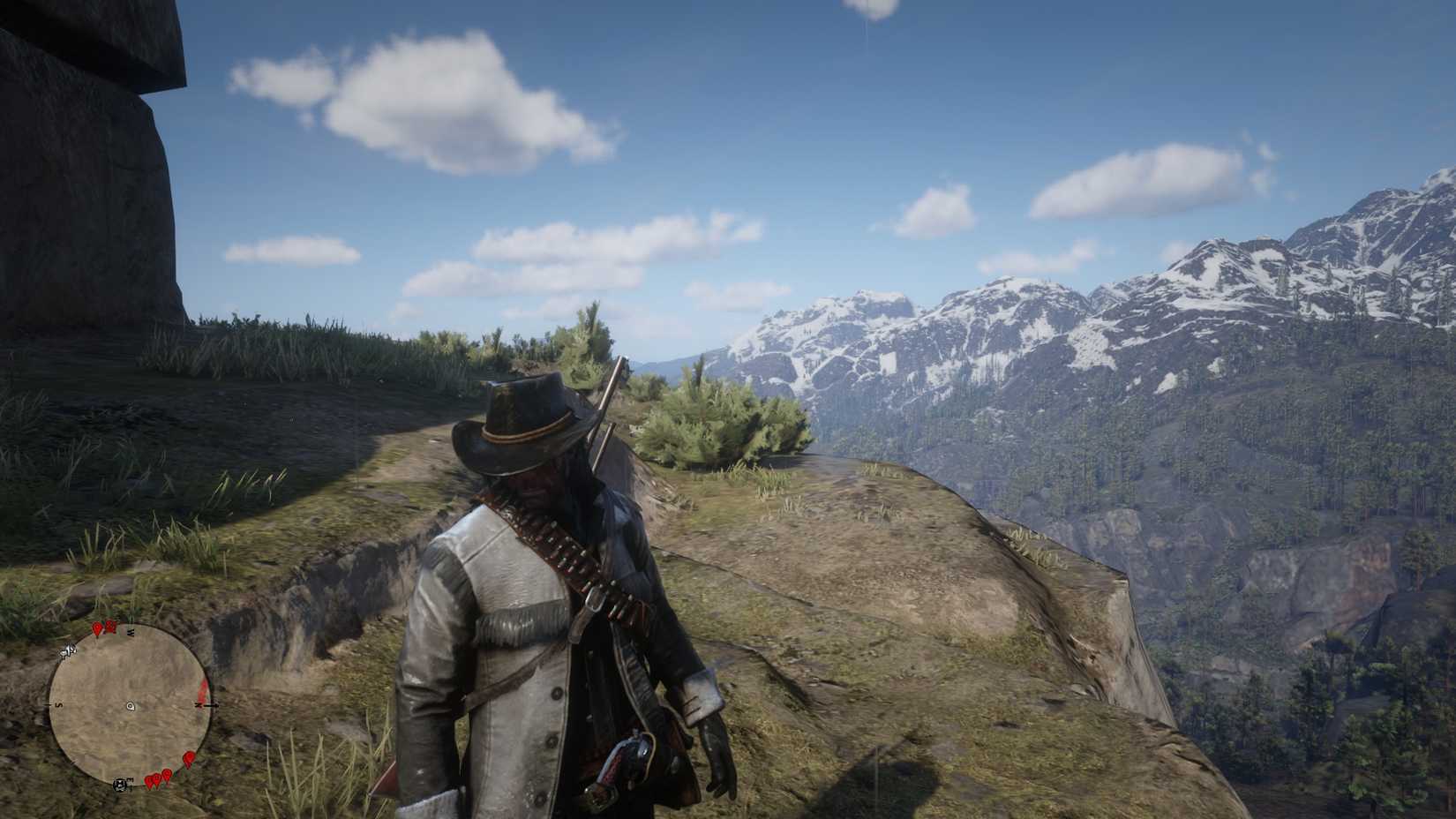
However, there is a cost. The labor required to build these systems—to program the hundreds of thousands of lines of dialogue, the physics of mud, the AI of local wildlife, and the reactive NPC schedules—is immense. It suggests that future open-world games will likely be defined by a choice between "width" (a massive, shallow map) and "depth" (a smaller, highly reactive, and detailed map).
Conclusion
Red Dead Redemption 2 is more than a game; it is an archive of a virtual time and place. It stands as a monument to the idea that the "small things"—a shivering animation, a bullet hole in a hat, the way a horse reacts to the cold—are what ultimately define the player’s journey.
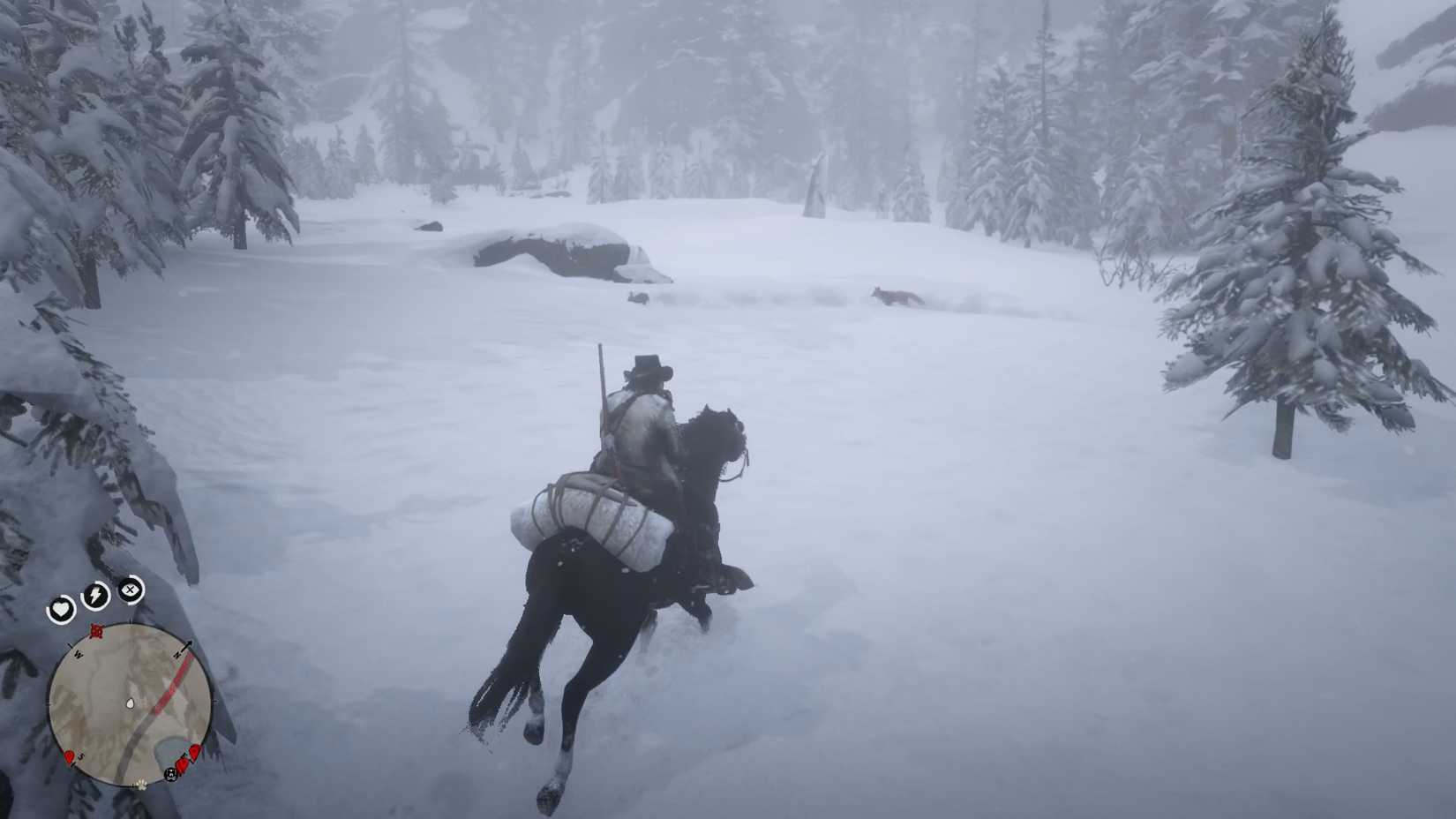
As we look toward the future of interactive entertainment, the legacy of RDR2 remains clear: the most powerful stories are not always the ones told through cinematics, but the ones we discover for ourselves while riding through the rain, watching the world react to our presence. For players who crave immersion, the West has truly been won, and the bar for the future has been set at an incredibly high altitude. Whether it’s the way the law cleans up after a tragedy or the way a journal fills with sketches of a rare bird, these details remind us that in the digital frontier, the devil—and the delight—is always in the details.


 Neng Nana
 Pevita Pearce